Animals to See in Bwindi Impenetrable National park
April 13, 2026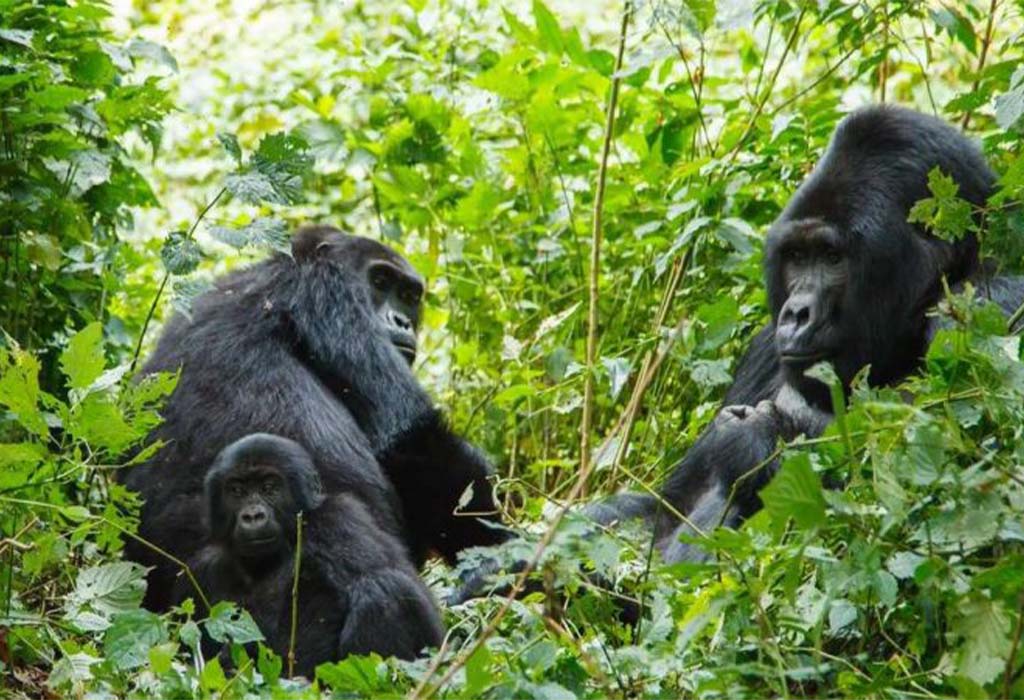
What Is the Best Gorilla Family to See in Rwanda?
April 14, 2026
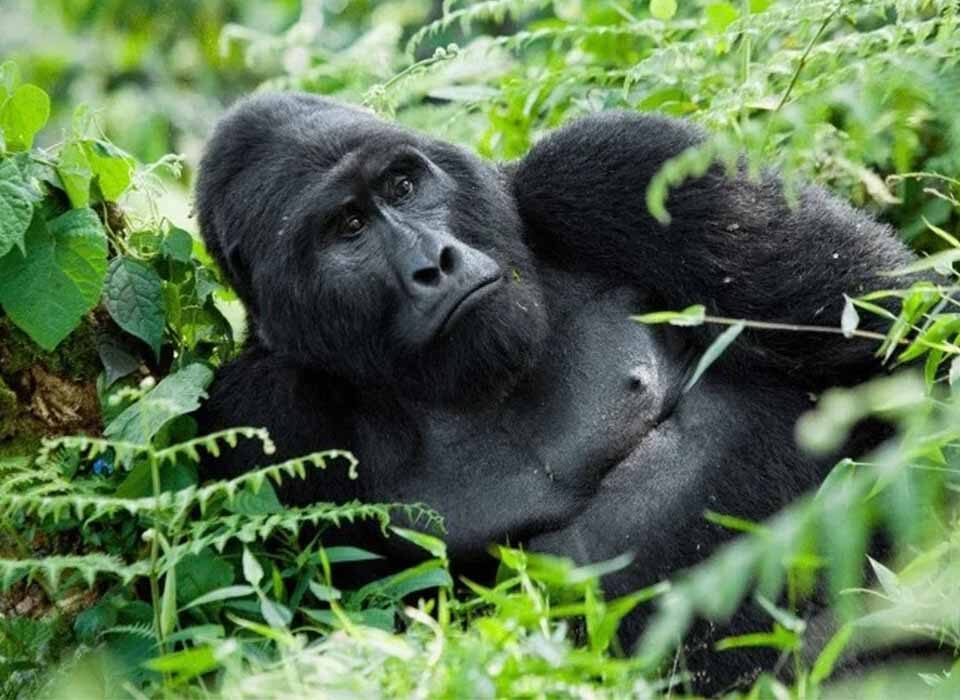
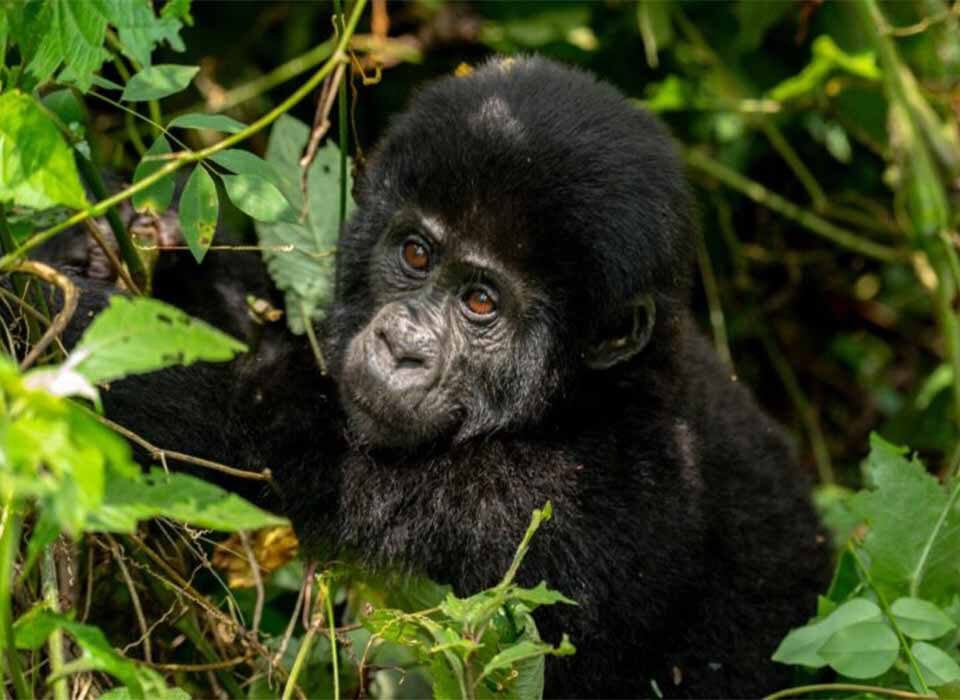
People wear masks during gorilla trekking to protect the critically endangered mountain gorillas from human-borne diseases. Because gorillas share about 98% of their DNA with humans, they are highly vulnerable to many of the illnesses we carry. Even a mild cold or flu in humans can become life-threatening for a gorilla. For that reason, mask-wearing is not just a precaution; it is a vital conservation measure that helps safeguard entire gorilla families.
More importantly, this practice reflects a deeper responsibility. It shows how human behavior directly affects wildlife survival and highlights the delicate balance between tourism and conservation.
Understanding the Health Vulnerability of Mountain Gorillas
Genetic Similarity and Disease Risk
The close genetic relationship between humans and mountain gorillas creates a serious conservation challenge. While this similarity is fascinating, it also means that diseases can easily pass from humans to gorillas. Unfortunately, gorillas have not developed immunity to many common human illnesses.
As a result, infections that humans recover from quickly can severely affect gorillas. Their immune systems are not equipped to handle these unfamiliar pathogens, making even minor exposure potentially dangerous. In isolated populations like those in Bwindi or the Virunga ranges, a single outbreak can spread quickly and have devastating consequences.
Lessons from Past Outbreaks
History has already shown the dangers of disease transmission. Researchers have documented several cases where respiratory infections introduced through human contact led to illness and death among great apes. These are not theoretical risks; they are real events that have shaped current conservation policies.
In many cases, gorillas developed severe complications such as pneumonia, which proved fatal without medical intervention. Unlike humans, wild gorillas cannot access treatment, making prevention the only effective protection.
Strict Rules That Protect Gorillas
International Conservation Guidelines
To reduce these risks, authorities in Uganda, Rwanda, and the Democratic Republic of Congo enforce strict regulations for gorilla trekking. Mask-wearing is a mandatory requirement, not a suggestion.
These rules align with global conservation standards set by organizations such as the International Union for Conservation of Nature (IUCN). They aim to minimize human impact while still allowing visitors to experience gorillas in their natural habitat.
Failing to follow these guidelines can lead to serious consequences, including being removed from the trek. These measures underline how critical disease prevention is to gorilla survival.
Active Monitoring in the Forest
During treks, trained guides and rangers ensure that all visitors comply with the rules. They do more than enforce regulations; they educate travelers on why these measures matter.
With guidance from experienced teams like those at Experiya Tour Company, visitors gain a deeper understanding of their role in conservation. This awareness often transforms a simple wildlife encounter into a meaningful and responsible experience.
Close Encounters Increase the Risk
Distance Isn’t Always Enough
Although trekkers must keep a safe distance, usually about 10 meters, gorilla encounters can sometimes become closer. Gorillas are naturally curious, and the dense forest environment can make it difficult to maintain perfect spacing.
In such moments, masks act as a critical barrier, reducing the chance of transmitting respiratory droplets.
Forest Conditions and Airflow
Additionally, gorilla habitats are often dense and humid. Thick vegetation can limit airflow, allowing airborne particles to linger longer than they would in open spaces. This makes mask-wearing even more important, especially during close or prolonged encounters.
A Layered Approach to Safety
Mask-wearing works alongside several other protective measures. Before trekking, visitors undergo health checks to ensure they are not showing symptoms of illness. Group sizes are limited, and viewing time is restricted to about one hour.
Together, these strategies create a comprehensive system that minimizes risk while preserving the quality of the experience. Even when visitors feel healthy, masks provide an extra layer of protection against asymptomatic transmission.
Conservation Starts with Responsibility
Protecting a Fragile Population
With fewer than 1,000 mountain gorillas left in the wild, every individual matters. Protecting them from preventable diseases is essential for maintaining population stability and genetic diversity.
By simply wearing a mask, visitors actively contribute to the survival of this endangered species. It is a small action with a powerful impact.
Supporting Sustainable Tourism
Responsible tourism plays a major role in funding conservation efforts and supporting local communities. However, this model only works if tourism does not harm the wildlife it depends on.
That is why following guidelines, especially mask-wearing, is so important. It ensures that tourism remains a force for good rather than a threat.
A Shared Responsibility
Ultimately, wearing a mask during gorilla trekking is about respect for wildlife, for conservation efforts, and for future generations who deserve to experience these incredible animals.
When you trek with Experiya Tour Company, you are not just observing gorillas. You are becoming part of a larger mission to protect them. And sometimes, the simplest actions like wearing a mask make the greatest difference.