Rwanda’s Greatest Picnic Locations
April 27, 2026
Rwanda’s Luxurious Safari Experiences
April 27, 2026
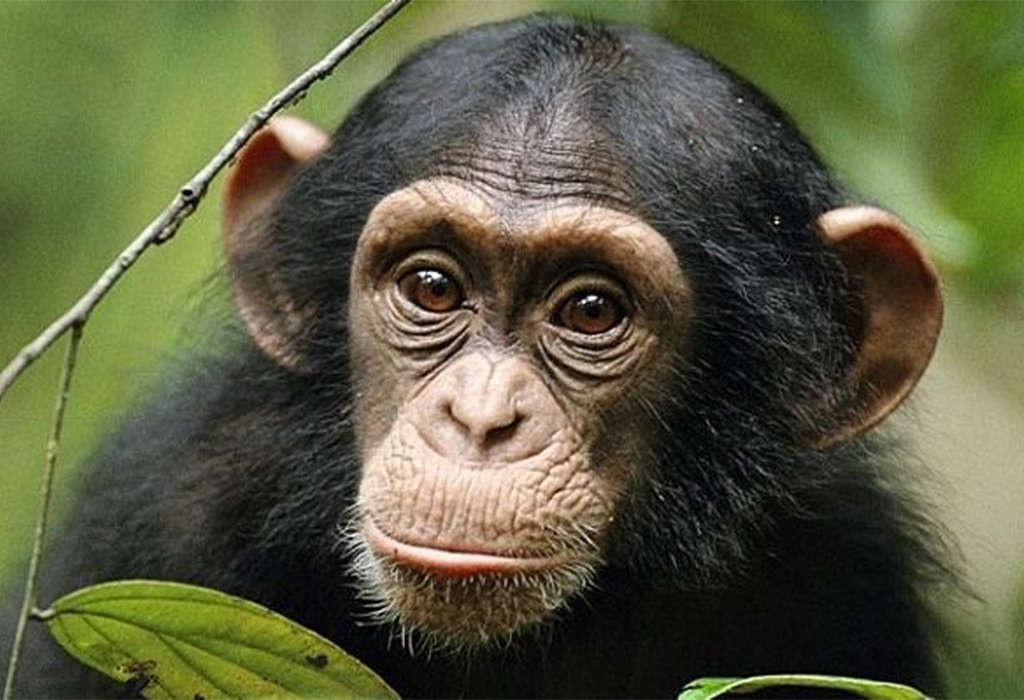
Seeing chimpanzees in the wild ranks among the most thrilling wildlife experiences in Africa. Uganda, with its lush forests and rich biodiversity, offers some of the best opportunities to encounter these intelligent primates up close. Naturally, one question always comes up when planning this adventure: Do you need a permit?
The answer is clear: yes, you absolutely need a chimpanzee trekking permit. And from my own experience, this permit is far more than just a formality. It shapes the entire encounter and protects what makes it so special.
Why a Permit Is Required
When I first looked into chimpanzee trekking, I assumed the permit was simply about access. However, once I arrived and listened to the guides, I realized it plays a much bigger role.
The Uganda Wildlife Authority issues all chimpanzee trekking permits and strictly controls entry into chimpanzee habitats. You cannot join a trek or even approach these areas without one. More importantly, the system exists to protect chimpanzees, which are endangered and highly sensitive to human presence.
By limiting the number of visitors each day, authorities prevent overcrowding and reduce stress on the animals. As a result, chimpanzees continue behaving naturally, rather than reacting to constant human interference. In a very real sense, the permit protects both the wildlife and the authenticity of your experience.
What the Permit Really Means
At first glance, a permit might feel like just another travel requirement. In reality, it opens the door to a carefully managed conservation experience.
With a valid permit, you gain access to forests where chimpanzees have been gradually habituated to human presence. Researchers and conservationists spend years guiding this process, ensuring that the animals feel comfortable without losing their wild instincts.
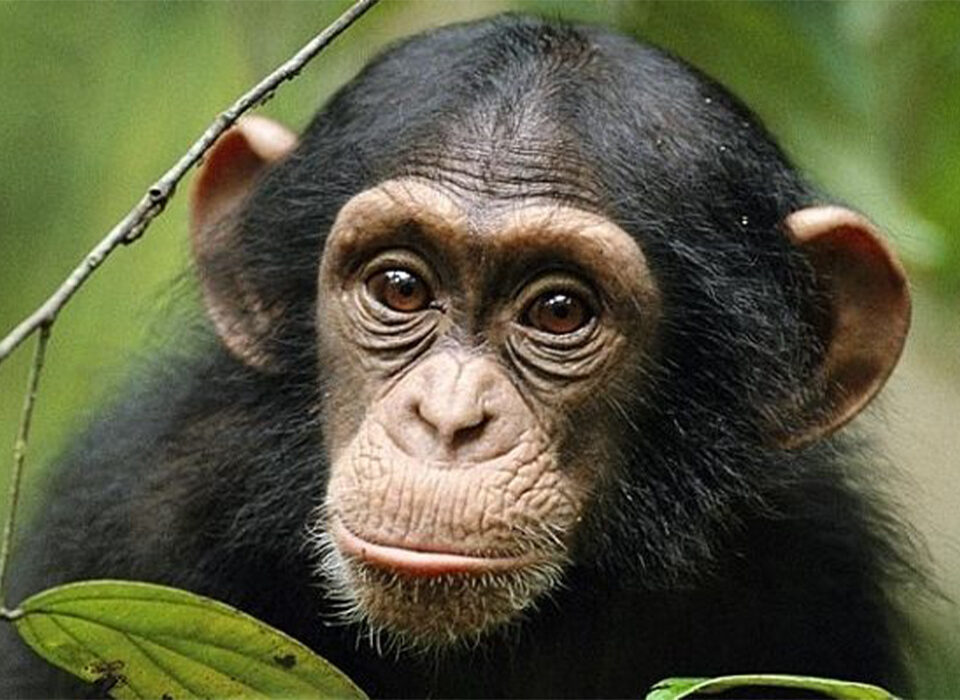
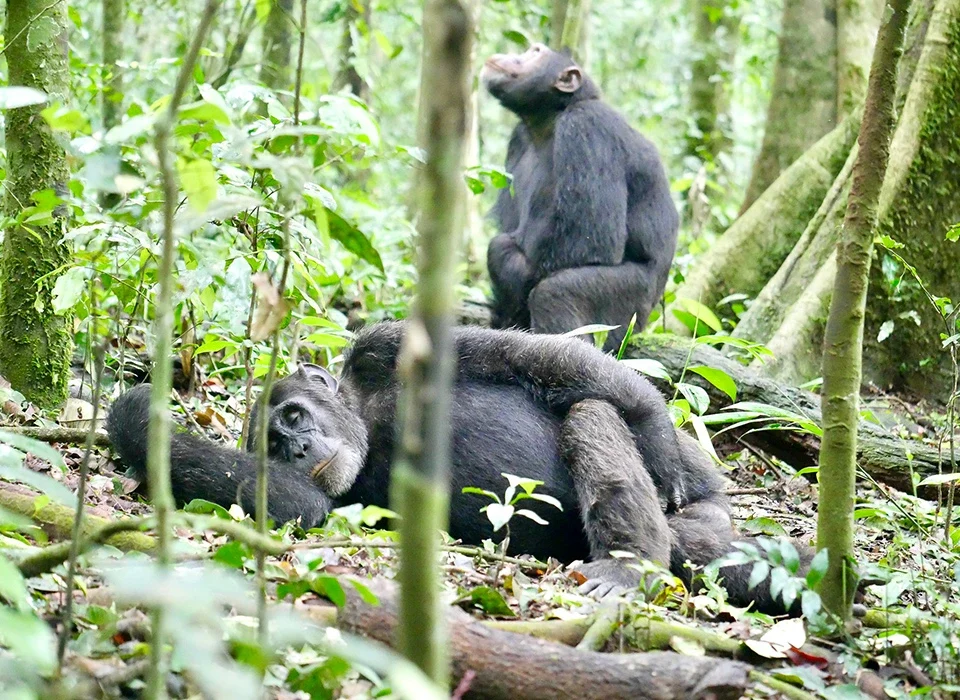
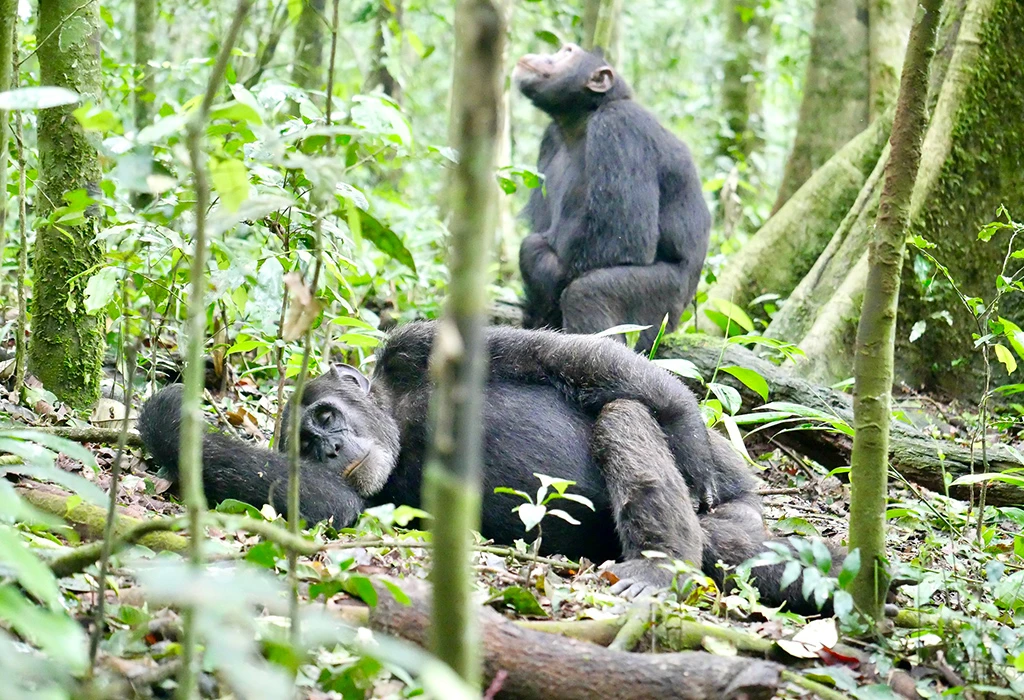
Once you locate a chimpanzee group, and that moment is unforgettable, you are allowed to spend one hour observing them. I found that hour surprisingly intense. You watch them feed, groom each other, communicate, and move through the forest with incredible agility. Time passes quickly, but the memory stays sharp.
For those who want a deeper immersion, habituation experiences allow you to spend several hours in the forest. This offers a more detailed look at chimpanzee behavior and daily life.
Supporting Conservation Through Permits
One thing that stood out to me is how directly the permit contributes to conservation. The fees do not disappear into a system; they actively fund protection efforts.
Revenue supports anti-poaching patrols, habitat conservation, and ongoing research. At the same time, nearby communities benefit through employment opportunities and development programs. Because of this, local people gain a strong incentive to protect wildlife rather than exploit it.
This connection between tourism and conservation becomes very real when you are there. You begin to understand that your visit plays a small but meaningful role in a much greater effort.
The Cost of a Chimpanzee Permit
Permit costs vary depending on residency status and location. In Uganda’s most popular chimpanzee destination, foreign non-residents typically pay around $250 per person. Foreign residents usually pay slightly less, while East African citizens enjoy significantly reduced rates.
Initially, the price might seem high. However, after experiencing the trek firsthand, it becomes easier to appreciate the value. You are not just paying for a tour, you are supporting conservation while gaining access to something truly rare.
How to Get a Permit
Securing a permit requires some planning, especially during peak travel seasons when availability becomes limited.
You can book directly through the Uganda Wildlife Authority, which gives you access to official rates. Alternatively, many travelers choose to arrange permits through a licensed tour operator who handles logistics such as transportation, accommodation, and scheduling.
From what I observed, having everything organized in advance makes the experience far smoother, allowing you to focus entirely on the trek itself.
Who Can Participate?
Chimpanzee trekking is accessible to many travelers, but it does come with a few important requirements.
Participants must generally be at least 12 years old. The trek itself can be physically demanding, as you walk through dense forest, navigate uneven terrain, and sometimes hike for several hours before locating the chimpanzees.
While you do not need to be an athlete, a reasonable level of fitness helps. In my case, the effort made the encounter even more rewarding.
Best Places to See Chimpanzees in Uganda
Uganda offers several excellent locations for chimpanzee trekking, each with its own atmosphere.
Kibale Forest stands out as the most reliable destination, thanks to its high concentration of chimpanzees. Many visitors, including myself, find it to be the most consistent place for sightings.
Kyambura Gorge, on the other hand, offers a more dramatic setting. Trekking through a forested valley surrounded by savannah creates a striking contrast that adds a sense of adventure.
Budongo Forest provides a quieter alternative. If you prefer fewer crowds while still enjoying a rewarding experience, it is a strong option.
Why the Permit System Matters
Chimpanzees share nearly 98 percent of human DNA, which makes them especially vulnerable to human diseases and environmental disruption. Without strict regulation, tourism could easily harm the very animals people come to see.
The permit system solves this by controlling visitor numbers and enforcing guided treks. As a result, chimpanzee tourism in Uganda remains sustainable.
At the same time, the system supports surrounding communities, creating a balance where conservation and local development work together rather than compete.
Final Thoughts
So, do you need a permit to observe chimpanzees in Uganda? Without question, yes.
However, after experiencing it firsthand, I can say the permit represents much more than a requirement. It protects the chimpanzees, preserves their habitat, and ensures that every visitor enjoys a meaningful and respectful encounter.
Walking through the forest, hearing distant calls, and finally coming face to face with a chimpanzee is something that stays with you. It is not just a wildlife sighting, it is a powerful reminder of our connection to the natural world and the responsibility we share to protect it.