How to Book a Nyungwe Chimpanzee Permit
October 28, 2026
How Many Gorilla Families are in Bwindi Impenetrable Park?
October 28, 2026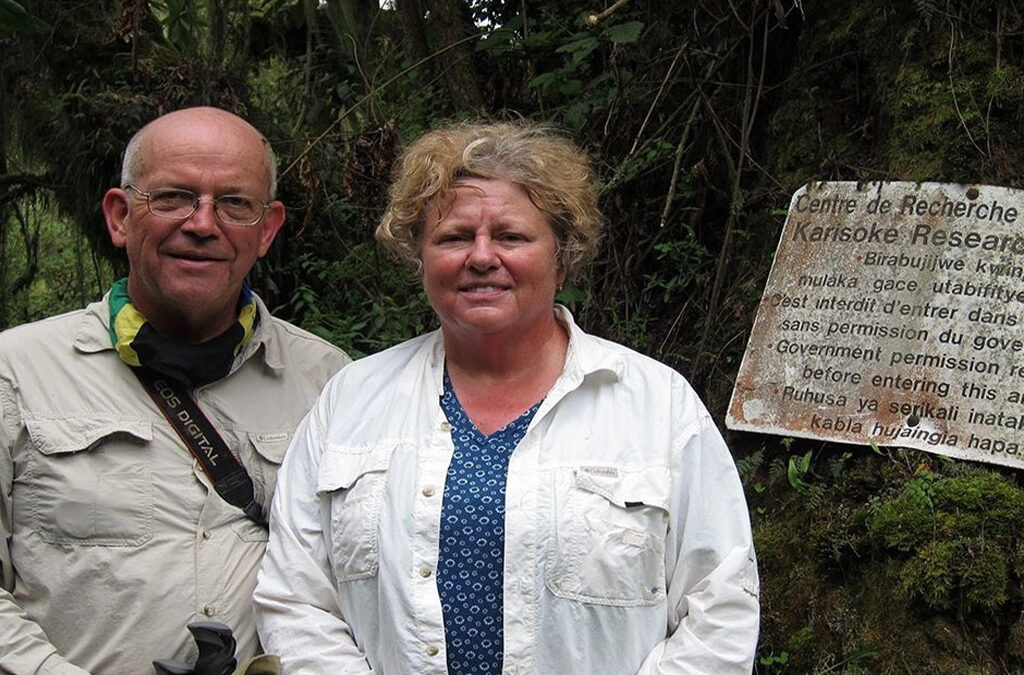
A Karisoke Research Center tour offers a remarkable opportunity to explore Rwanda’s conservation history and pay tribute to Dian Fossey, the renowned primatologist who dedicated her life to protecting mountain gorillas. Located in the dramatic volcanic landscape of Volcanoes National Park, the historic research site tells a powerful story of wildlife research, determination, and the ongoing fight against poaching.
For travelers seeking more than a conventional wildlife safari, the Dian Fossey tomb trek combines a challenging forest hike with meaningful historical discovery. As you walk through the montane forest, you experience the environment where Fossey conducted groundbreaking research and helped bring international attention to the survival of mountain gorillas.
Experiya Tour Company helps travelers plan this experience alongside other memorable Rwanda safari activities, including mountain gorilla trekking, golden monkey tracking, cultural visits, and scenic adventures around the Virunga Mountains. With suitable preparation and an experienced guide, you can discover an important part of Rwanda’s conservation heritage while enjoying the natural beauty of the Land of a Thousand Hills.
The History of Karisoke Research Center and Dian Fossey
How Karisoke Research Center Began
Dian Fossey established the Karisoke Research Center in 1967 between Mount Karisimbi and Mount Bisoke in Rwanda’s Virunga Mountains. She chose this remote location to study mountain gorillas in their natural habitat and better understand their behavior, social structures, and conservation needs.
At the time, mountain gorillas faced serious threats from poaching, habitat disturbance, and other human activities. Fossey’s long-term observations helped researchers understand these endangered primates and brought international attention to the challenges they faced.
Her work also demonstrated the importance of protecting gorilla families and their forest habitat. Today, Karisoke remains an important symbol of scientific research and mountain gorilla conservation, although the original research site is a historic location rather than the center’s present-day operational headquarters.
Why Dian Fossey Remains Important
Dian Fossey’s legacy continues to influence gorilla conservation in Rwanda and beyond. Her research helped people recognize that mountain gorillas are intelligent social animals with individual personalities, strong family relationships, and complex behaviors.
Her commitment to their protection also helped draw global attention to the dangers facing these primates. Although her conservation methods remain a subject of historical discussion, her contribution to mountain gorilla research is widely recognized.
During a Karisoke Research Center tour, visitors gain a deeper appreciation of this history. The trek is not simply an outdoor adventure; it also provides an opportunity to reflect on the people, research, and conservation efforts that helped shape modern gorilla protection.
What to Expect on the Dian Fossey Tomb Trek
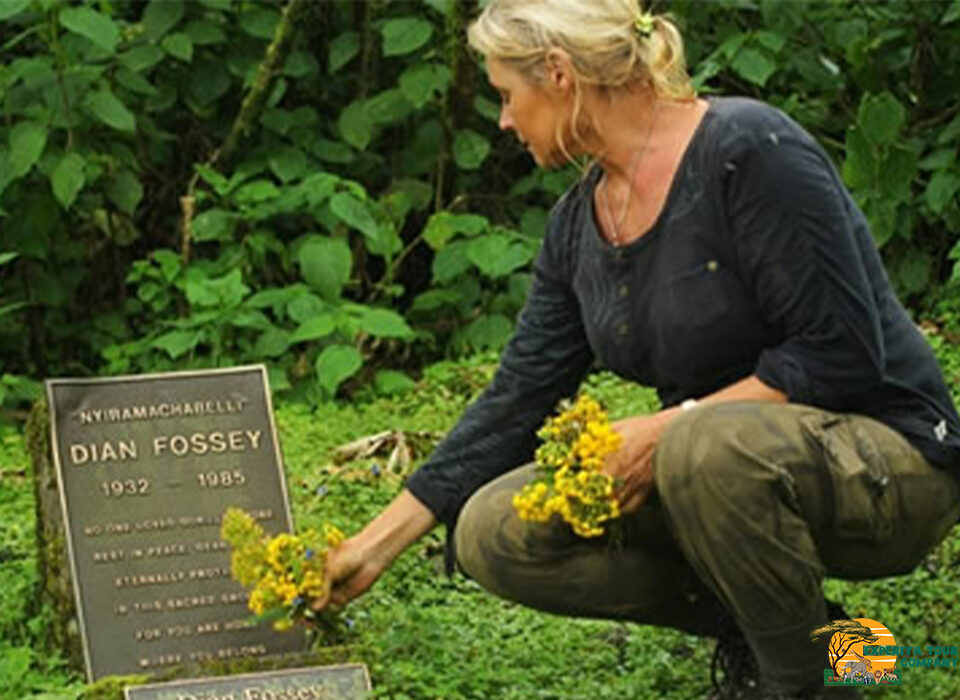
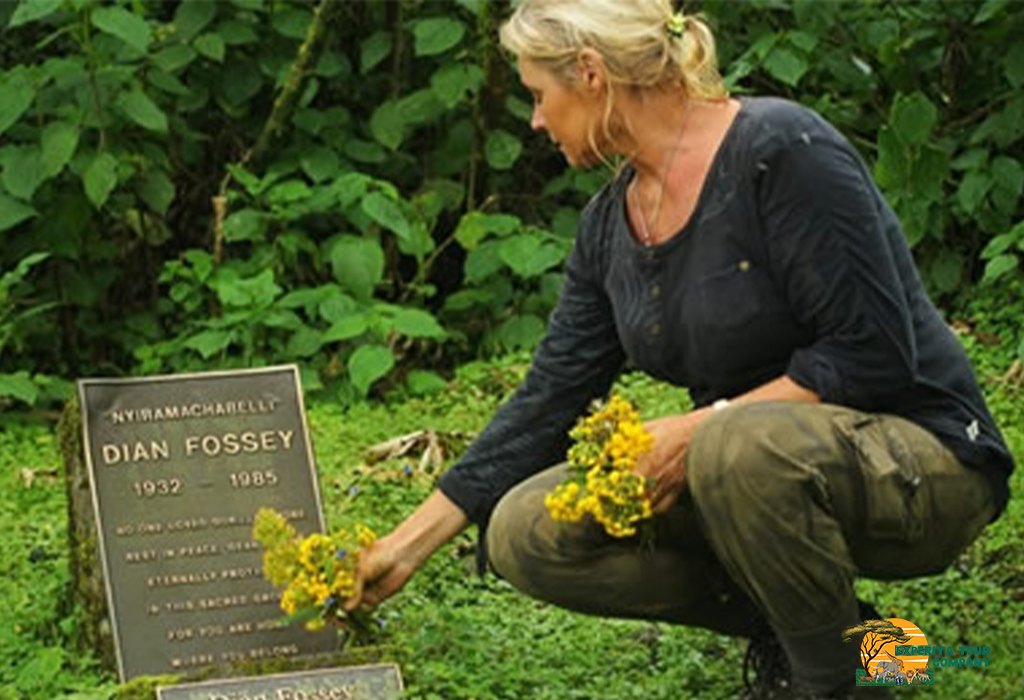
The Dian Fossey tomb trek takes visitors through the forested slopes of the Virunga Mountains toward the historic research site and the graves associated with Fossey and several mountain gorillas she studied.
The hike usually begins near the park headquarters area at Kinigi, subject to the arrangements confirmed by the park authorities. Visitors receive guidance before setting off, and the route follows forest trails that can become muddy, steep, and slippery, particularly after rainfall.
As you progress, the landscape reveals the beauty of Rwanda’s volcanic highlands. Depending on the weather and trail conditions, you may encounter dense vegetation, moss-covered ground, bamboo zones, and striking mountain scenery.
The walk requires a reasonable level of fitness because the terrain is uneven and the altitude can make the climb more demanding. Your guide will help you navigate the route safely and explain the area’s historical and ecological importance.
The main highlights include:
- Exploring the historic Karisoke research site.
- Visiting Dian Fossey’s gravesite and the nearby gorilla graves.
- Learning about mountain gorilla research and conservation.
- Walking through the natural habitat of the Virunga Mountains.
- Discovering the relationship between scientific research and wildlife protection.
The duration and difficulty of the trek vary with your pace, weather, and trail conditions. Therefore, allow sufficient time and confirm the expected schedule with your tour operator before departure.
How to Prepare for a Karisoke Research Center Tour
Proper preparation helps you enjoy the Dian Fossey tomb trek comfortably. Although the experience does not involve the same gorilla-viewing arrangements as a standard gorilla trek, the forest environment presents similar challenges, including damp vegetation, steep paths, and unpredictable weather.
Before departure, organize your clothing, footwear, and personal supplies. Waterproof equipment is especially useful because rain can occur even during Rwanda’s drier months.
Consider packing the following essentials:
- Sturdy hiking boots with good traction.
- Long trousers and a long-sleeved shirt.
- A lightweight waterproof jacket.
- Gardening or hiking gloves for protection against vegetation.
- Drinking water and suitable snacks.
- A small backpack for personal belongings.
- Sunscreen, insect repellent, and any necessary personal medication.
- A camera or phone with sufficient battery power.
In addition, wear comfortable clothing that allows you to move freely. Avoid carrying unnecessary luggage, since a lighter backpack makes the climb easier.
Your guide will provide instructions about the route, appropriate behavior, and conservation rules. Follow these instructions throughout the experience, remain on authorized trails, and avoid disturbing wildlife or removing anything from the forest.
Best Time to Visit Karisoke Research Center
Rwanda welcomes visitors throughout the year, but weather conditions can influence the difficulty of the Dian Fossey tomb trek.
The relatively drier periods, generally from June to September and December to February, are popular for hiking and gorilla trekking. During these months, trails may be easier to navigate, although rain remains possible in the mountains.
The wetter periods, particularly around March to May and October to November, can bring heavier rainfall and muddier paths. Nevertheless, the forest becomes lush, and the volcanic landscape can look especially beautiful beneath the mist.
Your preferred travel dates should depend on your interests, fitness level, and wider Rwanda itinerary. If you intend to combine the Karisoke Research Center tour with mountain gorilla trekking, book the activities well in advance and confirm availability for each experience.
Regardless of the season, carry waterproof clothing and prepare for changing temperatures. Mountain weather can shift quickly, so flexibility is essential.
Combining the Karisoke Trek with Mountain Gorilla Trekking
Many visitors combine the historic Dian Fossey tomb trek with mountain gorilla trekking in Volcanoes National Park. These activities complement each other while offering different perspectives on Rwanda’s conservation achievements.
During gorilla trekking, you enter the forest with authorized guides and trackers to observe a habituated mountain gorilla family. The encounter allows you to appreciate their social interactions, feeding behavior, and close family relationships in their natural habitat.
The Karisoke trek, by contrast, emphasizes the history of research and the people who helped bring mountain gorillas to international attention.
Combining both experiences gives you a broader understanding of the relationship between research, tourism, and conservation.
When arranging your itinerary, remember that the activities require separate planning and may have different permit requirements. Confirm current fees, availability, age restrictions, and booking procedures with the relevant park authorities or your tour operator.
Experiya Tour Company can help coordinate transportation, accommodation, guiding arrangements, and the timing of your activities, subject to availability and the applicable park regulations.
Other Activities to Enjoy Around Volcanoes National Park
A Karisoke Research Center tour can form part of a wider Rwanda safari. The Musanze region offers several additional experiences for travelers interested in wildlife, nature, and local culture.
Golden Monkey Tracking
Golden monkey tracking provides an opportunity to observe these lively primates in the bamboo forests of Volcanoes National Park. Their energetic movements and social behavior make the experience an appealing addition to a gorilla-focused itinerary.
As with other wildlife activities, follow your guide’s instructions and maintain the required distance from the animals.
Hiking the Virunga Volcanoes
Travelers seeking additional adventure can consider guided hikes on selected Virunga volcanoes, including Mount Bisoke. These hikes offer impressive scenery and a closer connection to the region’s volcanic landscape.
However, mountain hikes vary considerably in difficulty. Check the required fitness level, current trail conditions, and authorization arrangements before selecting an excursion.
Exploring Rwandan Culture
Cultural experiences around Musanze provide another way to understand the communities living near the national park. Depending on availability, visitors can arrange community visits, learn about local traditions, and discover how tourism supports livelihoods around protected areas.
Choose responsible experiences that respect local customs and ensure communities participate meaningfully in tourism activities.
Exploring Nyungwe Forest, Akagera, and Lake Kivu
If you have additional time, extend your Rwanda safari beyond Volcanoes National Park to discover the country’s contrasting landscapes.
Nyungwe National Park is renowned for its rainforest biodiversity, chimpanzee tracking, other primates, birdlife, and canopy walkway. It offers an excellent alternative for travelers interested in forest ecosystems and wildlife research.
Akagera National Park provides a different experience, with savannah landscapes, wetlands, lakes, and opportunities to search for the Big Five: lions, leopards, elephants, buffaloes, and rhinos. Game drives and boat trips can add variety to a primate-focused holiday.
Meanwhile, Lake Kivu offers a relaxing setting after several days of hiking and wildlife activities. Visitors can enjoy lakeside scenery, boat excursions, and opportunities to explore nearby towns.
Although these destinations are spread across Rwanda, a carefully planned itinerary can combine them with a Karisoke Research Center tour. Allow enough travel time between locations rather than trying to fit too many activities into a short holiday.
Practical Travel Advice for Visiting Karisoke Research Center
Before booking, confirm the latest arrangements for accessing the historic site. The route, permitted activities, fees, and guide requirements may change according to park management decisions and conservation considerations.
International visitors should also check Rwanda’s current entry requirements, travel documentation, and any applicable visa conditions before departure.
For a smooth experience, keep these recommendations in mind:
- Book the trek and any additional primate activities in advance.
- Confirm the meeting point, departure time, and expected hiking duration.
- Arrange reliable transport between your accommodation and the park.
- Choose accommodation that suits your budget and preferred travel style.
- Carry enough water and dress for cool, wet mountain conditions.
- Respect conservation rules and the historical significance of the site.
It is also helpful to schedule the trek early in your itinerary if you plan several demanding outdoor activities. This approach gives you flexibility to adjust other excursions if weather or trail conditions change.
Frequently Asked Questions About the Karisoke Research Center Tour
Where Is Karisoke Research Center Located?
The historic Karisoke Research Center is in the Virunga Mountains of northwestern Rwanda, within the broader Volcanoes National Park landscape, between Mount Karisimbi and Mount Bisoke.
Can Visitors Visit Dian Fossey’s Tomb?
Visitors may be able to hike to Dian Fossey’s gravesite and the historic research area through authorized arrangements. Access requirements, route conditions, and availability should be confirmed before travel.
How Difficult Is the Dian Fossey Tomb Trek?
The trek can be moderately challenging because of steep, uneven, and sometimes muddy trails. A reasonable level of fitness, appropriate footwear, and suitable rain protection are recommended.
Can I Combine the Trek with Gorilla Trekking?
Yes. Travelers often combine the two activities in a multi-day Rwanda safari. However, each experience requires separate scheduling, and gorilla trekking requires the appropriate permit.
What Does a Karisoke Research Center Tour Cost?
The total cost depends on the current access and guiding fees, transportation, accommodation, group size, and any additional activities. Request an itemized quotation from Experiya Tour Company and confirm which charges are included before booking.
Plan Your Karisoke Research Center Tour with Experiya Tour Company
A Karisoke Research Center tour is an inspiring way to explore Rwanda’s conservation heritage while discovering the volcanic landscapes that support endangered mountain gorillas. From the historic gravesite of Dian Fossey to the forest trails of Volcanoes National Park, the experience combines natural beauty, scientific history, and a deeper appreciation of wildlife protection.
Whether you plan a dedicated Dian Fossey tomb trek or a longer Rwanda safari featuring gorilla trekking, golden monkeys, cultural visits, and scenic destinations, thoughtful preparation will help you make the most of your journey.
Experiya Tour Company can assist with itinerary planning, accommodation, transportation, and arrangements for eligible activities. Contact the team to discuss your preferred travel dates, interests, and budget, and begin planning a meaningful journey through Rwanda’s remarkable natural and cultural heritage.