Can Gorilla Habituation Be Done Year-Round?
April 13, 2026
Do You Need Hiking Boots for Gorilla Trekking?
April 13, 2026
The question of whether gorilla habituation is ethical sits at the crossroads of conservation science, wildlife tourism, and community rights. It is not a simple yes-or-no issue. Instead, it demands a balanced understanding of how the practice works, what it achieves, and the concerns it raises.
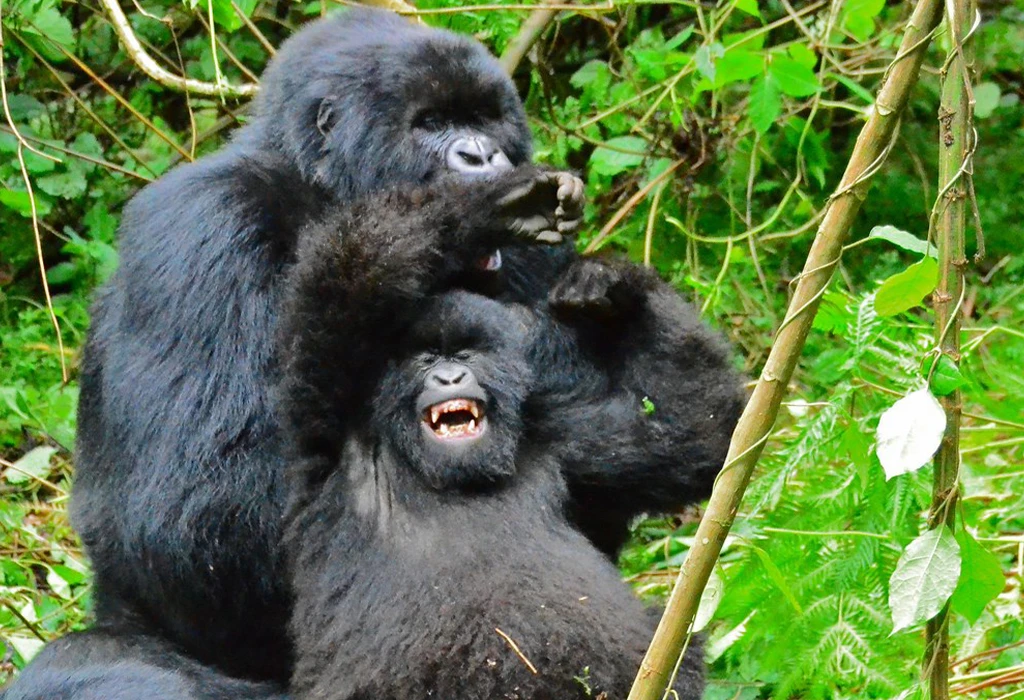
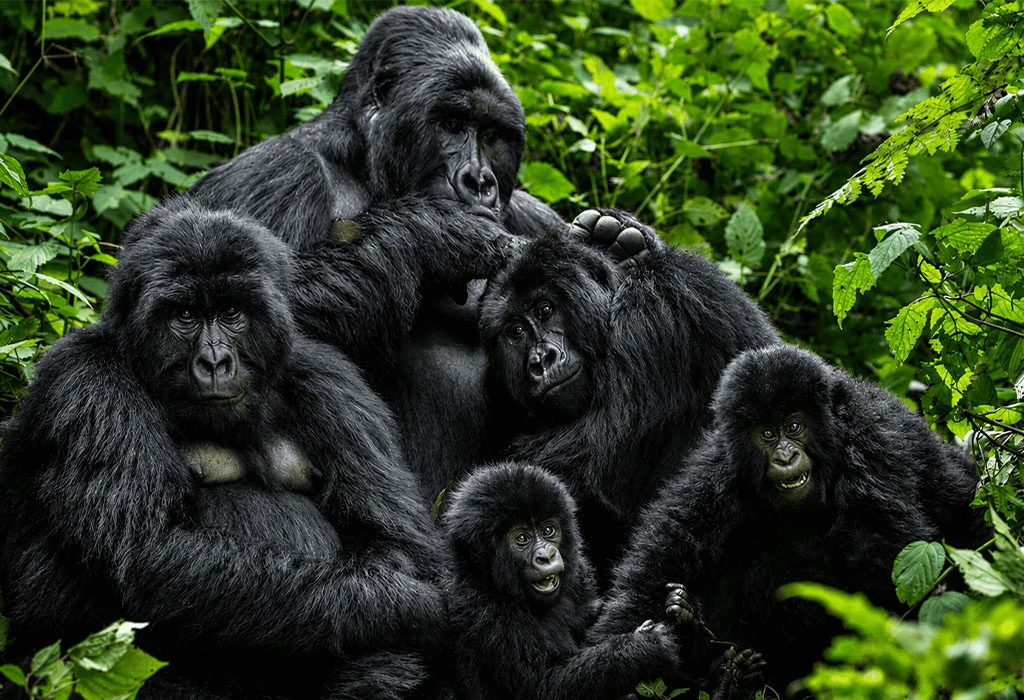
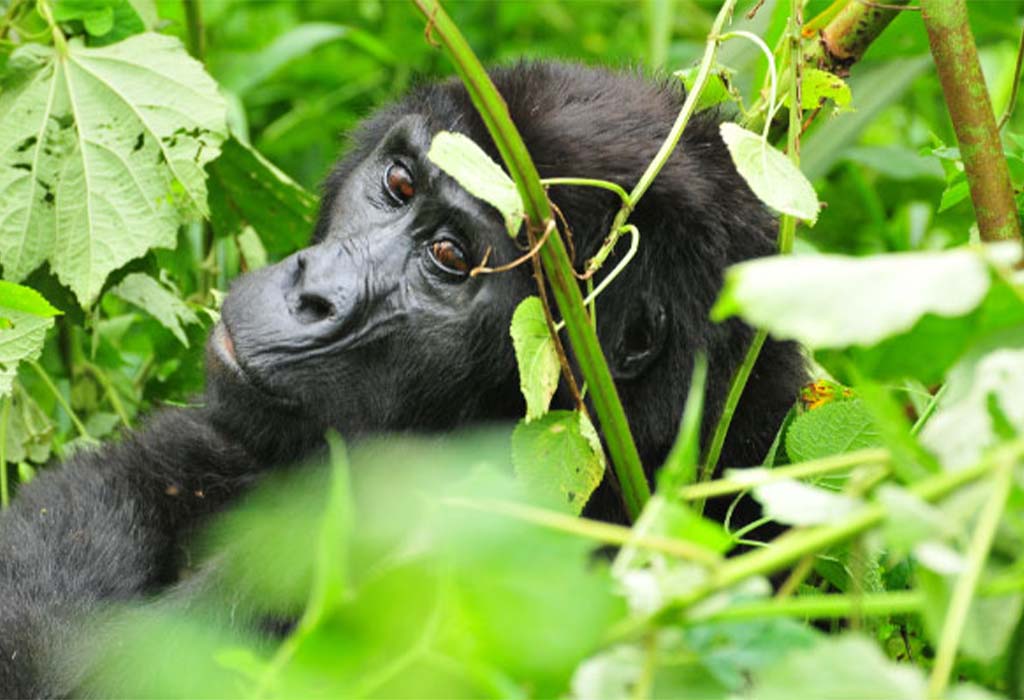
Gorilla habituation refers to the gradual process of accustoming wild mountain gorillas to human presence. Conservationists, researchers, and rangers carry it out carefully over several years. While it has become a powerful tool for protecting endangered mountain gorillas, it also sparks important debates about human interference in the wild, disease risks, and fairness to local communities who share these ecosystems.
When managed responsibly under strict scientific and ethical standards, gorilla habituation has played a vital role in saving one of the world’s most endangered primates. However, its ethical standing depends heavily on how well those standards are upheld in practice.
The Scientific Foundation of Ethical Habituation
A Controlled and Gradual Process
Ethical gorilla habituation does not happen overnight. Instead, it unfolds slowly over several years to minimize stress and disruption to the animals.
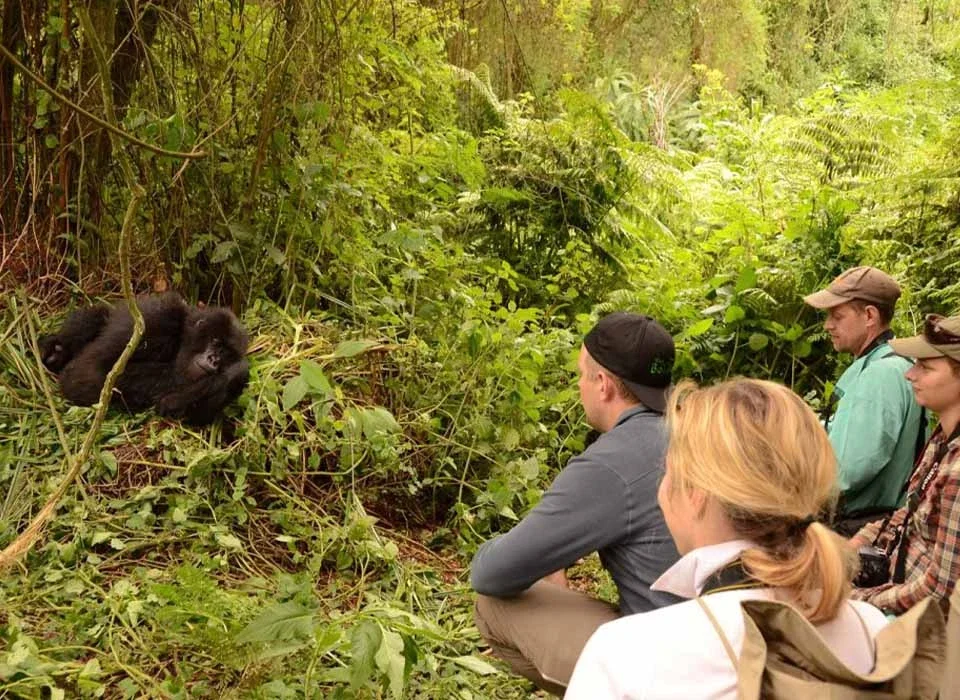
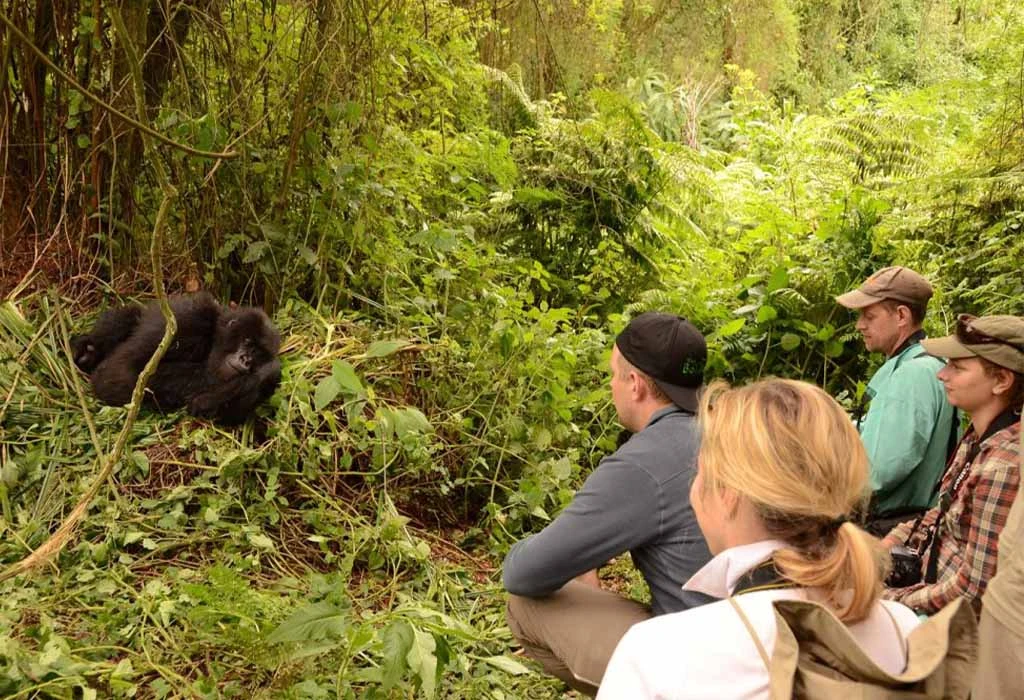
Researchers begin by observing gorilla families from a safe distance. Over time, they carefully reduce this distance only when the gorillas show signs of comfort and acceptance. Every step is intentional and based on behavioral responses rather than human convenience.
Throughout the process, scientists closely monitor feeding habits, social interactions, movement patterns, and reproductive behavior. If any signs of stress appear, they adjust or pause the process. This careful approach ensures that habituation supports gorilla welfare rather than undermines it.
Strengthening Long-Term Conservation
Habituated gorilla families provide conservationists with a unique opportunity to study and protect them more effectively. Because researchers can observe them regularly, they detect injuries, illnesses, or threats much earlier than would otherwise be possible.
This close monitoring has saved individual gorillas through timely medical intervention and snare removal. It also provides essential data on population trends, birth rates, and habitat use. These insights directly shape conservation strategies and strengthen long-term protection efforts.
Without habituation, much of this critical information would remain inaccessible.
Economic Value and Conservation Funding
Generating Revenue for Protection Efforts
Gorilla habituation permits are intentionally priced at a premium, often higher than standard trekking experiences. This exclusivity limits visitor numbers while generating significant revenue for conservation.
These funds directly support anti-poaching patrols, ranger salaries, equipment maintenance, and park operations. In many cases, habituation income has become one of the most reliable financial pillars for gorilla conservation programs.
By linking tourism value to wildlife protection, habituation creates a strong economic incentive to preserve gorilla habitats.
Supporting Local Communities
Revenue from gorilla habituation also extends beyond conservation parks into surrounding communities. Funds are invested in schools, healthcare facilities, clean water systems, and infrastructure development.
At the same time, tourism creates jobs in guiding, hospitality, transport, and craft production. This shift reduces dependence on activities that harm forests, such as illegal logging or poaching, while encouraging communities to actively support conservation.
As a result, gorilla protection becomes not just a conservation priority but an economic one as well.
Ethical Guidelines and Safety Protocols
Strong Regulatory Oversight
Authorities such as the Uganda Wildlife Authority enforce strict rules to ensure gorilla habituation remains safe and ethical. Visitor numbers are limited to very small groups to reduce disturbance. Time spent near gorillas is also carefully controlled to avoid overstressing the animals.
Health precautions are particularly strict. Visitors undergo screening before entering the forest, and anyone showing symptoms of illness is not allowed to participate. Masks are mandatory during encounters to reduce the risk of disease transmission.
These measures are essential because gorillas are highly vulnerable to human illnesses, many of which can be fatal to them.
Professional Monitoring in the Field
Experienced guides and trained researchers lead all habituation activities. Armed rangers accompany them to ensure both human and gorilla safety.
These teams are trained to read gorilla behavior and recognize early signs of discomfort or aggression. If necessary, they can end interactions immediately to protect the animals’ well-being.
This level of supervision ensures that ethical standards are not only written in policy but actively enforced in the field.
Addressing Ethical Concerns
Impact on Natural Behavior
One of the most common concerns is whether human presence changes gorilla behavior. Critics worry that habituation may alter feeding patterns, social structures, or territorial instincts.
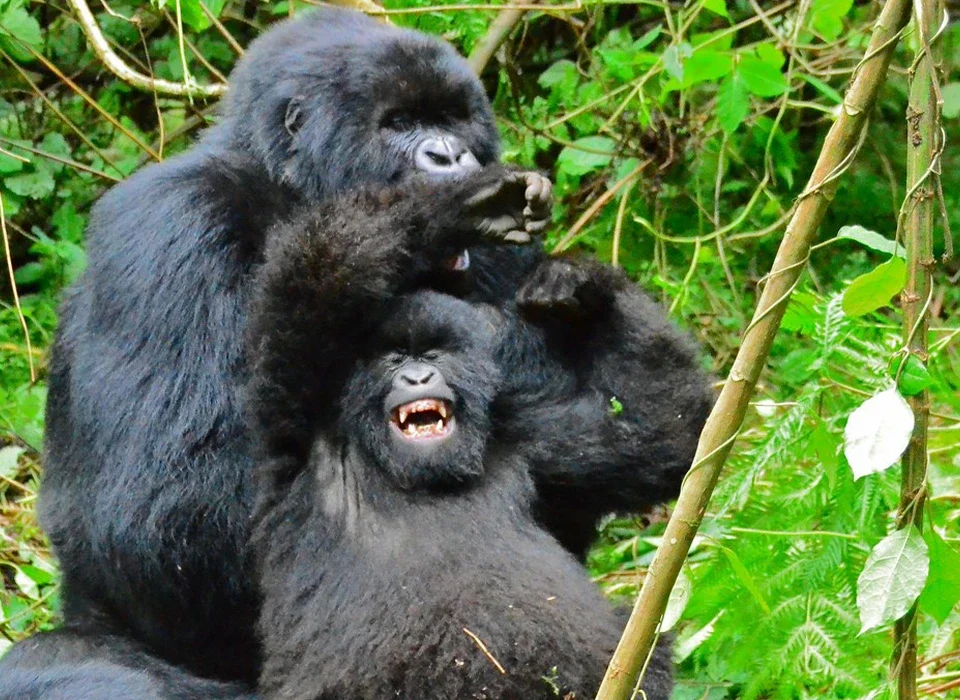
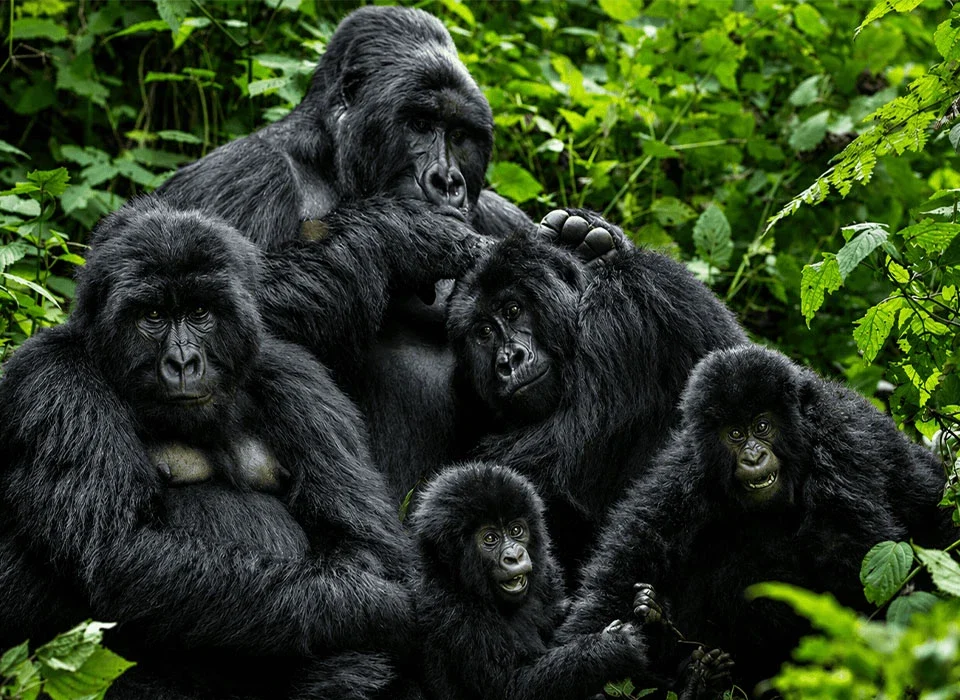
However, long-term research suggests that when properly managed, habituated gorillas continue to behave naturally. They maintain stable family structures, reproduce successfully, and forage in ways similar to non-habituated groups.
This indicates that careful habituation does not necessarily disrupt their natural way of life.
Risk of Disease Transmission
Disease transmission remains the most serious ethical concern. Because mountain gorillas share much of their DNA with humans, they are highly susceptible to human illnesses.
To reduce this risk, strict health protocols are enforced, including visitor screening, mask usage, and limited interaction time. Continuous veterinary monitoring also helps detect and respond to any health issues quickly.
While the risk cannot be eliminated entirely, it is actively managed through these precautions.
Historical Justice and Community Rights
The Legacy of Displacement
Ethical concerns extend beyond gorillas to include indigenous communities, particularly the Batwa people, who were displaced when protected areas were created. These communities historically lived within forest ecosystems and developed deep ecological knowledge over generations.
Their removal from ancestral lands remains one of the most sensitive issues in conservation history.
Moving Toward Inclusive Conservation
Modern conservation efforts increasingly recognize the importance of involving local and indigenous communities. Employment opportunities as guides, trackers, and cultural interpreters help integrate traditional knowledge into tourism and conservation.
However, many argue that more needs to be done. True ethical conservation should include fair benefit-sharing, cultural recognition, and participation in decision-making processes, not just economic compensation.
A more inclusive model ensures that conservation protects both wildlife and the rights of the people who once lived alongside it.
Conclusion: Is Gorilla Habituation Ethical?
Gorilla habituation is largely considered ethical when it is carried out under strict scientific supervision, strong regulatory frameworks, and responsible tourism practices. It has played a crucial role in saving mountain gorillas from extinction, funding conservation programs, and supporting local economies.
However, its ethical legitimacy is not absolute. It depends on continuous improvement, especially in managing disease risks and addressing historical injustices faced by indigenous communities.
In the end, gorilla habituation is not just about wildlife it is about finding a careful balance between protecting endangered species, respecting human communities, and preserving the integrity of natural ecosystems.