
Cultural Sites and Safaris in Rwanda
April 30, 2026
A Thoughtfully Designed Women Safari
May 1, 2026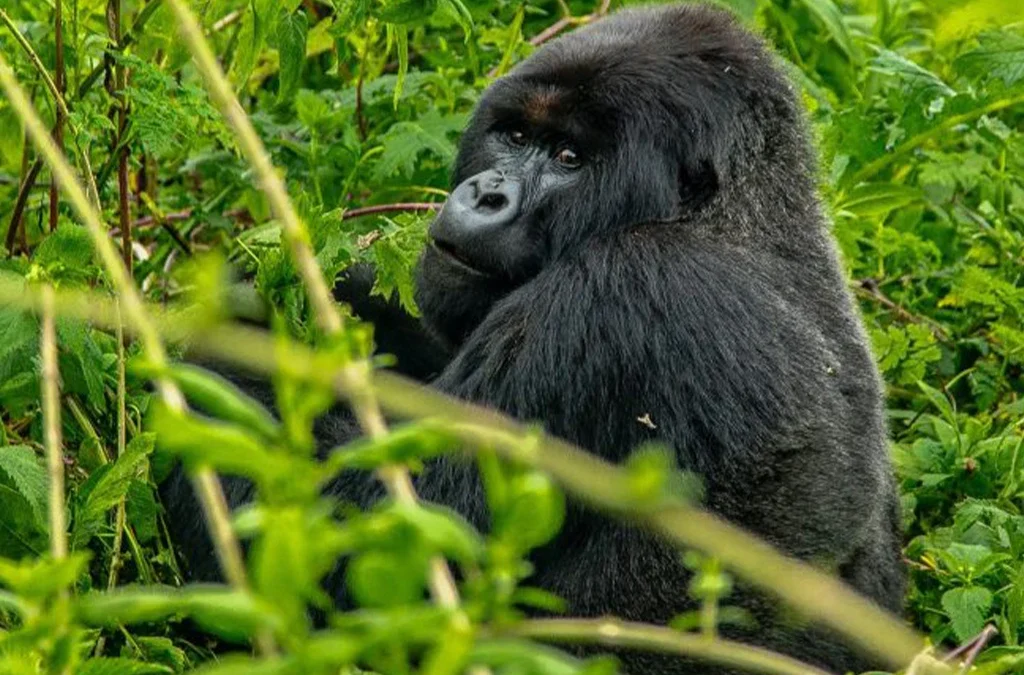
Bwindi Impenetrable National Park, one of Uganda’s most iconic wildlife destinations, often raises an important question among travelers: Is it safe to visit? This concern is understandable, especially for those planning a once-in-a-lifetime gorilla trekking experience. Having closely followed tourism developments in Uganda and experienced how gorilla safaris are organized on the ground, it is clear that Bwindi today stands as a safe, well-managed, and highly protected destination.
Understanding Past Concerns and Present Reality
Many safety concerns about Bwindi trace back to the tragic 1998 incident, when insurgents attacked a group of tourists. While this event left a lasting impression, it is important to recognize how much has changed since then. The Ugandan government responded decisively by strengthening park security, increasing ranger presence, and implementing strict monitoring systems across the region.
Today, Bwindi operates under tight security protocols. Authorities have removed unauthorized access to the park, and security agencies continuously monitor the surrounding areas. As a result, travelers now visit Bwindi with confidence, and tourism continues to thrive without disruption.
More recently, the killing of Rafiki, the silverback leader of the Nkuringo group, raised fresh concerns. However, this was an isolated poaching incident, not a targeted attack on tourists. The individuals responsible were quickly apprehended, reinforcing the government’s zero-tolerance approach to wildlife crime. Since then, conservation enforcement has only become stricter, further strengthening visitor safety.
Security Measures During Gorilla Trekking
Gorilla trekking in Bwindi is one of the most organized wildlife experiences in Africa. From the moment visitors arrive, park authorities ensure that every step of the journey follows strict safety guidelines.
Each trekking group receives an early morning briefing where rangers explain safety rules, trekking expectations, and gorilla behavior. Afterward, experienced guides lead visitors into the forest, accompanied by armed rangers and, in some cases, tourist police. Their role is to ensure protection from both wildlife and any unlikely external threats.
In addition, advanced tracker teams head into the forest before visitors set out. These teams locate gorilla families and communicate their positions using radio and GPS systems. This coordinated approach not only increases the chances of sightings but also ensures that trekking routes remain safe and well-managed.
Regional Stability and Border Proximity
Bwindi lies in southwestern Uganda, near the borders of Rwanda and the Democratic Republic of Congo. While regional headlines sometimes highlight instability in parts of eastern Congo, this does not affect tourism activities in Bwindi.
The park itself remains secure, and cross-border tourism between Uganda and Rwanda continues without disruption. Travelers regularly combine Bwindi with Rwanda’s Volcanoes National Park or Mgahinga Gorilla National Park in Uganda, all of which maintain strong security coordination.
From a practical standpoint, visitors on organized safaris with Experiya Tour Company experience seamless travel arrangements, including secure transport, guided transitions, and carefully selected accommodations.
Best Time to Visit Bwindi for Gorilla Trekking
Although Bwindi remains open year-round, timing your visit can influence both cost and trekking conditions. The months of April, May, and November fall within the low season. During this time, gorilla permits often cost less than peak-season rates, making the experience more affordable.
However, these months also bring heavier rainfall, which can make trails muddy and more challenging. On the other hand, the dry seasons, from June to September and December to February, offer easier hiking conditions and clearer forest paths.
Regardless of when you visit, Bwindi’s dense rainforest remains lush and beautiful, providing a dramatic setting for gorilla encounters.
Where to Stay in Bwindi
Bwindi features four main trekking sectors: Buhoma and Ruhija in the north, and Rushaga and Nkuringo in the south. Each sector offers a variety of accommodation options, ranging from budget lodges to luxury eco-retreats.
In Buhoma, lodges sit close to the park headquarters, offering convenient access to trekking starting points. Ruhija provides a quieter, more remote atmosphere, ideal for travelers seeking solitude and birdwatching opportunities.
Meanwhile, Rushaga and Nkuringo in the south offer spectacular views of the Virunga Mountains. These sectors also host gorilla habituation experiences, allowing visitors to spend extended time observing gorilla families.
Experiya Tour Company helps match travelers with accommodations based on their trekking sector, budget, and comfort preferences, ensuring a smooth and enjoyable stay.
Physical Fitness and Trekking Experience
Gorilla trekking in Bwindi requires a reasonable level of physical fitness. The terrain includes steep hills, dense vegetation, and sometimes slippery trails, especially during the rainy season. Treks can last anywhere from two to six hours, depending on the location of the gorilla family.
That said, rangers assign trekking groups based on fitness levels and preferences. Those who prefer shorter hikes can request closer gorilla families, while more adventurous hikers can opt for longer treks.
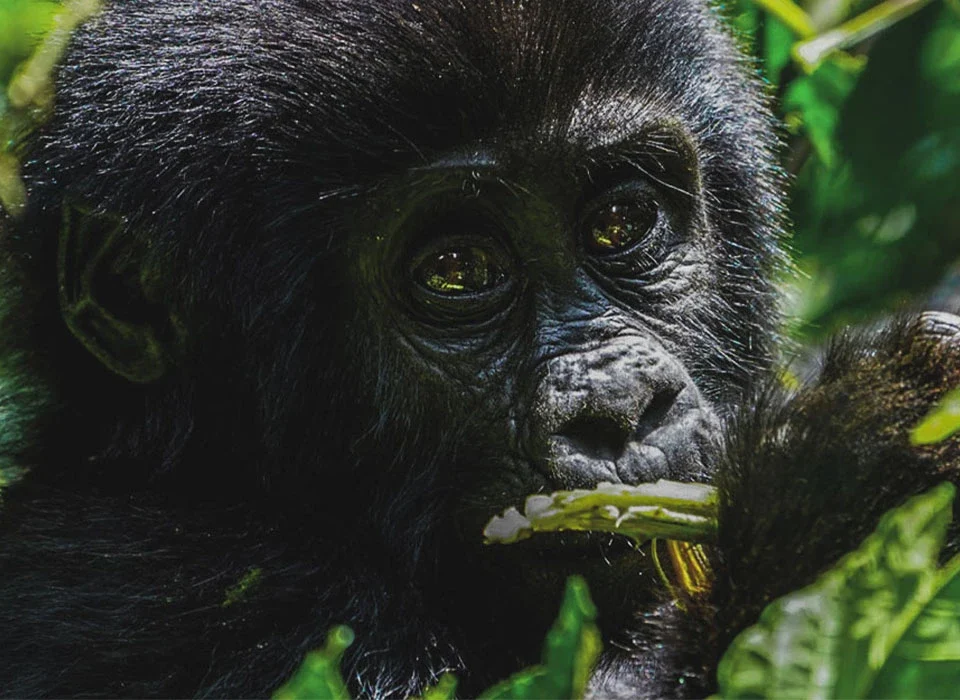
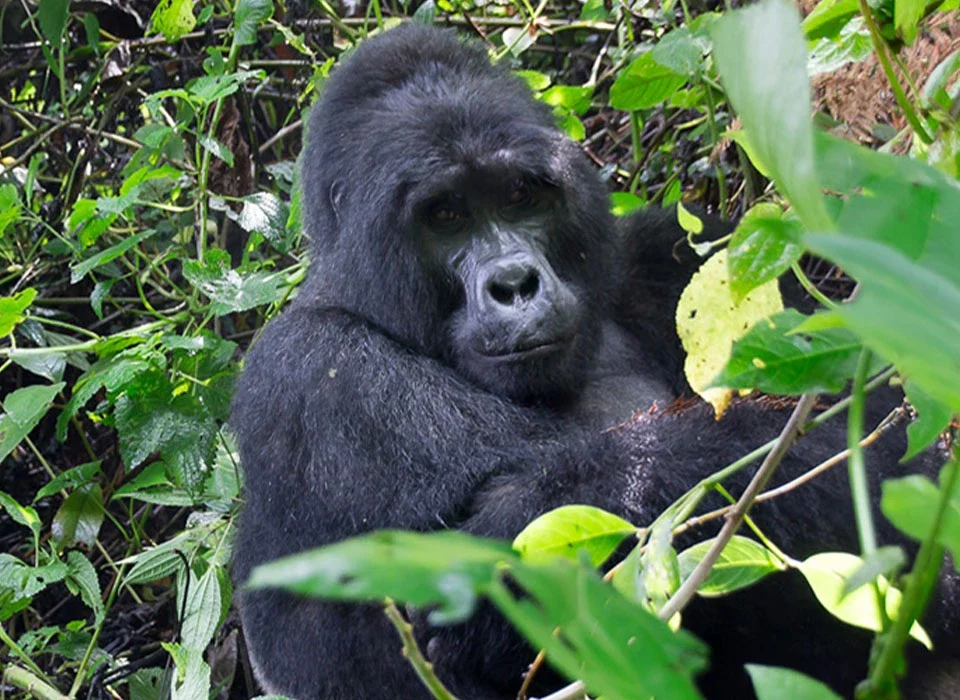
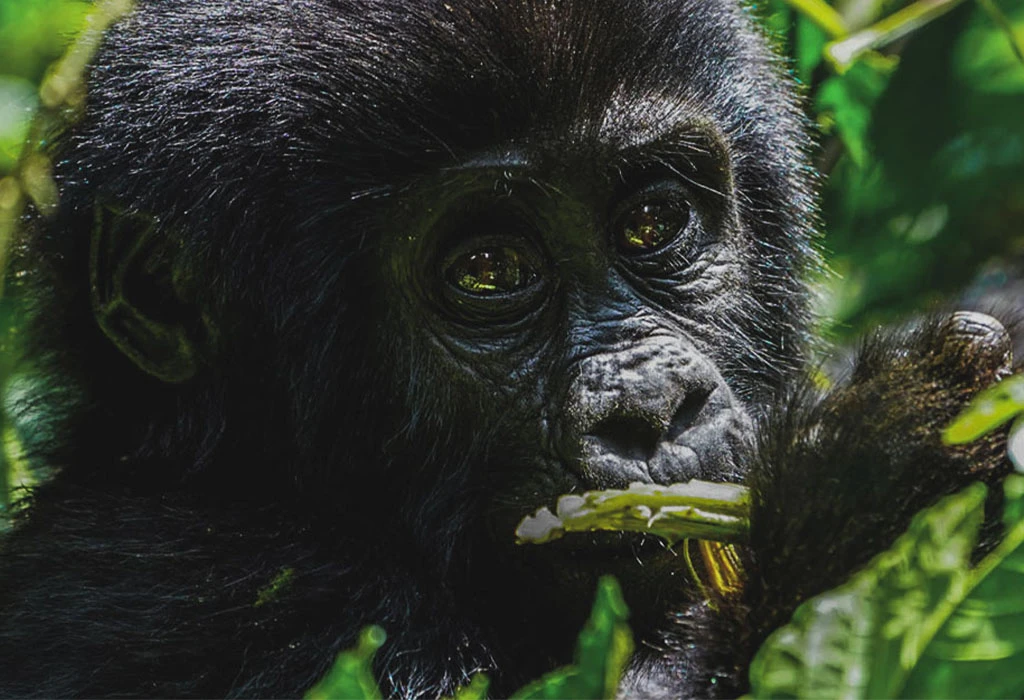
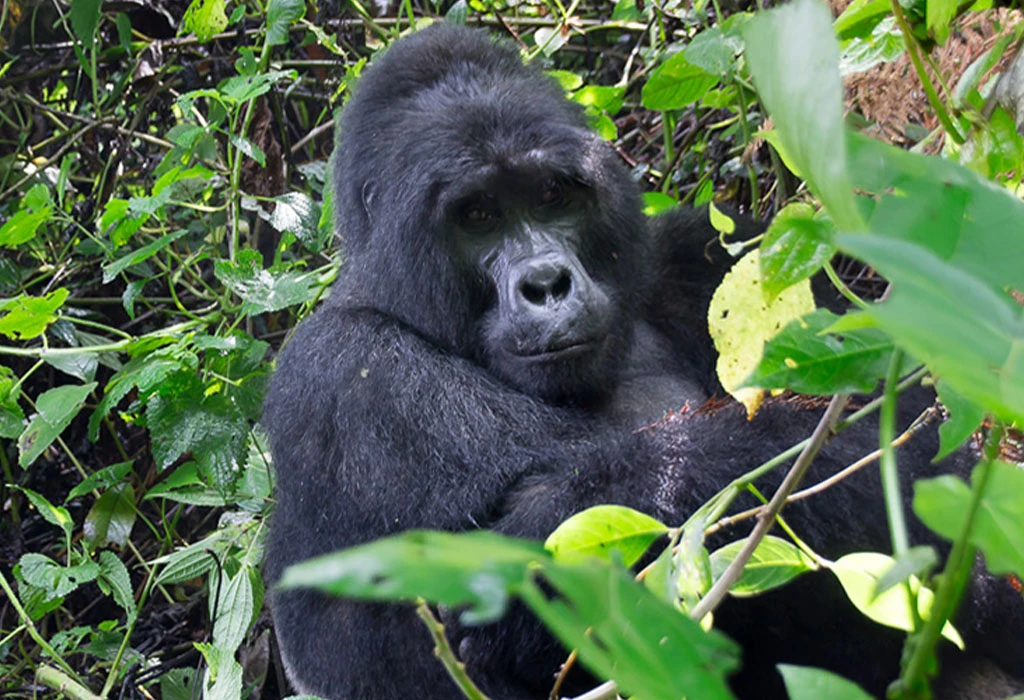
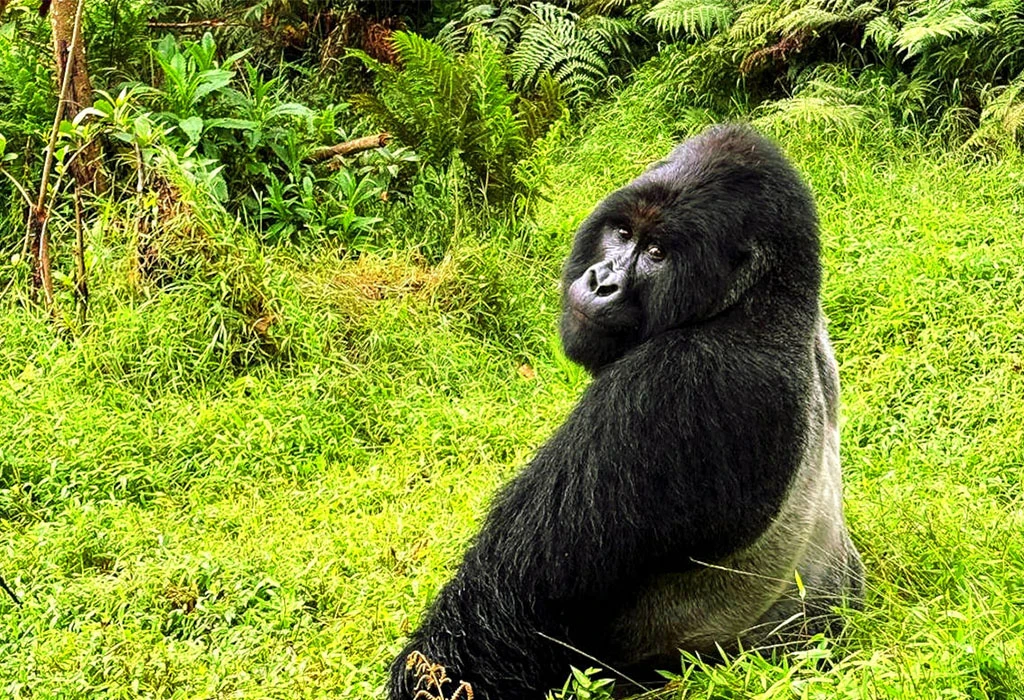
The effort, however, proves worthwhile. Standing just meters away from a mountain gorilla family, observing their interactions and gentle nature, creates a deeply moving and unforgettable experience.
Chances of Seeing Mountain Gorillas
Although Bwindi is not a zoo, the chances of seeing mountain gorillas remain remarkably high. On most treks, visitors have over a 95 percent chance of encountering a habituated gorilla family.
Thanks to the advanced tracking teams, sightings often exceed expectations. In many cases, visitors locate gorillas within a few hours, sometimes even sooner. This reliability makes Bwindi one of the best places in the world for gorilla trekking.
Getting to Bwindi National Park
Reaching Bwindi requires some planning, but the journey itself forms part of the adventure. Travelers can access the park by road or air, depending on their schedule and budget.
By road, the drive from Kampala or Entebbe takes approximately eight to ten hours. Many travelers break the journey with stops at scenic locations such as Lake Mburo National Park or the Ishasha sector of Queen Elizabeth National Park.
Alternatively, domestic flights offer a faster option. Visitors can fly from Entebbe International Airport or Kajjansi Airfield to Kihihi or Kisoro airstrips. From there, it takes a short drive to the respective trekking sectors.
Experiya Tour Company typically arranges both road transfers and domestic flights, ensuring a stress-free journey from arrival to departure.
Final Thoughts on Safety in Bwindi
Bwindi Impenetrable National Park is not only safe for visitors but also one of the most carefully managed conservation areas in Africa. Strong security presence, well-trained guides, and organized trekking systems create a secure environment for travelers.
While past incidents and isolated events may raise understandable concerns, they do not reflect the current reality on the ground. Today, thousands of visitors trek with gorillas in Bwindi every year without incident, enjoying one of the most extraordinary wildlife encounters on Earth.
For anyone considering gorilla trekking, Bwindi offers not just safety but also authenticity, adventure, and a profound connection with nature.