The Best Wildlife Experiences in Murchison Falls National Park
April 27, 2026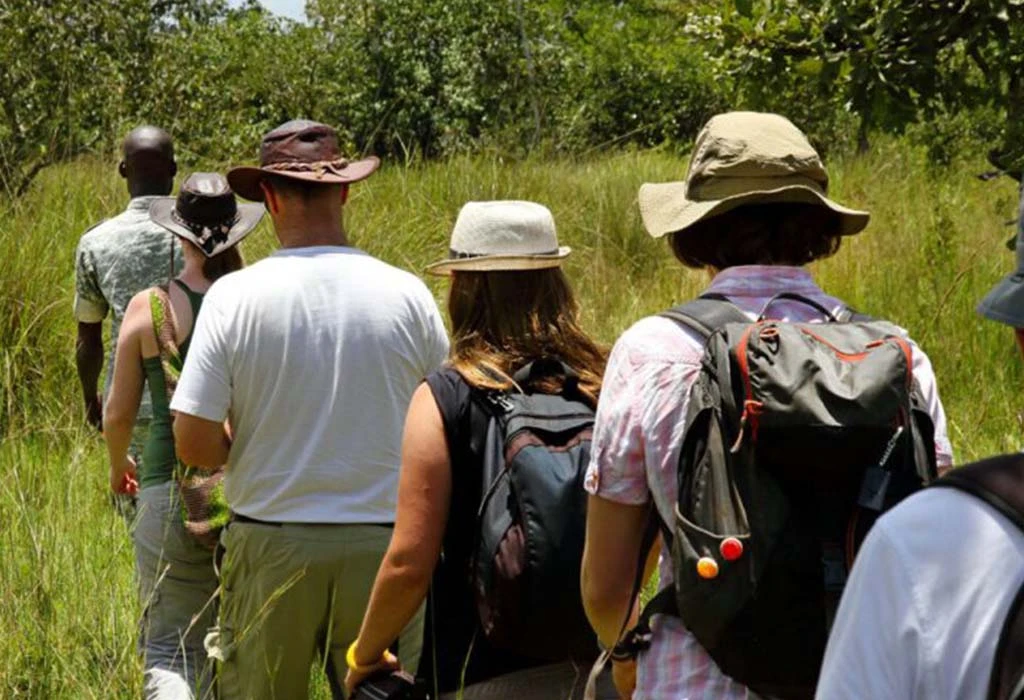
Walking Safaris in Murchison Falls National Park
April 28, 2026
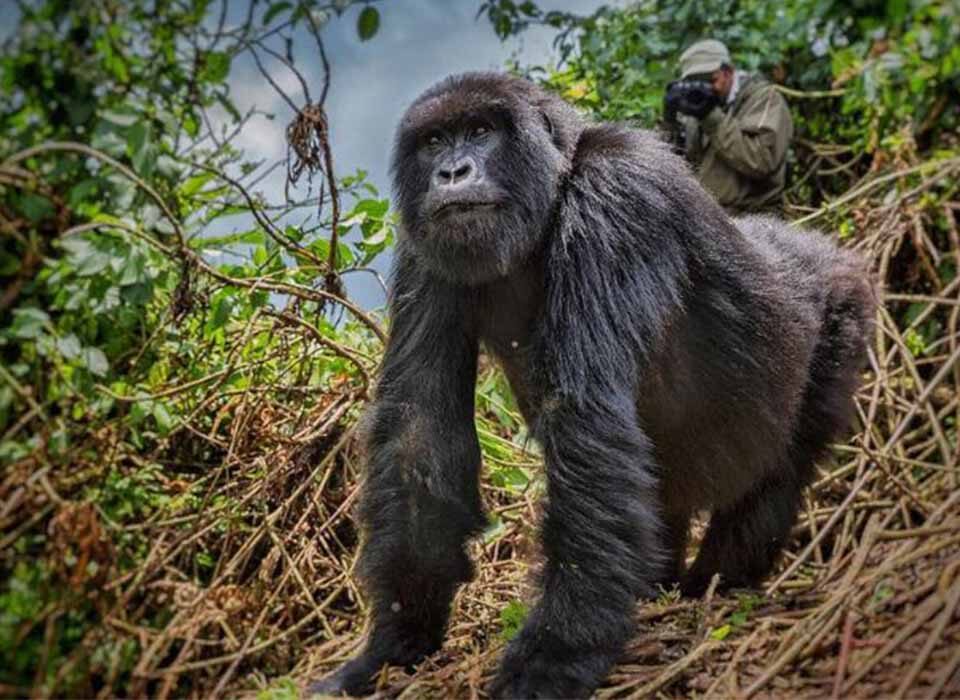
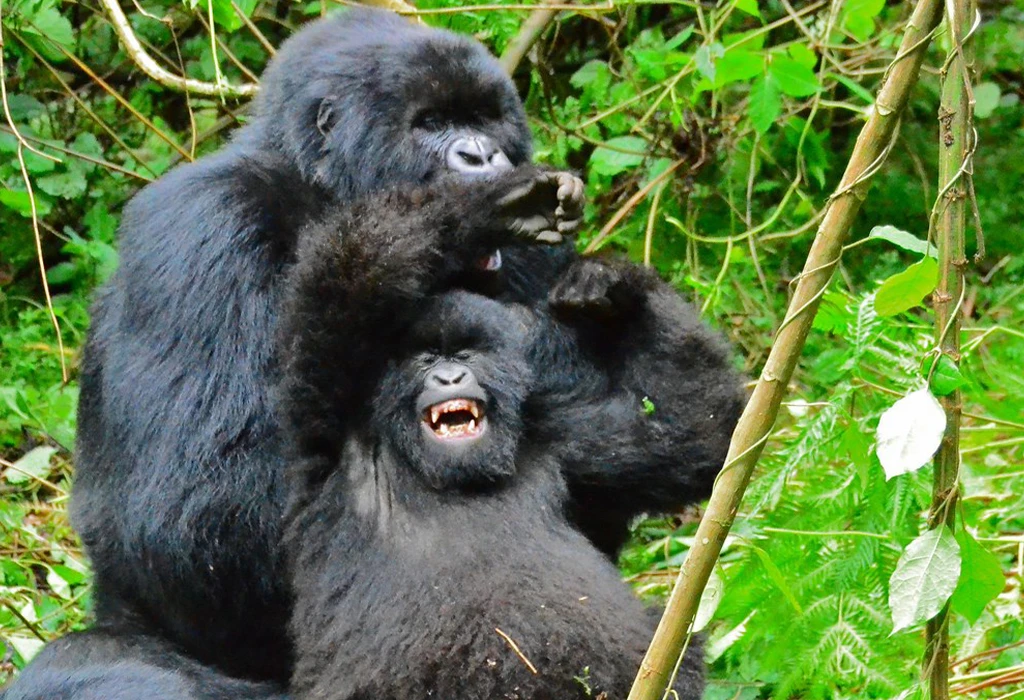
Gorilla trekking is one of Africa’s most powerful wildlife experiences, and age does not have to stand in the way of enjoying it. In Uganda and Rwanda, anyone aged 15 and above can participate, including elderly travelers. From my experience organizing and guiding these safaris, I have seen older guests successfully trek and enjoy unforgettable moments with mountain gorillas. The key lies in thoughtful planning, honest communication, and a well-paced itinerary.
Although trekking through forested hills can be physically demanding, there are several ways to make the experience both manageable and deeply rewarding for older travelers.
Book Your Gorilla Permit Early
To begin with, securing a gorilla permit is the foundation of your safari. Permits in both Uganda and Rwanda are limited and often sell out months in advance. For that reason, I always advise travelers to confirm their permits as early as possible.
At Experiya Tour Company, we usually check availability based on your preferred dates and proceed with reservations once payment is made. More importantly, you should clearly communicate your age, fitness level, and any health concerns during booking. This allows rangers to allocate you to a gorilla family that is easier to reach, making the trek less strenuous.
Choose Accommodation That Prioritizes Comfort
Where you stay can significantly shape your overall experience. For elderly travelers, I strongly recommend lodges with ground-level rooms or minimal stairs. Some properties in gorilla trekking regions are built on steep terrain, and accessing upper rooms can be challenging.
Equally important, book accommodation close to your trekking sector. This reduces early morning travel stress and ensures you arrive relaxed for the pre-trek briefing. In places like Bwindi Impenetrable National Park, proximity to your assigned sector makes a noticeable difference.
Avoid Tight or Back-to-Back Itineraries
Pacing is everything. A rushed itinerary can quickly turn an exciting safari into an exhausting experience. Instead of scheduling activities back-to-back, allow at least one rest day before or after trekking.
Traveling to destinations like Bwindi often involves long drives on uneven roads, which can be tiring, especially for elderly guests. Giving the body time to recover helps maintain energy and enjoyment throughout the journey.
Travel in a Comfortable and Spacious Vehicle
The journey to the trekking destination is part of the adventure, but it should also be comfortable. I always recommend using a well-maintained 4×4 safari vehicle with enough legroom and window seats.
For Uganda, where drives to Bwindi can take up to eight hours, comfort becomes even more essential. A smooth, well-paced journey ensures that you arrive ready for the trek rather than fatigued.
Keep the Group Small and Supportive
Group dynamics matter more than many people realize. While traveling with others can be enjoyable, large or mixed-age groups may unintentionally create pressure.
From experience, smaller groups tend to offer a more relaxed pace and better support for elderly travelers. If possible, consider a private or customized safari. This allows flexibility and ensures the trek proceeds at a comfortable rhythm.
Arrange Additional Support When Needed
For those with limited mobility, support options are available and highly effective. Sedan chairs (also known as stretchers) carried by trained porters can assist travelers through difficult sections of the forest.
Even for those who can walk, hiring a porter is incredibly helpful. They assist with balance, carry bags, and provide encouragement along the way. In many cases, this small addition makes a big difference in overall comfort and confidence.
Pack Thoughtfully for the Trek
Packing the right gear enhances both comfort and safety. From what I’ve seen in the field, proper preparation can completely change how enjoyable the trek feels.
Wear long-sleeved shirts and trousers to protect against insects and vegetation. Good hiking boots with grip are essential, especially on muddy or steep terrain. A lightweight rain jacket is equally important, as the weather in the park can change quickly.
In addition, carry a small backpack with water, snacks, and personal essentials. Items like insect repellent, gardening gloves, and a wide-brimmed hat also come in handy. A walking stick, often provided at the park headquarters, offers extra stability.
Stay Active Before Your Trip
Physical preparation does not have to be intense, but it helps. Simple activities like walking, stretching, or light hiking before your trip can improve endurance and flexibility.
Gorilla trekking can take anywhere from a couple of hours to most of the day, depending on the gorillas’ location. Being physically prepared makes the experience far more enjoyable and less tiring.
Understand and Respect Trekking Guidelines
Before heading into the forest, it is important to understand the rules that protect both visitors and gorillas. These guidelines are strictly enforced and play a crucial role in conservation.
For instance, always maintain a safe distance of at least eight meters from the gorillas. Keep your voice low, avoid sudden movements, and never feed the animals. If you feel unwell, especially with contagious illnesses, you should not participate in the trek.
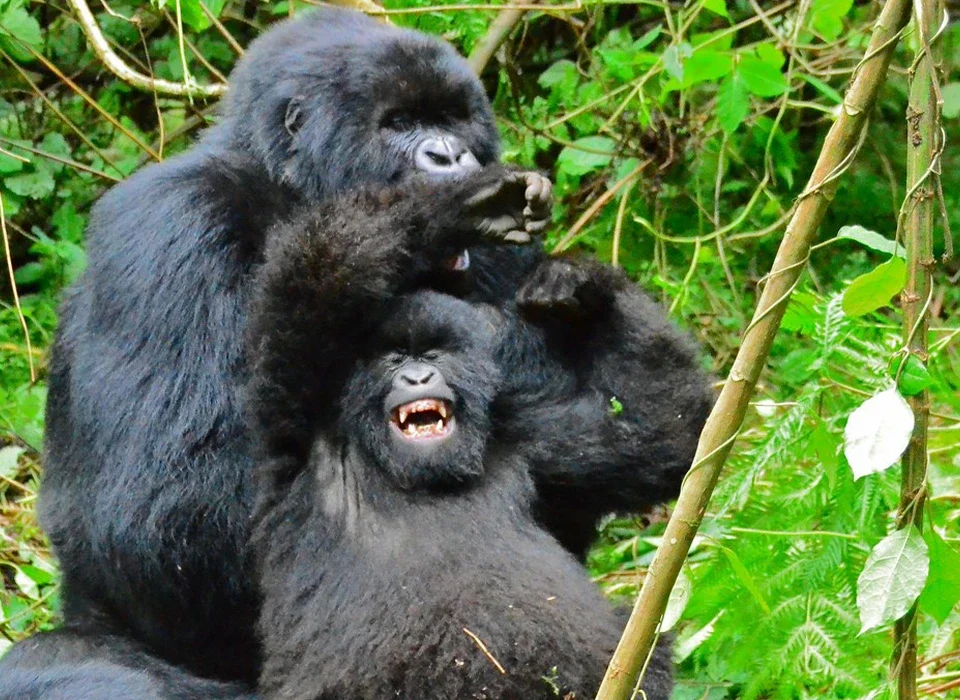
You will spend a maximum of one hour with the gorillas once they are located. Although it may feel short, that hour is incredibly powerful and often becomes the highlight of the entire safari.
Final Thoughts
Organizing a gorilla trekking safari for an elderly traveler requires care, but it is entirely achievable. With the right preparation, pacing, and support, the experience becomes not only manageable but deeply fulfilling.
At Experiya Tour Company, I have witnessed older travelers stand face-to-face with mountain gorillas, often describing it as one of the most meaningful moments of their lives. With thoughtful planning and realistic expectations, age becomes just a number in the presence of these gentle giants.