Gorilla Habituation Booking Considerations in Uganda
April 22, 2026
The Best Time to Spot the Shoebill Stork in Mabamba Swamp
April 22, 2026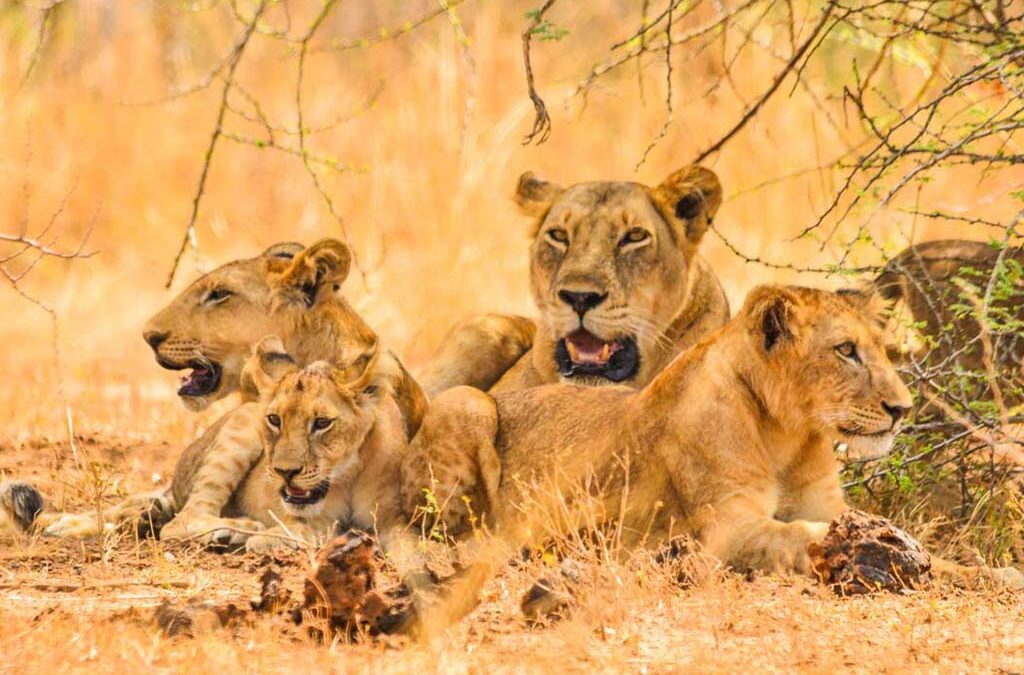
A Big Five safari in Queen Elizabeth National Park delivers one of Uganda’s most rewarding wildlife experiences. This vast protected area combines classic African savanna scenery with wetlands, crater lakes, and tropical forests, creating a rich habitat for iconic wildlife species. While visitors may not encounter every member of the traditional Big Five in equal abundance, they can reliably spot lions, elephants, buffalo, and leopards, along with an extraordinary variety of other animals.
What makes this park truly unforgettable is not just the presence of the Big Four, but the unique behaviors and ecosystems that shape every safari moment. From tree-climbing lions in Ishasha to dense hippo populations along the Kazinga Channel, Queen Elizabeth National Park offers a safari experience that feels both raw and diverse.
A Landscape Shaped by the Rift Valley
Queen Elizabeth National Park stretches across nearly 1,978 square kilometers in western Uganda, sitting within the Albertine Rift Valley. This location gives the park its dramatic scenery and ecological diversity. As you travel through the park, the landscape shifts constantly, keeping every game drive visually engaging.
In the north, the Kasenyi plains open into wide savanna grasslands dotted with acacia trees. These plains support large herds of herbivores and attract predators that follow them. As you move south toward Ishasha, the environment changes into riverine forests and fig tree woodlands. This area feels quieter, more secluded, and offers a very different wildlife experience.
At the heart of the park lies the Kazinga Channel, a natural waterway that connects Lake Edward and Lake George. This channel acts as a lifeline for wildlife, drawing animals to its banks throughout the day. Because of this diversity, Queen Elizabeth National Park offers one of the most complete safari ecosystems in East Africa.
Lions: The Famous Tree-Climbers of Ishasha
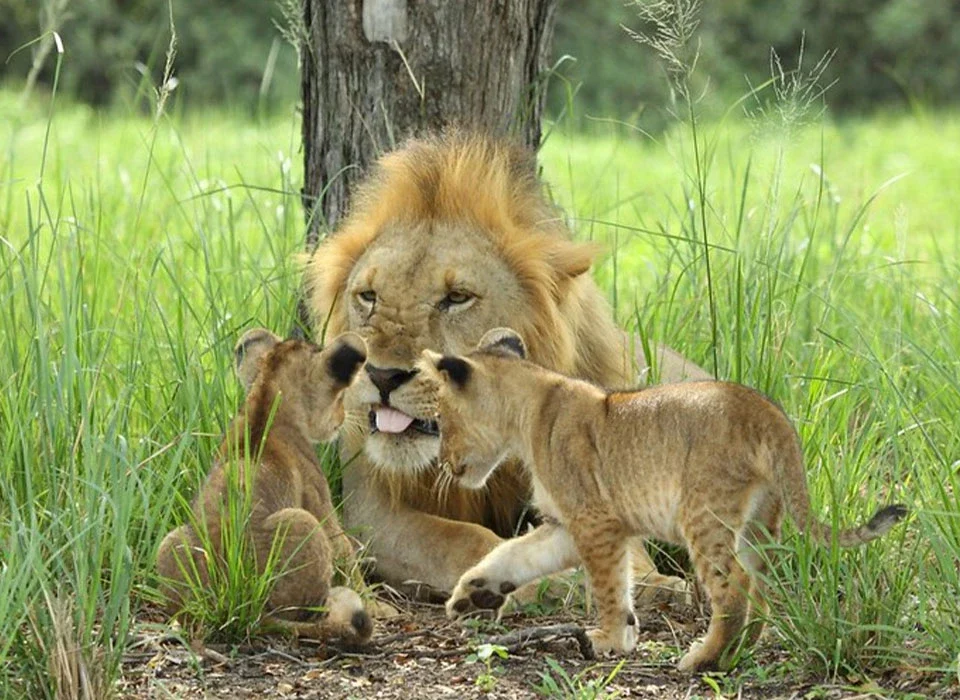
Lions remain one of the most exciting highlights of a safari in Queen Elizabeth National Park. The park hosts several prides spread across different regions, each adapted to its environment.
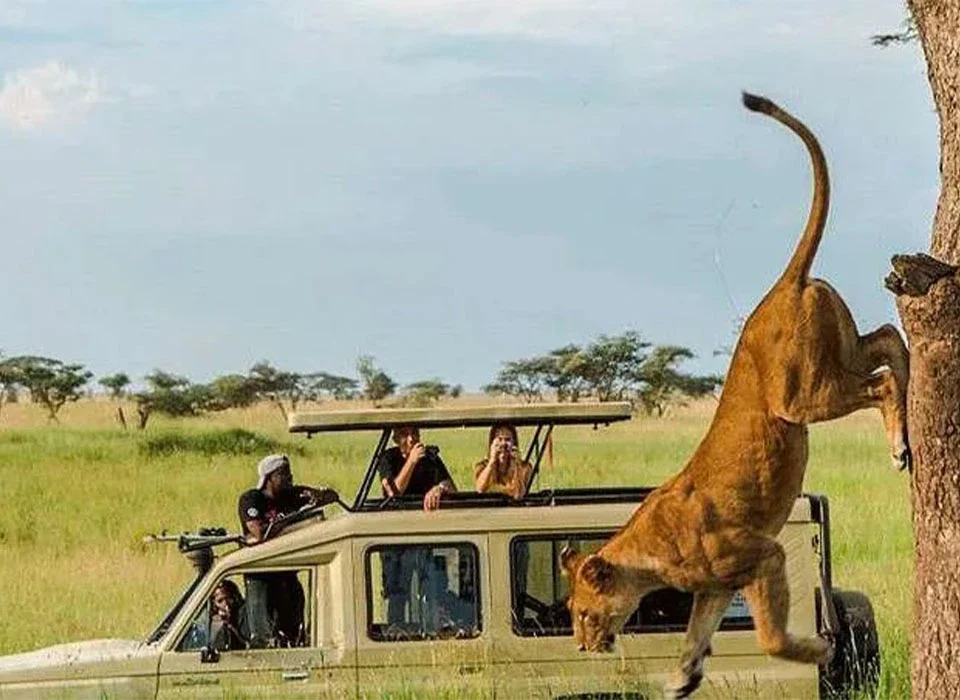
In the Ishasha sector, lions have developed a rare and fascinating behavior: they climb trees. Unlike most lions in Africa, these prides regularly rest in large fig trees, especially during hot midday hours. When you see a lion draped across a branch, it almost feels unreal. This behavior likely helps them avoid ground heat, escape biting insects, and gain a better view of surrounding prey.
Meanwhile, in the Kasenyi plains, lions behave more traditionally. They hunt Uganda kob and other antelopes in open grasslands. If you join an early morning game drive, you may witness predator-prey interactions unfold across the savanna. These moments reveal the raw survival dynamics that define African wilderness.
Elephants: Gentle Giants of the Park
Elephants roam freely across Queen Elizabeth National Park in large numbers. You may encounter family herds moving slowly through the savanna or gathering near water sources to drink and bathe.
These elephants play a vital ecological role. As they move through the park, they push down trees, open pathways, and shape vegetation patterns. This behavior helps maintain the balance between forested and open landscapes.
During dry seasons, elephants often concentrate around the Kazinga Channel, where water remains available year-round. Watching a herd interact, especially calves staying close to their mothers, offers one of the most touching wildlife scenes in the park. Older matriarchs lead these groups with calm authority, guiding them to feeding and watering areas.
Buffalo: Powerful Herds Across the Plains
African buffaloes appear throughout Queen Elizabeth National Park in impressive numbers. These strong, unpredictable animals often move in large herds that stretch across open grasslands.
Buffalo herds maintain complex social structures. They rely on group protection, especially when lions are nearby. You may observe them forming defensive circles around calves when predators approach.
Their grazing habits also shape the ecosystem. By feeding on grasses and clearing vegetation, buffalo help maintain open habitats that benefit other herbivores. During game drives, large herds crossing the road often create dramatic safari moments that highlight the park’s wild character.
Leopards: The Elusive Hunters
Leopards add mystery to any Big Five safari in Queen Elizabeth National Park. Unlike lions or buffalo, leopards remain extremely difficult to spot due to their solitary and nocturnal behavior.
However, experienced guides often track them in the Kasenyi plains and nearby woodland areas. Early mornings and late evenings offer the best chance of sightings, especially when leopards move through tall grasses or rest in acacia trees.
Leopards in this park demonstrate remarkable adaptability. They hunt antelopes, monkeys, and smaller mammals, and they often drag their prey into trees to avoid competition from lions and hyenas. Each sighting feels special because it requires patience, timing, and a bit of luck.
The Kazinga Channel: A Wildlife Magnet
The Kazinga Channel stands out as one of the most productive wildlife viewing areas in Africa. A boat safari along this 40-kilometer waterway reveals dense concentrations of animals in a way that land safaris cannot match.
Hundreds of hippos crowd the shallow waters, creating constant movement and sound. Nile crocodiles lie motionless along the banks, waiting for opportunities. Elephants frequently arrive to drink, bathe, or cross between feeding grounds.
As your boat moves slowly along the channel, you also witness buffalo herds gathering at the shoreline and a wide variety of bird species flying overhead. This combination of aquatic and terrestrial wildlife creates a dynamic safari experience that feels alive at every moment.
Antelopes and Herbivore Diversity
Queen Elizabeth National Park supports a wide variety of antelope species that form the foundation of the ecosystem. Uganda kob dominate the Kasenyi plains and serve as the main prey for lions. Their constant movement across the grasslands creates energy and motion throughout the savanna.
Topis add elegance with their speed and agility, while waterbucks stay closer to rivers and wetlands. Bushbucks prefer forested areas, making them harder to spot but rewarding for attentive observers.
This diversity ensures that every game drive reveals something new, even in familiar areas.
Primates in Forested Areas
Beyond the savanna, Queen Elizabeth National Park also offers excellent primate encounters. Kyambura Gorge, often called the “Valley of Apes,” shelters a small but fascinating population of chimpanzees.
As you descend into this lush, forested canyon, the environment changes dramatically. Dense vegetation, flowing streams, and steep slopes create a hidden world where chimpanzees move through the canopy and forest floor.
Maramagambo Forest also supports primates and offers additional opportunities for guided forest walks. These experiences add depth to the safari by showcasing Uganda’s rich biodiversity beyond large mammals.
Safari Activities That Bring the Park to Life
Game drives remain the most popular activity in Queen Elizabeth National Park. Morning drives reveal active predators and grazing herbivores, while evening drives offer golden light and dramatic scenery.
Boat safaris along the Kazinga Channel provide a completely different perspective, focusing on aquatic life and shoreline interactions. This combination of land and water safaris makes the park especially rewarding.
Guided tracking experiences also enhance the safari. Expert guides interpret animal tracks, behaviors, and sounds, helping you understand the natural rhythms of the wilderness.
When to Visit for the Best Safari Experience
The dry seasons, from June to October and December to February, offer the best wildlife viewing conditions. During this time, animals gather around water sources, and vegetation becomes thinner, improving visibility.
However, the wet season also has its advantages. The park becomes greener, birdlife increases, and fewer tourists create a more private experience. Photographers often appreciate the dramatic skies and vibrant landscapes during this period.
A Safari That Blends Diversity and Drama
A Big Five safari in Queen Elizabeth National Park goes beyond simple wildlife viewing. It combines dramatic landscapes, rare animal behaviors, and diverse ecosystems into a single unforgettable journey. From tree-climbing lions to hippo-filled channels, every moment reveals something unique.
When you explore this park with the right timing and guidance, you don’t just see wildlife, you experience the living rhythm of one of Africa’s most dynamic safari destinations.