
Uganda Cycling Tours and Safaris
August 17, 2026
How Long Do Hippos Live? A Life Journey with Africa’s Mighty River Giants
August 17, 2026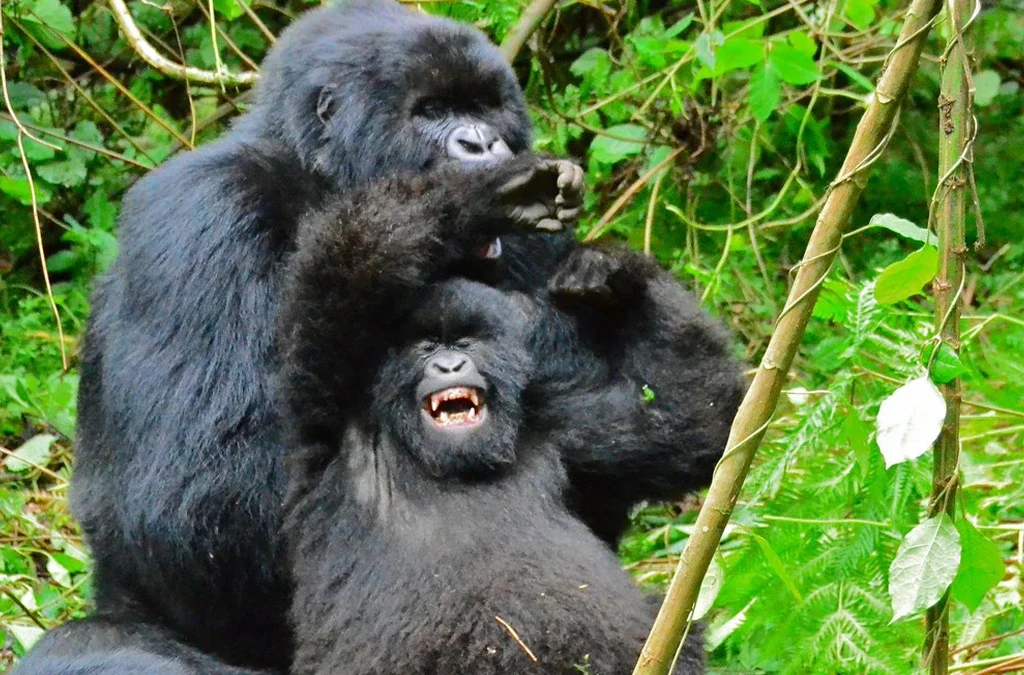
Gorillas are among the most fascinating animals on Earth. Known for their impressive strength, intelligence, gentle nature, and complex social relationships, these great apes share many characteristics with humans. They live in close-knit family groups, communicate through a variety of sounds and body movements, care for their young, and develop strong social bonds.
But how long do gorillas live?
In general, gorillas can live for around 35 to 40 years in the wild, although some individuals can survive into their 40s. Gorillas living under human care may live considerably longer because they receive regular veterinary attention, reliable food, protection from predators, and other forms of specialized care. Some captive gorillas have reached their 50s and 60s.
However, lifespan varies according to the gorilla’s species and subspecies, health, habitat, food availability, disease exposure, social environment, and human activity. Understanding these factors also helps explain why protecting gorillas and their natural habitats is so important.
Gorilla Lifespan in the Wild
Life in the wild presents many challenges for gorillas. Although adult gorillas are powerful animals with few natural predators, they still face disease, injuries, food shortages, habitat loss, and conflicts caused by human activity.
Most wild gorillas live for approximately 35 to 40 years. Some may live longer when they remain healthy and benefit from stable social groups and suitable habitats.
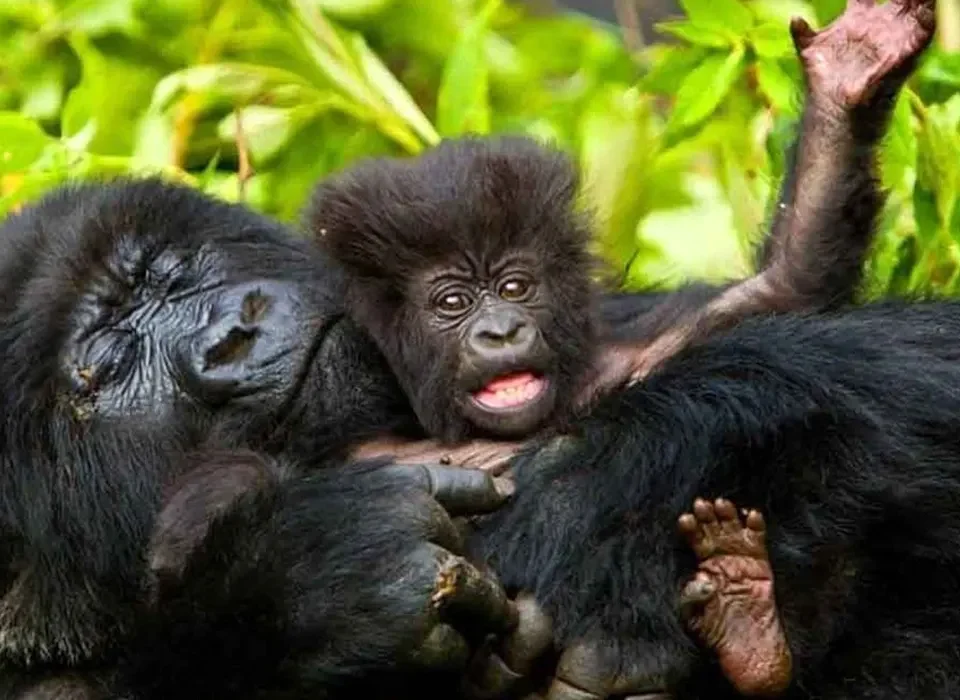
Young gorillas face greater risks than adults. Very young individuals may be vulnerable to predators, injuries, illness, and competition for resources. As gorillas grow older, they may also experience health problems associated with aging.
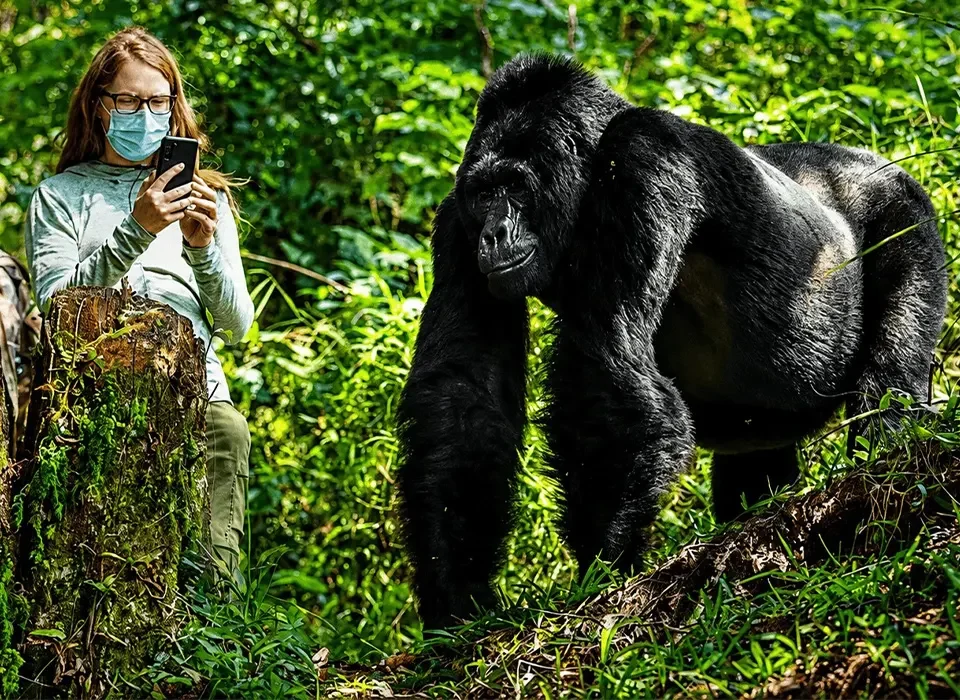
For mountain gorillas in particular, researchers and conservation teams closely monitor habituated groups. This monitoring makes it possible to identify illnesses and injuries and, when necessary, provide veterinary assistance.
How Long Do Gorillas Live in Captivity?
Gorillas under human care can live longer than many of their wild counterparts. They may reach 40 to 50 years or more, while exceptional individuals have lived into their 60s.
Several factors explain this difference. Zoos and sanctuaries can provide carefully managed diets, clean water, veterinary examinations, medical treatment, protection from predators, and secure living environments. Keepers can also monitor an animal’s behavior and health and respond quickly when problems arise.
Nevertheless, captivity does not automatically guarantee a long life. Gorillas still need appropriate social relationships, sufficient space, mental stimulation, and conditions that support their natural behaviors.
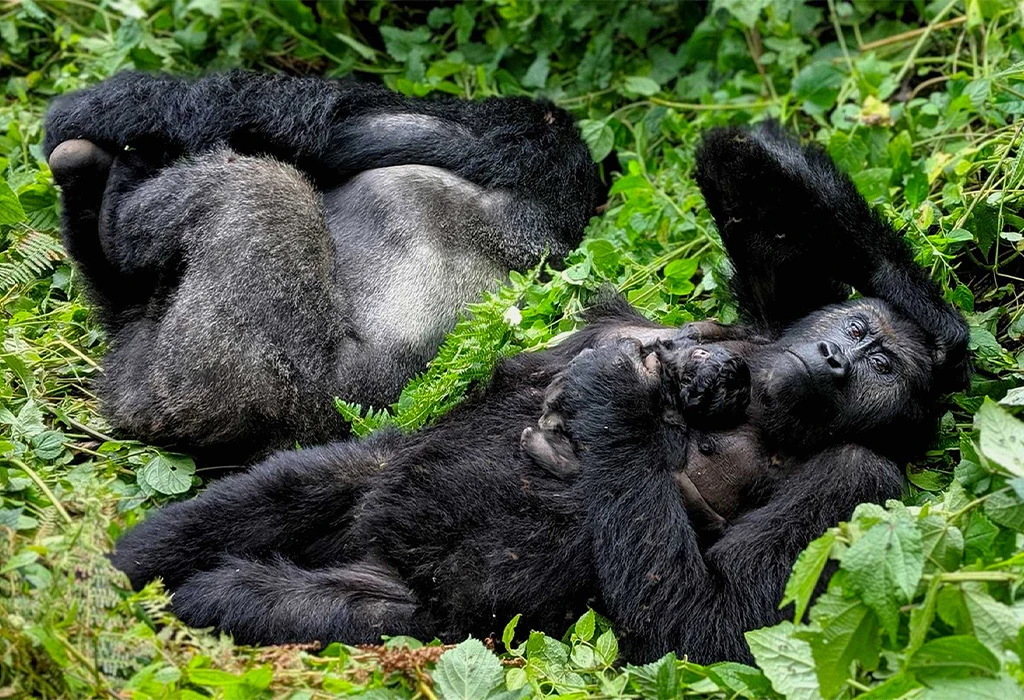
One of the best-known examples is Colo, a western lowland gorilla born at the Columbus Zoo in the United States in 1956. Colo lived for approximately 60 years before dying in 2017. Another remarkable example is Fatou, a western lowland gorilla at Zoo Berlin whose birth is estimated to have occurred in 1957. She is recognized as one of the oldest living gorillas ever recorded.
These exceptional animals demonstrate the potential longevity of gorillas when they receive consistent care and live in safe environments.
What Determines a Gorilla’s Lifespan?
A gorilla’s lifespan does not depend on one factor alone. Instead, several environmental, biological, and social conditions work together.
Habitat and Environmental Conditions
A healthy forest provides everything gorillas need to survive, including food, shelter, sleeping sites, and space for movement. When forests remain intact, gorillas can forage naturally and maintain established social territories.
Unfortunately, deforestation, agricultural expansion, logging, road construction, and mining can destroy or fragment gorilla habitat. As forests become smaller, gorillas may have less access to food and may come into closer contact with people.
Habitat fragmentation can also separate gorilla groups and make it more difficult for populations to maintain healthy genetic diversity. Therefore, protecting forests is one of the most effective ways to improve the long-term survival of gorillas.
Diet and Nutrition
Gorillas spend much of their day feeding. Depending on the species, location, and season, their diet can include leaves, shoots, stems, bark, flowers, roots, and fruit.
Mountain gorillas, for example, eat large quantities of leaves, stems, and other vegetation because their high-altitude habitat offers abundant plant material. Western lowland gorillas generally consume more fruit when it is available.
A diverse and reliable food supply supports growth, reproduction, and good health. However, changes in vegetation caused by habitat destruction or environmental disturbance can reduce food availability.
Disease and Health
Disease is another important factor affecting gorilla survival. Because gorillas share many biological similarities with humans, they can be vulnerable to some human-borne infections, including respiratory illnesses.
Ebola has also caused devastating population declines among western lowland gorillas in parts of Central Africa. For mountain gorillas, respiratory infections remain a significant concern, which is why tourists and researchers are required to follow strict health and distance guidelines when visiting habituated groups.
Conservation teams therefore place considerable emphasis on disease monitoring and prevention.
Social Relationships and Stress
Gorillas are highly social animals. Most groups are led by a dominant adult male known as a silverback, although groups can have more than one adult male and their social structures can vary.
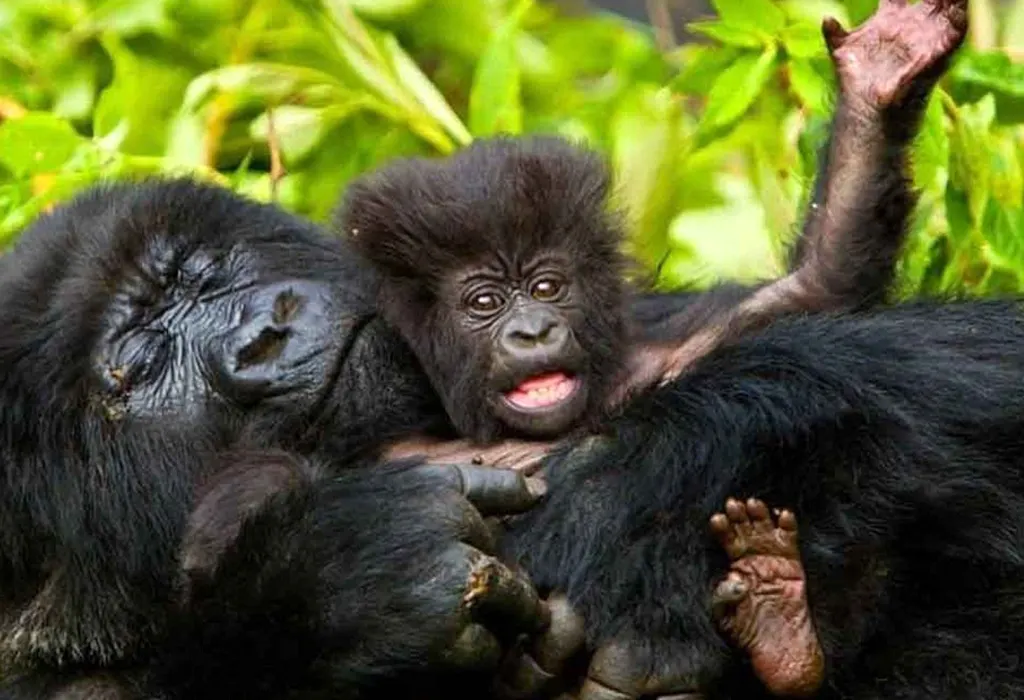
A stable group provides protection, companionship, and opportunities for young gorillas to learn important behaviors. Females and their offspring often maintain close relationships, while younger males may eventually leave their birth groups and form or join other groups.
Major changes within a group, such as the death or displacement of a dominant silverback, can affect its social structure. Consequently, maintaining healthy populations and protecting natural social groups is an important part of gorilla conservation.
How Long Do Different Gorilla Subspecies Live?
There are two recognized gorilla species: the eastern gorilla and the western gorilla. Each species contains two subspecies.
Mountain Gorillas
Mountain gorillas are a subspecies of the eastern gorilla. They live in the high-altitude forests of Uganda, Rwanda, and the Democratic Republic of the Congo.
In the wild, mountain gorillas generally live for around 35 to 40 years, although individual lifespans vary. Their survival has improved considerably through conservation, habitat protection, veterinary monitoring, and carefully managed gorilla tourism.
Uganda’s Bwindi Impenetrable National Park and Mgahinga Gorilla National Park are important mountain gorilla habitats.
Grauer’s Gorillas
Also known as eastern lowland gorillas, Grauer’s gorillas live mainly in the forests of the Democratic Republic of the Congo. They are the largest of the gorilla subspecies.
Their lifespan in the wild is generally estimated to be within the typical range for gorillas, although reliable long-term records are more difficult to obtain because many populations live in remote areas.
Habitat destruction, hunting, mining, and insecurity have placed serious pressure on these gorillas.
Western Lowland Gorillas
Western lowland gorillas are the most widespread gorilla subspecies. They inhabit forests across several Central African countries, including Cameroon, the Republic of the Congo, Gabon, and Equatorial Guinea.
They typically live for several decades in the wild, although disease, hunting, and habitat loss can significantly affect populations. Ebola outbreaks have been particularly damaging in some regions.
Cross River Gorillas
Cross River gorillas are the rarest gorilla subspecies. They live in a limited area along the border between Cameroon and Nigeria.
Because their population is small and fragmented, conservationists consider them particularly vulnerable to habitat loss, hunting, and other human pressures. Their remote habitat also makes accurate information about individual ages and lifespans difficult to collect.
Why Conservation Can Help Gorillas Live Longer
Protecting gorillas requires more than simply preventing hunting. Conservation programs must also protect forests, reduce disease risks, monitor populations, support local communities, and promote sustainable tourism.
In Uganda and Rwanda, gorilla trekking has become an important source of conservation funding. Revenue from tourism helps support protected areas, wildlife monitoring, community initiatives, and employment around gorilla habitats.
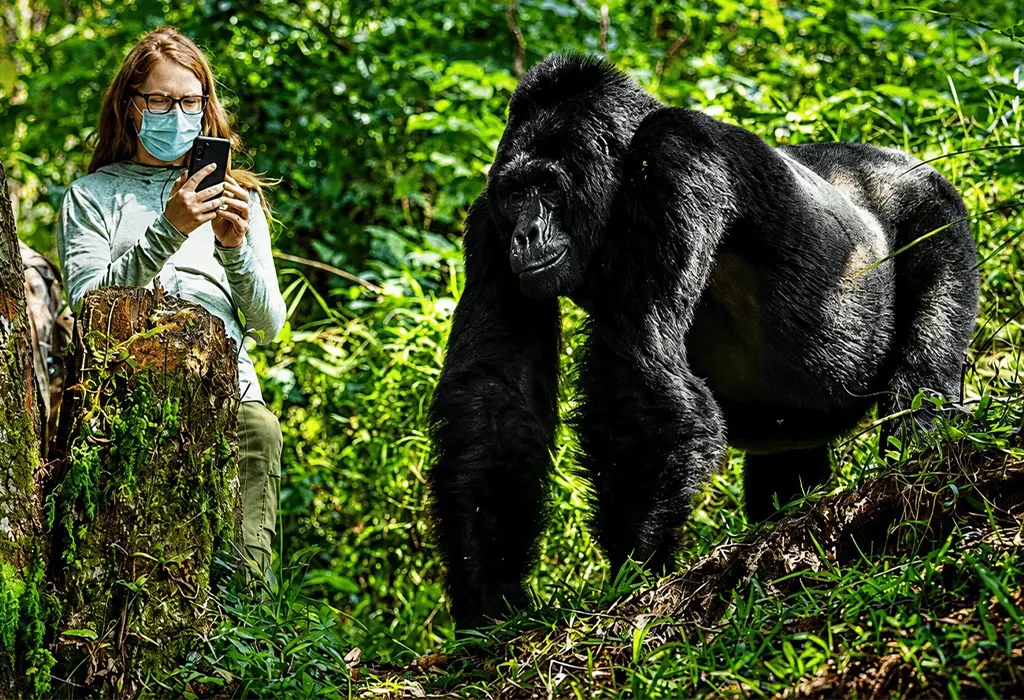
At the same time, responsible tourism helps create an economic reason to protect gorillas and their forests. Visitors who follow park regulations, maintain the required distance, avoid visiting when sick, and respect gorilla behavior can help reduce the risks associated with human contact.
Organizations such as the Dian Fossey Gorilla Fund, the International Gorilla Conservation Programme, national wildlife authorities, and other conservation partners also contribute to research, community development, veterinary care, and habitat protection.
Why Gorilla Lifespan Matters
A gorilla’s lifespan tells us more than simply how many years an individual animal can survive. It also provides insight into the health of its environment.
Gorillas play an important role in forest ecosystems. As they move through forests and feed on plants and fruit, they contribute to seed dispersal and help support forest regeneration. Protecting gorillas therefore also means protecting the wider ecosystems on which many other species depend.

Moreover, gorillas are one of our closest living relatives. Studying their behavior, communication, family relationships, and health can teach us more about primate evolution and our own biological history.
Final Thoughts
So, how long do gorillas live? Most gorillas live for approximately 35 to 40 years in the wild, while those under human care can sometimes reach 50 years or more, with exceptional individuals living into their 60s.
However, lifespan is only part of the story. The future of gorillas depends on healthy forests, adequate food, disease prevention, stable social groups, effective law enforcement, and cooperation between conservationists and local communities.
For travelers, gorilla trekking in Uganda and Rwanda provides an opportunity to observe these remarkable animals in their natural habitat while supporting conservation efforts. Responsible tourism can help ensure that future generations will also have the opportunity to see gorillas thriving in the forests of Africa.
For gorilla trekking, gorilla habituation experiences, and Uganda safari arrangements, contact Experiya Tour Company to plan a responsible and memorable wildlife adventure.