
How Long Do Gorillas Live? Understanding the Lifespan of Gorillas
August 17, 2026
Buying Uganda Gorilla Permits: A Complete Guide for Gorilla Trekking
August 18, 2026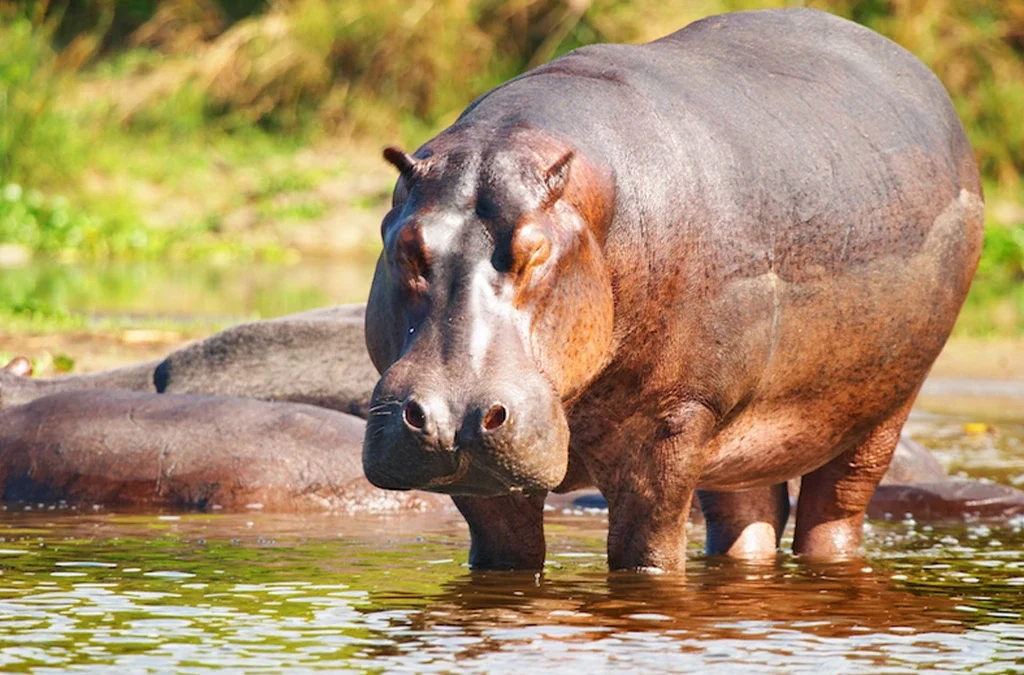
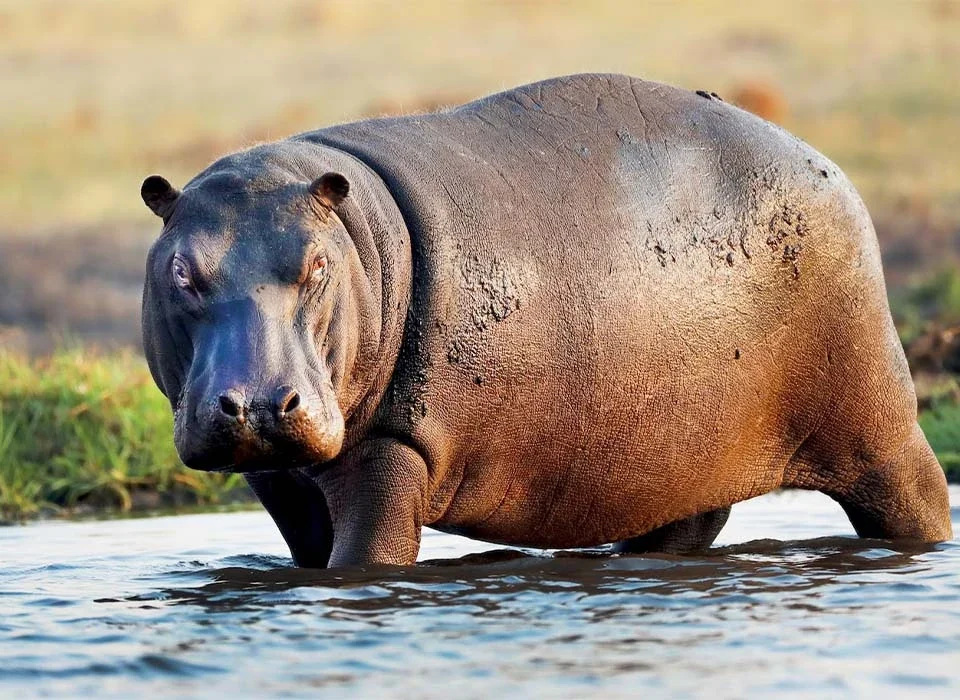
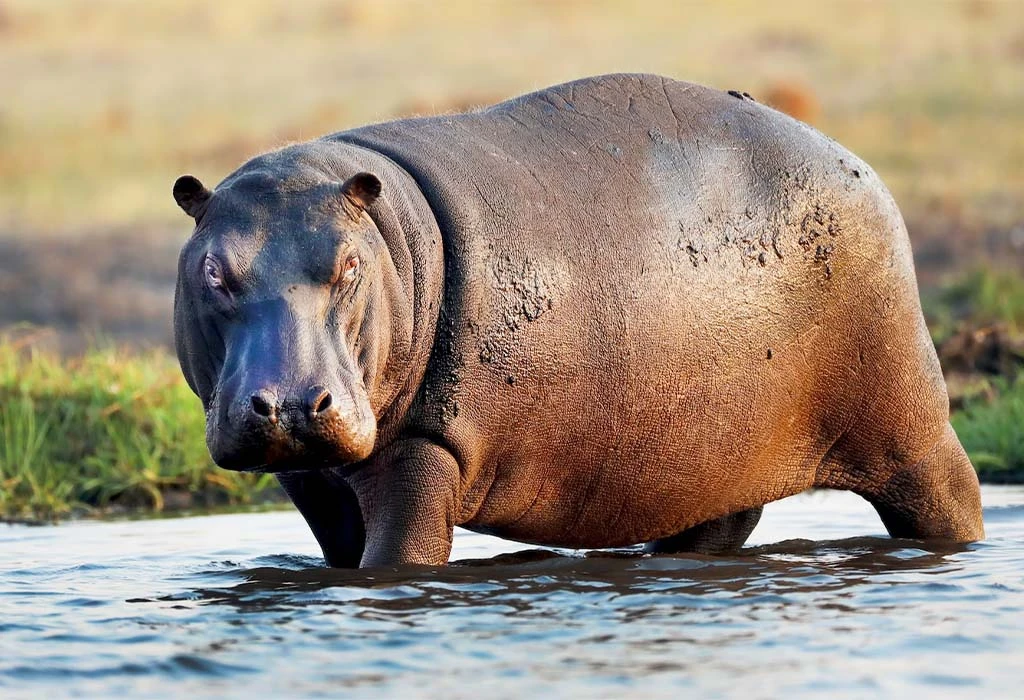
The hippopotamus, often called the “river horse,” is one of Africa’s most fascinating and recognizable animals. With its enormous body, powerful jaws, barrel-shaped torso, and surprisingly graceful movements in water, the hippo can appear both gentle and intimidating. Although it spends much of its day submerged in rivers, lakes, and pools, this massive mammal is equally adapted to life on land.
But how long do hippos live?
On average, hippopotamuses can live for around 35 to 50 years in the wild, although individual lifespans vary depending on habitat, food availability, disease, human activity, and other environmental conditions. Hippos living under professional human care can sometimes reach their 50s or beyond.
Understanding how long hippos live becomes even more interesting when we look at their lives from birth through adulthood and into old age.
How Long Do Hippos Live in the Wild?
Wild hippos generally have a lifespan of 35 to 50 years. Reaching the upper end of this range depends heavily on the animal’s environment and ability to avoid serious threats.
Unlike many African mammals, adult hippos have few natural predators because of their enormous size, thick skin, powerful muscles, and formidable teeth. However, life in the wild still presents significant challenges. Young calves face danger from lions, crocodiles, hyenas, and even aggressive adult hippos.
Furthermore, drought, habitat loss, disease, competition for water, and conflict with humans can shorten a hippo’s life. Therefore, while 50 years is possible, not every hippopotamus reaches such an advanced age.
Hippos living in protected areas with reliable water, abundant grass, and effective conservation measures have a better chance of surviving for decades.
The Life Cycle of a Hippopotamus
A hippo’s life changes dramatically as it grows. From a dependent calf to a powerful adult, each stage comes with different challenges and behaviors.
Birth and Early Life: 0–5 Years
A female hippo, known as a cow, carries her baby for approximately eight months before giving birth. She usually produces one calf at a time. A newborn hippo can weigh roughly 25 to 50 kilograms, depending on the individual.
One of the most remarkable things about a newborn hippo is its ability to move through water almost immediately. Calves can swim and even nurse underwater. This ability helps them stay close to their mothers while spending time in rivers and lakes.
During the first months of life, the mother provides protection and nourishment. The calf depends heavily on her and often stays close to her in the water. This close relationship helps protect the young hippo from predators and other dangers.
At around six months, the calf begins eating grass while continuing to nurse. Gradually, it becomes more independent and develops the strength and skills it needs to survive.
Growing Up: 5–10 Years
As a young hippo enters its juvenile and adolescent years, it becomes stronger, heavier, and increasingly independent. Hippos can reach sexual maturity at roughly five to seven years, although physical and social maturity can take longer.
Young males face particularly challenging social dynamics. They may eventually leave their mother’s group and encounter established males that defend territories aggressively. These encounters can involve dramatic displays, open-mouth threats, chasing, and sometimes serious fights.
Females, meanwhile, often remain within social groups and maintain strong associations with other females and young hippos.
During this period, the young hippo also develops the physical characteristics associated with adulthood. Its body becomes larger and more muscular, while its thick skin helps protect it from environmental conditions and injuries.
Adulthood: 10–35 Years
By about 10 to 15 years, a hippo has reached adulthood and developed much of its impressive physical strength.
Male hippos, known as bulls, are strongly territorial. A dominant bull may control a section of a river or lake where several females live. He defends his territory from rival males, particularly during breeding competition.
When challenged, a bull may display its enormous canine teeth, open its mouth widely, produce loud vocalizations, and spread dung with its tail. If neither animal backs down, the confrontation can become violent.
Female hippos, or cows, generally live in social groups with other females and their offspring. Although these groups may look peaceful, hippos can become highly aggressive when they feel threatened.
For much of the day, hippos remain in or near water. Their aquatic lifestyle helps them stay cool and protects their sensitive skin from excessive sunlight. They usually leave the water after sunset and spend several hours grazing on land.
Despite their huge size, hippos primarily feed on grass. An adult may consume roughly 30 to 40 kilograms of vegetation in a night, although the actual amount varies according to the animal and availability of food.
Older Age: 35–50 Years
As hippos grow older, they gradually lose some of the strength and stamina they possessed during their prime. Older males may struggle to maintain territories against younger, stronger bulls and can eventually lose their dominant position.
Nevertheless, old age does not necessarily mean that a hippo becomes completely inactive. An older animal can continue spending time in the water during the day and grazing at night.
However, age can bring physical challenges. Teeth may become worn or damaged, injuries can take longer to heal, and general physical condition may decline. Limited access to food or water can make these problems more serious.
With a stable environment, sufficient food, and protection from major threats, some hippos can survive well into their 40s and occasionally reach or exceed 50 years.
What Determines How Long a Hippo Lives?
Several factors influence a hippo’s lifespan. While its enormous size provides protection from many predators, it cannot protect the animal from every threat.
Predators and Competition
Adult hippos rarely fall prey to other animals. Their size, strength, aggressive nature, and powerful jaws make them extremely dangerous opponents.
Calves, however, face much greater risks. Lions and spotted hyenas may attack young hippos on land, while crocodiles can threaten calves in or around water.
In addition, adult hippos sometimes suffer serious injuries during territorial battles. These wounds can become infected and affect an animal’s long-term health.
Water, Food, and Habitat
Water is essential to a hippo’s survival. Although hippos leave the water to graze at night, they depend on suitable water bodies to regulate their body temperature and protect their skin.
Drought can therefore have devastating consequences. When rivers and lakes shrink, hippos may be forced into smaller areas where food becomes scarce and competition increases.
Habitat destruction also creates problems. As human settlements, agriculture, roads, and other developments expand, hippos can lose access to traditional feeding and resting areas.
Human-Wildlife Conflict
Human activity remains one of the major threats facing wild hippos. Because hippos depend on water and often graze near agricultural land, encounters with people can occur.
Farmers may view hippos as a threat when the animals enter crops, while communities living near rivers can face dangers from territorial hippos.
Poaching and illegal hunting also threaten populations in some parts of Africa. Hippos are hunted for meat and their teeth, which can be traded as ivory.
For this reason, effective conservation, protected habitats, community involvement, and responsible wildlife management all play important roles in helping hippos survive.
Disease and Injuries
Disease can also affect hippo populations. For example, anthrax outbreaks have caused significant mortality among hippos in some African ecosystems.
Injuries from territorial fights can create another health risk. A wounded animal may become vulnerable to infection, especially when environmental conditions are poor.
Consequently, access to clean water, adequate food, and a healthy ecosystem can make a major difference in a hippo’s ability to live a long life.
How Long Do Hippos Live in Captivity?
Hippos under professional human care may sometimes live longer than their wild counterparts. Zoos and wildlife facilities can provide consistent food, veterinary care, safe water, and protection from predators.
However, captivity does not automatically guarantee a long life. The animal still needs appropriate space, nutrition, social conditions, water, and expert care.
Some captive hippos have lived beyond 50 years. One well-known example is Bertha, a hippopotamus at Manila Zoo in the Philippines, who reportedly lived to about 65 years before her death in 2017. Exceptional cases such as Bertha demonstrate that individual hippos can sometimes live considerably longer than the typical lifespan.
Why Hippos Matter to Africa’s Ecosystems
Hippos are more than impressive wildlife attractions. They also play an important role in their ecosystems.
As they move between water and land, hippos transport nutrients through their grazing and waste. Their movements can influence vegetation and contribute organic matter to aquatic environments.
Their presence also reflects the health of many freshwater ecosystems. When water sources disappear or become severely degraded, hippos are among the animals that can suffer.
Protecting hippos therefore means protecting the rivers, wetlands, grasslands, and other habitats that support countless other species.
Final Thoughts: A Remarkable Life in the Wild
So, how long do hippos live?
A typical wild hippopotamus can live for about 35 to 50 years, while some hippos under human care have reached their 50s and, in exceptional cases, even older.
From a vulnerable calf learning to swim beside its mother to a powerful adult defending its territory, every stage of a hippo’s life reveals remarkable adaptations. Its dependence on water, ability to graze on land, strong social relationships, and physical power make it one of Africa’s most extraordinary mammals.
Seeing a hippo in its natural habitat is an unforgettable part of an African safari. Whether you encounter a group resting in a river or watch them emerge at dusk to feed, these enormous animals offer a fascinating glimpse into the richness of Africa’s wildlife.
Ready to experience Africa’s wildlife for yourself? Contact Experiya Tour Company to plan your African safari and discover the incredible animals, landscapes, and cultures that make Uganda and East Africa unforgettable.