Fascinating Facts About Gorillas and Gorilla Trekking in Uganda and Rwanda
November 19, 2026
The Ethnographic Museum – Preserving Rwanda’s Cultural Heritage
November 19, 2026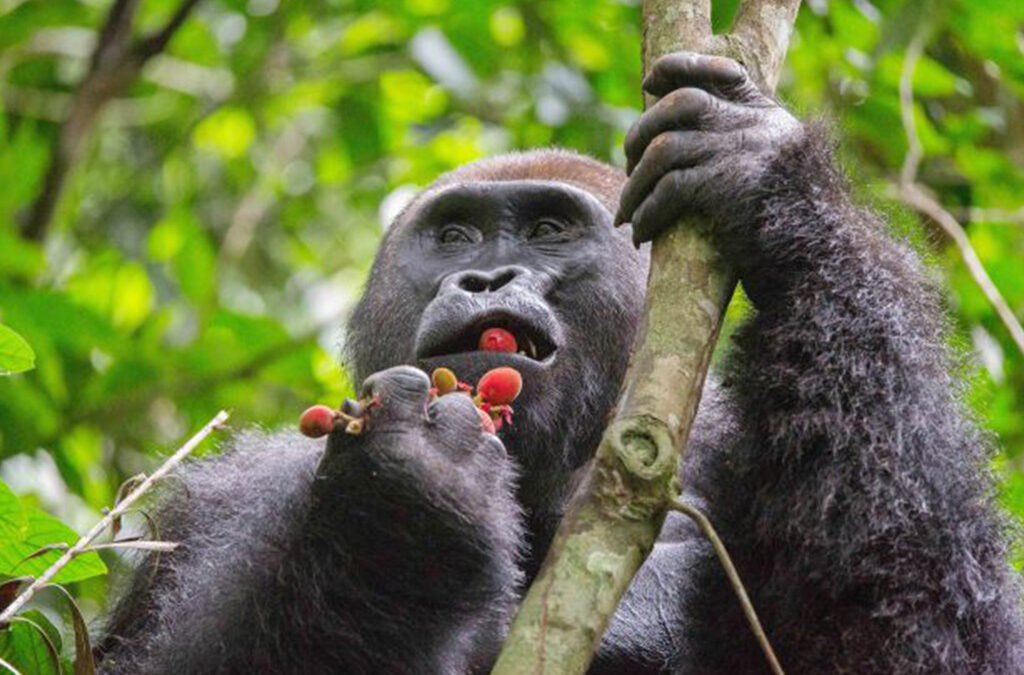
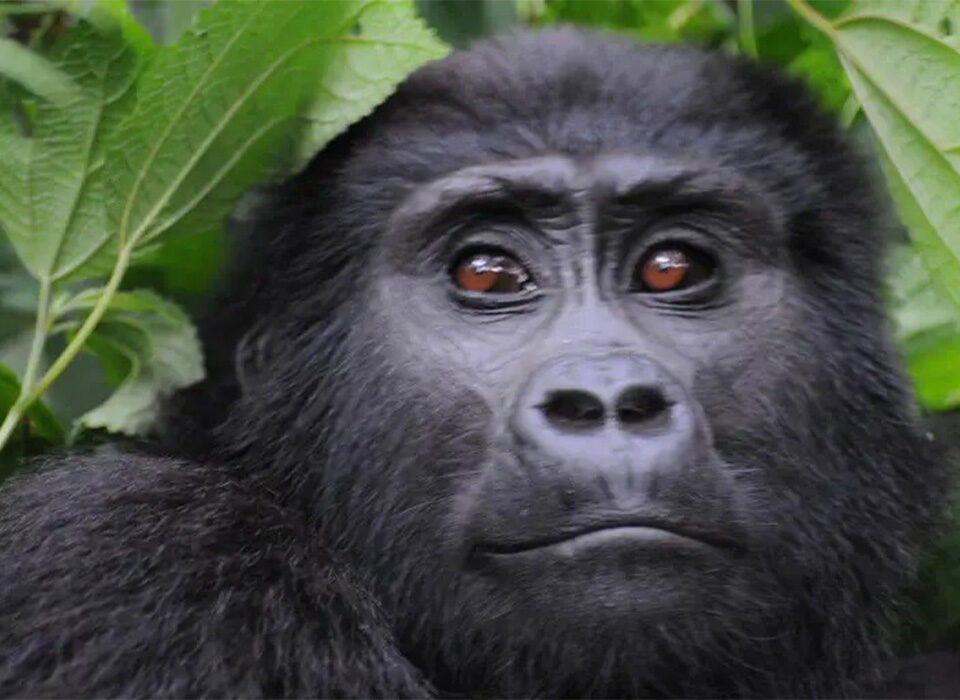
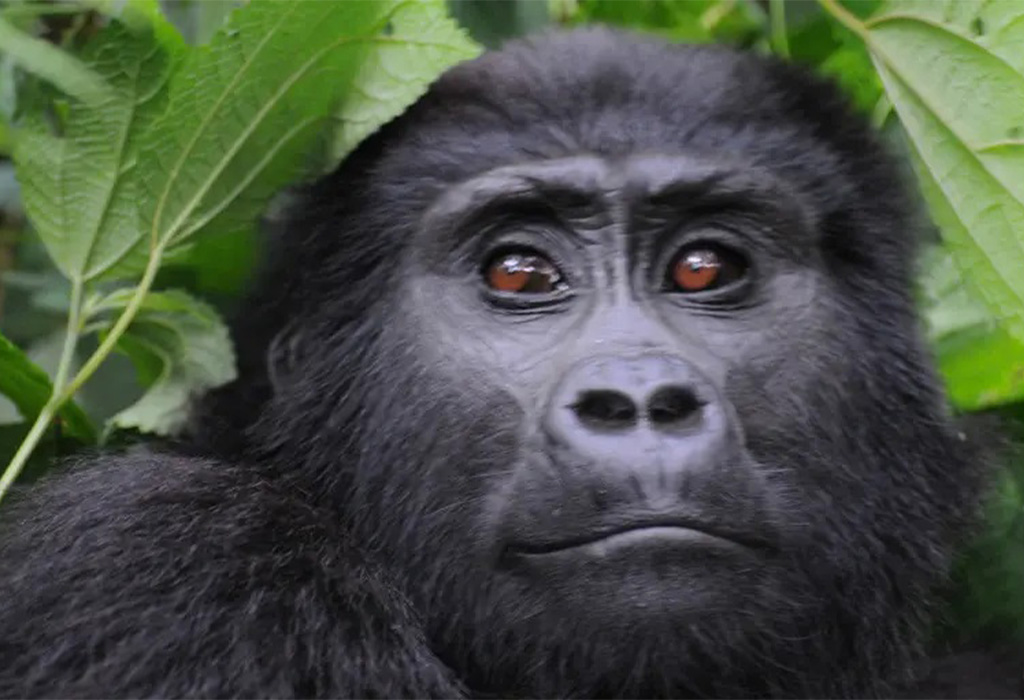
Mountain gorillas are among Africa’s most fascinating wildlife species. Their impressive strength, gentle family relationships and close genetic connection to humans make them a favourite attraction for wildlife enthusiasts visiting Uganda and Rwanda. However, beyond their remarkable appearance and behaviour, one interesting aspect of their lives is their feeding habits. Have you ever wondered what mountain gorillas eat to maintain their enormous bodies while living in the misty forests of East Africa?
Understanding the mountain gorilla diet helps explain how these endangered primates survive in their natural environment. Unlike humans, mountain gorillas depend almost entirely on naturally growing vegetation for their daily nutrition. They spend a considerable part of their day searching for leaves, stems, shoots, roots and other edible plants. Although they occasionally consume small insects and other invertebrates, plants remain their primary source of food.
Mountain gorillas live in Uganda’s Bwindi Impenetrable National Park and Mgahinga Gorilla National Park, Rwanda’s Volcanoes National Park, and the Virunga National Park in the Democratic Republic of Congo (DRC). These protected areas provide the forest vegetation, bamboo zones and natural feeding grounds that sustain their populations.
At Experiya Tour Company, we recognise that learning about gorilla behaviour, feeding habits and natural habitats makes a gorilla trekking experience more meaningful. Here are some interesting facts about the mountain gorilla diet and how these magnificent primates find food in the wild.
1. What Do Mountain Gorillas Eat?
Mountain gorillas are primarily herbivores, meaning they obtain most of their food from plants. Their natural habitat provides a wide selection of vegetation, allowing them to feed on different plant species throughout the year. Unlike lowland gorillas, which consume considerable amounts of fruit, mountain gorillas generally depend more heavily on leaves, stems, shoots and other vegetation.
Research and wildlife conservation information indicate that approximately 85% of a typical mountain gorilla’s diet consists of leaves, shoots and stems. However, the exact food composition varies depending on the forest, available vegetation and feeding preferences of individual groups.
Some of the foods mountain gorillas consume include:
- Leaves: They eat fresh leaves from different forest plants, which provide essential nutrients and moisture.
- Stems and shoots: Tender stems and young shoots are among their most important food sources.
- Bamboo shoots: In areas where bamboo grows, mountain gorillas enjoy its young, tender shoots.
- Roots and tubers: They sometimes dig into the forest floor to find edible roots and underground plant parts.
- Flowers: Certain forest flowers provide additional nutrients and variety.
- Bark and pith: They remove and chew softer parts of trees and shrubs when these provide suitable food.
- Fruits: Although fruit forms a smaller proportion of their diet in the Virunga region, mountain gorillas occasionally eat naturally available wild fruits.
Their ability to consume different parts of plants allows them to survive in high-altitude forests where fruit trees are less abundant. Consequently, their diet reflects the vegetation available within their natural habitat.
2. How Much Food Does a Mountain Gorilla Eat Every Day?
Mountain gorillas have large bodies and require substantial amounts of food to maintain their strength and energy. An adult gorilla can consume several kilograms of vegetation daily, with some estimates suggesting that large adults may eat approximately 18–30 kilograms, depending on their body size, sex, age and food availability.
Adult males generally require more food than females because they have larger bodies. However, food consumption is not fixed, and individual gorillas adjust their feeding habits according to their nutritional needs and the vegetation available in their surroundings.
Most of their daily activities revolve around feeding, resting and moving through the forest. In the early morning, gorilla families leave their sleeping nests and begin searching for suitable feeding locations. They continue feeding at different points throughout the day, taking breaks to rest, groom and interact with other family members.
The dominant silverback usually leads the group as it moves through its home range. His experience helps the family navigate the forest and maintain access to suitable feeding areas.
3. Do Mountain Gorillas Eat Fruits?
Yes, mountain gorillas eat fruits, although fruit does not normally dominate their diet, particularly among populations living in the Virunga Mountains. Their high-altitude forest environment provides more edible leaves, herbs, stems and shoots than readily available fruit.
However, the situation is different in Bwindi Impenetrable National Park. Research conducted on habituated gorilla families in Bwindi has shown that fruit can make up a meaningful part of their feeding activity, with considerable monthly variation.
This difference demonstrates that mountain gorillas adapt their feeding habits to the natural resources available in their surroundings. Therefore, it would be inaccurate to assume that every mountain gorilla family follows exactly the same diet.
When wild fruits become available, gorillas take advantage of them. Nevertheless, they continue relying on other vegetation to meet most of their nutritional requirements.
Do Mountain Gorillas Eat Bananas?
Mountain gorillas do not naturally depend on cultivated bananas as part of their regular diet. Although they may eat bananas if people provide them, this does not mean bananas form part of their normal feeding routine in the wild.
In their natural habitat, they prefer the vegetation that grows within the forest ecosystem. During a gorilla trekking safari, visitors should never carry food or attempt to feed gorillas. Human food can interfere with their natural feeding habits and expose them to health risks.
4. Do Mountain Gorillas Eat Insects?
Although mountain gorillas are predominantly herbivorous, they occasionally eat small invertebrates. These include ants, termites, insect larvae, beetles and other small creatures found within their forest habitat.
For example, a gorilla may break into a termite mound or search through decaying vegetation to find insects. These occasional feeding activities provide additional nutrients, although animal matter represents a very small proportion of their overall diet.
It is important to understand that mountain gorillas do not hunt large animals for food. Their feeding habits remain largely plant-based, and they obtain most of their nutritional requirements from forest vegetation.
5. How Do Mountain Gorillas Find Food in the Forest?
Finding food is an important part of everyday life for mountain gorillas. Their natural habitat contains numerous plant species, but they do not consume everything they encounter. Instead, they carefully select particular plants and specific parts that provide the nutrients they need.
Their strong hands and fingers help them pull apart vegetation, remove leaves, break tender stems and dig for underground roots. They also use their powerful jaws and teeth to chew tough plant materials.
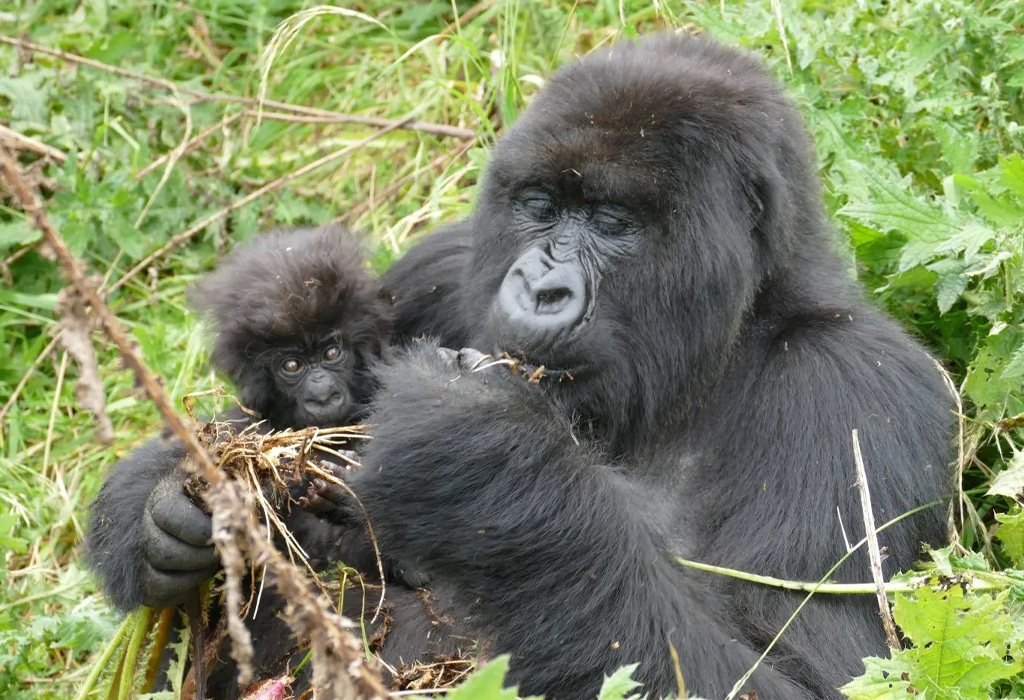
One interesting feeding behaviour is their ability to distinguish between edible and less desirable vegetation. Rather than feeding randomly, they select suitable food items based on availability and preference.
Mountain gorillas use several methods to obtain food:
- Searching the forest floor: They look for herbs, leaves, roots and tender shoots growing beneath the forest canopy.
- Breaking vegetation: Their powerful hands allow them to bend and break branches to reach edible plant parts.
- Digging: They sometimes use their fingers to uncover roots and other underground foods.
- Climbing: Although they spend much of their time on the ground, they occasionally climb trees to access suitable vegetation and fruit.
- Moving between feeding areas: They travel through their home ranges to find fresh vegetation and avoid exhausting one feeding location.
These feeding techniques demonstrate how mountain gorillas use their physical strength and natural instincts to survive in challenging forest environments.
6. How Often Do Mountain Gorillas Eat?
Mountain gorillas do not follow strict human-style breakfast, lunch and dinner schedules. Instead, they feed at different intervals throughout the day, alternating between eating, resting, travelling and socialising.
Early in the morning, they leave their sleeping nests and begin feeding. As the day progresses, they move through different sections of the forest, selecting suitable plants and resting whenever necessary.
Young gorillas often spend time playing while adults continue feeding or resting nearby. These interactions strengthen family relationships and help young individuals develop important social and physical skills.
Towards the evening, the family gradually settles in a suitable location where individual members construct sleeping nests from leaves and branches. Before settling down, they may continue feeding as they prepare for the night.
Their flexible feeding routine allows them to take advantage of available vegetation without remaining in one location for too long.
7. Do Mountain Gorillas Drink Water?
One interesting fact about the mountain gorilla diet is that these primates obtain much of their daily water requirements from the vegetation they consume. Fresh leaves, stems and shoots contain considerable moisture, helping them remain hydrated.
Consequently, mountain gorillas are not frequently observed drinking from rivers, streams or other water sources. However, this does not mean they are afraid of water or cannot drink it.
Research has documented water-drinking behaviour among mountain gorillas, showing that they occasionally visit natural water sources when necessary.
Their moisture-rich diet therefore plays an important role in maintaining hydration, particularly within the cool, humid mountain forests where they live.
8. How Does the Mountain Gorilla Diet Differ From That of Lowland Gorillas?
Although mountain gorillas and lowland gorillas belong to the same great ape family, their feeding habits differ because they occupy different forest environments.
Mountain gorillas inhabit high-altitude forests where vegetation such as herbs, leaves, stems and bamboo shoots is readily available. As a result, they depend heavily on these plant materials.
Western lowland gorillas, on the other hand, live in warmer tropical forests where fruit trees are more abundant. Consequently, fruit forms a much larger proportion of their diet.
Here are some important differences:
| Feeding characteristic | Mountain gorillas | Western lowland gorillas |
|---|---|---|
| Main food | Leaves, stems and shoots | Fruits and vegetation |
| Fruit consumption | Generally lower, but varies by habitat | Generally higher |
| Habitat | High-altitude forests | Tropical lowland forests |
| Bamboo shoots | Important where available | Not a major food source |
| Feeding behaviour | Mainly terrestrial feeding | More frequent fruit gathering and tree climbing |
These differences demonstrate how gorilla populations adapt to their respective environments. They also explain why protecting different forest habitats is essential for the survival of all gorilla species.
9. How Does the Mountain Gorilla Diet Support Forest Conservation?
Mountain gorillas play an important role in maintaining the ecological balance of their forest habitats. Their feeding activities influence vegetation growth, plant distribution and the natural development of forest ecosystems.
As they move through the forest, they feed on different plants and leave behind seeds through their droppings. These seeds can germinate and contribute to natural forest regeneration.
Additionally, their selective feeding behaviour allows vegetation to recover because they do not continuously consume every plant within one location. By moving between feeding areas, they distribute their feeding pressure across different parts of the forest.
Their contribution to the ecosystem includes:
- Supporting natural seed dispersal through their droppings.
- Influencing the growth and distribution of forest vegetation.
- Creating small openings in vegetation as they move and feed.
- Contributing to the natural balance of mountain forest ecosystems.
However, mountain gorillas depend on healthy forests for their survival. Habitat destruction, human encroachment, disease transmission and other environmental pressures can reduce the availability of suitable feeding areas.
Protecting their natural habitats is therefore essential for maintaining healthy gorilla populations.
10. Where Can You See Mountain Gorillas in Their Natural Habitat?
Mountain gorillas live in two separate populations in East-Central Africa. One population occupies Bwindi Impenetrable National Park in Uganda, while the other lives across the Virunga Massif, which stretches through Uganda, Rwanda and the Democratic Republic of Congo.
Visitors can encounter mountain gorillas through organised gorilla trekking experiences in the following destinations:
Bwindi Impenetrable National Park, Uganda
Bwindi is one of Africa’s most important mountain gorilla habitats. Its dense tropical rainforest supports numerous habituated gorilla families across four trekking sectors: Buhoma, Ruhija, Rushaga and Nkuringo.
Visitors can obtain gorilla trekking permits and explore the forest with experienced park guides and trackers. During the trek, they may learn about gorilla feeding habits, family structures and the different plants that sustain these endangered primates.
Mgahinga Gorilla National Park, Uganda
Located in southwestern Uganda, Mgahinga forms part of the Virunga Conservation Area. Its volcanic slopes, bamboo forests and montane vegetation provide important feeding grounds for mountain gorillas.
The park offers an opportunity to track habituated gorilla families while enjoying spectacular views of the Virunga volcanoes.
Volcanoes National Park, Rwanda
Volcanoes National Park protects part of the Virunga mountain range and provides habitat for several habituated mountain gorilla families.
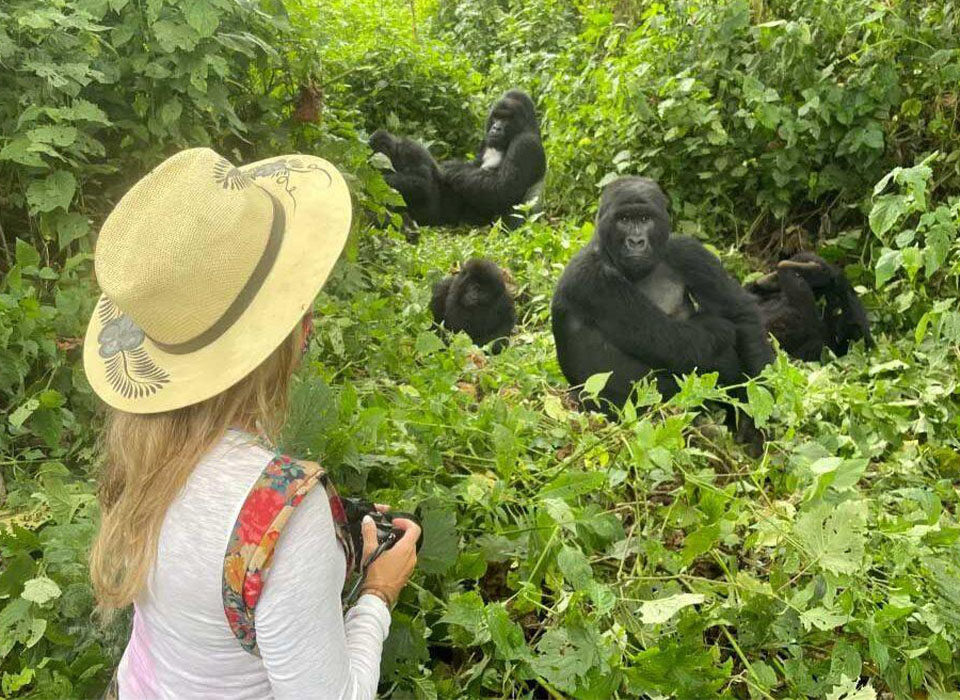
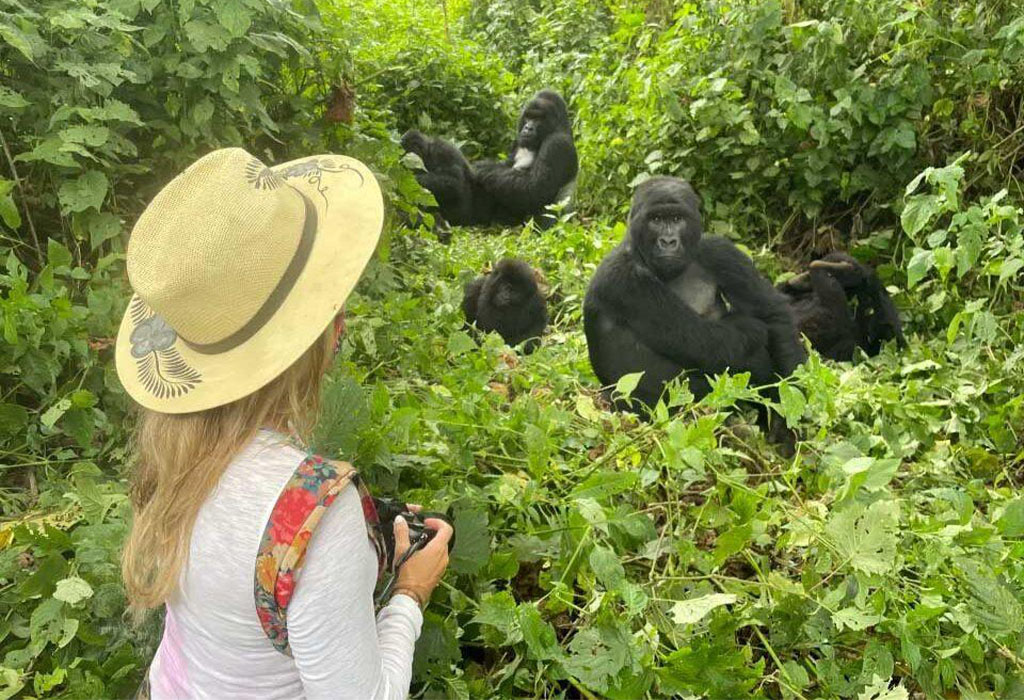
Gorilla trekking here offers visitors an opportunity to observe these remarkable primates feeding, resting, grooming and interacting within their natural forest environment.
Virunga National Park, Democratic Republic of Congo
Virunga National Park is another important mountain gorilla habitat within the Virunga Massif. Its forests support mountain gorilla populations alongside numerous other wildlife species.
Visitors should check current park access, security conditions and trekking arrangements before planning a visit.
11. When Is the Best Time to See Mountain Gorillas?
Mountain gorilla trekking is available throughout the year, provided the relevant national park is open and permits are available. However, some months generally offer more favourable trekking conditions than others.
The drier months are usually considered suitable for gorilla trekking because forest trails tend to be less muddy and slippery. In Uganda and Rwanda, these periods generally include:
- June to September.
- December to February.
The wetter months usually include March to May and October to November. During these periods, rainfall can make forest trails slippery and challenging, although the forests become particularly lush and green.
It is important to remember that mountain gorillas live in tropical mountain forests where weather conditions can change quickly. Rain may occur even during the dry season, and gorilla sightings are possible throughout the year.
Therefore, visitors should prepare appropriate trekking clothing, waterproof hiking boots and rain protection regardless of their travel dates.
12. Experience Mountain Gorilla Trekking With Experiya Tour Company
Understanding the mountain gorilla diet adds another interesting dimension to a gorilla trekking safari. These remarkable primates do much more than feed on leaves and stems; their daily feeding activities reveal how they adapt to their environment, maintain their strength and contribute to the health of African mountain forests.
A visit to Bwindi Impenetrable National Park, Mgahinga Gorilla National Park or Volcanoes National Park offers an unforgettable opportunity to observe mountain gorillas in their natural habitat. Watching a silverback carefully select vegetation, seeing young gorillas play among the forest plants and observing family members feeding together can make the experience even more rewarding.
At Experiya Tour Company, we organise gorilla trekking safaris in Uganda and Rwanda, helping travellers discover the extraordinary wildlife and natural beauty of East Africa. Our experiences combine guided forest adventures, comfortable accommodation and opportunities to learn about mountain gorilla conservation.
Whether you are planning a short gorilla trekking trip from Kigali, a Uganda gorilla safari from Entebbe or a longer wildlife adventure combining gorilla tracking with other national parks, we can help you arrange an experience that suits your travel interests.
Discover the fascinating world of mountain gorillas and experience their natural forest habitat with Experiya Tour Company. Every responsible gorilla trekking experience contributes to conservation awareness and supports the protection of these endangered primates for future generations.