Mountain Gorillas vs Lowland Gorillas: What’s the Difference?
April 22, 2026
Big Five Safari in Queen Elizabeth National Park
April 22, 2026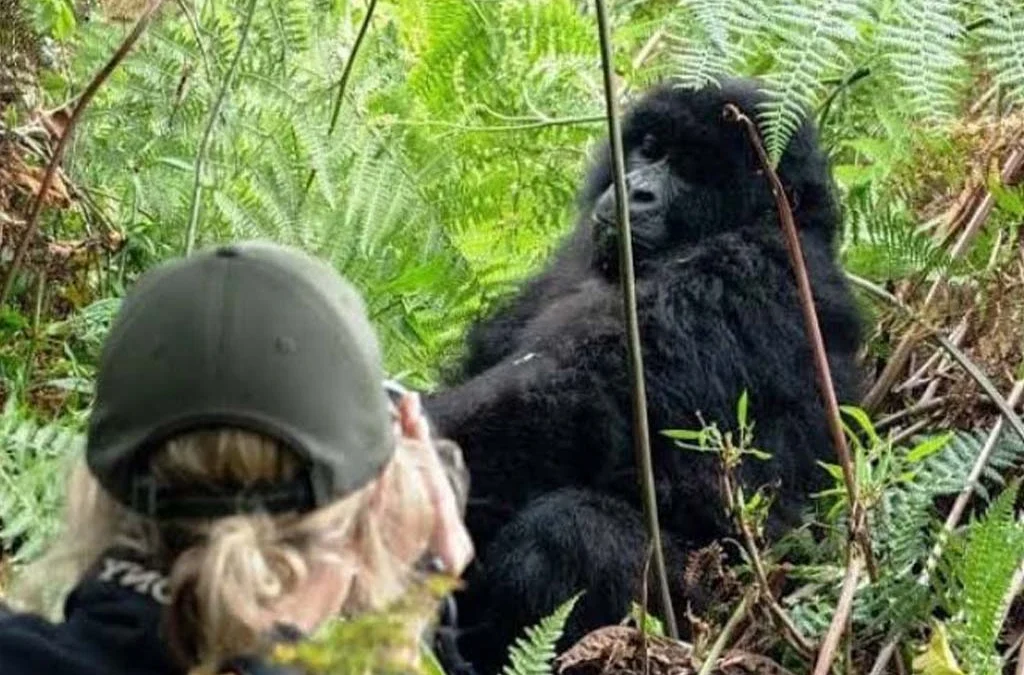
Planning a gorilla habituation experience in Uganda takes more effort than most travelers expect, and that’s exactly what makes it so special. I’ve seen how this experience transforms from a simple idea into something deeply personal once the details are handled properly. It goes far beyond a standard gorilla trek. You need time, preparation, and a clear understanding of how everything works on the ground.
When you plan it right, the reward is extraordinary: up to four full hours walking alongside wild mountain gorillas in their natural habitat. However, if you rush the process, things can quickly fall apart. So, it pays to understand every step before committing.
Understanding the Gorilla Habituation Experience
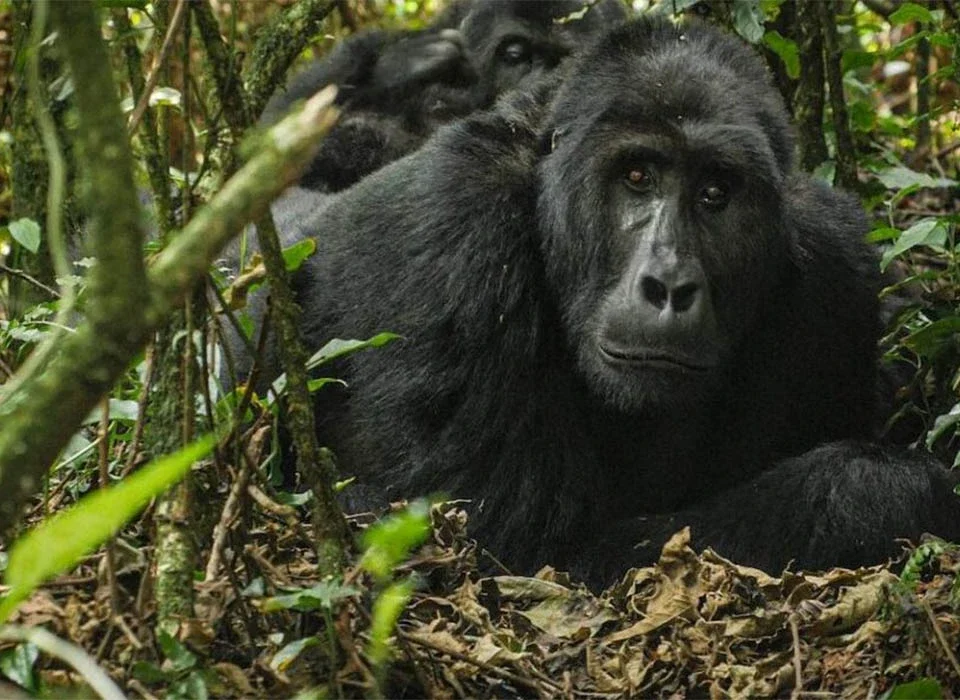
First, it’s important to know what sets this experience apart. Gorilla habituation is not the same as regular gorilla trekking. During a standard trek, you spend one hour with a fully habituated gorilla family. In contrast, habituation allows you to spend up to four hours with a group that researchers are still gently introducing to human presence.
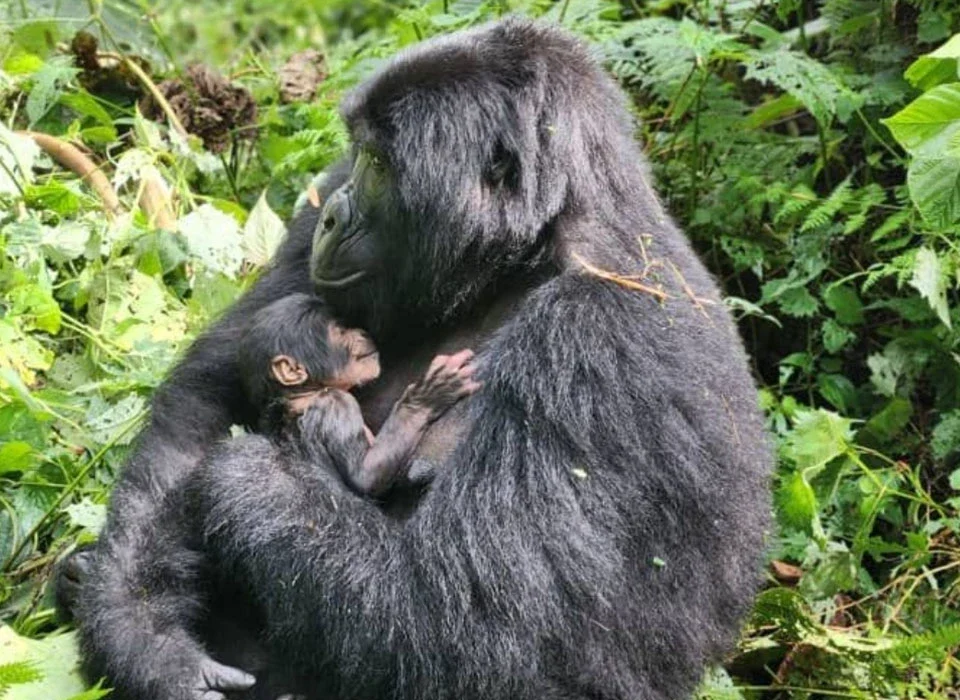
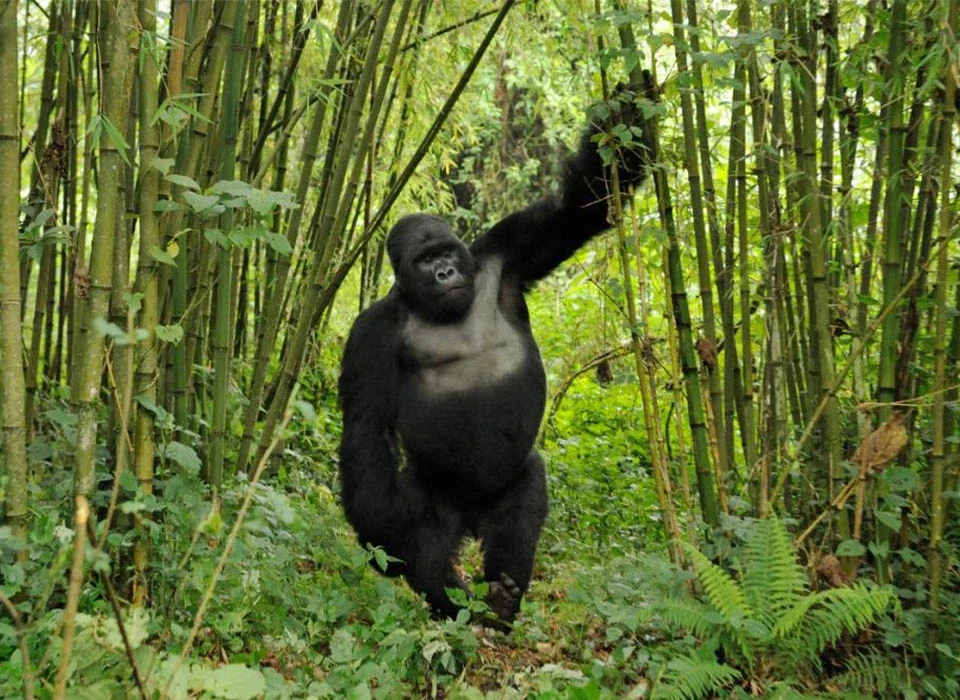
From my experience, this extended time completely changes the encounter. You don’t just observe—you settle into the rhythm of the forest. You watch juveniles play, silverbacks assert quiet dominance, and mothers care for their young. Meanwhile, researchers and rangers guide you through every moment, explaining behaviors and ensuring safety.
As a result, the experience feels raw, immersive, and far more intimate than a typical wildlife encounter.
Permit Costs and Why Early Booking Matters
One of the first things I always advise travelers to secure is the permit. Gorilla habituation currently costs $1,500 per person for foreign non-residents. While that may seem high at first glance, it directly supports conservation efforts and local communities.
More importantly, availability is extremely limited. Only four visitors are allowed per gorilla family each day. Because of this, permits often sell out six to twelve months in advance, especially during peak travel seasons.
I’ve seen travelers miss out simply because they waited too long. Therefore, booking early is not optional; it’s essential. Working with Experiya Tour Company makes this process smoother, as they handle permit reservations, timing, and coordination with your overall itinerary.
Where Gorilla Habituation Takes Place
Location plays a major role in your planning. Gorilla habituation is only available in the southern sectors of Bwindi Impenetrable National Park, specifically Rushaga and Nkuringo.
Bwindi itself feels ancient and alive. The forest is dense, humid, and layered with thick vegetation. Reaching these southern sectors takes effort, often along rough and winding roads. Because of this, many travelers choose to fly into Kigali and drive across the border, which is quicker. Others opt for Entebbe, followed by a longer overland journey.
Whichever route you choose, arriving a day early near the park makes a big difference. From experience, starting the trek well-rested is far better than arriving tired and rushing straight into the forest.
Physical Fitness: What It Really Takes
Gorilla habituation is physically demanding more than many people anticipate. The terrain is steep, uneven, and often muddy. Even in the dry season, the forest remains slippery in sections.
I’ve walked these trails, and they require endurance. You hike for hours to locate the gorillas, and once you find them, you continue moving as they shift through the forest. Four hours with them doesn’t mean sitting still; it means staying with them.
Because of this, you should prepare in advance. Regular hiking, running, or cycling helps build stamina. Strengthening your legs and core also makes a noticeable difference on steep slopes.
Additionally, the minimum age requirement is 15 years. This rule protects both visitors and the gorillas.
Health Restrictions You Must Take Seriously
Your health matters not just for you, but for the gorillas. Since mountain gorillas share about 98% of human DNA, they are highly vulnerable to human illnesses.
Even a mild cold can pose a serious risk. Rangers take this very seriously. If you show signs of illness on the day of your trek, you will not be allowed to proceed, and you won’t receive a refund.
From experience, it’s best to prepare early. Visit your doctor before traveling and discuss recommended vaccinations such as yellow fever, hepatitis, and typhoid. Malaria prevention is also important. Arriving healthy ensures both your safety and the protection of these endangered animals.
Choosing the Best Time to Visit
Timing can shape your entire experience. Uganda’s dry seasons from June to September and December to February offer the most comfortable trekking conditions.
During these months, trails are firmer and easier to navigate. Visibility also improves slightly, which enhances your time with the gorillas.
That said, Bwindi is a rainforest. Rain can fall at any time, even in the dry season. I’ve experienced sudden showers firsthand, so carrying rain protection is always wise.
On the other hand, the rainy seasons bring heavier mud and more challenging conditions. While the experience remains incredible, it requires extra preparation and a flexible mindset.
What to Pack for Gorilla Habituation
Packing well can make or break your day in the forest. From experience, sturdy waterproof hiking boots are non-negotiable. The terrain demands a strong grip and ankle support.
Equally important, wear long-sleeved shirts and full-length trousers. These protect against scratches, insects, and stinging plants. Lightweight fabrics that dry quickly work best in a humid environment.
Rain gear is essential. A reliable rain jacket or poncho keeps you comfortable when the weather shifts suddenly. Surprisingly, gardening gloves also prove extremely useful when navigating steep or slippery sections.
For photography, bring a camera without a flash. The forest lighting can be challenging, so a camera that performs well in low light helps capture the moment without disturbing the gorillas.
Finally, carry enough water and light snacks. You’ll be active for several hours, and staying hydrated is crucial.
Why Working with Experiya Tour Company Makes a Difference
While you can book permits independently, working with Experiya Tour Company simplifies the entire journey. From what I’ve seen, having experienced professionals handle logistics removes unnecessary stress.
They secure permits early, arrange accommodation close to the trekking sectors, and organize reliable transport on challenging roads. In addition, they guide you through every requirement before arrival, so nothing catches you off guard.
More importantly, they understand the nuances of gorilla habituation, not just standard trekking. That expertise makes a real difference in how smoothly your trip unfolds.
Final Thoughts
Gorilla habituation in Uganda is not just another wildlife activity; it’s one of the rarest and most immersive experiences you can have anywhere in the world. However, success depends on preparation.
When you book early, train your body, pack correctly, and travel with the right support, everything changes. You step into Bwindi’s ancient forest ready not just to see gorillas, but to truly experience them.
And in that quiet, misty forest, time slows down. For a few unforgettable hours, you are simply present, sharing space with one of the most remarkable species on earth.