What Is the Congo Nile Trail in Rwanda?
September 22, 2026
Gorilla Trekking for a Solo Traveler in Uganda and Rwanda
September 22, 2026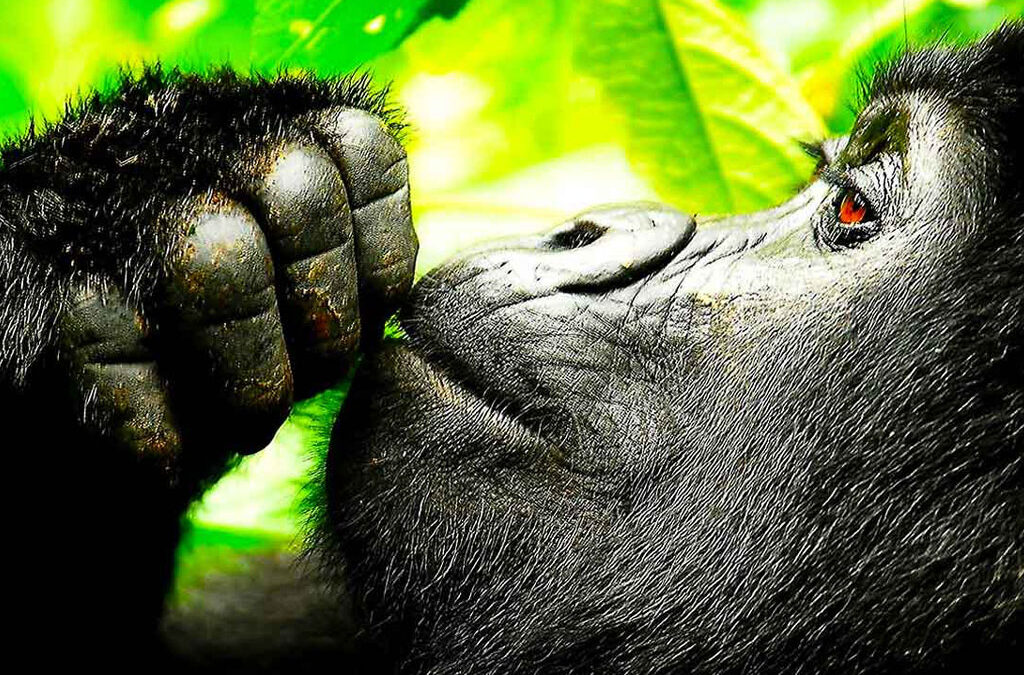
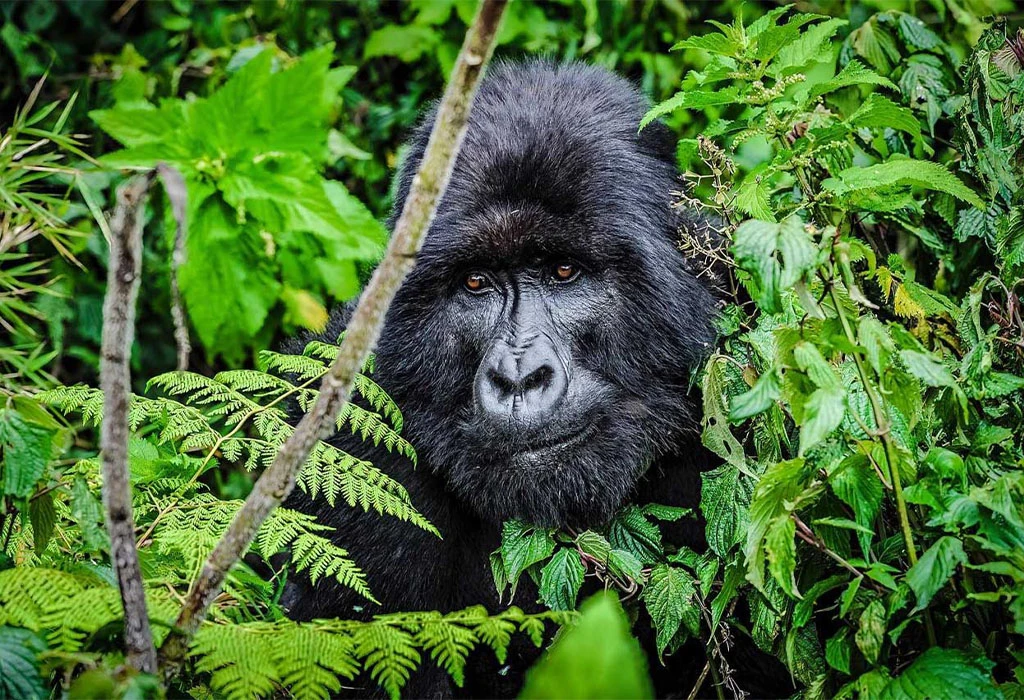
Gorilla trekking in Uganda offers one of Africa’s most remarkable wildlife experiences: walking through ancient rainforest in search of endangered mountain gorillas and spending time observing them in their natural habitat. Instead of seeing these primates from a vehicle, you follow experienced trackers through the forest before coming face-to-face with a gorilla family.
Uganda is an excellent destination for this experience because visitors can trek mountain gorillas in Bwindi Impenetrable National Park or Mgahinga Gorilla National Park. Each destination has its own character, landscapes, trekking conditions, and accommodation options.
At Experiya Tour Company, we help travelers organize gorilla trekking safaris in Uganda according to their available time, budget, preferred trekking sector, accommodation style, and wider safari interests. Whether you are planning a short gorilla trek or combining gorilla tracking with wildlife viewing, chimpanzee trekking, cultural experiences, or other Uganda attractions, careful planning can make the journey much easier.
Where Can You Go Gorilla Trekking in Uganda?
Uganda has two protected areas where visitors can trek habituated mountain gorilla groups: Bwindi Impenetrable National Park and Mgahinga Gorilla National Park.
Although both parks protect mountain gorillas, they offer different trekking environments. Therefore, choosing the right destination should be part of your safari planning rather than an afterthought.
Bwindi Impenetrable National Park
Bwindi Impenetrable National Park lies in southwestern Uganda and is one of the world’s best-known destinations for mountain gorilla trekking. Its ancient rainforest covers steep hills and valleys, creating a challenging but rewarding environment for hiking.
The park is divided into four main gorilla trekking sectors:
Buhoma Sector
Buhoma lies in the northern part of Bwindi and is the park’s historic gorilla trekking area. The sector offers several habituated gorilla families and a range of accommodation options.
Its location also makes it convenient for travelers interested in combining gorilla trekking with forest walks, community experiences, and other activities around the Buhoma area.
Ruhija Sector
Ruhija sits on the eastern side of Bwindi and provides a different forest experience from Buhoma. The area is known for its beautiful highland scenery and forest environment.
Ruhija can also work well for travelers who want to combine gorilla trekking with birdwatching and other nature experiences in southwestern Uganda.
Nkuringo Sector
Nkuringo lies in the southern part of Bwindi and is known for steep terrain and dramatic views across the surrounding landscape.
Because some trails can be physically demanding, travelers should consider their fitness level when choosing Nkuringo. However, the challenging terrain is also part of what makes trekking in this sector distinctive.
Rushaga Sector
Rushaga is another important gorilla trekking sector in southern Bwindi. It is particularly notable because it offers both standard gorilla trekking and the Gorilla Habituation Experience.
The habituation experience provides visitors with more time in the presence of a gorilla group while researchers and trackers continue the habituation process. This makes it particularly attractive to travelers who want a deeper understanding of gorilla behavior and conservation.
Mgahinga Gorilla National Park
Mgahinga Gorilla National Park forms part of the wider Virunga ecosystem, which extends across Uganda, Rwanda, and the Democratic Republic of the Congo.
The park combines mountain forests with spectacular volcanic scenery, creating a different atmosphere from Bwindi. Visitors can trek mountain gorillas while also enjoying views of the Virunga volcanoes.
Mgahinga has historically been associated with the Nyakagezi gorilla group, although gorilla groups can move across the wider Virunga landscape. For this reason, travelers should confirm the current trekking arrangements when planning their safari.
The park also provides opportunities to see golden monkeys and explore the remarkable volcanic environment.
How Much Does Gorilla Trekking in Uganda Cost?
The price of a gorilla trekking safari in Uganda depends on more than the permit alone. Your total cost can include accommodation, transportation, meals, park fees, guiding services, border transfers, and other safari activities.
For international visitors, Uganda’s standard gorilla trekking permit is currently US$800 per person, while the Gorilla Habituation Experience costs US$1,500 per person, subject to Uganda Wildlife Authority regulations and any future tariff changes.
A standard gorilla trekking permit generally allows visitors to spend up to one hour with the assigned gorilla group once the group has been located.
The habituation experience provides a substantially longer encounter and is designed around the ongoing habituation of gorillas.
When calculating your safari budget, also consider:
- Gorilla trekking permit
- Accommodation
- Private or shared transportation
- Professional safari guide
- Meals and drinking water
- Park and activity fees
- Airport or border transfers
- Optional cultural and wildlife activities
Consequently, comparing safari prices only by the gorilla permit can give you an incomplete picture of the overall cost.
How Long Does Gorilla Trekking Take?
Gorilla trekking does not have a fixed duration. The time spent in the forest depends on where the gorilla family is located on the day of your trek.
Some visitors reach their assigned family relatively quickly, while others may hike for several hours through steep forest terrain.
Once you find the gorillas, the standard trekking experience allows approximately one hour with the group under the applicable visitor regulations.
Therefore, you should keep most of your trekking day flexible rather than scheduling another demanding activity immediately afterward.
When Is the Best Time for Gorilla Trekking in Uganda?
Gorilla trekking takes place throughout the year. However, weather conditions can influence trail conditions and the overall hiking experience.
The relatively drier periods are often popular with travelers because trails can be easier to navigate. These periods generally fall around June to September and December to February, although rainfall can occur at any time in Uganda’s rainforest environments.
The wetter months can bring muddy and slippery trails. Nevertheless, rainfall also contributes to the lush forest environment that makes Bwindi and Mgahinga so distinctive.
Rather than focusing only on weather, consider your travel schedule, budget, accommodation availability, and preferred safari activities when selecting your travel dates.
How Do You Get to the Gorilla Trekking Parks?
Your route to the gorilla trekking destination depends on where your safari begins and which trekking sector you choose.
Traveling From Entebbe or Kampala
Travelers starting in Kampala or Entebbe can reach southwestern Uganda by road. The journey to Bwindi generally takes several hours, depending on the specific sector, road conditions, stops, and traffic.
A road journey also gives you the opportunity to experience Uganda’s changing landscapes, local communities, towns, and countryside along the way.
For travelers who want to reduce travel time, domestic or charter flights can connect Entebbe with airfields serving the southwestern region, followed by a road transfer to the lodge.
Traveling From Kigali, Rwanda
Another option is to begin your journey in Kigali and travel overland into southwestern Uganda through the applicable border crossing.
This route can significantly reduce road travel time compared with driving from central Uganda, depending on your final trekking sector and border conditions.
However, travelers choosing this option should arrange the necessary entry requirements and confirm border procedures before departure.
Where Should You Stay During a Gorilla Trek?
Choosing accommodation close to your trekking sector can make your safari more comfortable. Since gorilla trekking begins early in the morning, staying near the trailhead can reduce unnecessary travel on trekking day.
Accommodation ranges from simple budget properties to comfortable mid-range lodges and high-end luxury camps.
Budget Accommodation
Budget lodges and camps can suit travelers who want to keep accommodation costs manageable while spending most of their time exploring the destination.
Mid-Range Accommodation
Mid-range lodges provide a balance between comfort, location, services, and price. They are suitable for travelers who want a comfortable stay without choosing the most expensive properties.
Luxury Accommodation
Luxury lodges provide additional services, spacious rooms, premium dining, and greater privacy. They can be particularly appealing for honeymooners, private groups, and travelers seeking a more relaxed safari experience.
At Experiya Tour Company, accommodation can be selected according to your trekking sector, budget, preferred comfort level, and itinerary.
What Should You Expect on Gorilla Trekking Day?
Your gorilla trekking day normally begins early. After breakfast, you travel to the designated briefing point where park staff explain trekking procedures, safety requirements, and gorilla viewing rules.
You are then assigned to a gorilla family and begin walking into the forest with trained guides and trackers.
The hike can involve steep slopes, thick vegetation, muddy trails, and uneven ground. Consequently, appropriate clothing and footwear are important.
When the trackers locate your assigned gorilla family, you spend the permitted viewing time observing the animals, taking photographs where permitted, and learning about their behavior.
The experience can be emotional and unpredictable because gorillas are wild animals. Their movements, feeding patterns, interactions, and location vary from one day to another.
Gorilla Trekking Rules in Uganda
Gorilla trekking rules protect both visitors and gorillas. Following them helps reduce disturbance and supports responsible tourism.
Important rules include:
- Follow the instructions of your guides and park staff at all times.
- Maintain the required distance from the gorillas according to current park regulations.
- Avoid loud noises and sudden movements.
- Do not feed the gorillas.
- Do not use flash photography where prohibited.
- Avoid trekking when you are unwell with a potentially contagious illness.
- Do not leave rubbish in the forest.
- Remain with your assigned group throughout the trek.
These measures help minimize human impact while allowing visitors to observe the gorillas responsibly.
What Should You Pack for Gorilla Trekking in Uganda?
Because Bwindi and Mgahinga are rainforest environments, you should prepare for changing weather and demanding trails.
Consider packing:
- Waterproof hiking boots
- Lightweight, long-sleeved clothing
- Waterproof jacket or poncho
- Gardening gloves for protecting your hands from vegetation
- Insect repellent
- Reusable water bottle
- Small backpack
- Camera and spare batteries
- Walking poles if needed
- Sunscreen
- Personal medication
- Hat and lightweight rain gear
A good pair of hiking boots is particularly important because trails can become muddy and slippery after rainfall.
Can You Combine Gorilla Trekking With a Uganda Safari?
Yes. Gorilla trekking can form part of a longer Uganda safari.
For example, travelers can combine gorilla trekking with chimpanzee trekking in Kibale Forest, wildlife viewing in Queen Elizabeth National Park, a boat cruise on the Kazinga Channel, or wildlife experiences in Murchison Falls National Park.
You can also add cultural experiences, birdwatching, nature walks, or visits to local communities.
A longer itinerary allows you to experience more of Uganda rather than making the gorilla trek the only activity of your trip.
Why Choose Experiya Tour Company for Gorilla Trekking in Uganda?
Planning a gorilla safari involves coordinating permits, transportation, accommodation, park activities, and timing. Working with a local safari company can simplify these arrangements.
Experiya Tour Company can help organize your gorilla trekking experience around your travel dates, budget, accommodation preferences, and other activities you want to include.
Our role can include helping you select a suitable trekking sector, arranging transportation, organizing accommodation, planning additional safari activities, and coordinating the overall itinerary.
Most importantly, the itinerary should fit the traveler rather than forcing every visitor into the same schedule.
Book Your Gorilla Trekking Safari in Uganda
Gorilla trekking in Uganda takes you beyond conventional wildlife viewing and into the rainforest habitat of one of the world’s most remarkable primates.
From the dense forests of Bwindi to the volcanic landscapes of Mgahinga, Uganda offers different settings for experiencing mountain gorillas. With the right preparation, suitable accommodation, a valid permit, and an itinerary that matches your interests, your trek can become a meaningful part of a wider Uganda safari.
If you are planning a gorilla trekking safari in Uganda, Experiya Tour Company can help you organize the permit, transportation, accommodation, trekking sector, and additional activities around your travel plans.
Frequently Asked Questions About Gorilla Trekking in Uganda
How much is gorilla trekking in Uganda?
The standard gorilla trekking permit for international visitors is currently US$800 per person. The Gorilla Habituation Experience costs US$1,500 per person, subject to applicable Uganda Wildlife Authority tariffs.
Where can I trek gorillas in Uganda?
You can trek mountain gorillas in Bwindi Impenetrable National Park and Mgahinga Gorilla National Park.
How long does gorilla trekking take?
The trek itself can take anywhere from a few hours to much of the day, depending on the location of the gorilla family and trail conditions. The standard gorilla viewing period is approximately one hour after the group is located.
What is the best month for gorilla trekking in Uganda?
Gorilla trekking is available throughout the year. June to September and December to February are commonly preferred because they tend to have relatively drier conditions, although rainfall remains possible in the rainforest.
Can I do gorilla trekking from Kigali?
Yes. Travelers can travel from Kigali into southwestern Uganda by road, provided they meet the applicable immigration and border requirements.
Is gorilla trekking difficult?
The difficulty varies according to the gorilla family’s location, terrain, weather, and trekking sector. Bwindi and Mgahinga are mountainous rainforest environments, so a reasonable level of fitness is recommended.
Plan Your Uganda Gorilla Trekking Adventure
If seeing mountain gorillas in their natural habitat is on your travel list, Uganda provides an opportunity to combine this experience with some of East Africa’s other remarkable landscapes, wildlife, forests, and cultural attractions.
Start planning your gorilla trekking in Uganda with an itinerary built around your time, interests, and budget.
Experiya Tour Company can help you turn your plans into a practical Uganda gorilla trekking safari.