Cost of 3-Day Gorilla Trekking in Uganda
September 22, 2026
Go Gorilla Trekking in Uganda: A Complete Guide to Mountain Gorilla Safaris
September 22, 2026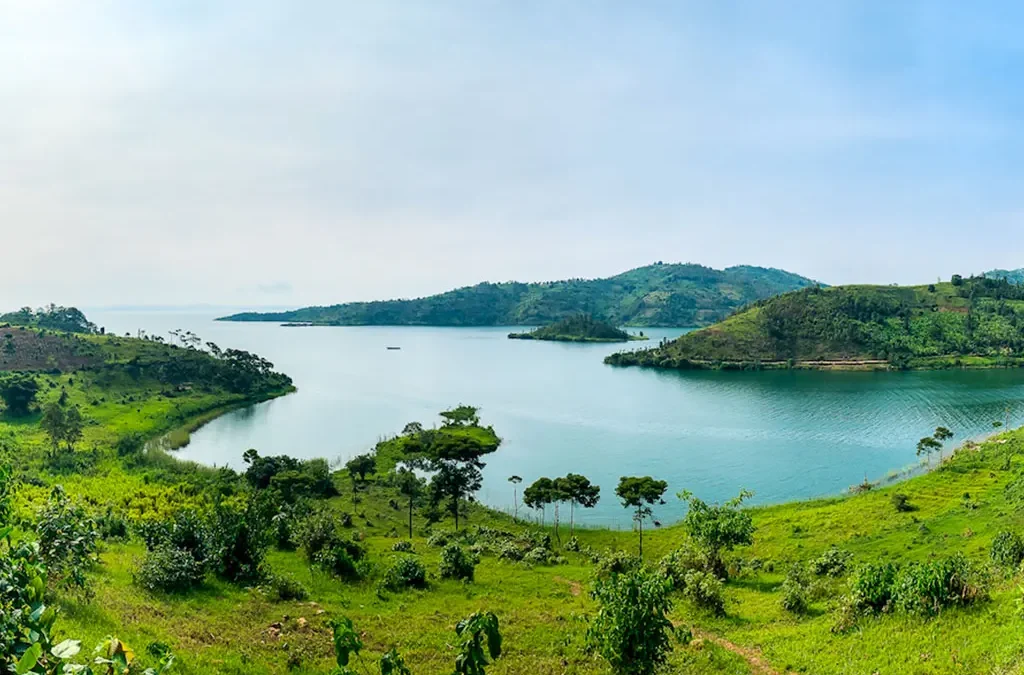
The Congo Nile Trail Rwanda is one of the country’s most scenic long-distance adventure routes. Following the shores of Lake Kivu, the trail connects communities, plantations, hills, forests, and lakeside landscapes while giving travelers an opportunity to experience Rwanda beyond its major tourist attractions.
Stretching for approximately 227 kilometers, the route runs between Rubavu, formerly known as Gisenyi, in the north and Rusizi in the south. Along the way, travelers encounter rolling hills, banana plantations, coffee farms, fishing communities, rural villages, and spectacular views across Lake Kivu.
Unlike a conventional road trip, the Congo Nile Trail encourages visitors to slow down and experience Rwanda on foot or by bicycle. As a result, it has become an appealing option for travelers who want adventure, exercise, nature, and cultural encounters in one journey.
Whether you are planning a Congo Nile Trail hike, a cycling adventure, or a shorter excursion, proper preparation can make your experience considerably more enjoyable.
Where Is the Congo Nile Trail Located?
The trail follows the western side of Rwanda, beside Lake Kivu. It begins around Rubavu and continues south through several rural communities before reaching Rusizi.
The landscape changes considerably as you travel along the route. At some points, the trail passes close to the lake, while elsewhere it climbs through Rwanda’s characteristic hills and agricultural areas.
Congo Nile Trail Route
The broad route connects:
- Rubavu (Gisenyi)
- Karongi (Kibuye)
- Rusizi
- Rural communities and lakeside settlements along Lake Kivu
Because the trail uses a combination of community roads, paths, and other local routes, the exact experience can vary depending on the itinerary, weather, transportation method, and selected sections.
Why Visit the Congo Nile Trail?
The Congo Nile Trail offers a different perspective of Rwanda. Instead of simply moving between major attractions, travelers spend several days experiencing the countryside and interacting with communities along the way.
Moreover, the journey combines several experiences that are difficult to appreciate from a vehicle.
You can expect:
- Scenic Lake Kivu viewpoints
- Rural villages and community encounters
- Coffee and banana plantations
- Hiking and cycling opportunities
- Lakeside landscapes
- Local food experiences
- Fishing communities
- Cultural interactions
- Opportunities for boat excursions
For travelers interested in adventure tourism in Rwanda, the trail provides an excellent way to combine physical activity with cultural discovery.
Hiking the Congo Nile Trail
How Long Does It Take to Hike the Congo Nile Trail?
A complete Congo Nile Trail hiking itinerary can take approximately 7 to 10 days, depending on the route, walking speed, stops, and planned activities.
However, you do not have to complete the entire trail. Travelers with limited time can arrange shorter experiences lasting several hours, two days, three days, or another period that suits their schedule.
Consequently, the trail works for both long-distance trekkers and visitors who simply want to explore a section of Lake Kivu on foot.
What Is the Hiking Experience Like?
The trail passes through hills and valleys, meaning that hikers should expect some climbs and descents. Although you do not need to be an elite athlete, reasonable fitness will make the journey more comfortable.
Take your time, especially on steeper sections. Your guide can also help you maintain a suitable pace and identify places where you can rest.
Cycling the Congo Nile Trail
Cycling is another popular way to experience the Congo Nile Trail Rwanda. A full cycling journey generally takes around four to six days, although the exact duration depends on the selected route and cycling pace.
Cycling allows travelers to cover more distance each day while still experiencing the surrounding communities and landscapes. However, some sections can be physically demanding because of Rwanda’s hilly terrain.
What Should Cyclists Expect?
Cyclists should prepare for:
- Hills and uneven community roads
- Variable weather conditions
- Long riding days
- Occasional muddy sections during rainy weather
- Stops at villages and viewpoints
- Opportunities to interact with local communities
Therefore, travelers should choose bicycles that are appropriate for off-road and mixed-terrain conditions.
Local Communities Along the Congo Nile Trail
One of the most rewarding aspects of the trail is the opportunity to experience rural Rwandan life.
As you travel between communities, you may see farmers working in their fields, children walking to school, people processing agricultural products, and fishermen working around Lake Kivu.
Local residents often greet visitors along the route, creating spontaneous cultural encounters. Nevertheless, travelers should remain respectful by asking permission before photographing people and following guidance from their local guide.
Community-Based Tourism
The trail supports opportunities for community tourism because visitors spend time in villages, use local services, purchase products, and interact with residents.
These experiences can include:
- Visiting farms
- Exploring coffee-growing communities
- Seeing banana plantations
- Meeting local artisans
- Learning about traditional livelihoods
- Enjoying locally prepared meals
Coffee Experiences Along the Trail
Rwanda has developed an international reputation for its coffee, and the Congo Nile Trail provides opportunities to learn more about coffee production.
Depending on your itinerary, you may visit coffee-growing communities and see how coffee moves from cultivation to processing.
A coffee experience can add an educational dimension to your journey because you get to see the work behind the drink rather than simply enjoying it in a café.
Banana Plantations and Rural Agriculture
Agriculture plays an important role in communities around Lake Kivu. Banana plantations are particularly noticeable along parts of the route.
As you hike or cycle, you can observe how farms fit into the surrounding hills and villages. With a local guide, these landscapes become more meaningful because you can learn about crops, farming practices, and their importance to household livelihoods.
Accommodation Along the Congo Nile Trail
Accommodation varies considerably along the route.
Travelers should generally expect small guesthouses, community-based accommodation, and modest lodges rather than luxury properties in every location.
For this reason, it is important to set realistic expectations before starting the journey. Some properties provide simple rooms and essential facilities, while accommodation in larger towns may offer additional comforts.
What Should You Pack?
Because accommodation and services vary, pack practical essentials rather than unnecessary luggage.
- Comfortable hiking or cycling shoes
- Lightweight clothing
- A warm layer for cool evenings
- Rain jacket or poncho
- Reusable water bottle
- Personal toiletries
- Energy snacks
- Sun protection
- Small amounts of local currency
- Waterproof bags for electronics and documents
Food and Meals Along the Trail
Restaurants are not consistently available throughout the entire Congo Nile Trail. Therefore, travelers should plan meals with their tour operator and guide before setting out each day.
Guides can arrange packed lunches, snacks, and stops at local restaurants where available. In some communities, travelers may also find fresh fruits and simple locally prepared meals.
If you have specific dietary requirements, communicate them before your journey so that suitable arrangements can be made.
What Is the Best Time to Visit the Congo Nile Trail?
The best time to hike or cycle the Congo Nile Trail depends partly on your preferred experience and tolerance for wet conditions.
The drier periods generally make walking and cycling easier because trails and community roads are less likely to become muddy.
During wetter periods, however, the landscape can appear particularly green and vibrant. The trade-off is that rain can make some sections slippery and more difficult to navigate.
For a multi-day trek, check the current weather forecast and discuss seasonal trail conditions with your tour operator before departure.
Is the Congo Nile Trail Difficult?
The difficulty of the Congo Nile Trail depends on the section you choose, your activity, and your fitness level.
The route crosses Rwanda’s hilly terrain, so neither hikers nor cyclists should expect a completely flat journey. Nevertheless, travelers can select shorter sections and adjust their daily distances.
If you are unsure about your fitness level, discuss your preferred walking or cycling pace with Experiya Tour Company before booking.
Why Use a Local Guide?
A local guide can significantly improve your Congo Nile Trail experience.
Rather than simply following a path, you gain someone who understands the communities, landscapes, attractions, cultural practices, and logistics along the route.
A guide can also help with navigation, communication, meal arrangements, accommodation, and adjustments when weather or trail conditions change.
At Experiya Tour Company, travelers can arrange Congo Nile Trail experiences with local guiding support as part of their adventure.
Activities to Combine With the Congo Nile Trail
The trail can form part of a longer Rwanda itinerary. Instead of treating it as an isolated experience, travelers can combine it with other attractions.
Lake Kivu Boat Trips
A boat excursion allows you to experience Lake Kivu from the water. Depending on the location and itinerary, you may visit islands, observe lakeside communities, or enjoy scenic views.
Nyungwe Forest National Park
Travelers continuing south can combine the trail with Nyungwe Forest National Park, one of Rwanda’s major destinations for primate tracking, forest walks, birding, and canopy experiences.
Volcanoes National Park
Travelers beginning in northern Rwanda can combine their Lake Kivu adventure with Volcanoes National Park, particularly if they are interested in mountain gorilla trekking or golden monkey experiences.
This combination creates a broader Rwanda adventure covering lakes, mountains, forests, wildlife, and communities.
Congo Nile Trail Travel Tips
Before starting your adventure, consider the following practical advice:
- Travel with a knowledgeable local guide.
- Pack light because you may walk or cycle for several hours each day.
- Carry rain protection regardless of the season.
- Keep some Rwandan francs for small purchases.
- Drink enough water throughout the day.
- Wear comfortable footwear suitable for uneven terrain.
- Respect local communities and ask before taking photographs.
- Confirm accommodation arrangements before beginning a multi-day journey.
- Check weather and trail conditions before departure.
Frequently Asked Questions About the Congo Nile Trail
How long is the Congo Nile Trail?
The Congo Nile Trail is approximately 227 kilometers long, following the Lake Kivu region between Rubavu and Rusizi.
Can I hike the Congo Nile Trail?
Yes. The trail can be explored on foot, and travelers can choose between a complete multi-day journey and shorter sections.
Can I cycle the Congo Nile Trail?
Yes. Cycling is one of the main ways to experience the trail. A complete cycling itinerary can take approximately four to six days, depending on the route and pace.
How many days do I need for the Congo Nile Trail?
A complete hiking journey can take around seven to ten days, while cycling commonly takes around four to six days. Shorter customized trips are also possible.
Is the Congo Nile Trail suitable for beginners?
Some sections can be suitable for travelers with moderate fitness, but the hilly terrain means visitors should prepare for climbs and descents. A guide can help tailor the itinerary to your ability.
Where does the Congo Nile Trail start and end?
The trail generally runs from Rubavu (Gisenyi) in northern Rwanda to Rusizi in the south, following the western side of Lake Kivu.
Plan Your Congo Nile Trail Adventure With Experiya Tour Company
The Congo Nile Trail Rwanda combines Lake Kivu scenery, active travel, rural communities, agriculture, cultural encounters, and outdoor adventure. Whether you prefer hiking, cycling, or a shorter section of the route, the journey offers a chance to experience a less conventional side of Rwanda.
With appropriate planning, comfortable equipment, local guiding, and realistic expectations about accommodation and terrain, you can enjoy the trail at a pace that suits your travel style.
Experiya Tour Company can help you organize your Congo Nile Trail experience, including guiding, transportation, accommodation, meals, and additional activities according to your itinerary.