Things to Do in Maasai Mara National Reserve Kenya
September 28, 2026
What Is the Largest Natural Forest in Rwanda?
September 29, 2026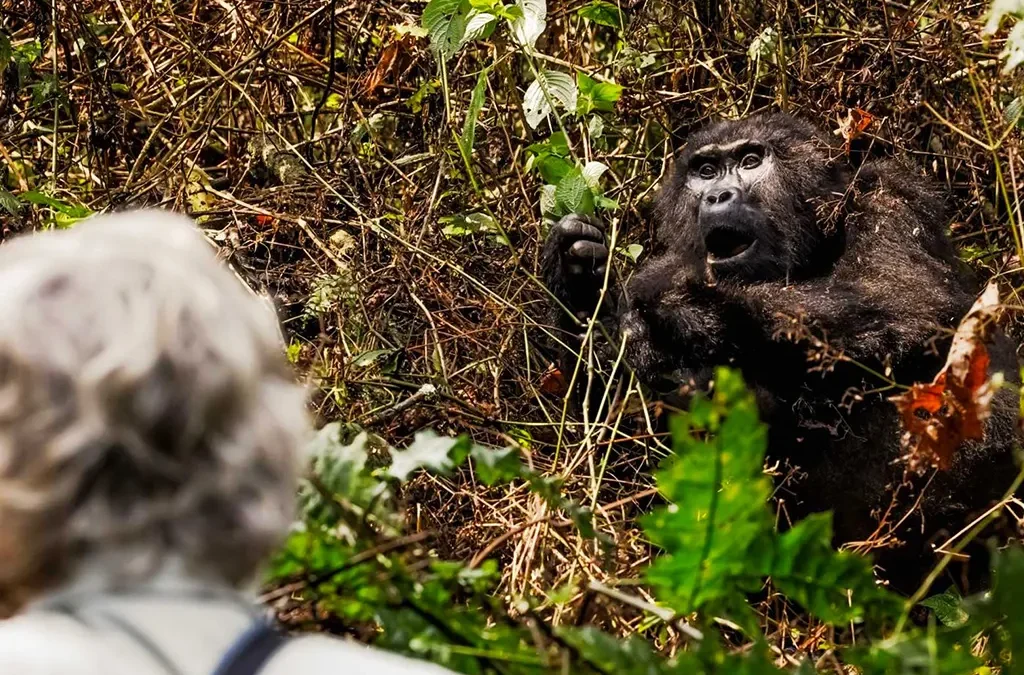
If you are planning an African safari and wondering, “Is gorilla trekking worth the money? You are certainly not alone. Gorilla trekking is one of the most sought-after wildlife experiences in East Africa, but the permit cost is considerably higher than that of many conventional safari activities.
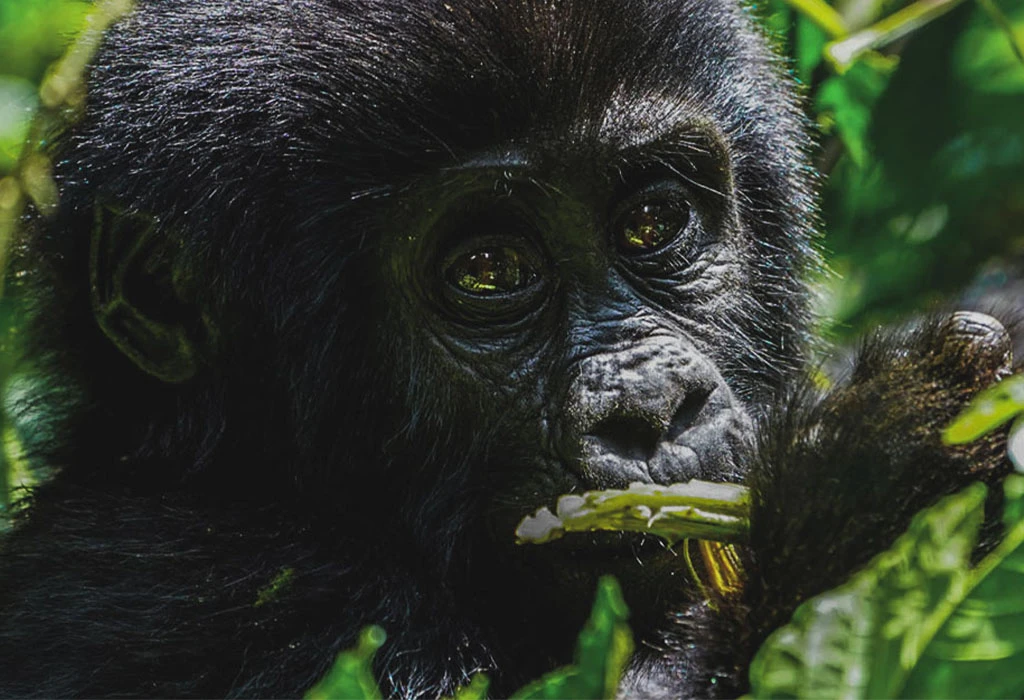
For many travelers, however, the value of gorilla trekking goes far beyond the price of a permit. You are not simply paying to see wildlife. Instead, you are entering a protected mountain forest, walking through challenging terrain, and spending time observing wild mountain gorillas in their natural environment.
In Uganda, gorilla trekking takes place mainly in Bwindi Impenetrable National Park and Mgahinga Gorilla National Park. In Rwanda, visitors trek in Volcanoes National Park. Each destination offers a different setting, yet the central experience remains remarkably special.
So, is gorilla trekking worth the cost? For travelers who value rare wildlife encounters, conservation, nature, and cultural experiences, the experience can offer exceptional value.
What Makes Gorilla Trekking So Special?
Unlike a conventional game drive, gorilla trekking requires you to become part of the forest environment. Rather than sitting inside a safari vehicle and searching for animals across open grassland, you walk through dense vegetation with experienced trackers and guides.
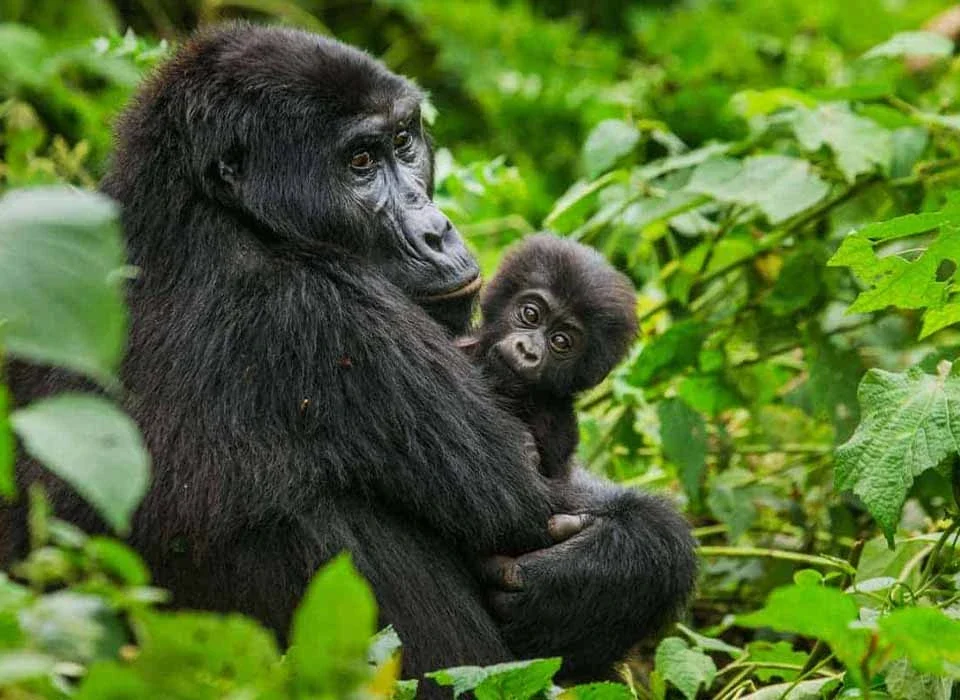
Eventually, the trackers locate a habituated gorilla family. You then spend a carefully regulated period observing the animals as they go about their daily lives.
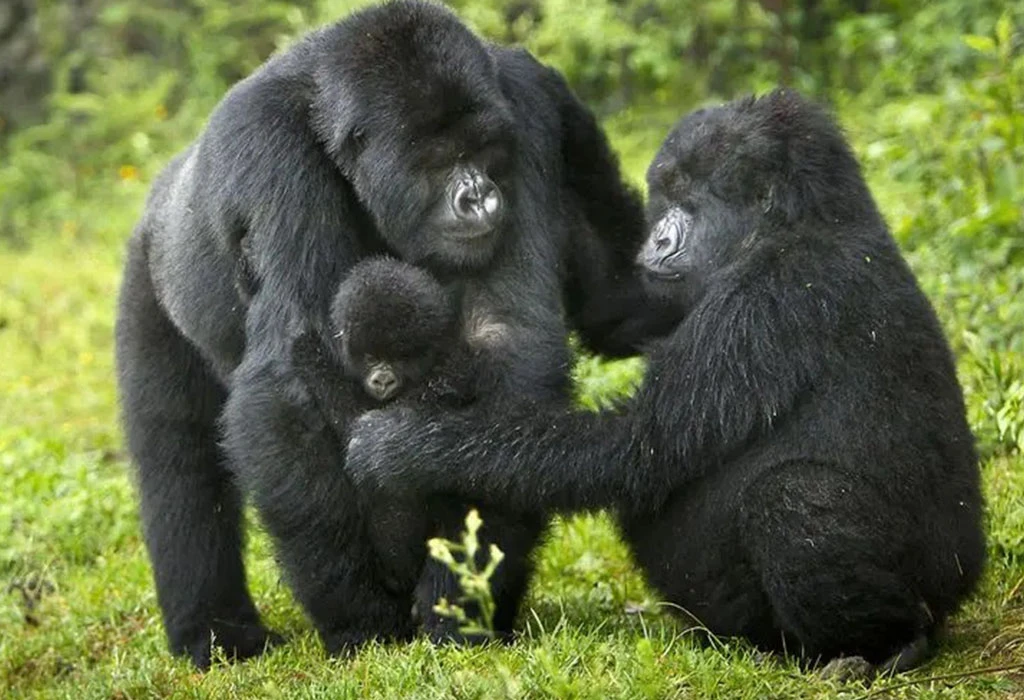
You may see gorillas:
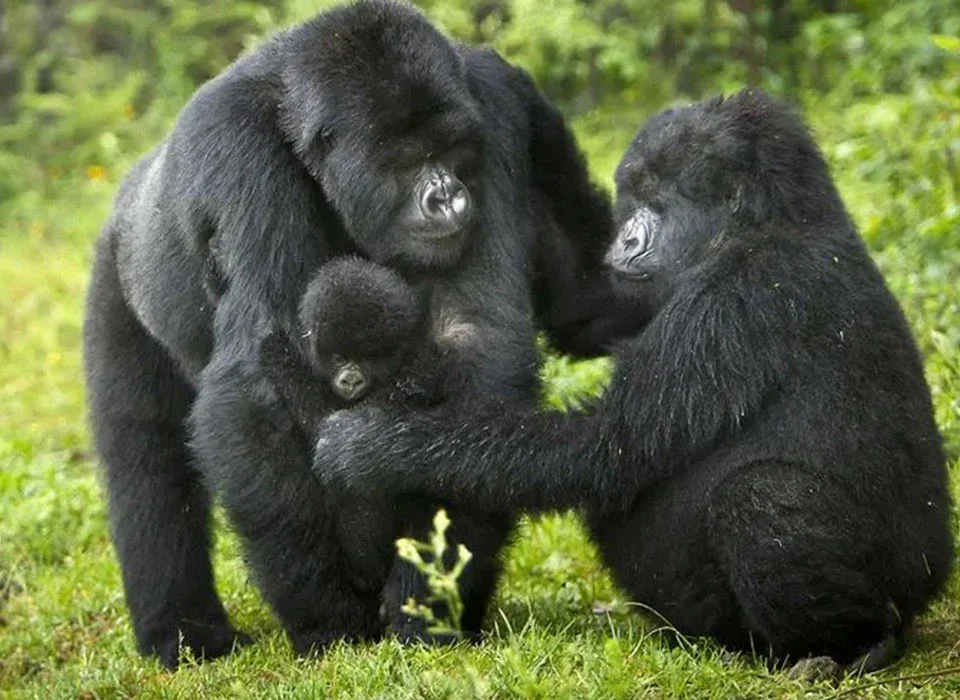
- Grooming one another.
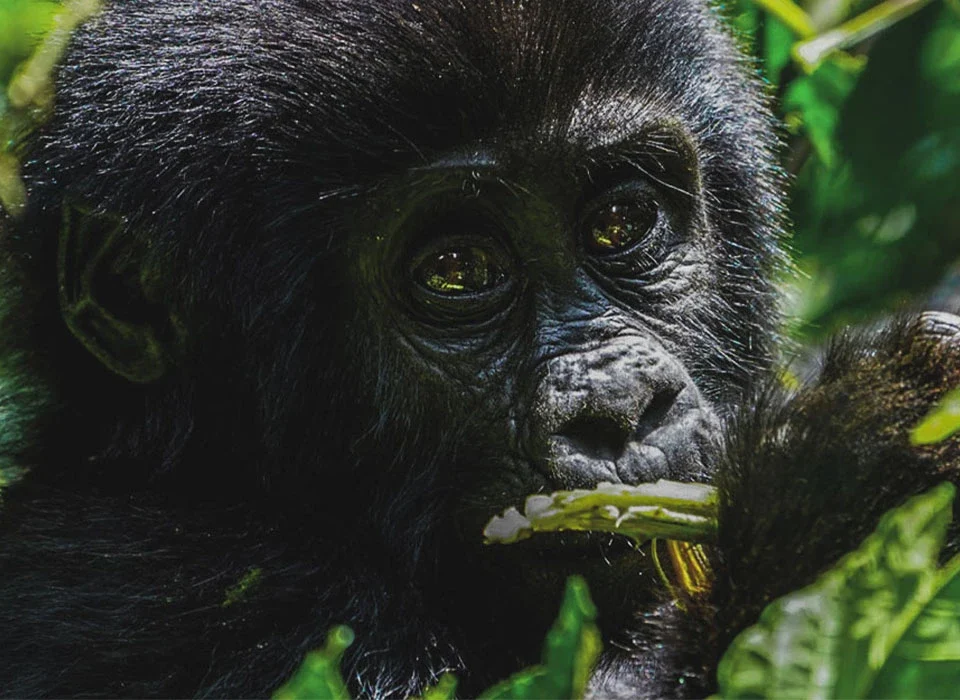
- Feeding on vegetation.
- Resting beneath forest trees.
- Playing with younger members.
- Moving through the vegetation.
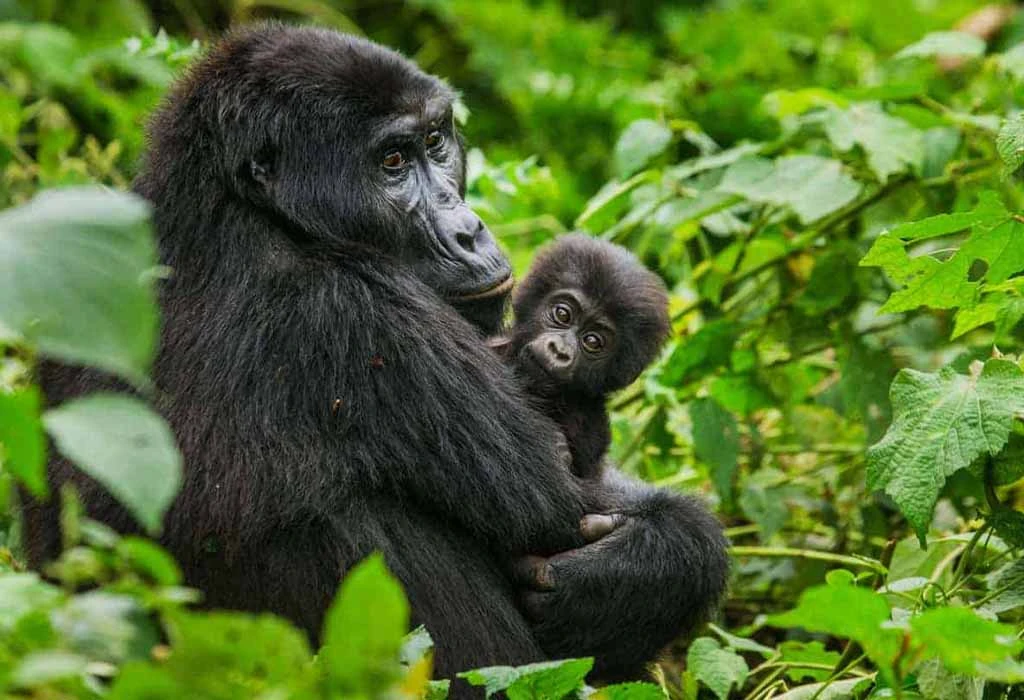
- Caring for their young.
These moments make gorilla trekking in Uganda particularly memorable because the experience is not simply about taking photographs. It is about observing the behavior of an extraordinary primate at close range while remaining within established wildlife-viewing guidelines.
Moreover, every trek is different. Some groups may be found relatively close to the trailhead, while others can require several hours of hiking. Consequently, the physical challenge becomes part of the adventure.
How Much Does Gorilla Trekking Cost?
One of the biggest questions travelers ask is about the cost of gorilla trekking.
Permit prices are only one part of the total safari budget. Travelers also need to consider transportation, accommodation, meals, guide services, park-related costs, and other activities.
The permit price is $800 per person for Uganda and $1,500 per person for Rwanda. Because wildlife tariffs can change, travelers should confirm the current price with the relevant wildlife authority before booking.
Beyond the permit, a typical gorilla safari budget may include:
- Gorilla trekking permit.
- Accommodation before and after trekking.
- Private or shared transportation.
- Professional driver-guide services.
- Meals and drinking water.
- Park or activity fees where applicable.
- Cultural experiences.
- Optional chimpanzee or wildlife activities.
Therefore, when asking “Is gorilla trekking worth the money?” it is better to consider the entire experience rather than looking only at the permit price.
Why Is Gorilla Trekking Expensive?
Gorilla trekking is expensive partly because the activity operates under strict conservation controls. Mountain gorillas live in sensitive forest habitats, and tourism must be carefully managed to reduce disturbance.
The money generated through tourism helps support the wider conservation system, including protected-area management, monitoring, ranger activities, research, and community initiatives.
At the same time, tourism creates employment for guides, trackers, drivers, accommodation providers, porters, craftspeople, and other people working around the tourism sector.
This connection between tourism and conservation is important. The forests where mountain gorillas live are also home to many other species of plants, birds, mammals, insects, and other organisms. Protecting these forests therefore has benefits beyond gorillas alone.
Conservation is part of the experience.
A gorilla trekking permit contributes to an organized conservation system.
For travelers, this means that the money spent on the trek is connected to more than the few hours spent inside the forest. It helps maintain the tourism infrastructure and conservation framework that makes controlled gorilla viewing possible.
For that reason, the benefits of gorilla trekking should be considered alongside the personal experience.
The Experience Goes Beyond Seeing Gorillas
Another reason many travelers consider gorilla trekking worth the investment is the journey itself.
Bwindi, for example, is famous for its steep slopes, thick vegetation, and challenging trails. Walking through the forest can be demanding, particularly when the ground is wet or muddy.
However, that physical effort often makes the eventual gorilla encounter feel even more rewarding.
You may begin the morning wondering how far you will have to walk. Then, after following the trackers through the forest, you suddenly hear movement in the vegetation. A few moments later, a silverback appears between the trees.
That transition from uncertainty to discovery is one of the experiences that makes gorilla trekking in Uganda different from many conventional safari activities.
Furthermore, the forest itself becomes part of the attraction. You may encounter birds, butterflies, forest plants, monkeys, and other wildlife along the way.
Gorilla Trekking in Uganda or Rwanda?
Both Uganda and Rwanda provide opportunities to trek mountain gorillas, but the experiences have some practical differences.
Uganda offers gorilla trekking in Bwindi and Mgahinga. Bwindi is particularly known for its extensive forest landscape and several trekking sectors, including Buhoma, Ruhija, Rushaga, and Nkuringo.
Rwanda’s gorilla trekking takes place in Volcanoes National Park, which is part of the larger Virunga mountain ecosystem.
When choosing between the two destinations, travelers should consider more than the permit price.
Important factors include:
- Your overall safari itinerary.
- Accommodation preferences.
- Available travel time.
- Transportation arrangements.
- Trekking sector or trail.
- Other wildlife activities you want to include.
- Your overall safari budget.
Therefore, there is no single answer for every traveler. The better option depends on what you want from your East African journey.
Combining Gorilla Trekking With a Uganda Safari
One effective way to increase the value of your trip is to combine gorilla trekking with other experiences.
For example, you could combine your Uganda gorilla trekking experience with wildlife viewing in Queen Elizabeth National Park. You might also include a boat cruise on the Kazinga Channel, chimpanzee tracking in Kibale Forest, or a visit to Lake Bunyonyi.
Similarly, travelers interested in northern Uganda can combine gorilla trekking with a wider Uganda safari itinerary that includes Murchison Falls National Park or other destinations.
This approach allows you to experience different landscapes and wildlife habitats during one trip.
For example, your safari could include:
- Gorilla trekking in Bwindi.
- Wildlife viewing in Queen Elizabeth.
- Chimpanzee tracking in Kibale.
- A boat cruise on the Kazinga Channel.
- Cultural experiences around southwestern Uganda.
As a result, the gorilla permit becomes one component of a much broader African adventure.
The Cultural Side of Gorilla Trekking
Gorilla trekking also creates opportunities to interact with communities living around protected areas.
In southwestern Uganda, visitors can include community walks and cultural experiences around Bwindi and Mgahinga. These activities provide an opportunity to learn about local traditions, livelihoods, crafts, food, music, and the relationship between communities and the surrounding landscape.
For a more meaningful trip, consider spending time outside the national park as well.
A responsible cultural visit should focus on genuine interaction and respect rather than treating communities simply as tourist attractions.
This is another reason why gorilla trekking is worth the cost for travelers who want more than a wildlife photograph. The experience can connect wildlife conservation, local livelihoods, culture, and travel in one journey.
Is Gorilla Trekking Physically Difficult?
Yes, gorilla trekking can be physically demanding.
The difficulty depends on the location of the gorilla family on the day of your trek. Terrain can be steep, slippery, muddy, or densely vegetated. Consequently, travelers should prepare for a genuine forest hike rather than expecting a short walk from a vehicle.
However, you do not need to be an elite athlete to participate. Preparation can make a significant difference.
Before your trek, consider:
- Walking regularly before your safari.
- Bringing comfortable hiking shoes.
- Carrying enough drinking water.
- Wearing suitable long-sleeved clothing.
- Using a walking stick if needed.
- Hiring a porter for additional assistance.
Porters can be particularly helpful because they can assist with difficult sections of the trail while also providing employment opportunities within surrounding communities.
What Do You Actually Get for Your Money?
When considering whether gorilla trekking worth the money, think about everything included in the experience rather than focusing only on the number of hours spent with the gorillas.
Your investment supports a highly controlled wildlife experience involving trained guides, trackers, park staff, conservation systems, and protected forest habitats.
You also gain access to an experience that cannot easily be replicated elsewhere.
A typical day can involve an early morning briefing, transportation or walking to the trailhead, several hours of forest trekking, time observing the gorillas, and the journey back to the starting point.
In other words, gorilla trekking is not simply an attraction. It is an expedition.
How to Make Gorilla Trekking More Affordable
Although the permit represents a significant expense, travelers can manage the overall cost by planning carefully.
Start by choosing accommodation that fits your budget. Bwindi and the surrounding areas have different accommodation options, from luxury lodges to mid-range properties and simpler guesthouses.
You can also combine activities to reduce unnecessary transfers. A well-planned itinerary can allow you to experience gorilla trekking alongside other attractions without repeatedly traveling long distances.
Traveling with a small group can also help spread some transportation and guiding costs.
Most importantly, book through a reputable operator that clearly explains what is included in your package.
Why Choose Experiya Tour Company?
Experiya Tour Company helps travelers organize Uganda safari experiences around their interests, available time, and budget.
For travelers planning gorilla trekking in Uganda, a well-organized itinerary can make the difference between spending unnecessary time on the road and enjoying a smoother safari experience.
Experiya Tour Company can help arrange transportation, accommodation, gorilla trekking permits, professional guiding, and additional activities depending on your itinerary.
Whether you want a focused gorilla safari or a longer Uganda adventure, the itinerary can be built around the experiences that matter most to you.
Final Answer: Is Gorilla Trekking Worth the Money?
So, is gorilla trekking worth the money?
The answer depends on what you value in a safari. If your priority is seeing as many animals as possible for the lowest possible cost, gorilla trekking may require a different way of thinking about value.
However, if you are looking for a rare wildlife encounter, an immersive forest adventure, and an opportunity to support conservation and tourism-dependent communities, gorilla trekking offers a distinctive experience.
You are not simply paying for a few moments beside a gorilla family. You are paying for access to a carefully managed conservation environment, professional tracking and guiding, protected habitat, and an experience that is difficult to reproduce anywhere else.
Moreover, combining the trek with chimpanzee tracking, wildlife viewing, cultural experiences, or a broader Uganda safari can make your overall journey even richer.
For travelers planning their first gorilla adventure, the most important step is to understand the costs, choose the right destination, prepare physically, and work with a reliable tour operator.
With thoughtful planning, gorilla trekking in Uganda can become one of the defining experiences of an East African safari and a journey you remember long after you leave the forest.