Uganda’s Currency: A Traveler’s Guide to the Ugandan Shilling
September 4, 2025
Ishasha Sector: A Hotspot for Tree-Climbing Lions
September 4, 2025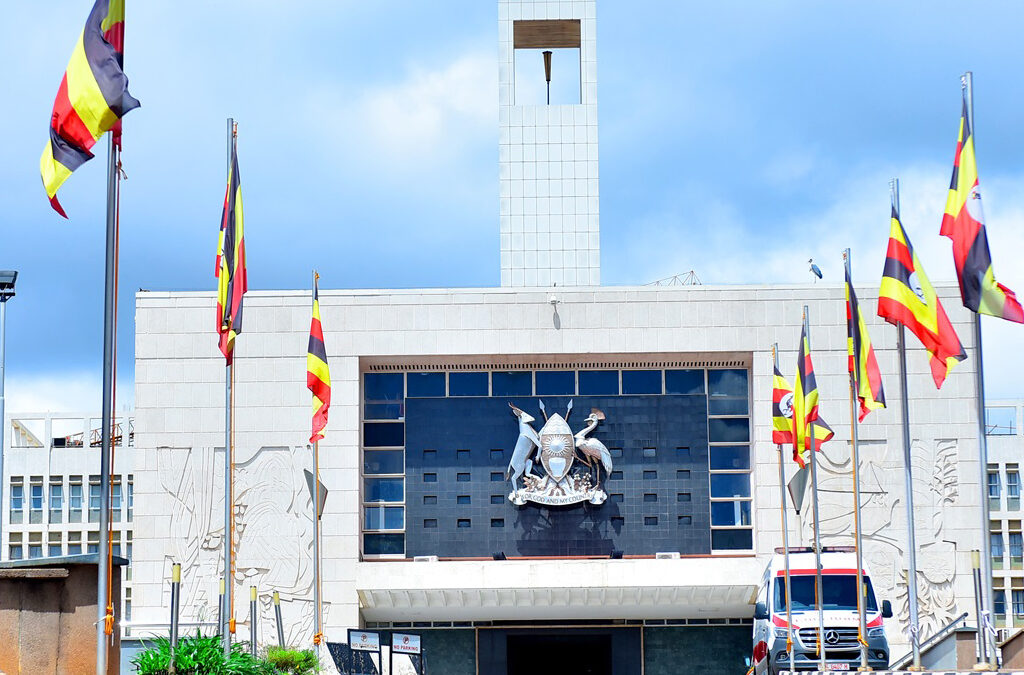
Uganda’s Parliament is more than a symbol of governance; it actively shapes the nation’s future. Nestled in the heart of Kampala, this iconic institution reflects the country’s democratic values and rich political history. Visiting Uganda’s Parliament offers travelers and locals alike a unique opportunity to witness legislation, debate, and civic engagement in action. The experience is both educational and inspiring, leaving a lasting impression on anyone interested in governance, culture, or leadership.
Uganda’s Parliament: A Cornerstone of Democracy
Established under the 1995 Constitution, Uganda’s Parliament serves as the cornerstone of the country’s democratic system. Unlike bicameral legislatures, which have two chambers, Uganda’s Parliament is unicameral. Here, all Members of Parliament (MPs) convene in a single chamber to debate and make decisions efficiently while maintaining robust checks and balances.
The Parliament comprises several categories of members:
- Directly Elected MPs: Represent constituencies nationwide and voice the concerns of their communities.
- Special Interest Group Representatives: Include women, youth, persons with disabilities, and Uganda People’s Defence Forces (UPDF) representatives, ensuring diverse perspectives in legislative processes.
- Ex-Officio Members: Government officials, such as the Prime Minister and Ministers, who participate actively in parliamentary business despite not being elected MPs.
Overseeing these proceedings is the Speaker of Parliament, who enforces rules, maintains order, and ensures debates follow democratic principles.
Highlights of the Tour
A visit to Uganda’s Parliament offers a multi-dimensional experience, combining education, history, and culture. Key highlights include:
1. Explore the Parliamentary Chambers
Visitors step into a modern chamber where MPs engage in debates and draft laws. The chamber’s impressive architecture, strategically designed seating, and state-of-the-art technology provide a tangible connection to Uganda’s legislative process. Observing parliamentary proceedings in action offers firsthand insight into the responsibilities of elected officials.
2. Understand Legislative Processes
Guided tours explain each stage of lawmaking, from drafting and debate to committee review and final approval. This walkthrough highlights the intricate checks and balances within Uganda’s governance, demonstrating transparency, accountability, and the commitment to public interest.
3. Visit Historical Exhibits
The Parliament complex features exhibits showcasing Uganda’s political milestones. Visitors can explore events such as the nation’s independence in 1962, the adoption of the 1995 Constitution, and landmark legislative achievements. These displays offer context for Uganda’s democratic evolution and enrich the visitor experience.
4. Meet Legislators (Subject to Availability)
Some tours allow rare opportunities to interact with MPs or parliamentary officials. Visitors can ask questions and gain personal insights into the work of lawmakers, making the tour especially valuable for students, researchers, and civic enthusiasts.
5. Experience Cultural and Architectural Heritage
The Parliament building celebrates Uganda’s cultural diversity. Traditional art, architectural motifs, and cultural symbols adorn the halls and gardens, offering a visually enriching experience alongside educational insights into governance.
Best Time to Visit
To witness live parliamentary debates, plan your visit during plenary sessions, typically held Tuesday through Thursday. Guided tours are available on weekdays, but advance booking is essential for a well-organized and enjoyable experience.
Key Areas to Explore
- Public Gallery: Provides a clear view of live parliamentary sessions.
- Committee Rooms: Where small groups of MPs address specific issues like finance, health, or education.
- Parliamentary Gardens: Offer a serene retreat amid the vibrant atmosphere of the complex.
Tips for Visitors
- Book in Advance: Contact the Parliamentary Public Relations Office to secure your tour.
- Dress Appropriately: Business or smart casual attire is recommended.
- Carry Identification: A valid ID, such as a passport or national ID, is required.
- Respect Protocol: Photography may be restricted in certain areas; maintain decorum at all times.
- Prepare Questions: Thoughtful questions enhance your understanding, especially during interactions with MPs or officials.
How to Get to Uganda’s Parliament
Conveniently located near landmarks such as the Kampala Serena Hotel and Constitution Square, the Parliament is easily accessible:
- Private Vehicle: Parking is available with prior clearance.
- Public Transport: Buses and taxis frequently stop near Parliament Avenue.
- Boda Bodas: Motorcycle taxis offer a quick and flexible way to navigate Kampala traffic.
Conclusion
A tour of Uganda’s Parliament goes beyond sightseeing it immerses visitors in the heart of Uganda’s democracy. From observing live debates to exploring historical exhibits and engaging with lawmakers, visitors gain a deeper understanding of governance, culture, and civic values. Whether you are a student, researcher, local citizen, or international traveler, this experience is educational, inspiring, and unforgettable. Visiting Uganda’s Parliament allows you to witness democracy in action while appreciating the nation’s rich cultural heritage.