

The Bachwezi Spirits in Uganda
September 4, 2025
Explore Uganda’s Parliament: A Hub of Democracy and Culture
September 4, 2025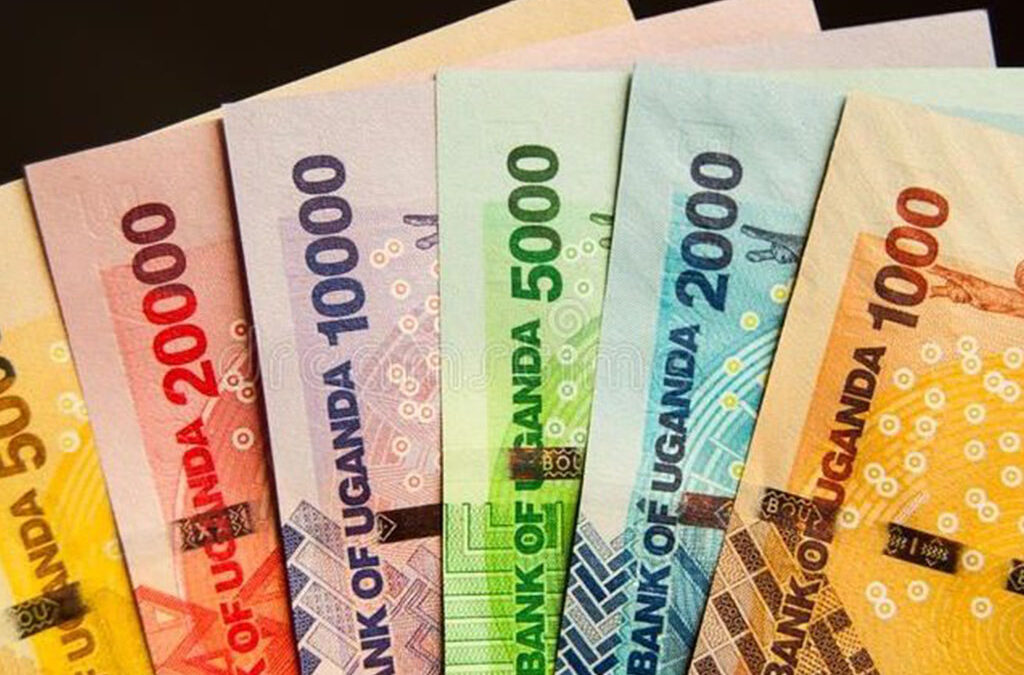
Uganda, known as the “Pearl of Africa,” welcomes visitors with breathtaking landscapes, rich wildlife, and vibrant culture. To experience all this smoothly, one must understand Uganda’s official currency the Ugandan Shilling (UGX). The shilling is the backbone of daily life, used for everything from buying fruit at a local market to paying for safari lodges and cultural experiences. For travelers, knowing how the currency works, its denominations, and the best ways to exchange and use money is essential for avoiding inconvenience and budgeting effectively.
A Brief History of the Ugandan Shilling
The Ugandan Shilling was introduced in 1966, replacing the East African Shilling that had been used in Kenya, Tanzania, and Uganda. Since then, the currency has undergone several changes in design and value, reflecting both the country’s history and economic growth.
Modern banknotes and coins are beautifully designed with images that showcase Uganda’s national heritage, cultural icons, and natural treasures. For example, notes feature Uganda’s wildlife such as gorillas and elephants, as well as significant landmarks and traditional symbols. These artistic elements not only make the currency functional but also educational for travelers who are curious about the nation’s identity.
Denominations and Daily Usage
Uganda’s currency is available in both coins and banknotes, with each serving different purposes in daily life.
Coins
Ugandan coins come in denominations of 50, 100, 200, 500, and 1,000 shillings. While coins are still in circulation, they are more commonly used in rural markets, small shops, and for short-distance public transport fares such as boda-boda rides (motorcycle taxis). In urban centers like Kampala or Entebbe, coins are used less frequently since most transactions involve higher amounts.
Banknotes
Banknotes, on the other hand, are more widely used and come in values of 1,000, 2,000, 5,000, 10,000, 20,000, and 50,000 shillings. Larger denominations are practical for paying in hotels, safari lodges, supermarkets, and when making major purchases. The notes are color-coded, making them easy to distinguish, and their designs highlight Uganda’s heritage, culture, and wildlife.
Practical Tip: When traveling, carry a combination of small and medium denominations. Smaller bills are useful in markets, for tips, or when paying for snacks and public transport. Larger notes are more convenient for lodges, safari tours, and long-distance travel.
Exchanging Currency in Uganda
Travelers arriving in Uganda have several options for exchanging money into Ugandan Shillings. Each comes with its own advantages and considerations.
- Banks: Major banks in Kampala, Entebbe, Jinja, and other large towns provide secure exchange services. They offer official rates and reliability, though queues can sometimes be long.
- Bureaux de Change: These licensed exchange offices are commonly found in urban areas. They often provide competitive rates and faster service than banks, making them a popular choice for tourists.
- Hotels: Some upscale hotels and lodges offer exchange services, though their rates tend to be less favorable compared to banks or bureaux.
Traveler’s Note: Avoid exchanging money with street vendors. While they may approach offering “better rates,” this often leads to scams or counterfeit notes. Stick to banks or reputable exchange bureaus for safety.
Using ATMs and Bank Cards
ATMs are widely available in Uganda’s major cities and towns, including Kampala, Entebbe, Jinja, Mbarara, and Gulu. Most machines accept Visa, Mastercard, and Maestro cards, allowing travelers to withdraw shillings directly. However, in rural areas, remote regions, and national parks, ATMs are rare or unavailable.
Tips for ATM Use:
- Notify your bank before traveling to avoid having your card blocked for unusual activity.
- Withdraw money in shillings rather than foreign currency, as local transactions require UGX.
- Always carry backup cash, especially when traveling to remote areas or national parks.
Using Cards
Credit and debit cards are increasingly accepted in urban Uganda, particularly in hotels, restaurants, supermarkets, and safari lodges. However, card facilities may not always be reliable due to power outages or connectivity issues. Moreover, small businesses, local shops, and transport providers typically require cash. For this reason, carrying shillings is still the most practical choice for day-to-day expenses.
Budgeting Tips for Travelers
Understanding Uganda’s cost of living and how to manage money can help travelers budget effectively during their trip.
- Daily Expenses: Meals in local restaurants, public transport, and small crafts from markets can all be paid for using small bills. A few thousand shillings often go a long way in covering simple, everyday expenses.
- Safaris and Lodges: Larger bills or card payments are more common here. Many tour operators also accept US dollars, especially for safari packages, park entrance fees, or permits like gorilla trekking.
- Tipping and Miscellaneous: Keep small denominations readily available for tipping guides, hotel staff, and porters. Tipping is not mandatory, but it is appreciated as a gesture of gratitude.
- Emergency Funds: It is wise to carry some backup cash in US dollars, which is easily exchangeable across Uganda. USD is particularly useful in emergencies or when traveling in rural areas where ATMs may not function.
Interesting Facts About Ugandan Currency
Uganda’s money is more than a medium of exchange; it tells stories of the nation’s culture and environment.
- Banknotes often feature iconic animals such as elephants, gorillas, and lions—symbols of Uganda’s wildlife heritage.
- The 50,000-shilling note is the highest denomination, commonly used for major transactions.
- Currency designs reflect Uganda’s natural beauty, from Lake Victoria to agricultural landscapes, serving as miniature ambassadors of the country’s pride.
For collectors and curious travelers, Ugandan banknotes are memorable souvenirs that carry both artistic and cultural value.
Conclusion
Uganda’s currency, the Ugandan Shilling, plays a central role in both daily life and the travel experience. From the practical use of coins in local markets to the convenience of banknotes in safari lodges, the shilling is indispensable for smooth transactions across the country. By understanding the denominations, knowing the safest exchange options, and preparing for both urban and rural settings, travelers can avoid unnecessary stress.
Carrying a thoughtful mix of small and large bills, relying on secure ATMs or exchange offices, and keeping backup cash in US dollars ensures peace of mind throughout the journey. Whether you are shopping in a bustling Kampala market, tipping a guide in Bwindi, or settling a bill at a luxury safari lodge, being prepared with the right currency allows you to focus on what truly matters enjoying Uganda’s remarkable culture, breathtaking landscapes, and unforgettable wildlife experiences.