What You Need to Know About Rwanda Before You Travel
May 11, 2026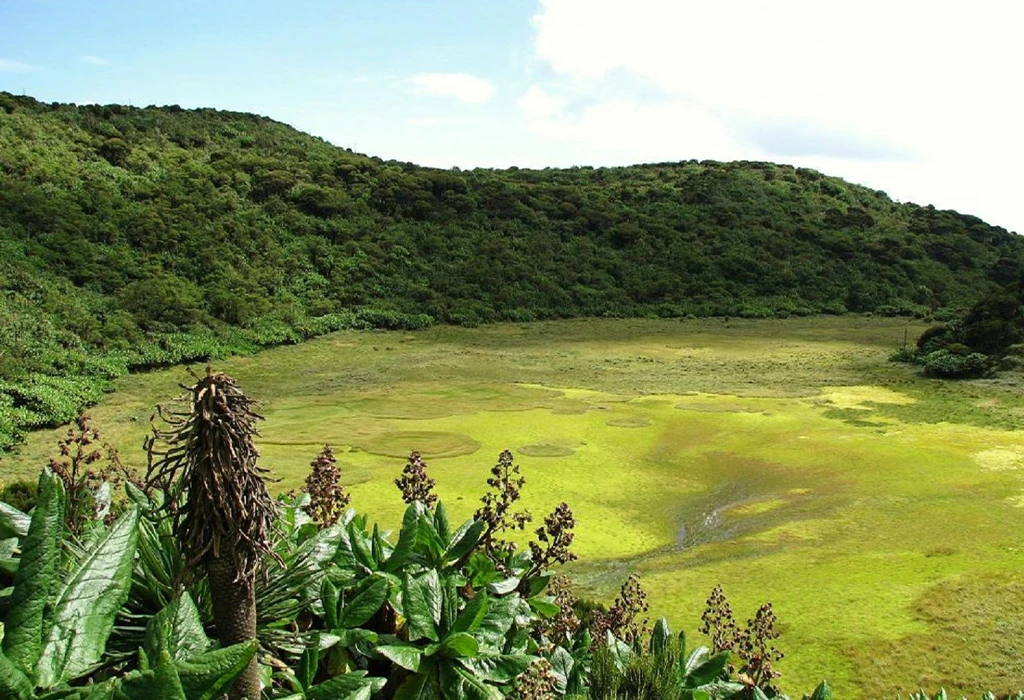
The Beauty of Mgahinga Mountains with a Swamp on Top
May 11, 2026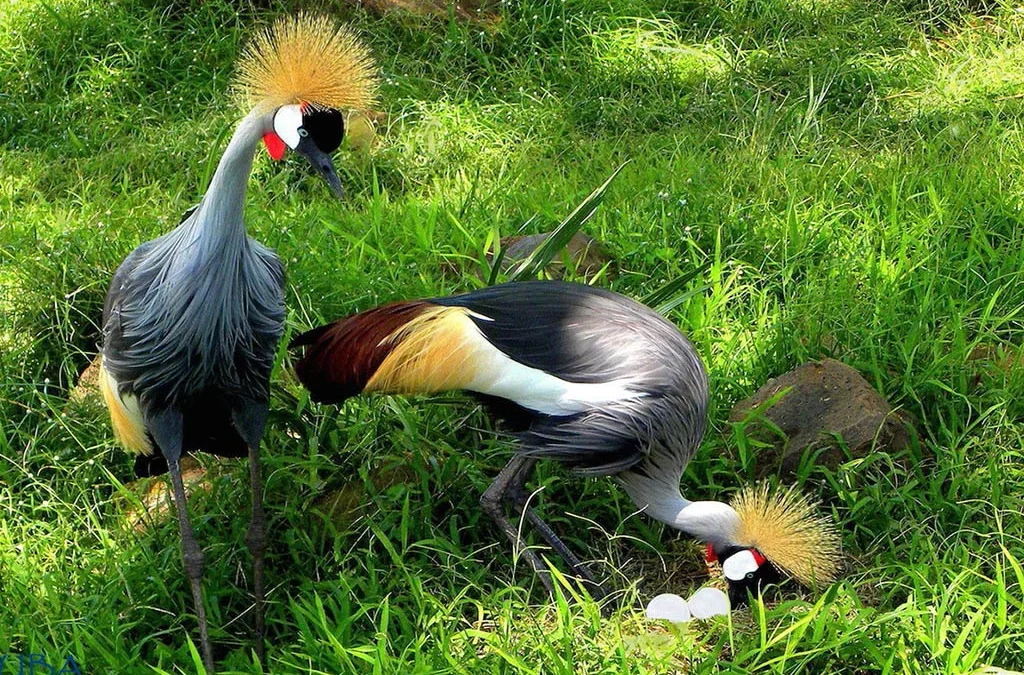
The crested crane of Uganda, scientifically known as the Grey Crowned Crane (Balearica regulorum gibbericeps), stands among the most admired birds in Africa. With its elegant posture, striking golden crown, and graceful movements, this magnificent bird captures the hearts of both locals and travelers visiting Uganda. More importantly, the crested crane represents far more than beauty. It serves as a national symbol of peace, pride, and unity, making it deeply woven into Uganda’s identity and culture.
From wetlands and grasslands to the national flag itself, the crested crane holds a unique place in Uganda’s history and natural heritage. Travelers exploring Uganda’s national parks often consider spotting this bird one of the highlights of their safari experience. Whether you are a passionate birder, a wildlife photographer, or simply a nature lover, learning about the crested crane adds another layer of appreciation to Uganda’s incredible biodiversity.
Uganda’s Proud National Bird
Uganda officially adopted the crested crane as its national bird because of its gentle nature, elegance, and calm behavior. Unlike aggressive birds of prey often chosen by other nations, Uganda selected a bird that symbolizes peace and harmony. This decision reflects the country’s values and aspirations for unity and prosperity.
The crested crane appears prominently on Uganda’s coat of arms and national flag. On the flag, the bird stands gracefully on one leg with the other raised forward, representing progress and continuous movement into the future. Over the years, this iconic image has become one of the most recognizable symbols of Uganda around the world.
For many Ugandans, the crested crane inspires pride and emotional connection. Its beauty reflects the natural richness of the country, while its calm temperament mirrors the welcoming spirit for which Uganda is famous.
The Stunning Golden Crown
One of the first things people notice about the crested crane is the dazzling crown of golden feathers on its head. These stiff, spiky feathers create a regal appearance that makes the bird instantly recognizable. In fact, this unique feature gave rise to the name “crested crane.”
In addition to its golden crown, the bird displays several other striking features. It has a soft grey body, white wings accented with chestnut and gold, bright red throat sacs, and elegant black legs. Its face contains patches of red and white skin that further enhance its beauty.
When sunlight reflects off the crown feathers, the bird appears almost majestic. As a result, wildlife photographers and bird enthusiasts often consider the crested crane one of Africa’s most photogenic birds.
A Symbol of Love and Loyalty
Beyond its beauty, the crested crane also symbolizes love and devotion. These birds form strong monogamous relationships and typically mate for life. Once a pair bonds, they remain together and cooperate in raising their young.
This remarkable loyalty has made the crested crane an important symbol in many African traditions and cultural stories. In Uganda, people often associate the bird with faithfulness, unity, and stable family life.
During courtship, male and female cranes perform elaborate dances together. They bow gracefully, flap their wings, leap into the air, and produce loud calls in synchronized movements. These performances not only strengthen pair bonds but also create one of the most spectacular wildlife displays in Uganda’s wetlands.
Visitors fortunate enough to witness these courtship dances often describe the experience as magical. The movements appear rhythmic, elegant, and almost choreographed, showcasing the intelligence and social nature of these fascinating birds.
Unique Habitats Across Uganda
Crested cranes thrive in wetlands, marshes, floodplains, and open grasslands. Uganda’s diverse ecosystems provide ideal conditions for the species, especially in areas with shallow water and abundant vegetation.
The birds commonly feed on seeds, insects, frogs, worms, small reptiles, and aquatic plants. Since they are opportunistic feeders, they adapt their diet depending on seasonal conditions and food availability.
Several national parks and protected areas in Uganda offer excellent opportunities to observe crested cranes in their natural environment. Queen Elizabeth National Park remains one of the best places to spot them, particularly around wetland areas and open savannahs. Lake Mburo National Park also hosts healthy populations, while Murchison Falls National Park frequently rewards birders with memorable sightings.
In addition, many wetlands near rural communities support crane populations, although increasing human activity continues to threaten these habitats.
An Unusual Ability Among Cranes
Unlike most crane species around the world, the crested crane possesses the rare ability to perch and roost in trees. This unique adaptation sets it apart from many other large birds.
The bird achieves this through its long hind toe, which allows it to grip branches securely. As evening approaches, crested cranes often fly into trees to rest safely above ground, protecting themselves from predators.
This fascinating behavior surprises many travelers because large cranes typically remain on the ground. However, the crested crane’s tree-roosting habit demonstrates its remarkable adaptability and survival skills.
Facing the Threat of Extinction
Although the crested crane remains widely recognized across Uganda, its population has declined significantly over the years. The International Union for Conservation of Nature (IUCN) currently lists the Grey Crowned Crane as Endangered.
Habitat destruction stands among the greatest threats to its survival. As wetlands disappear due to agriculture, urban expansion, and drainage projects, cranes lose critical breeding and feeding grounds. Furthermore, illegal capture for trade and human disturbance continue to affect breeding success.
Climate change also creates additional challenges by altering rainfall patterns and reducing the availability of wetland habitats. Consequently, conservation organizations and wildlife authorities have intensified efforts to protect remaining crane populations.
Uganda Wildlife Authority, conservation groups, and local communities now work together to raise awareness about the importance of wetland conservation. Education programs encourage communities to protect crane habitats rather than destroy them.
Travelers can also contribute to conservation efforts by supporting responsible tourism and eco-friendly safaris that promote wildlife protection.
Cultural Importance in Uganda
The crested crane carries deep cultural significance throughout Uganda. Many traditional songs, dances, and stories celebrate the bird’s elegance and peaceful character. In some communities, people believe the crane brings good fortune and harmony.
Its calm and non-aggressive nature also distinguishes it from many other birds. Rather than symbolizing power through force, the crested crane represents dignity, grace, and coexistence.
Because of these qualities, the bird continues to inspire artists, musicians, schools, sports teams, and national institutions across Uganda. It serves as a reminder of the country’s natural beauty and cultural identity.
The Best Places to See Crested Cranes in Uganda
Travelers interested in birdwatching can encounter crested cranes in several parts of Uganda. Queen Elizabeth National Park offers excellent sightings, especially in open plains and wetlands. Meanwhile, Lake Mburo National Park provides close viewing opportunities due to its rich birdlife and accessible landscapes.
Murchison Falls National Park also supports healthy crane populations, particularly near marshes and riverbanks. Additionally, wetlands around Mabamba Swamp near Lake Victoria sometimes host these elegant birds alongside Uganda’s famous shoebill stork.
Birdwatching safaris with Experiya Tour Company allow visitors to explore these remarkable habitats while learning more about Uganda’s unique bird species. Experienced guides help travelers identify cranes and understand their behaviors, habitats, and conservation challenges.
Experience Uganda’s Graceful National Symbol
Seeing a crested crane in the wild creates a memorable connection to Uganda’s natural heritage. Its graceful movements, vibrant crown, and peaceful presence leave lasting impressions on everyone fortunate enough to encounter it.
More than just a beautiful bird, the crested crane represents Uganda’s identity, resilience, and hope for the future. However, protecting this national treasure requires collective conservation efforts and responsible tourism practices.
As you plan your next Uganda safari with Experiya Tour Company, take time to explore the country’s wetlands and national parks where these magnificent birds thrive. Watching a crested crane dance across the savannah or glide over a marshland offers a truly unforgettable African wildlife experience.