Jinja City Experience in Uganda With Experiya Tour Company
December 17, 2025
Are Gorillas Primates?
December 17, 2025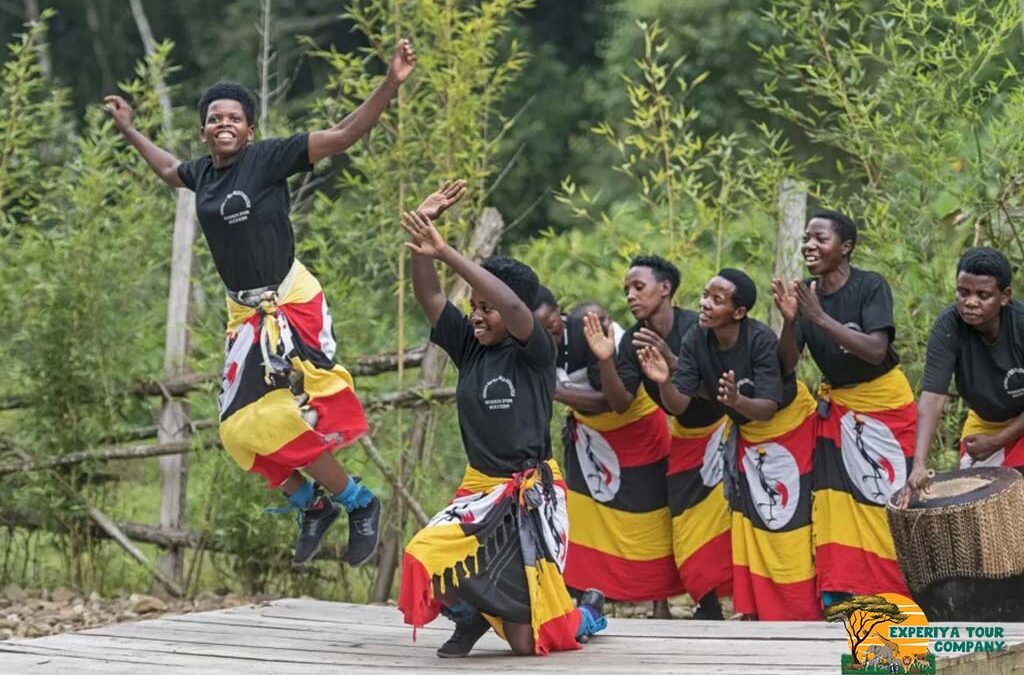
An Immersive Introduction to Batwa Heritage
The Nkuringo Batwa Cultural Experience offers an immersive and interactive journey into the ancient lifestyle of one of Africa’s oldest indigenous communities—the Batwa people. Located on the edge of Bwindi Impenetrable National Park in southwestern Uganda, this enriching encounter allows travelers to learn directly from Batwa elders and youth. Through storytelling, music, dance, and hands-on demonstrations, visitors gradually gain a deeper understanding of the Batwa’s profound connection to the rainforest.
More importantly, this experience goes beyond learning. It actively empowers the Batwa community by supporting social and economic development while helping preserve a cultural heritage that once depended entirely on forest life.
Understanding the Nkuringo Batwa Cultural Experience
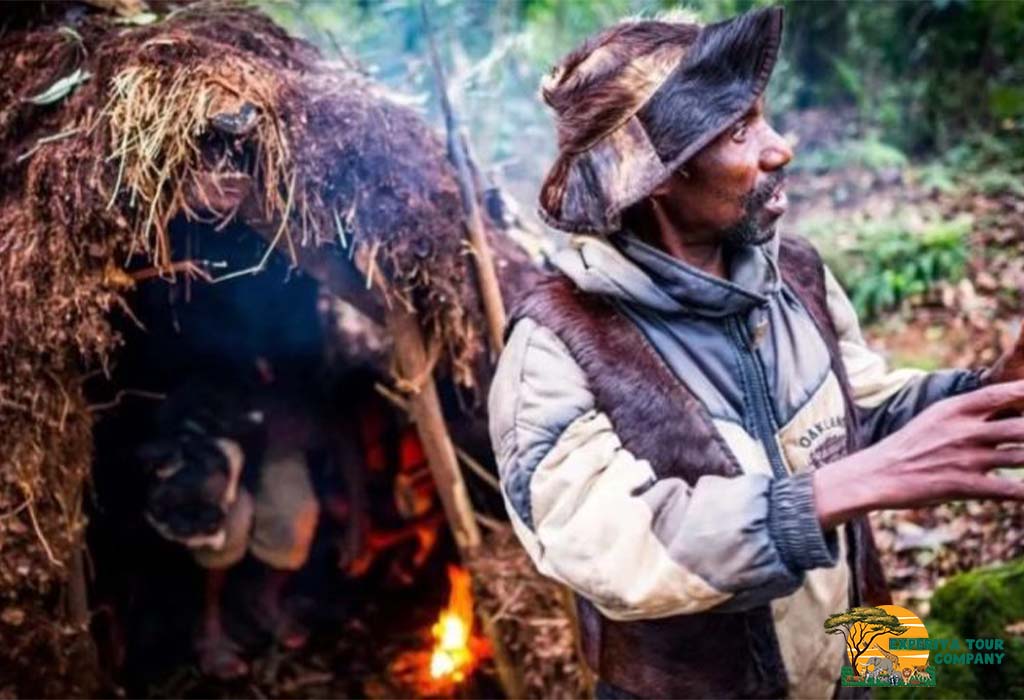
The Nkuringo Batwa Cultural Experience is a community-led cultural tour designed to present an authentic picture of Batwa life before their displacement from the Bwindi Forest. From the very beginning, Batwa guides lead every aspect of the visit, ensuring respectful interaction and meaningful cultural exchange.
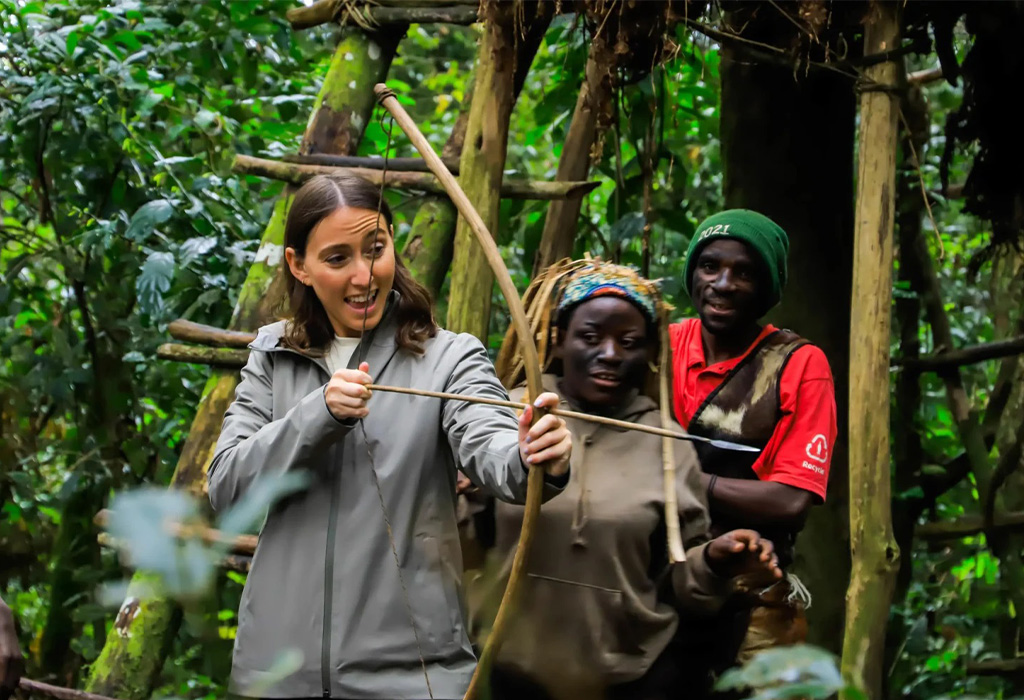
During the experience, guests take part in guided forest walks, observe hunting and gathering demonstrations, listen to traditional songs and stories, and learn practical skills such as herbal medicine preparation and basket weaving. Step by step, Batwa guides explain how the forest shaped their survival strategies, spiritual beliefs, and collective identity.
A Closer Look at the Batwa People
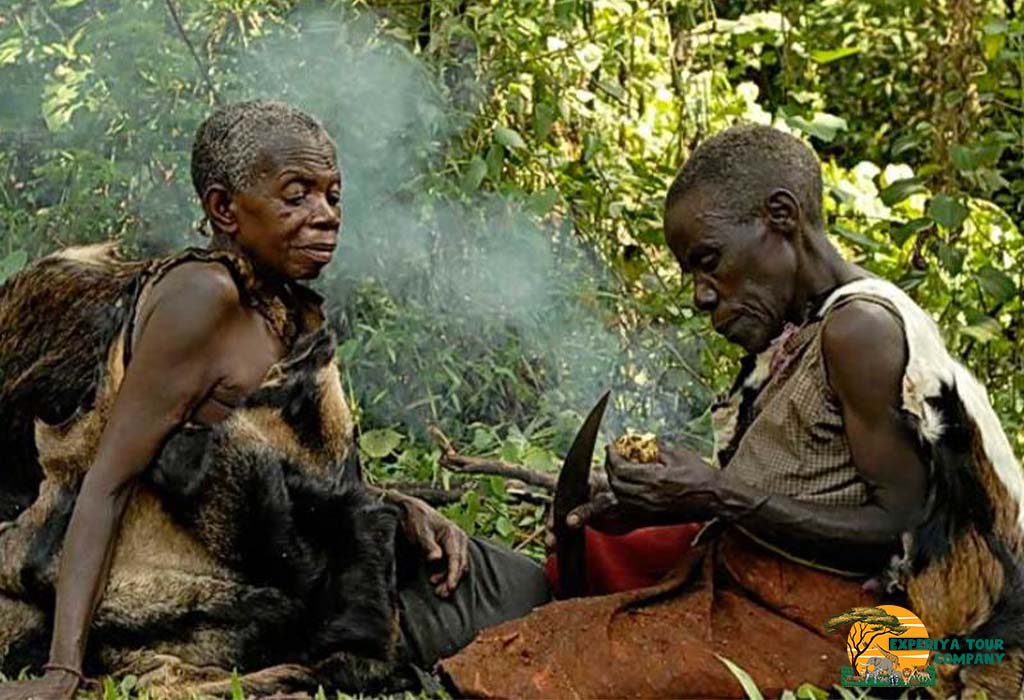
The Batwa are an indigenous forest-dwelling community traditionally found in the rainforests of present-day Uganda, Rwanda, and the Democratic Republic of Congo. For thousands of years, they lived as semi-nomadic hunter-gatherers in what are now Bwindi Impenetrable and Mgahinga Gorilla National Parks.
In the past, the Batwa relied entirely on the forest for survival. They hunted using bows and arrows, collected wild honey, constructed natural shelters, and treated illnesses with medicinal plants. At the same time, their spiritual beliefs were deeply rooted in nature, with forests and ancestral spirits guiding everyday life.
However, in 1991, the designation of Bwindi and Mgahinga as national parks led to the Batwa’s forced eviction without compensation. As a result, many families lost not only their land but also their cultural identity and livelihoods. Today, community-based cultural tourism initiatives such as this experience play a crucial role in restoring dignity, pride, and sustainable income.
Location and Access to Nkuringo
Nkuringo is located in the southern sector of Bwindi Impenetrable National Park in Kisoro District, southwestern Uganda. Perched high on the Nteko Ridge, the area rewards visitors with sweeping views of mist-covered forests and the distant Virunga volcanoes.
Travelers can reach Nkuringo by road from Kabale in approximately three to four hours or from Kisoro in about two hours. Alternatively, domestic charter flights land at Kisoro Airstrip, followed by a scenic drive to Nkuringo. Since the terrain is steep and often muddy, particularly during the rainy season, using a 4×4 vehicle is strongly recommended.
Activities You Can Expect During the Visit
The Nkuringo Batwa Cultural Experience blends storytelling, demonstrations, and hands-on participation to create a meaningful encounter. Typical activities include:
- Guided forest walks led by Batwa elders demonstrating traditional hunting, foraging, and honey collection methods
• Cultural performances featuring music, dance, and spiritual rituals
• Oral storytelling sessions that share history, myths, and beliefs
• Craft workshops such as basket weaving and pottery
• Medicinal plant education explaining how forest herbs treated common ailments
Taken together, these activities provide a personal and powerful insight into how the Batwa adapted to life in a dense tropical rainforest.
Duration of the Cultural Experience
In most cases, the experience lasts between two and four hours, depending on visitor interest and group availability. Many travelers prefer a shorter afternoon visit after completing a morning gorilla trek. Nevertheless, half-day and full-day options are available for those seeking deeper cultural immersion, including extended forest walks and more detailed storytelling.
Combining Gorilla Trekking with Batwa Culture
Yes, it is both practical and rewarding to combine gorilla trekking with the Batwa cultural experience. Since gorilla treks in the Nkuringo sector often conclude by early afternoon, visitors commonly schedule the cultural visit later the same day. Alternatively, some travelers choose to dedicate a separate day to fully appreciate each experience.
By combining these activities, visitors gain a broader understanding of Bwindi not only as a protected wildlife sanctuary but also as a former homeland sustained by indigenous communities for generations.
Community Benefits and Local Impact
This initiative directly supports Batwa households and community development projects. A portion of each visitor’s fee contributes to essential services and long-term improvements, including:
- School supplies and educational support for Batwa children
• Medical assistance and health awareness programs
• Clean water and sanitation initiatives
• Vocational training and sustainable income activities
• Cultural preservation and performance programs
Consequently, community-based tourism allows the Batwa to guide their own development while protecting their traditions.
Ethical Considerations and Responsible Tourism
The Nkuringo Batwa Cultural Experience operates through full partnership with the Batwa community. Participation is voluntary, leadership remains local, and compensation is fair. Most importantly, the program emphasizes education, authenticity, and dignity rather than staged performances.
Visitors are encouraged to engage respectfully by asking permission before taking photographs, dressing modestly, and approaching the experience with openness and cultural sensitivity.
Best Time of Year to Visit Nkuringo
The Nkuringo area is open to visitors throughout the year. However, the dry seasons from June to September and December to February offer easier access, clearer skies, and drier walking trails.
That said, visiting during the rainy months of March to May and October to November has its own advantages. During this time, the forest appears especially lush and vibrant, and visitor numbers are generally lower. Travelers should simply be prepared for muddy paths and occasional rainfall.
What to Pack for the Experience
To remain comfortable during the visit, travelers are advised to pack:
- Sturdy hiking shoes or boots
• Lightweight, long-sleeved clothing
• A waterproof jacket or poncho
• Hat and sunglasses
• Insect repellent
• Sunscreen
• A camera with extra batteries
• A reusable water bottle
Optional school supplies such as notebooks or pens may be welcomed. However, participating in the tour itself remains the most meaningful and sustainable way to support the community.
Why This Experience Enriches an Uganda Safari
Including the Nkuringo Batwa Cultural Experience adds depth and purpose to any Uganda safari. While wildlife encounters attract many travelers to the region, this cultural visit reveals the human history that shaped the forest long before conservation boundaries existed.
By taking part in the experience, visitors support responsible tourism, contribute to cultural preservation, and gain rare insight into how indigenous communities once thrived in one of Africa’s most challenging environments.
Final Reflections on the Nkuringo Batwa Cultural Experience
The Nkuringo Batwa Cultural Experience stands out as one of East Africa’s most authentic and ethically guided cultural encounters. It invites travelers to listen, learn, and connect with a resilient community whose forest knowledge spans countless generations. Ultimately, this journey explores not only Uganda’s remarkable biodiversity but also the wisdom, stories, and survival skills of the Batwa people, leaving visitors with deeper understanding, respect, and a lasting positive impact.