Kalinzu Forest Reserve Travel Guide 2027
July 30, 2026
Discover the African Big Five: Your Ultimate Safari Adventure with Experiya Tour Company
July 30, 2026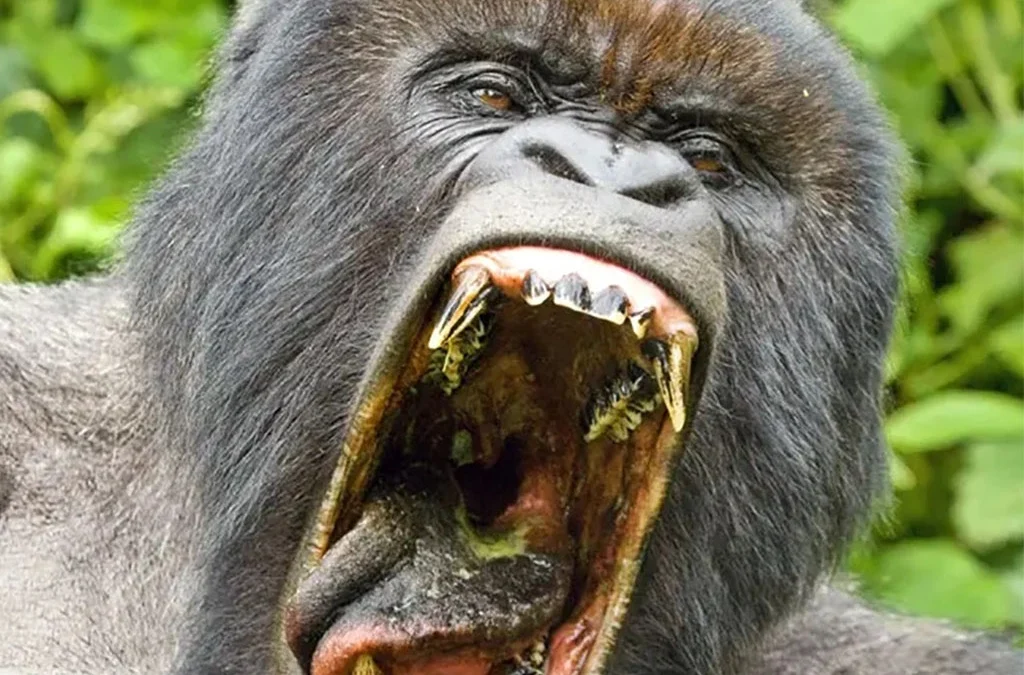
What should you expect on a gorilla trek in Rwanda? For many travelers, this question marks the beginning of one of Africa’s most extraordinary wildlife adventures. Gorilla trekking in Rwanda offers far more than a typical safari. Instead, it provides an intimate encounter with one of the world’s rarest and most endangered primates while immersing visitors in the breathtaking scenery of Volcanoes National Park.
Located in northwestern Rwanda, Volcanoes National Park protects part of the Virunga Mountain range, a region famous for its lush bamboo forests, volcanic peaks, and thriving population of endangered mountain gorillas. Every year, thousands of visitors travel here to witness these magnificent creatures in their natural habitat. With Experiya Tour Company, travelers enjoy expertly organized gorilla trekking experiences that combine conservation, adventure, and authentic African hospitality.
Whether you are planning your first African safari or returning for another unforgettable journey, understanding what awaits during a gorilla trek will help you prepare for an experience that will remain with you for a lifetime.
Preparing for Your Gorilla Trek
Your gorilla trekking adventure begins long before you enter the forest. Proper preparation ensures both comfort and safety throughout the day.
Although gorilla trekking does not require professional hiking skills, visitors should expect moderate physical activity. The trek takes place on mountainous terrain covered by dense rainforest, bamboo vegetation, and occasionally muddy trails. Depending on where your assigned gorilla family spends the night, the hike may last anywhere between one and six hours before reaching the animals.
Because mountain weather changes quickly, wearing suitable clothing is essential. Comfortable hiking boots with strong grip provide stability on slippery paths, while long trousers and long-sleeved shirts protect against stinging nettles, insects, and thorny vegetation. A waterproof rain jacket remains important even during the dry season since afternoon showers can occur unexpectedly.
Additionally, carrying drinking water, sunscreen, gardening gloves for support on steep slopes, and a lightweight backpack will make the trek much more comfortable. Many visitors also hire local porters who carry backpacks and offer assistance during difficult sections of the hike. Besides making the journey easier, hiring a porter directly supports local livelihoods around Volcanoes National Park.
Beginning the Journey into Volcanoes National Park
Your day starts early with a morning briefing at the Volcanoes National Park headquarters in Kinigi. Here, park rangers explain trekking regulations, conservation guidelines, and safety procedures before assigning visitors to different gorilla families based on fitness levels and personal preferences whenever possible.
Volcanoes National Park currently hosts several habituated gorilla families that researchers and park authorities have carefully accustomed to human presence over many years. This controlled habituation allows visitors to observe the gorillas without disrupting their natural behaviors.
Following the briefing, visitors drive to the starting point of their assigned trek before entering the forest alongside experienced guides, armed rangers, and trackers. The guides possess extensive knowledge of the park’s wildlife, vegetation, and gorilla behavior, making the journey educational as well as exciting.
As you walk deeper into the rainforest, every step reveals another layer of Rwanda’s remarkable biodiversity. Towering trees, colorful wildflowers, bamboo forests, and volcanic landscapes create an unforgettable backdrop while numerous bird species and smaller mammals occasionally appear along the trail.
The Excitement of Tracking Mountain Gorillas
The search for mountain gorillas forms the heart of this remarkable adventure. While trackers locate the gorilla family early each morning, visitors still experience the thrill of following fresh trails through the forest.
Throughout the trek, guides interpret signs left behind by the gorillas, including footprints, broken branches, feeding sites, and nests from the previous night. This process transforms the hike into an immersive wildlife expedition rather than simply a walk through the forest.
The duration of the trek varies daily because mountain gorillas roam freely within their protected habitat. Some groups remain relatively close to the park boundary, while others travel higher into the mountains in search of fresh vegetation. Regardless of the hiking distance, the anticipation continues to build with every step closer to the gorillas.
The Unforgettable Gorilla Encounter
Eventually, your guide signals that the gorillas are nearby. At this point, visitors leave walking sticks behind and quietly approach the family while maintaining the recommended viewing distance.
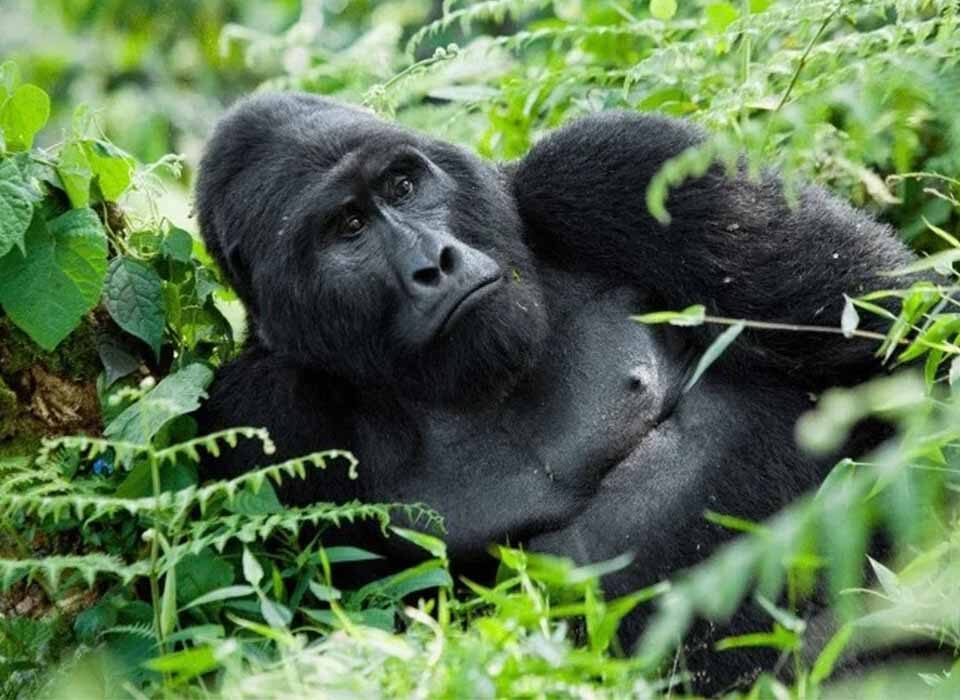
Nothing compares to the first glimpse of a mountain gorilla in the wild.
Many travelers describe this moment as emotional, inspiring, and deeply humbling. Standing only a few meters away from these gentle giants creates an extraordinary connection that photographs simply cannot capture.
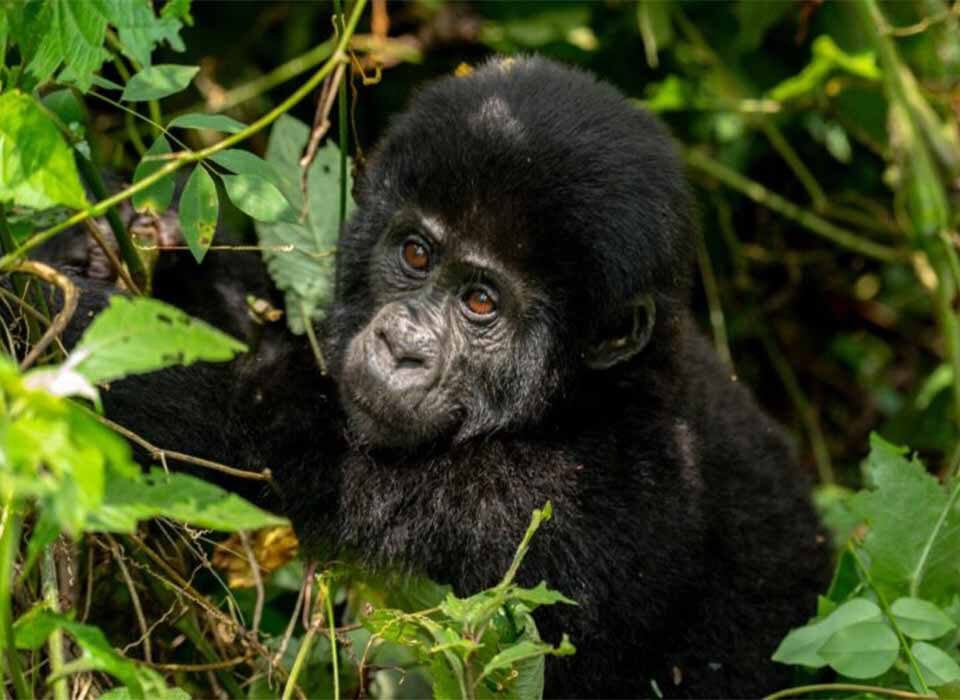
Visitors spend one unforgettable hour observing the gorillas as they continue their daily routines. You may watch a dominant silverback carefully protecting the family, mothers nursing their infants, playful juveniles tumbling through the vegetation, or curious youngsters climbing nearby trees.
Unlike zoo experiences, these encounters take place entirely within the gorillas’ natural environment. The animals behave naturally, allowing visitors to witness authentic social interactions, communication, feeding habits, and family dynamics.
Professional guides ensure everyone remains calm while explaining fascinating facts about gorilla behavior throughout the visit.
Conservation at the Heart of Every Trek
One of the most rewarding aspects of gorilla trekking involves knowing that every visit contributes directly to conservation.
Rwanda’s gorilla trekking permit currently costs US$1,500 per person, and the revenue plays a vital role in protecting mountain gorillas and preserving their fragile ecosystem. Permit fees finance ranger patrols, scientific research, veterinary care, habitat management, anti-poaching initiatives, and community development projects surrounding Volcanoes National Park.
These conservation efforts have delivered remarkable results. Decades ago, mountain gorillas faced an uncertain future due to habitat loss, poaching, and political instability. Today, collaborative conservation programs have helped increase their population to over 1,000 individuals, making them the only great ape species whose numbers continue to grow.
By booking your safari with Experiya Tour Company, you actively support responsible tourism that benefits both wildlife conservation and local communities.
Responsible Gorilla Trekking Practices
Responsible tourism remains essential for protecting mountain gorillas for future generations.
Since gorillas share approximately 98 percent of their DNA with humans, they remain highly vulnerable to many human diseases. Consequently, visitors must follow strict conservation guidelines throughout the trek.
Park regulations require guests to maintain a minimum distance of seven meters from the gorillas whenever possible. Visitors should also avoid eating, drinking, smoking, or making loud noises during the encounter. Touching the gorillas is strictly prohibited, even if one approaches unexpectedly.
Additionally, anyone experiencing flu-like symptoms should postpone their trek to reduce the risk of transmitting illness to these endangered animals. Rangers continuously monitor visitor behavior to ensure every encounter remains safe and respectful for both people and wildlife.
These simple but essential rules help preserve one of Africa’s greatest conservation success stories.
Choosing the Best Time for Gorilla Trekking
Although gorilla trekking operates throughout the year, many travelers prefer visiting during Rwanda’s dry seasons.
The months from June to September and December to February generally offer drier weather and more manageable hiking conditions. Trails become less slippery, photography improves with clearer skies, and overall trekking tends to feel more comfortable.
Nevertheless, the rainy seasons also present unique advantages. The forest appears exceptionally green, visitor numbers often decrease, and photographers appreciate the dramatic mist that frequently surrounds the Virunga Mountains. Since gorillas remain in the park year-round, remarkable sightings are possible regardless of when you visit.
Why Choose Experiya Tour Company for Your Rwanda Gorilla Trek?
Planning a gorilla safari requires careful coordination, including securing permits, arranging accommodation, organizing transportation, and ensuring compliance with park regulations. Experiya Tour Company simplifies every aspect of the journey by providing professionally planned itineraries tailored to your interests, budget, and travel schedule.
From permit reservations and airport transfers to luxury lodges and experienced safari guides, Experiya Tour Company delivers seamless travel experiences that allow you to focus entirely on enjoying your adventure. Whether you combine gorilla trekking with wildlife safaris in Akagera National Park or chimpanzee tracking in Nyungwe Forest National Park, the company ensures every detail receives professional attention.
Conclusion
A gorilla trek in Rwanda offers one of the world’s most inspiring wildlife experiences. Every stage of the journey from hiking through the misty forests of Volcanoes National Park to spending an unforgettable hour with a mountain gorilla family creates memories that last a lifetime.
Beyond the excitement and breathtaking scenery, your visit contributes directly to conserving one of the planet’s most endangered species while supporting local communities that protect their natural heritage. With careful preparation and the expertise of Experiya Tour Company, you can enjoy a safe, meaningful, and truly unforgettable adventure in the heart of Rwanda’s spectacular Virunga Mountains.