Lake Mutanda Activities and Canoeing Experience
May 6, 2026
A Complete Guide to Ziwa Rhino Sanctuary and Wildlife Experiences
May 6, 2026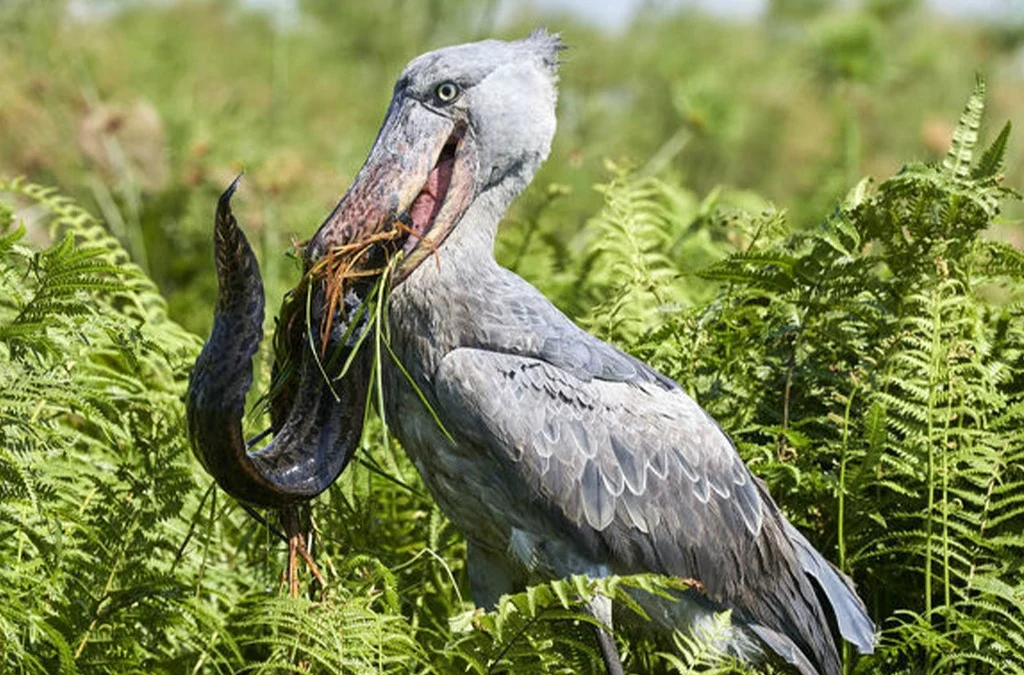
At sunrise, the wetlands of Murchison Falls National Park begin to stir. Mist drifts slowly over the papyrus swamps of the Victoria Nile Delta, while hippos surface with gentle splashes in the quiet water. In the distance, African fish eagles call out, their voices echoing across the landscape as the day begins. It is within this calm and shimmering environment that one of Africa’s most extraordinary birds lives the shoebill.
Many travelers planning a safari in Uganda ask the same question: Can you really see the shoebill in Murchison Falls National Park? From experience, the answer is yes. Although no wildlife sighting is ever guaranteed, the park offers some of the best opportunities in the country to encounter this rare and fascinating bird. The Victoria Nile Delta, in particular, stands out as a reliable location for shoebill tracking.
Beyond its wetlands, Murchison Falls National Park offers a rich blend of experiences. From dramatic waterfalls to expansive savannah plains filled with wildlife, the park delivers a complete safari setting where diverse ecosystems meet.
Why the Shoebill Is So Special
The shoebill (Balaeniceps rex) is unlike any other bird you will encounter in Africa. Standing between 1.2 and 1.5 meters tall, it has a commanding presence that immediately captures attention. I remember the first time I saw one completely still, almost blending into the reeds, yet impossible to ignore once noticed.
This bird thrives in the swamps and marshes of East Africa, particularly in Uganda. It lives a solitary life and relies on patience to survive. Often, it stands motionless for long periods, waiting for the perfect moment to strike. This hunting style, known as “sit-and-wait,” allows it to catch prey such as lungfish, eels, snakes, and even small crocodiles.
However, what truly sets the shoebill apart is its appearance. Its steel-grey feathers, piercing yellow eyes, and large, shoe-shaped bill give it a prehistoric look. When you observe it closely, it feels as though you have stepped back in time. Unlike many birds that quickly fly away, the shoebill remains calm and composed, allowing for long, uninterrupted moments of observation.
Where to See the Shoebill in Murchison Falls
If you want the best chance of spotting a shoebill, head to the Victoria Nile Delta. This is where the river slows down before flowing into Lake Albert, creating a vast wetland system. The delta includes a mix of papyrus swamps, shallow lagoons, flooded grasslands, and narrow water channels.
I have explored this area several times, and each visit feels different. The wetlands are alive with subtle movement, yet they maintain a peaceful stillness that makes every sighting feel earned. The dense vegetation provides ideal conditions for shoebills, offering both food and protection. At the same time, it makes spotting them more challenging, which adds to the excitement.
The most effective way to search for a shoebill is by taking an early morning boat excursion through the delta. These trips move slowly and quietly, unlike the faster cruises to the base of the falls. Guides navigate carefully through narrow channels, often switching off the engine to drift silently. This approach allows you to fully absorb the environment and increases your chances of spotting the bird.
At first, you might only notice subtle signs slight movement in the reeds or a shape that seems out of place. Then, gradually, the shoebill reveals itself. It often stands tall and motionless, almost like a statue rising from the swamp. Moments like this stay with you long after the journey ends.
Best Time to See the Shoebill
Shoebills live in the delta throughout the year, so you can visit at any time and still have a chance of seeing one. That said, timing plays an important role in improving your chances.
From experience, the dry seasons December to February and June to September offer better visibility. During these months, water levels can drop slightly, creating more open feeding areas. As a result, it becomes easier to scan the wetlands and detect movement.
Early mornings consistently deliver the best results. The cooler temperatures make the birds more active, and the soft light enhances both visibility and photography. On cloudy mornings, conditions can be even better, as the shoebill tends to move more freely without the intensity of the sun.
Combining Shoebill Tracking with a Full Safari
One of the things I appreciate most about Murchison Falls National Park is how easily you can combine shoebill tracking with classic safari experiences. The park offers far more than wetlands.
After a morning in the delta, you can head to the northern sector for a game drive. This area opens into wide savannah plains where wildlife roams freely. On several occasions, I have watched lions resting under acacia trees while elephants moved steadily across the grasslands. Rothschild’s giraffes feed gracefully on treetops, and large herds of buffalo graze as they travel together.
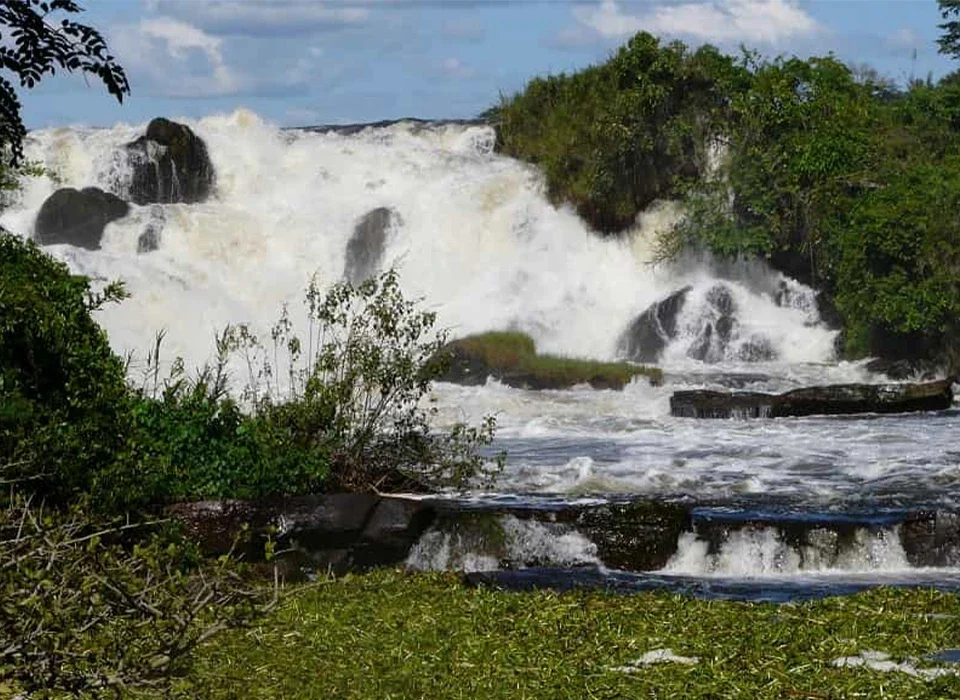
Later in the day, a boat cruise along the Nile offers a completely different perspective. As you approach the base of Murchison Falls, the calm river transforms into a powerful force. The Nile squeezes through a narrow gorge before crashing down with incredible intensity. If you have the energy, hiking to the top of the falls rewards you with breathtaking views and a deeper appreciation of the river’s power.
This combination of experiences wetlands, savannah, river, and waterfalls makes the park feel complete. You can encounter rare birds in the morning and iconic African wildlife in the afternoon, all within the same destination.
What Makes the Experience Unique
Seeing a shoebill in the wild is not just about ticking off a species on a checklist. The experience itself feels deeply immersive. The delta remains quiet and largely untouched, allowing wildlife to move naturally without disturbance.
As you glide through the channels, you notice small details the ripple of water as a hippo submerges, the distant call of an eagle, or the rustle of papyrus in the breeze. Guides pay close attention to these details, often spotting signs that others might miss.
When the shoebill finally appears, time seems to slow down. It stands silently, focused on the water, completely absorbed in its surroundings. In that moment, everything else fades away. It is this sense of connection to nature that makes the experience so memorable.
Even on days when the shoebill proves elusive, the delta never disappoints. The area supports hundreds of bird species, including goliath herons, malachite kingfishers, saddle-billed storks, and African jacanas. Every trip reveals something new, ensuring that the journey itself remains rewarding.
A Final Word
So, can you see the shoebill in Murchison Falls National Park? Yes you absolutely can. The Victoria Nile Delta and surrounding wetlands offer some of the best opportunities in Uganda to encounter this remarkable bird.
However, patience is essential. Success depends on timing, careful observation, and the expertise of experienced guides. With thoughtful planning through Experiya Tour Company, your chances improve significantly, turning a hopeful search into a realistic and unforgettable experience.
Ultimately, Murchison Falls National Park delivers more than just a sighting. It offers a rare chance to step into a wild, timeless landscape where every moment feels authentic. And when you finally lock eyes with a shoebill standing silently in the reeds, you will understand why so many travelers consider it one of Africa’s most extraordinary wildlife encounters.