Top Activities and Attractions in Rwanda
July 18, 2026
Can I Combine Chimp Tracking with Gorilla Trekking?
July 20, 2026
Discovering Uganda’s Remarkable Birding Paradise
Lake Mburo National Park is one of Uganda’s most fascinating yet underrated birding destinations. Although it is one of the country’s smallest national parks, covering approximately 370 square kilometers, it offers an incredible variety of habitats that support more than 350 recorded bird species. The park’s unique combination of open savannahs, acacia woodlands, seasonal wetlands, forests, and lakeshores creates the perfect environment for both resident and migratory birds.
Located in western Uganda, between Kampala and the popular gorilla trekking destinations of southwestern Uganda, Lake Mburo National Park provides an excellent stopover for travelers exploring Uganda’s wildlife attractions. Unlike many other parks in the country, Lake Mburo offers a peaceful and intimate safari experience where visitors can enjoy birdwatching without the large crowds often found in more famous destinations.
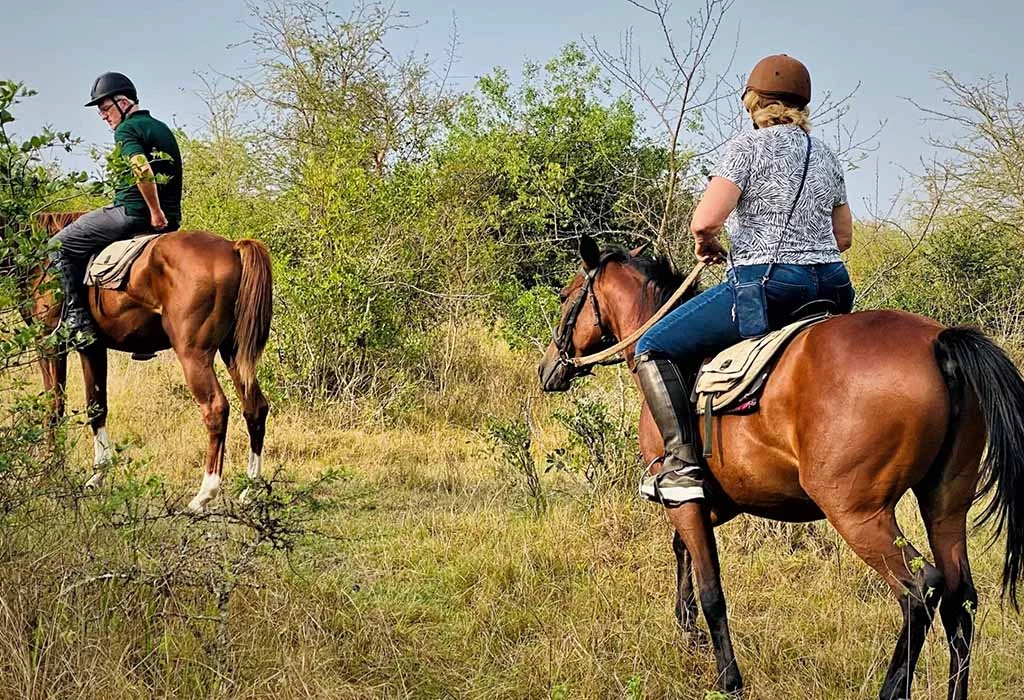
For travelers planning Uganda safaris with Experiya Tour Company, Lake Mburo National Park presents an unforgettable opportunity to combine birding, wildlife viewing, nature walks, and scenic boat experiences in one remarkable destination.
A Unique Habitat for Acacia-Loving Bird Species
One of the reasons Lake Mburo National Park stands out among Uganda’s birding locations is its extensive acacia woodland ecosystem. These dry-country habitats attract a variety of bird species that thrive among thorny trees and open grasslands. As you explore the park’s trails and game viewing routes, you will encounter colorful and fascinating birds that have adapted perfectly to this environment.
Among the notable species commonly seen in the park is the red-headed lovebird, a small but striking bird often found moving in groups around acacia trees. Bird enthusiasts can also look out for the bare-faced go-away bird, white-headed barbet, and black-bellied bustard, which add diversity to the park’s impressive bird checklist.

In addition, the beautiful lilac-breasted roller is one of the most photographed birds in Lake Mburo National Park. Its bright colors and habit of perching openly on tree branches make it a favorite among photographers. The blue-naped mousebird is another fascinating species frequently observed moving between bushes and woodland areas.
Furthermore, Lake Mburo is considered one of Uganda’s reliable locations for spotting the rare and secretive African finfoot. This unusual aquatic bird prefers quiet water environments and is often seen along the edges of Lake Mburo during boat trips. Although it requires patience and careful observation, encountering this bird is a rewarding experience for any passionate birder.
Exploring the Wetlands and Lakeshores of Lake Mburo
Beyond the acacia landscapes, Lake Mburo National Park is also famous for its wetlands and water-based birdlife. The park contains several lakes and swamps that provide important habitats for numerous aquatic species throughout the year.
A boat safari on Lake Mburo is one of the best ways to experience this incredible bird diversity. As you slowly cruise across the calm waters, you can observe African fish eagles resting on lakeside trees or flying above the water while searching for prey. Their powerful calls and impressive wingspan make them one of the most memorable sights during a lake excursion.
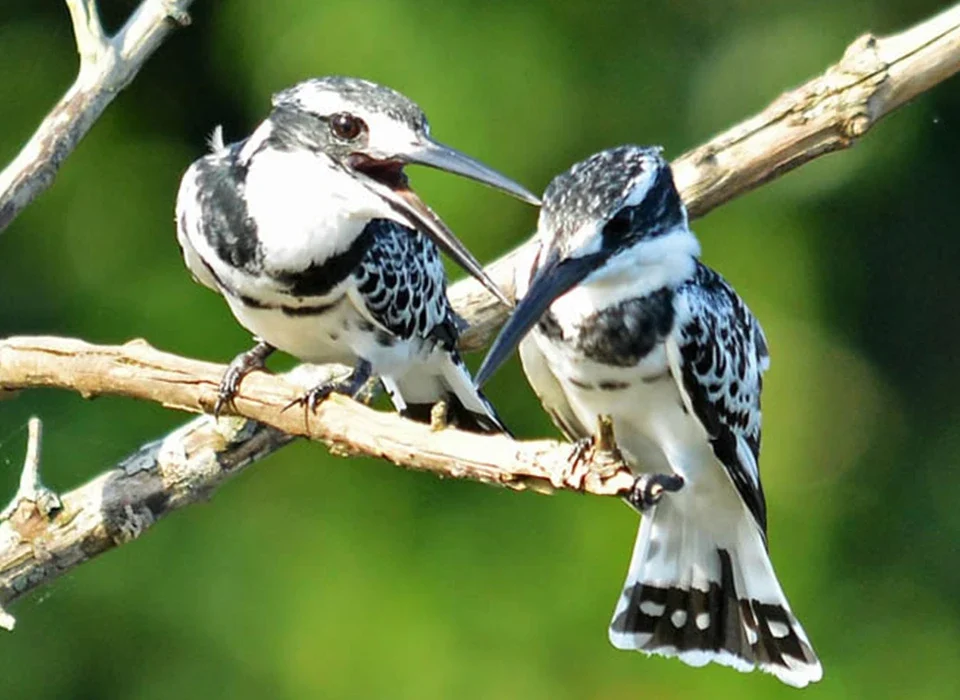
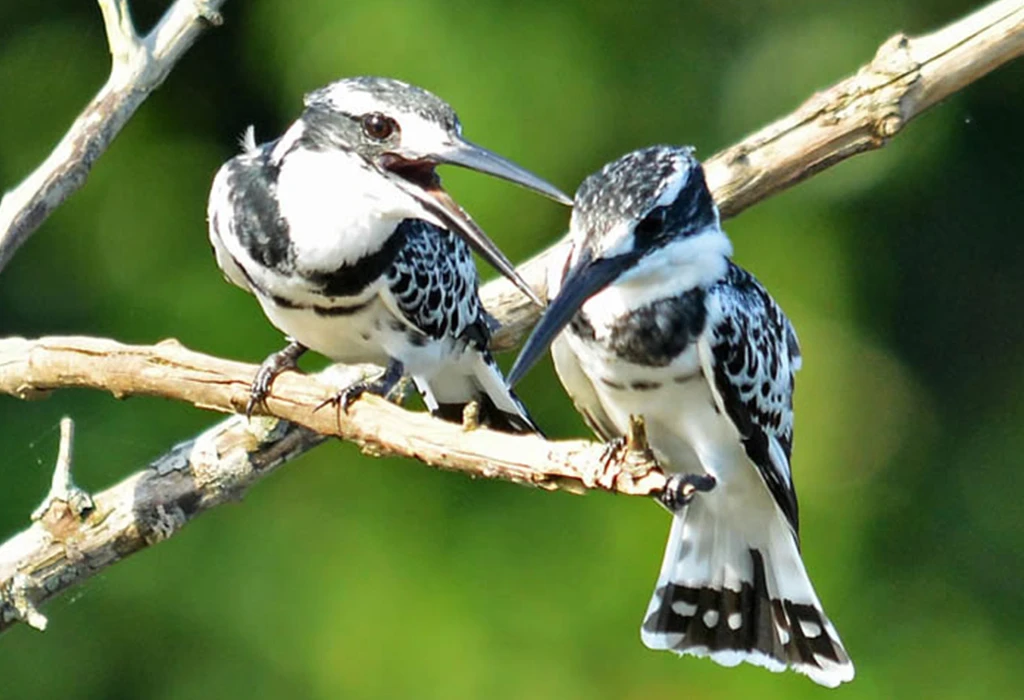
Meanwhile, African jacanas gracefully walk across floating vegetation, earning them the nickname “Jesus birds” because of their ability to move across lily pads. Pied kingfishers can also be seen hovering above the water before diving quickly to catch fish beneath the surface.
Other aquatic birds commonly found around the lake include malachite kingfishers, African darters, black crakes, and saddle-billed storks. The wetlands act as natural feeding and breeding grounds, attracting birds throughout the year. During dry seasons, bird activity often increases because many species gather around the remaining water sources.
For visitors interested in wildlife photography, early morning and late afternoon boat rides provide excellent lighting conditions and increased chances of capturing stunning images of birds in their natural surroundings.
Grasslands and Woodlands Filled with Birdlife
The open grasslands and wooded areas of Lake Mburo National Park create another important habitat for a wide range of bird species. While exploring these landscapes, visitors can discover birds that live close to the ground as well as those that prefer tree canopies.
The grey-crowned crane, Uganda’s national bird, is among the most iconic species found in the park. Its elegant appearance, golden crown, and graceful movements make it a highlight for many birdwatchers. Other remarkable species include the white-winged tit, long-tailed cisticola, rufous-naped lark, and yellow-throated longclaw.
Early mornings in the park are particularly magical because the savannah comes alive with the sounds of hundreds of birds. The calls of African grey hornbills, woodland birds, and grassland species create a natural symphony that enhances the overall safari experience.
The open plains and termite mounds also provide excellent viewpoints for observing ground birds. Patient birders may spot bustards, coursers, and other rare species moving through the grasslands. Occasionally, large birds of prey such as the martial eagle can be seen soaring high above the park, searching for opportunities from the skies.
Rubanga Forest: A Small Forest with Great Birding Rewards
Although Lake Mburo National Park is mainly known for savannah landscapes, it also protects areas of forest habitat that support different bird species. Rubanga Forest is one of the most rewarding places for birdwatchers who want to experience woodland and forest birds.
This small but rich forest area provides shelter for species such as the green pigeon, Narina trogon, and other forest-dependent birds. Walking through the forest with an experienced guide increases the chances of identifying different species through their calls, movements, and feeding behaviors.
In addition, the swampy areas surrounding the park may occasionally offer opportunities to spot the famous shoebill stork, one of Africa’s most sought-after birds. Although sightings are not guaranteed, the possibility of encountering this prehistoric-looking bird adds excitement to every birding adventure.
The Best Birding Experiences in Lake Mburo National Park
Birding in Lake Mburo National Park becomes even more rewarding when visitors combine different exploration activities. A guided nature walk allows travelers to move slowly through habitats where they can observe birds closely and appreciate the smaller details of the ecosystem.
Nature walks around areas such as the salt lick provide opportunities to see birds and wildlife from a different perspective. Unlike traditional game drives, walking safaris allow visitors to listen carefully to bird calls, observe feeding behaviors, and learn about the relationship between birds, plants, and other wildlife.
Boat safaris remain one of the most popular birding activities in the park because they provide access to aquatic habitats that are difficult to explore by land. The peaceful environment of Lake Mburo allows photographers and bird enthusiasts to capture unique moments without disturbing the birds.
When combined with expert guidance from Experiya Tour Company, visitors can enjoy a well-planned birding experience that highlights the best locations, seasons, and opportunities for bird photography.
Best Time for Bird Watching in Lake Mburo National Park
Lake Mburo National Park offers excellent birding opportunities throughout the year. However, the best time for birdwatching is generally during the dry seasons from June to September and December to February. During these months, many birds gather around water sources, making them easier to observe.
The rainy seasons can also be rewarding because the vegetation becomes greener, many birds become more active, and migratory species may join the resident populations. Although occasional rainfall may make some areas challenging to access, the increased bird activity provides excellent opportunities for dedicated birders.
Regardless of the season, visitors should carry binoculars, cameras, comfortable walking shoes, and appropriate outdoor clothing to enjoy the experience fully.
Why Lake Mburo Should Be on Your Uganda Birding Safari
Lake Mburo National Park may not receive the same international attention as Uganda’s gorilla trekking destinations or larger savannah parks, but its birding opportunities are truly exceptional. Its diverse habitats, peaceful environment, and impressive bird checklist make it a must-visit destination for anyone passionate about nature.
The combination of colorful woodland birds, fascinating wetland species, scenic landscapes, and unique safari activities creates an experience unlike any other in Uganda. Whether you are a professional bird photographer, a first-time birder, or a traveler seeking a quiet connection with nature, Lake Mburo offers unforgettable moments.
With carefully planned itineraries from Experiya Tour Company, travelers can explore this hidden gem while enjoying Uganda’s remarkable biodiversity, beautiful landscapes, and authentic wildlife experiences. Lake Mburo National Park is not just a place to watch birds; it is a destination where every sound, movement, and sight tells a story about Uganda’s incredible natural heritage.