What to Do and See in Kalinzu Forest Reserve
August 15, 2026
Best Places to Find Lions in Uganda
August 17, 2026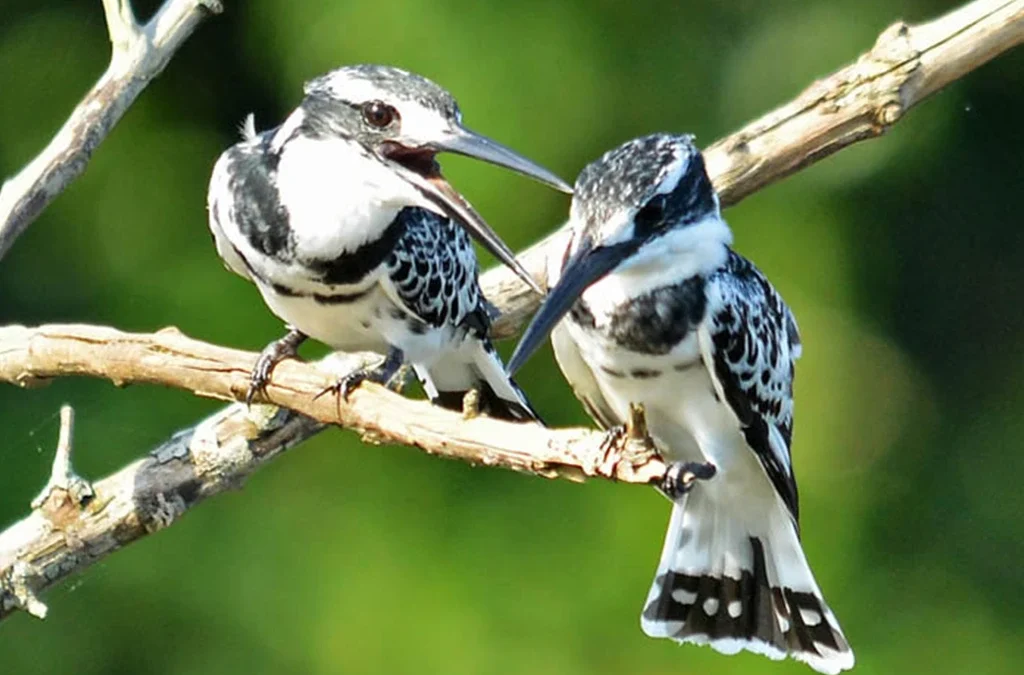
Uganda, widely celebrated as the “Pearl of Africa,” offers an exceptional birding experience for both experienced birdwatchers and first-time visitors. From ancient rainforests and expansive savannahs to wetlands, lakeshores and high mountain ranges, the country supports an impressive variety of bird habitats.
With more than 1,000 recorded bird species, Uganda provides excellent opportunities to observe forest specialists, wetland birds, savannah species, Albertine Rift endemics and migratory birds. In addition, many birding destinations combine birdwatching with other memorable experiences, including wildlife safaris, primate tracking, nature walks and cultural encounters.
Experiya Tour Company invites you to discover Uganda through its remarkable birdlife. Whether you are searching for rare forest species or simply want to spend a peaceful morning listening to birdsong, these are some of the best birding sites to consider.
Bwindi Impenetrable National Park: A Paradise for Forest Birding
Bwindi Impenetrable National Park is famous around the world for its mountain gorillas, but the forest offers much more than gorilla trekking. It is also one of Uganda’s most rewarding destinations for birdwatching, particularly for visitors interested in Albertine Rift species.
The thick vegetation creates an ideal environment for numerous forest birds. As you walk along the forest trails, you may encounter species such as the African Green Broadbill, Short-tailed Warbler, African Emerald Cuckoo and several colourful turacos and sunbirds.
Birding in Bwindi requires patience because many forest birds remain high in the canopy or move quietly through dense vegetation. However, the experience becomes even more rewarding when you finally locate a sought-after species. Experienced local guides can also help visitors identify birds by their calls and movements.
For birdwatchers who also want to experience gorilla trekking, Bwindi provides an excellent opportunity to combine two of Uganda’s greatest wildlife experiences.
Queen Elizabeth National Park: Birds Across Diverse Habitats
Queen Elizabeth National Park offers an impressive combination of savannah, woodland, wetlands, lakes and open grasslands. This variety of habitats attracts a remarkable range of bird species, making the park one of Uganda’s leading birding destinations.
During a game drive, you can watch birds moving across the savannah while elephants, buffaloes, antelopes and other wildlife occupy the same landscape. Species commonly associated with the park include African Fish Eagles, African Jacanas, kingfishers, bee-eaters and numerous species of herons and egrets.
The wetlands and water channels also provide excellent opportunities for observing waterbirds. Birding around the Kazinga Channel can be particularly rewarding because the area attracts large numbers of birds alongside abundant wildlife.
Furthermore, Queen Elizabeth National Park allows visitors to combine birdwatching with game drives and a boat cruise, creating a well-rounded safari experience.
Murchison Falls National Park: Birding Along the Nile
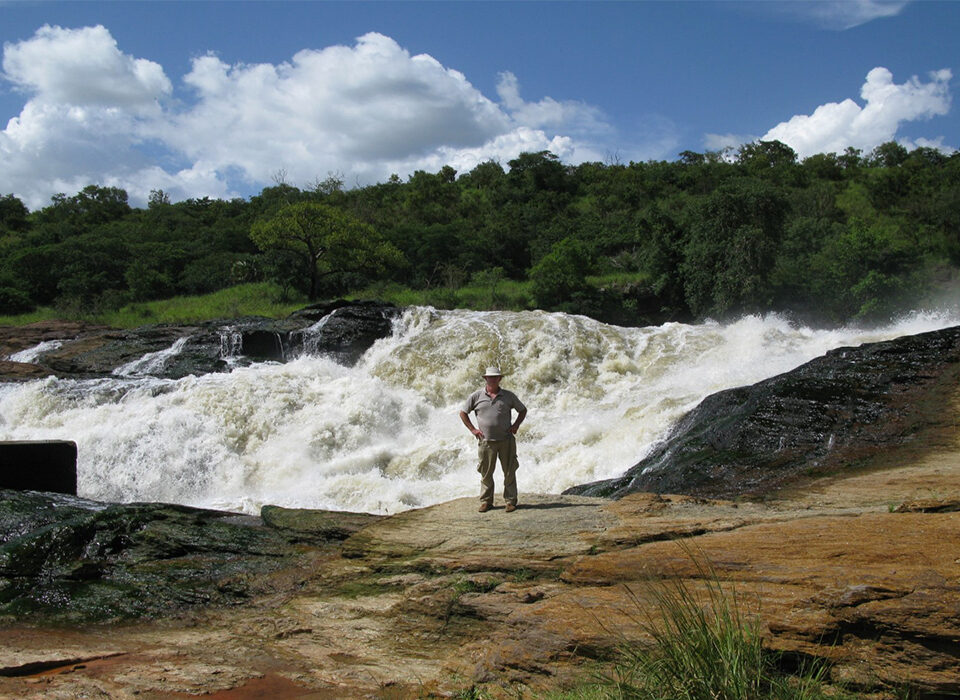
Murchison Falls National Park is Uganda’s largest national park and provides excellent opportunities for birdwatching across its forests, grasslands and riverine habitats.
The mighty River Nile plays an important role in the park’s ecosystem. Along the river and surrounding wetlands, birdwatchers can look for African Fish Eagles, kingfishers, herons, storks and other water-associated species.
The park’s open savannah also attracts a variety of raptors and other birds of prey. Meanwhile, the extensive grasslands provide suitable habitats for ground-dwelling and insect-eating species.
A boat trip along the Nile below Murchison Falls can add another dimension to your birding experience. Instead of focusing only on the dramatic waterfall, you can take time to observe birds along the riverbanks and islands.
Kibale National Park: Forest Birds and Primates
Kibale National Park is internationally recognized for its population of chimpanzees and other primates. Nevertheless, its tropical forest also supports an impressive selection of birds.
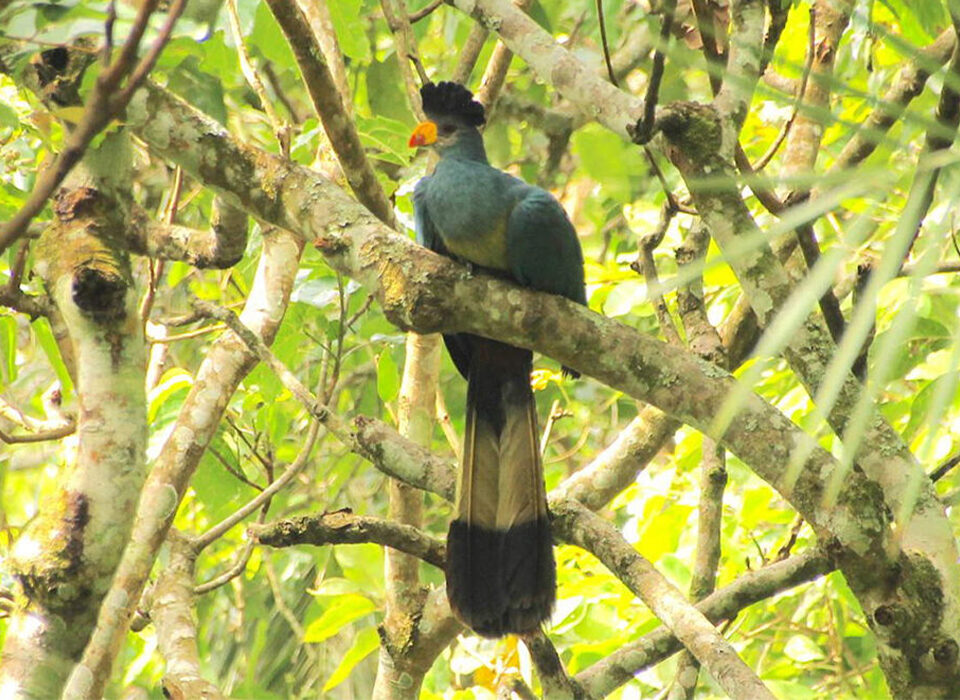
The forest canopy provides shelter and feeding grounds for several colourful species. During a guided forest walk, you may encounter the Great Blue Turaco, Yellow-rumped Tinkerbird, White-napped Pigeon and a variety of barbets, cuckoos and flycatchers.
Birding in Kibale works particularly well for visitors who enjoy combining different forms of wildlife viewing. While listening for birds in the canopy, you may also hear monkeys calling or encounter chimpanzees moving through the forest.
Nearby Bigodi Wetland Sanctuary further expands the birding opportunities in the area, allowing visitors to explore a different habitat within the same region.
Semuliki National Park: Exploring the Albertine Rift
Semuliki National Park stands out because of its lowland tropical forest and its position within the Albertine Rift. Its unique geographical location gives the park a distinctive bird community and makes it an important destination for serious birdwatchers.
The forest contains numerous species that are difficult to find elsewhere in Uganda. Among the birds associated with the wider Semuliki area are African Piculets, hornbills, kingfishers, forest robins and several species adapted to lowland forest environments.
Birding here often requires an early start, quiet movement and careful observation. The dense forest can hide birds from view, but experienced guides can help visitors locate species through their calls.
Semuliki is therefore particularly suitable for travellers who want to explore Uganda beyond the more famous wildlife destinations.
Kidepo Valley National Park: Unique Birds of the Northeast
Kidepo Valley National Park offers a completely different birding experience. Located in Uganda’s remote northeastern region, the park features broad savannah plains, rugged mountains, and dry landscapes that support species not commonly encountered in the country’s wetter western forests.
The park is particularly attractive to birdwatchers interested in species associated with the northeastern savannah ecosystem. Depending on the season and location, visitors may encounter Ostriches, Secretarybirds, vultures, eagles, bustards, and other open-country species.
The remote nature of Kidepo adds to its appeal. Here, you can spend hours exploring the wilderness without the busy atmosphere found in some more accessible destinations.
For photographers, the combination of dramatic landscapes and diverse birdlife creates excellent opportunities to capture memorable images.
Rwenzori Mountains National Park: Birding at High Altitudes
The Rwenzori Mountains provide a spectacular setting for birdwatching. As you climb through different vegetation zones, the environment changes dramatically, creating opportunities to encounter different bird species at different elevations.
The Rwenzori Turaco is one of the most sought-after birds in the region. Other mountain species can also be encountered along the trails, particularly in forested and montane habitats.
Birding in the Rwenzori Mountains requires physical preparation because some trails involve steep climbs and high elevations. Nevertheless, the experience rewards visitors with spectacular scenery, unusual vegetation and the chance to explore a unique mountain ecosystem.
Lake Mburo National Park: Wetlands and Savannah Birding
Lake Mburo National Park combines wetlands, lakes, woodland and open grassland, creating excellent conditions for birdwatching. Its accessible location also makes it a convenient stop for travellers moving between Kampala and southwestern Uganda.
The park is associated with species such as the African Finfoot, Papyrus Gonolek, African Fish Eagle and a variety of herons, storks, kingfishers and weavers.
Birding around the wetlands can be especially rewarding because water attracts numerous species. You can also combine birdwatching with a game drive or nature walk and observe zebras, impalas, buffaloes and other wildlife.
Because of its diverse habitats, Lake Mburo offers a relaxed birding experience for visitors who want to combine wildlife viewing with nature exploration.
Entebbe Botanical Gardens: Birding Near the City
Birdwatching does not always require a long journey into the Ugandan wilderness. Entebbe Botanical Gardens provides an accessible birding opportunity close to Entebbe International Airport.
The gardens contain mature trees, gardens and lakeside vegetation that attract a variety of birds. Visitors can look for sunbirds, weavers, kingfishers, doves and other species while enjoying a peaceful walk.
The destination works particularly well for travellers who have limited time before or after a flight. It can also serve as an enjoyable introduction to Uganda’s birdlife before heading to more remote birding destinations.
Bigodi Wetland Sanctuary: Community-Based Birding
Located near k, Bigodi Wetland Sanctuary provides one of the most enjoyable community-based birding experiences in western Uganda.
The sanctuary protects a mixture of wetland, woodland and swamp habitats. Guided walks allow visitors to explore the area at a comfortable pace while searching for species such as the Great Blue Turaco, White-spotted Flufftail, kingfishers, weavers and various herons.
One of the most appealing aspects of Bigodi is the involvement of the local community. Visitors can enjoy birdwatching while learning about the livelihoods, traditions and conservation efforts of the people living around the wetland.
Consequently, a visit to Bigodi offers more than a bird checklist. It connects wildlife conservation with community tourism and provides local people with opportunities to benefit from tourism.
Mabamba Swamp: A Special Place to Search for the Shoebill
Mabamba Swamp, located near Lake Victoria, deserves special attention from birdwatchers because of its reputation as one of Uganda’s notable Shoebill-watching destinations.
The swamp consists of channels, papyrus vegetation, and open wetland areas that provide habitat for numerous waterbirds. Visitors usually explore the wetland by canoe, allowing them to move quietly through narrow waterways.
The Shoebill is the major attraction, but the experience does not end there. Birdwatchers can also encounter herons, egrets, kingfishers, jacanas, cormorants and other wetland species.
For visitors staying in or around Entebbe or Kampala, Mabamba Swamp can easily form part of a wider Uganda birding itinerary.
When Is the Best Time for Birding in Uganda?
Uganda offers birdwatching opportunities throughout the year. However, different seasons can provide different advantages.
The months around the wetter seasons can be particularly rewarding because food becomes abundant and many birds become more active. Migratory birds also visit Uganda during parts of the year, adding to the diversity that birdwatchers can encounter.
The relatively drier months can make trails easier to navigate and wildlife viewing more comfortable. Therefore, the best time to visit depends on whether your priority is resident birds, migratory species, photography, or combining birding with other safari activities.
Why Choose Uganda for a Birding Safari?
Uganda’s greatest advantage lies in its remarkable variety of habitats within a relatively compact country. A single itinerary can take you from tropical rainforest to wetlands, savannah, and high-altitude mountain ecosystems.
Moreover, birding can easily be combined with other experiences. You can track chimpanzees in Kibale, search for gorillas in Bwindi, enjoy a boat cruise in Queen Elizabeth National Park, explore the Nile in Murchison Falls or experience the remote wilderness of Kidepo.
Experiya Tour Company can help travellers plan birding experiences around their interests, preferred destinations, and available travel time. Local guides can also make a significant difference by helping visitors identify species through calls, habitats and behaviour.
Conclusion: Discover Uganda Through Its Birds
Uganda offers far more than spectacular landscapes and famous wildlife. Its forests, wetlands, mountains, lakes and savannahs create an extraordinary environment for birdwatching.
From the Albertine Rift species of Bwindi and Semuliki to the wetland birds of Mabamba and Bigodi, every destination provides a different experience. Meanwhile, parks such as Queen Elizabeth, Murchison Falls, Lake Mburo and Kidepo allow birdwatchers to combine their passion for birds with unforgettable wildlife encounters.
Ultimately, birding in Uganda is about more than ticking species off a checklist. It is about walking quietly through a forest, hearing a distant call, watching an eagle soar over the savannah or spotting a colourful turaco moving through the canopy.
With Experiya Tour Company, your Ugandan birding adventure can become a journey of discovery, conservation and connection with nature. Whether you are an experienced birder or simply curious about the country’s remarkable avian diversity, Uganda has a world of feathers waiting to be explored.