Are Walking Sticks Provided for Chimpanzee Tracking in Rwanda?
June 13, 2026
The Big Five Safaris Tour Adventures in Uganda
June 15, 2026
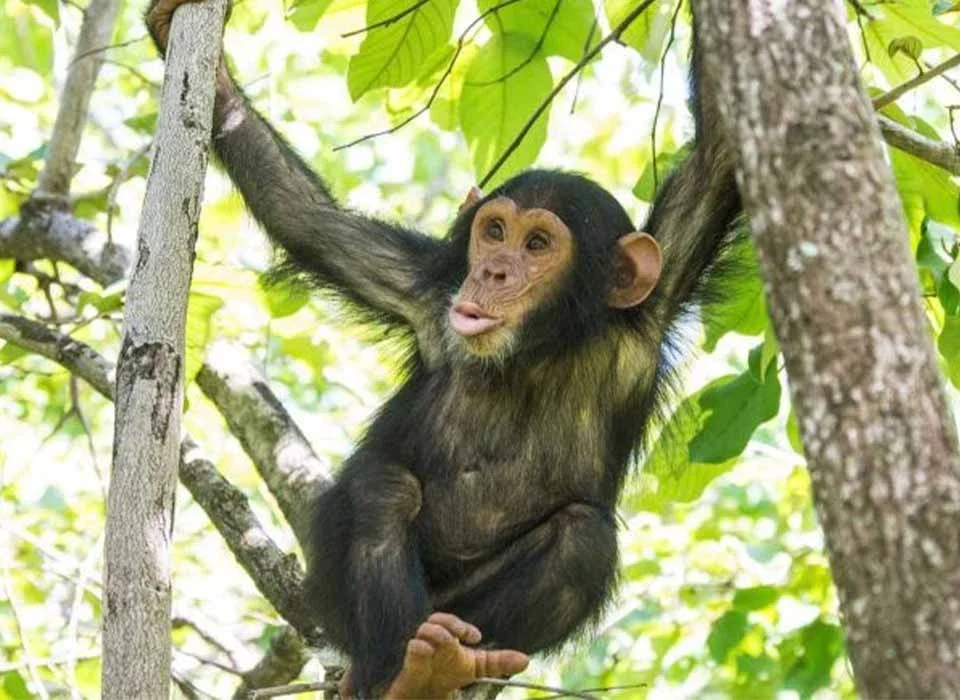
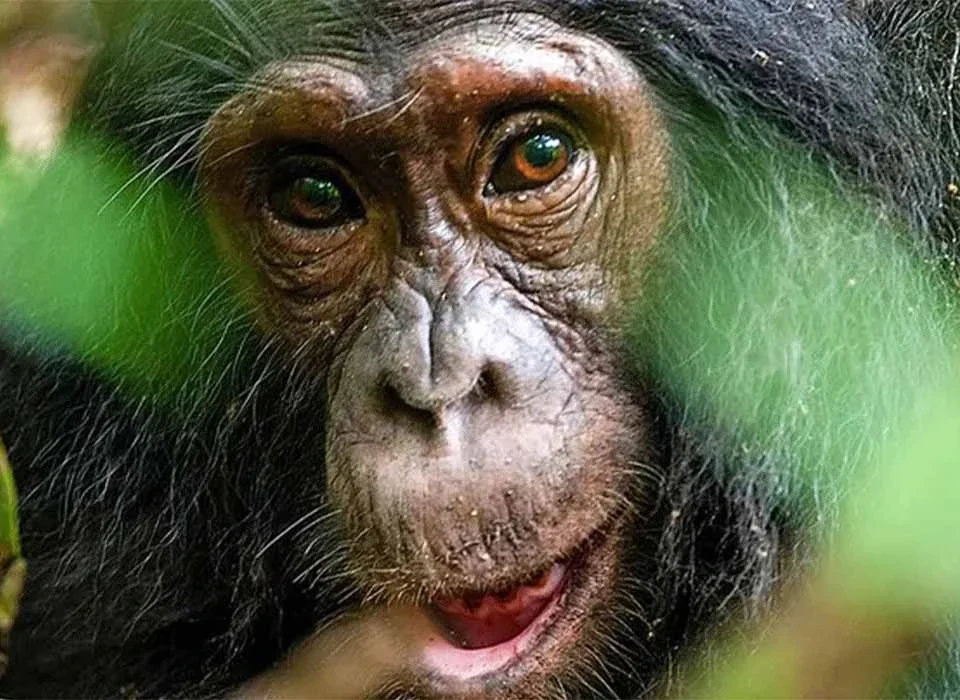
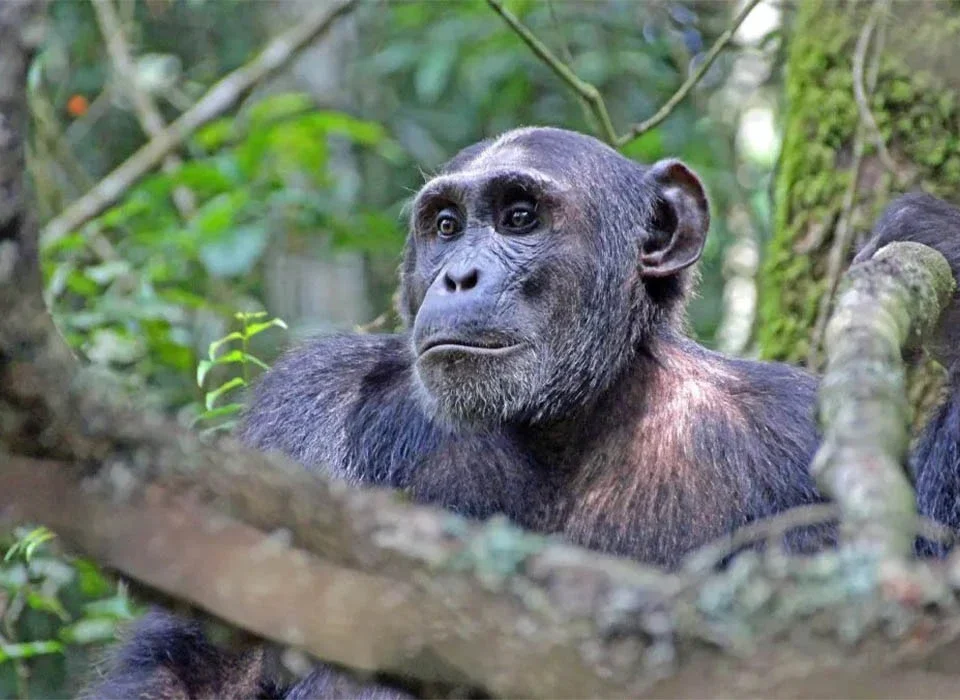
Chimpanzee tracking is one of the most exciting wildlife experiences available on Rwanda Safaris. Every year, travelers from around the world visit Rwanda’s tropical rainforests to observe these fascinating primates in their natural habitat. As visitors plan their adventures, one question frequently arises: Are there any risks involved with chimpanzee tracking in Rwanda?
The simple answer is yes, but the risks are generally minimal and well-managed. Like any outdoor adventure in a natural environment, chimpanzee tracking comes with certain challenges. However, Rwanda’s strong conservation policies, professional ranger guides, and well-organized tourism systems ensure that visitors enjoy a safe and rewarding experience.
By understanding what to expect and preparing properly, travelers can confidently participate in this unforgettable activity while discovering one of Africa’s most remarkable wildlife encounters.
Understanding Chimpanzee Tracking in Rwanda
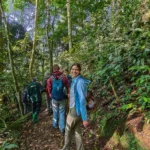
Chimpanzee tracking differs significantly from traditional game drives conducted in open savannah landscapes. Instead of observing wildlife from a vehicle, visitors enter dense tropical forests and follow experienced trackers in search of wild chimpanzee communities.
Rwanda’s chimpanzee tracking experiences primarily take place in Nyungwe Forest National Park, one of Africa’s oldest and most biodiverse rainforests. Here, visitors hike through lush vegetation, steep valleys, and forest trails while listening for chimpanzee vocalizations and searching for signs of their movement.
Although this adventure involves physical activity and immersion in a wild environment, Rwanda has established strict regulations that prioritize visitor safety and wildlife conservation. Consequently, chimpanzee tracking remains one of the safest and most enjoyable Wildlife Safari Experiences in East Africa.
Why Nyungwe Forest National Park Offers Safe Chimpanzee Encounters
When discussing potential risks, it is important to understand the setting where chimpanzee tracking takes place. Nyungwe Forest National Park covers a vast area of protected rainforest and serves as the primary destination for chimpanzee tourism in Rwanda.
The park employs highly trained rangers and trackers who monitor chimpanzee groups daily. Their extensive knowledge of the forest and chimpanzee behavior allows them to guide visitors safely while increasing the chances of successful sightings.
Since chimpanzees roam freely through dense vegetation and rugged terrain, visitors often walk along uneven paths and occasionally navigate steep slopes. During the rainy season, trails can become muddy and slippery. However, proper hiking boots, suitable clothing, and guidance from experienced rangers significantly reduce these challenges.
Moreover, Nyungwe offers much more than chimpanzee encounters. Visitors often spot colorful birds, butterflies, orchids, and several monkey species while exploring the forest. As a result, every tracking excursion becomes both a wildlife adventure and an educational journey into one of Africa’s most important ecosystems.
Physical Challenges Visitors Should Expect
One of the most common concerns among travelers relates to the physical demands of chimpanzee tracking. Unlike some wildlife activities that require little movement, chimpanzee tracking involves hiking through natural forest terrain.
The duration of a trek can vary depending on the location of the chimpanzees on a particular day. Sometimes visitors locate the animals within a relatively short period, while other days may require longer walks through the forest.
This physical effort can be challenging for travelers who are not accustomed to hiking. Nevertheless, most visitors with a reasonable level of fitness successfully complete the experience. Taking time to prepare, staying hydrated, and following the pace set by guides can make the trek much more comfortable.
Fortunately, the excitement of encountering chimpanzees in their natural environment often makes the effort worthwhile. Many travelers describe the experience as one of the most memorable highlights of their Rwanda Safaris.
Are There Health Risks Associated with Chimpanzee Tracking?
Health considerations represent another important aspect of chimpanzee tracking. Because chimpanzees share a large percentage of their genetic makeup with humans, they can contract many human illnesses.
For this reason, Rwanda’s conservation authorities enforce strict health protocols. Visitors who show symptoms of contagious illnesses such as flu, coughs, colds, or respiratory infections are usually advised not to participate in tracking activities. These measures help protect both the animals and fellow travelers.
Additionally, guides require visitors to maintain a safe viewing distance from the chimpanzees. This rule reduces the risk of disease transmission while minimizing disturbance to the animals.
Environmental factors may also affect visitors. Tropical rainforest conditions often include humidity, occasional rainfall, and insects. Therefore, travelers should wear long-sleeved clothing, apply insect repellent, and carry sufficient drinking water throughout the trek.
Serious health incidents during chimpanzee tracking remain extremely rare. Rwanda’s protected areas maintain high safety standards, and guides receive training in first aid and emergency response procedures. Consequently, most visitors complete their tracking experiences without any significant health concerns.
Can Chimpanzees Pose a Danger to Visitors?
Since chimpanzees are powerful wild animals, some travelers naturally wonder whether they could become aggressive during tracking excursions.
In reality, direct confrontations between chimpanzees and tourists are exceptionally uncommon. Rwanda’s habituated chimpanzee groups have become accustomed to the presence of researchers and visitors. Furthermore, professional trackers closely monitor the animals and understand their behavior patterns.
Throughout the trek, guides provide clear instructions regarding visitor conduct. Participants must remain calm, avoid sudden movements, refrain from making loud noises, and never attempt to touch or approach the animals too closely.
These simple precautions create a safe environment for both visitors and chimpanzees. In most cases, travelers observe the primates feeding, grooming, resting, or interacting with members of their social groups.
Watching these intelligent creatures behave naturally in the wild often becomes the highlight of a Rwanda safari. Therefore, while chimpanzees deserve respect as wild animals, proper management and responsible tourism practices effectively minimize potential risks.
How Weather Conditions Affect the Experience
Weather can influence the difficulty of chimpanzee tracking, making it an important factor to consider when planning a safari.
The dry seasons, which generally occur from June to September and from December to February, offer favorable conditions for trekking. During these months, trails remain relatively dry and easier to navigate, allowing visitors to move comfortably through the forest.
On the other hand, the rainy seasons transform Nyungwe into a vibrant green paradise. While the forest becomes exceptionally beautiful, trails may become muddy and more challenging to traverse. Visitors should therefore prepare for wetter conditions by bringing waterproof clothing and appropriate footwear.
Despite these differences, chimpanzees remain active throughout the year. Consequently, visitors can enjoy rewarding sightings regardless of the season they choose to travel.
Why Travel with Experiya Tour Company?
Selecting an experienced tour operator plays a crucial role in ensuring a smooth and enjoyable chimpanzee tracking experience. At Experiya Tour Company, we design carefully planned Rwanda Safaris that prioritize safety, comfort, and authentic wildlife encounters.
Our knowledgeable safari specialists assist travelers with every stage of the journey, from securing permits and arranging transportation to providing expert advice on preparation and equipment. We work closely with local conservation authorities to ensure that all experiences follow responsible tourism practices.
Additionally, our professional guides possess extensive knowledge of Rwanda’s wildlife, culture, and conservation efforts. Their expertise allows guests to gain deeper insights into chimpanzee behavior while enjoying memorable Wildlife Safari Experiences in one of Africa’s most beautiful destinations.
Conclusion
So, are there any risks involved with chimpanzee tracking in Rwanda? While certain challenges exist, they are generally minor and manageable. Physical hiking demands, changing weather conditions, and adherence to wildlife viewing regulations represent the primary considerations for visitors.
Fortunately, Rwanda has developed one of Africa’s most successful conservation and tourism systems. Experienced ranger guides, strict safety protocols, and carefully managed chimpanzee groups create a secure environment for travelers seeking close encounters with these remarkable primates.
For anyone looking to experience exceptional Rwanda Safaris, chimpanzee tracking in Nyungwe Forest National Park offers an unforgettable combination of adventure, education, and conservation. With the support of Experiya Tour Company, visitors can confidently explore Rwanda’s pristine rainforests and enjoy one of the continent’s most rewarding wildlife experiences.