
Shopping in Uganda While on Safari
June 13, 2026
Are There Any Risks Involved with Chimpanzee Tracking in Rwanda?
June 15, 2026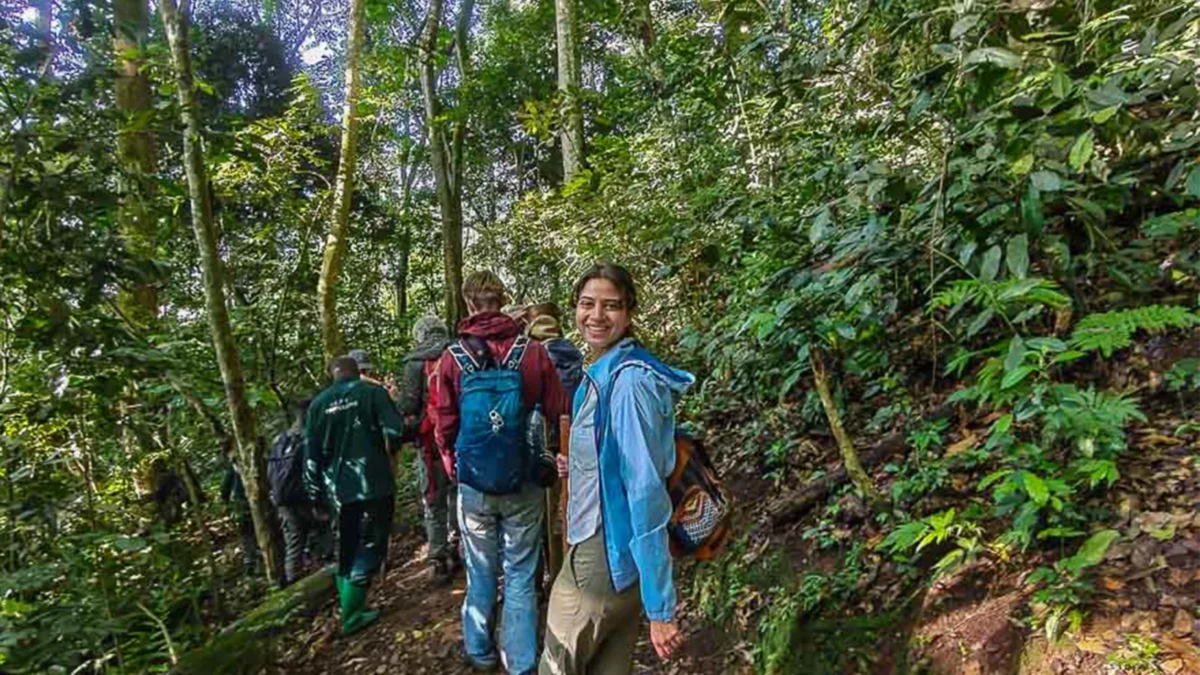
Chimpanzee tracking is one of the most exciting wildlife experiences in Rwanda, offering visitors a rare opportunity to observe our closest relatives in their natural habitat. As travelers prepare for this unforgettable adventure, many ask an important practical question: Are walking sticks provided for chimpanzee tracking in Rwanda?
The answer is generally yes. Most chimpanzee tracking excursions in Rwanda provide walking sticks at the briefing point before the trek begins. While they may seem like simple tools, walking sticks play a significant role in improving comfort, balance, and safety as visitors navigate the rainforest trails.
Chimpanzee tracking takes place in dense tropical forests where terrain can vary from relatively flat paths to steep, muddy slopes. Because forest conditions change with weather and wildlife movements, having extra support can make the experience more enjoyable for trekkers of all ages and fitness levels.
Beyond the availability of walking sticks, Rwanda has developed a reputation for delivering well-organized and professionally managed primate experiences. Through carefully planned conservation tourism, visitors enjoy safe, educational, and memorable encounters with chimpanzees while contributing to the protection of these remarkable animals and their habitats.
At Experiya Tour Company, we help travelers prepare for every aspect of their chimpanzee tracking adventure, ensuring they enjoy a seamless and rewarding safari experience in Rwanda.
Why Walking Sticks Are Helpful During Chimpanzee Tracking
Although chimpanzee tracking is not considered an extreme hiking activity, it often requires walking through challenging rainforest environments. Unlike traditional game drives where visitors remain inside safari vehicles, chimpanzee tracking involves actively following trained guides and trackers through natural forest trails.
As you move through the rainforest, you may encounter slippery ground, exposed tree roots, rocky pathways, thick vegetation, and steep inclines. During such conditions, a walking stick provides valuable support and stability. Instead of placing all your weight on your legs, you can distribute some of the effort through the stick, making the trek less tiring.
Walking sticks are especially useful when descending hills or crossing muddy sections of the trail. They help maintain balance and reduce the risk of slipping, particularly after rainfall when the forest floor becomes wet and uneven.
Furthermore, visitors carrying cameras, binoculars, or backpacks often appreciate the additional support. Since many travelers focus on capturing photographs or observing wildlife, a walking stick allows them to move more confidently while managing their equipment.
Older travelers and first-time hikers also find walking sticks beneficial. Even those with moderate fitness levels can enjoy the experience comfortably with the extra assistance provided by these trekking aids. As a result, chimpanzee tracking remains accessible to a broad range of visitors seeking authentic wildlife safari experiences in Rwanda.
Chimpanzee Tracking in Nyungwe Forest National Park
When discussing chimpanzee tracking in Rwanda, it is impossible not to mention Nyungwe Forest National Park, the country’s premier destination for this incredible activity.
Located in southwestern Rwanda, Nyungwe is one of Africa’s oldest and most biologically diverse rainforests. Covering over 1,000 square kilometers, the park protects an extraordinary ecosystem filled with dense vegetation, rolling hills, deep valleys, waterfalls, and abundant wildlife.
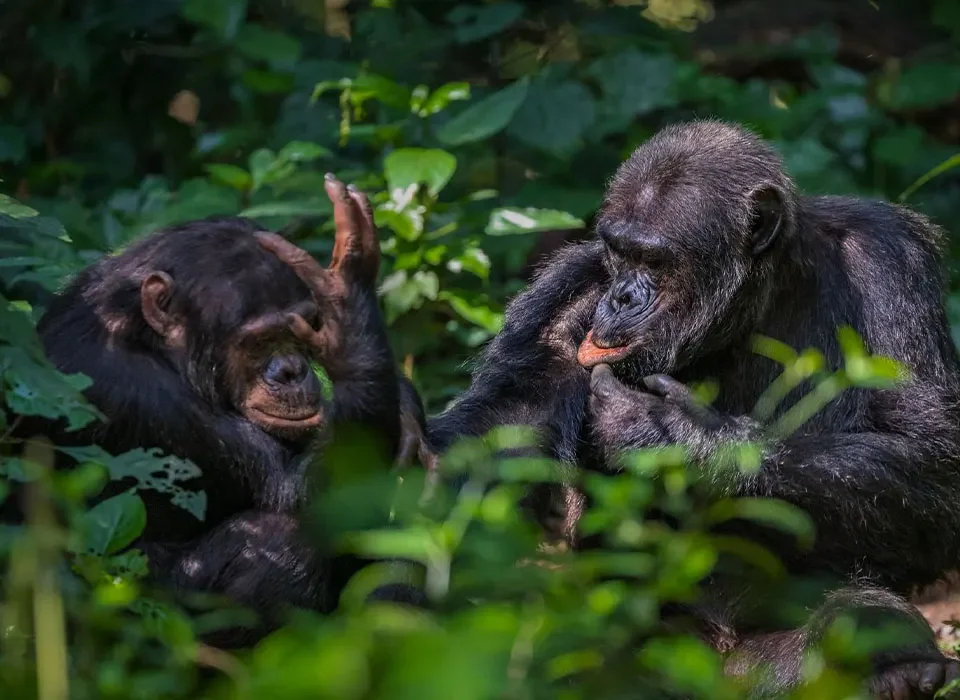
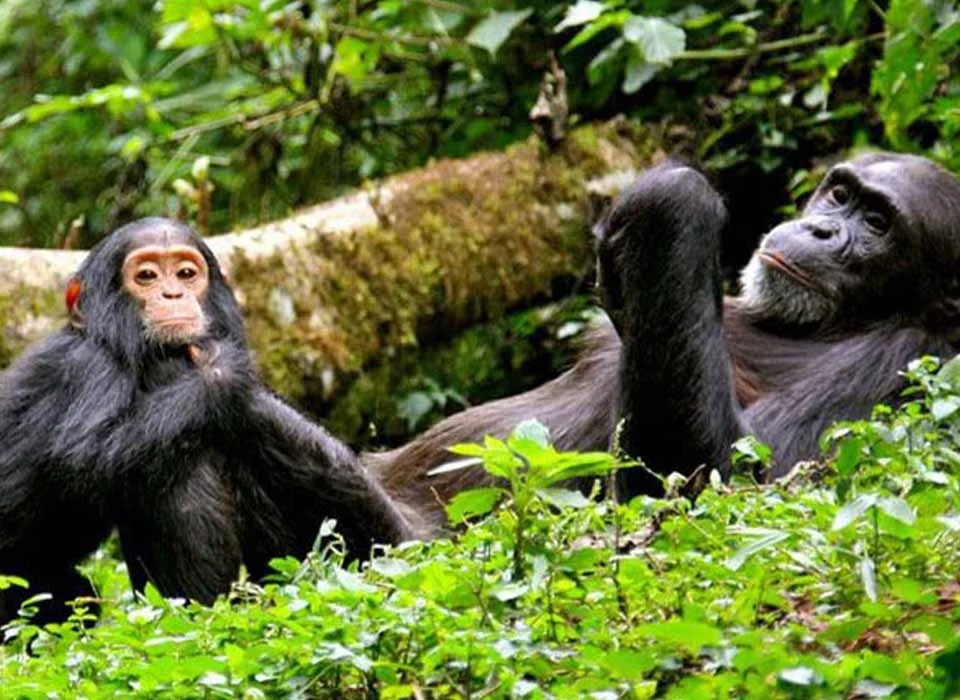
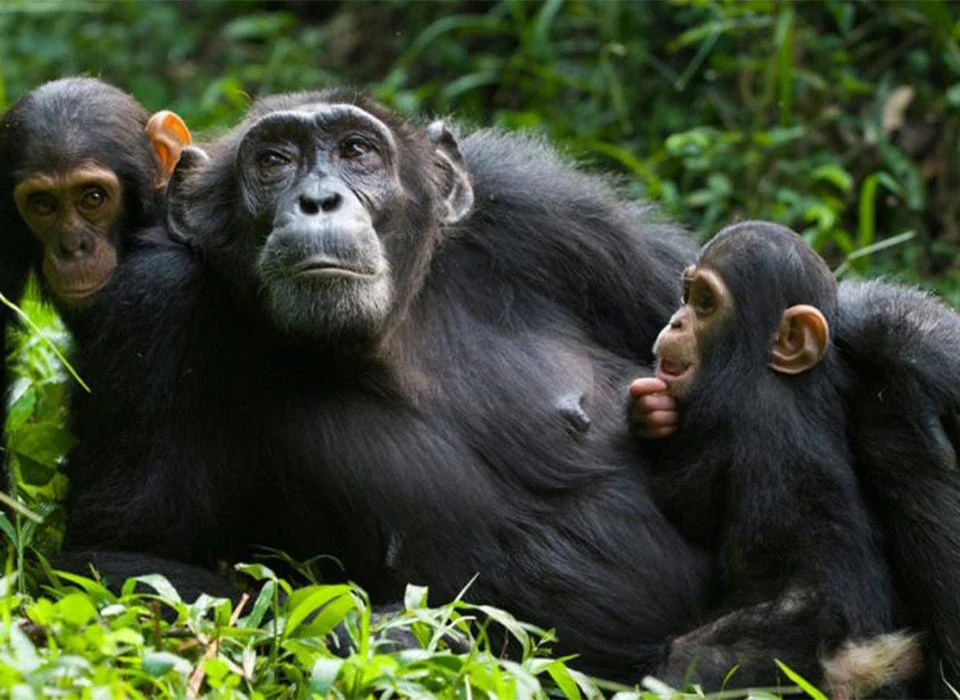
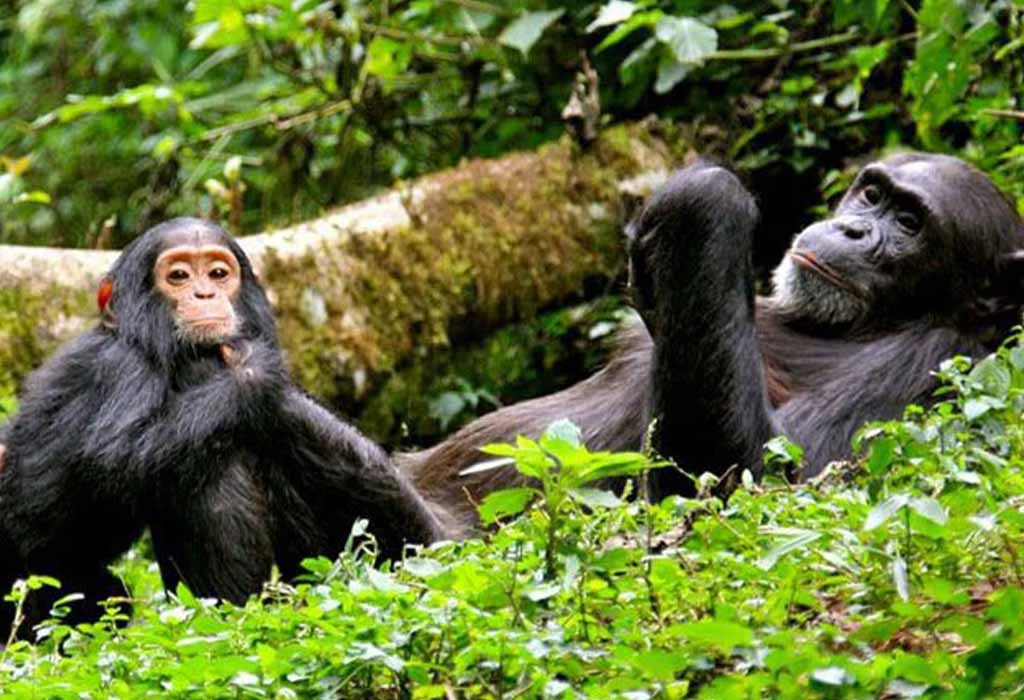
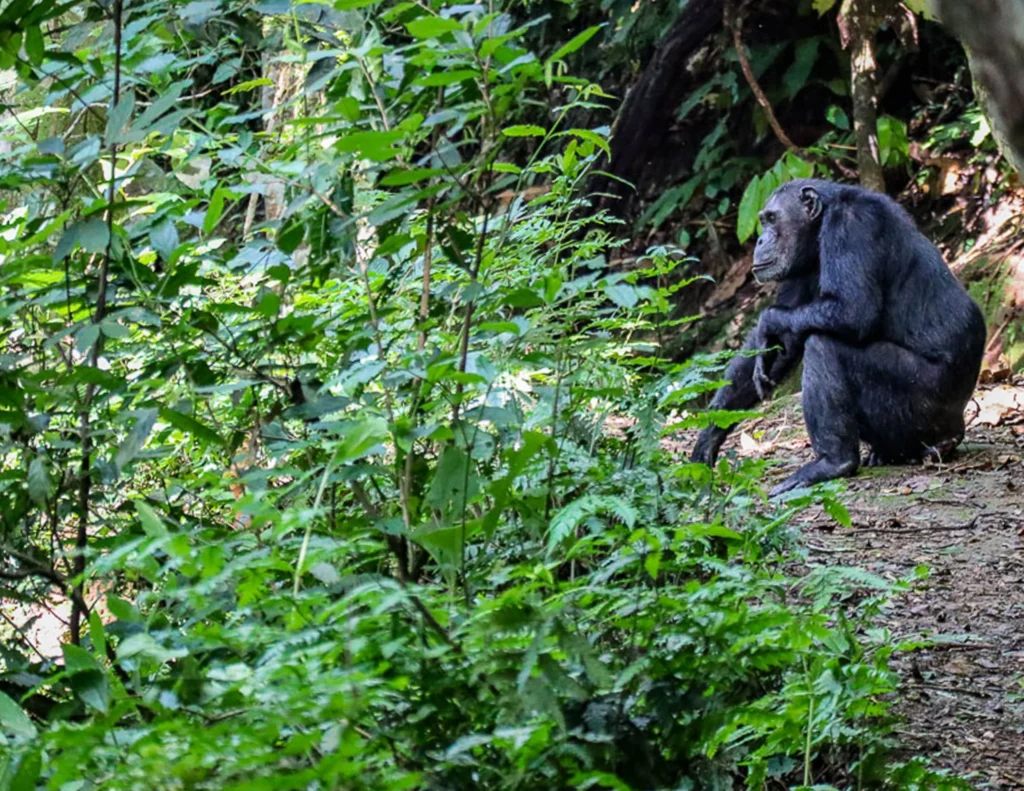
Chimpanzees are among the park’s most celebrated residents. Several habituated groups live within the forest, allowing visitors to observe them as they feed, communicate, groom one another, and move through the canopy.
Because chimpanzees roam freely throughout the forest, no two tracking experiences are exactly the same. Some mornings, trackers locate the chimpanzees relatively close to the starting point. On other days, visitors may walk longer distances before encountering the troop.
This unpredictability adds excitement and authenticity to the adventure. However, it also highlights why walking sticks are useful. Since trekking routes change daily depending on chimpanzee movements, visitors may find themselves navigating a variety of terrain conditions during a single excursion.
In addition to chimpanzees, Nyungwe Forest National Park supports numerous other primate species, including colobus monkeys, L’Hoest’s monkeys, blue monkeys, and vervet monkeys. The forest also hosts hundreds of bird species, butterflies, orchids, and rare plant life, making every trek a fascinating journey through one of Africa’s most important conservation areas.
How Rwanda Supports Visitor Safety and Comfort
Rwanda has become a leading ecotourism destination because of its strong commitment to visitor safety, conservation, and high-quality tourism services.
Before entering the forest, all participants attend a detailed briefing conducted by experienced park rangers. During this session, guides explain trekking procedures, safety guidelines, chimpanzee viewing rules, and conservation protocols. These briefings help visitors understand what to expect and how to behave responsibly around wildlife.
At many briefing points, walking sticks are made available to guests before the trek begins. Rangers also assess weather conditions and trail conditions daily, offering recommendations based on individual fitness levels and trekking requirements.
Throughout the experience, professional guides and trackers accompany visitors every step of the way. Their extensive knowledge of the forest and chimpanzee behavior helps ensure both safety and successful wildlife encounters.
Additionally, Rwanda’s protected areas maintain well-established tourism management systems, including trained personnel, emergency response procedures, and strict conservation regulations. These measures contribute to a smooth and enjoyable experience for visitors while protecting the natural environment.
Consequently, travelers can feel confident knowing that chimpanzee tracking in Rwanda is conducted according to internationally recognized standards of wildlife tourism and conservation.
Best Time for Chimpanzee Tracking in Rwanda
Chimpanzee tracking is available throughout the year, but certain seasons offer more favorable trekking conditions.
The dry seasons, which typically run from June to September and December to February, are widely regarded as the best times to visit. During these months, trails are generally drier, making hiking easier and more comfortable. Although walking sticks remain useful, visitors often find the terrain less challenging than during wetter periods.
On the other hand, the rainy seasons bring lush vegetation, vibrant landscapes, and excellent opportunities for nature photography. While trails can become muddy and slippery, chimpanzee sightings remain rewarding throughout the year.
In fact, many travelers appreciate visiting during the rainy months because the forest appears particularly green and alive. During these periods, walking sticks become even more valuable as they provide extra stability on wet surfaces.
Regardless of when you choose to travel, Rwanda offers exceptional chimpanzee tracking experiences that combine adventure, wildlife, and conservation in one remarkable destination.
Why Travel with Experiya Tour Company?
Planning a chimpanzee tracking safari involves more than simply obtaining a permit. Travelers must also consider accommodation, transportation, park regulations, packing requirements, and overall itinerary design.
At Experiya Tour Company, we specialize in creating personalized Rwanda safari experiences that remove the stress from travel planning. Our team handles every detail, allowing you to focus entirely on enjoying your adventure.
We provide expert guidance before your trip, helping you understand what to pack, how to prepare physically, and what to expect during your chimpanzee tracking experience. Our local knowledge ensures that every itinerary combines comfort, efficiency, and unforgettable wildlife encounters.
Moreover, we strongly support responsible tourism practices that contribute to conservation efforts and local community development. By traveling with Experiya Tour Company, you not only enjoy a world-class safari but also help support the long-term protection of Rwanda’s unique natural heritage.
Conclusion
So, are walking sticks provided for chimpanzee tracking in Rwanda? In most cases, yes. Walking sticks are commonly available and serve as valuable trekking aids that improve balance, reduce fatigue, and enhance overall comfort during forest hikes.
Whether you are navigating steep slopes, crossing muddy trails, or simply seeking extra stability, a walking stick can make your chimpanzee tracking experience significantly more enjoyable. Combined with expert guides, well-managed tourism services, and the breathtaking beauty of Nyungwe Forest National Park, chimpanzee tracking remains one of the most rewarding wildlife adventures in Africa.
With Experiya Tour Company, you can embark on this extraordinary journey fully prepared, confident, and ready to create lasting memories in Rwanda’s magnificent rainforest wilderness.