What should I pack for a safari in Kenya?
November 20, 2025
What’s the green season like in the Maasai Mara?
November 20, 2025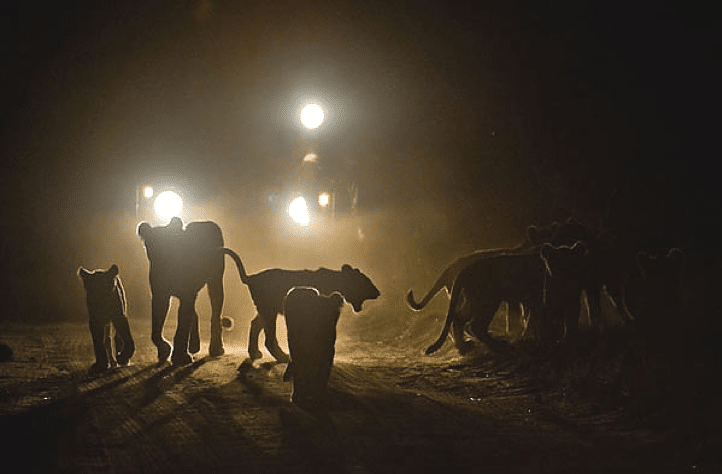
Are Night Temperatures Cold on Safari?
One of the most common questions travellers ask when preparing for a Kenya safari is whether night temperatures get cold. The answer is yes—they can be surprisingly chilly, depending on the region, altitude, and time of year. While Kenya is known for warm days, stunning sunshine, and golden savannah heat, nightfall paints a very different picture. Temperatures drop sharply after sunset, and in certain parks, early mornings and late evenings can feel colder than many travellers expect.
This contrast is part of the magic of safari life. You may spend the afternoon basking in warm sunlight and the night curled under thick blankets listening to lions roar in the distance. Understanding these temperature fluctuations helps you pack properly, stay comfortable, and fully enjoy your safari experience. This guide dives deep into Kenya’s nighttime temperatures across different regions, why the temperature drop happens, what to expect in various months, and how to stay warm without overpacking.
Why Do Night Temperatures Drop on Safari?
Kenya straddles the equator, so many travellers assume temperatures remain warm around the clock. However, altitude, savannah geography, and clear skies all play a major role in nighttime cooling.
Altitude Matters Most
Many safari destinations are situated on elevated plateaus:
Nairobi: approximately 1,795 m (5,889 ft) Maasai Mara: 1,500–2,000 m (4,900–6,600 ft) Laikipia: 1,800–2,300 m (5,900–7,500 ft) Rift Valley lakes: 1,100–1,700 m (3,600–5,600 ft)
Higher altitudes mean cooler nights, sometimes dropping to as low as 8–12°C (46–54°F) during the coldest months.
Savannah Radiation Cooling
Open savannahs lose heat quickly after sunset because:
There are no tall trees to trap warm air The ground cools rapidly The sky is typically clear, allowing heat to escape
Dry Air Intensifies the Cold
During dry seasons (June–October), humidity is low, causing more dramatic temperature swings.
Together, these factors create crisp, chilly nights that contrast beautifully with warm safari days.
Night Temperatures by Region
Each safari destination in Kenya has its own unique climate. Understanding regional differences helps you plan and pack effectively.
Maasai Mara
The Maasai Mara lies at a relatively high altitude, making nights cooler than many expect.
Night temperatures: 9–15°C (48–59°F)
Day temperatures: 22–28°C (72–82°F)
The Mara experiences:
Cool mornings (fleece and jackets needed) Warm afternoons Chilly nights especially from June to August During sunrise game drives, cold breezes blow through open safari vehicles—layers are essential.
Amboseli National Park
Amboseli is lower in altitude and generally warmer but still experiences nighttime cooling.
Night temperatures: 12–18°C (54–64°F)
Day temperatures: 26–32°C (79–90°F)
Its wide, open plains create breezy nights. The presence of Mount Kilimanjaro also influences local cooling patterns.
Samburu National Reserve
Samburu is semi-arid and generally hot, but desert-like conditions create significant temperature drops at night.
Night temperatures: 14–20°C (57–68°F)
Day temperatures: 28–34°C (82–93°F)
Samburu nights are not as cold as Mara’s, but early mornings are still cool.
Tsavo East & West
These lower-altitude parks see mild to warm nights.
Night temperatures: 15–20°C (59–68°F)
Day temperatures: 28–35°C (82–95°F)
Nights in Tsavo are pleasant, though temperatures can feel cool during windy spells.
Laikipia Plateau
Laikipia is one of Kenya’s coolest safari regions due to its higher elevation.
Night temperatures: 8–14°C (46–57°F)
Day temperatures: 20–28°C (68–82°F)
Laikipia can get cold enough at night that many lodges offer hot-water bottles and heated rooms.
Kenyan Coast (Diani, Watamu, Lamu)
If you’re combining a bush-and-beach itinerary, note that coastal temperatures remain warm.
Night temperatures: 22–26°C (72–79°F)
Day temperatures: 28–32°C (82–90°F)
The coast offers relief for travellers who prefer warmer nights.
Month-by-Month Night Temperature Guide
January–February (Hot and Dry)
Warm days, warm to mild nights.
Great time for travellers who dislike cold evenings.
March–May (Long Rains)
Humid with mild nights.
Rain clouds trap heat, reducing nighttime cooling.
June–August (Cool Season)
The coldest months on safari.
Expect crisp mornings, chilly evenings, and cold nights, especially in the Mara and Laikipia.
September–October (Dry and Warming)
Still cool early mornings, but temperatures slowly rise.
November–December (Short Rains)
Mild nights with occasional humidity.
Comfortable for most travellers.
How Cold Do Early Morning Game Drives Get?
Safari vehicles are open-sided or have pop-up roofs, exposing you to wind chill. Morning game drives, which usually start at 6:00 a.m., can feel colder than the actual temperature.
Temperature perception while driving in open vehicles drops by:
3–8°C depending on wind speed
So a 12°C (53°F) morning can feel more like 5–8°C (41–46°F). This is why layers are essential.
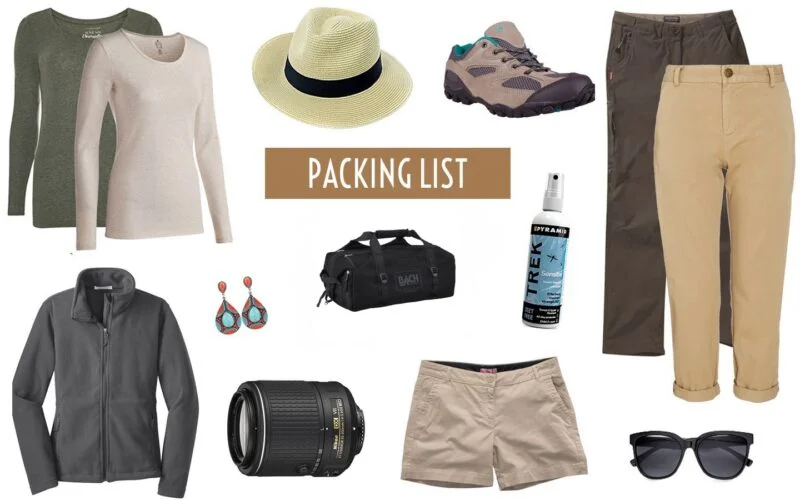
 What to Wear for Cold Safari Nights and Early Mornings
Pack Layers
Layering is the golden rule for safari. Combine:
A moisture-wicking base layer
A fleece or warm mid-layer
A windproof jacket or light down jacket
You can add or remove layers as the day warms up.
Warm Accessories
Even simple items make a huge difference:
Warm hat or beanie
Scarf or buff
Light gloves (for early drives)
Warm Sleepwear
Safari nights can be cold inside tents and lodges, especially high-altitude ones. Pack:
Cotton long-sleeve pajamas
Warm socks for sleeping
A lightweight hoodie
Footwear
Closed-toe shoes keep your feet warm on chilly mornings. Sandals work for midday, but closed shoes are best for dawn drives.
How Safari Lodges Keep You Warm at Night
Many lodges and camps understand that night temperatures can be unexpectedly cold and provide thoughtful comforts.
Look forward to:
Hot-water bottles tucked into your bed Heated blankets or mattress warmers Thick duvets and fleece throws Fireplaces in rooms (in select high-end camps) Hot evening drinks Warm towels Long-lasting lanterns or bedside heaters Camps go out of their way to ensure guests stay warm and comfortable through chilly safari nights.
What Makes Cold Safari Nights Special?
Though cold, safari nights hold some of the most remarkable experiences:
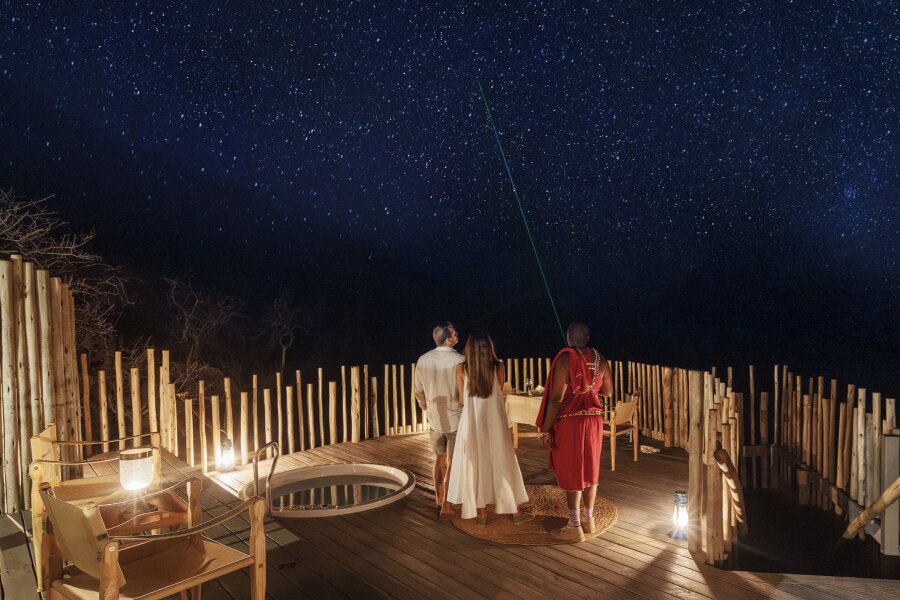
Clear, star-filled skies with minimal light pollution Lions roaring in the distance Hyenas calling across the plains Crisp mountain air in Laikipia and the Mara The thrill of wrapping yourself in a blanket during a sunrise game drive Even the cold becomes part of the safari adventure—adding character, atmosphere, and unforgettable memories.
Tips for Staying Warm on Safari
Drink warm beverages in the morning Use scarves or buffs to block cold vehicle drafts Sit on extra blankets in the vehicle Keep your jacket accessible at all times Warm your hands between legs or under blankets Wear thin layers rather than one thick one Bring a warm layer in your daypack—always Weather can shift quickly, so being prepared is key.
Final Verdict: Are Nights Cold on Safari?
Yes—safari nights in Kenya can be cold, especially in the Maasai Mara, Laikipia, and high-altitude regions between June and August. Even in warmer months, early mornings remain crisp. But with the right clothing and smart packing, staying warm is easy.
The cold adds charm to the safari experience and offers some of the most breathtaking mornings you’ll ever witness. Travellers who embrace the coolness often find it refreshing and invigorating.
Book Your Kenya Safari with Experiya Tour Company
For a perfectly planned safari—complete with expert guidance on weather, packing, ideal seasons, and the best lodges—Experiya Tour Company offers customized itineraries tailored to your comfort and travel style. Their knowledgeable guides ensure your drives are warm, safe, and memorable, with every detail handled to perfection. Whether you seek a cozy safari experience in the cool season or a warm, sunlit adventure, Experiya crafts journeys that match your dreams. When preparing for your safari, trust Experiya Tour Company to guide you with expertise and exceptional care.