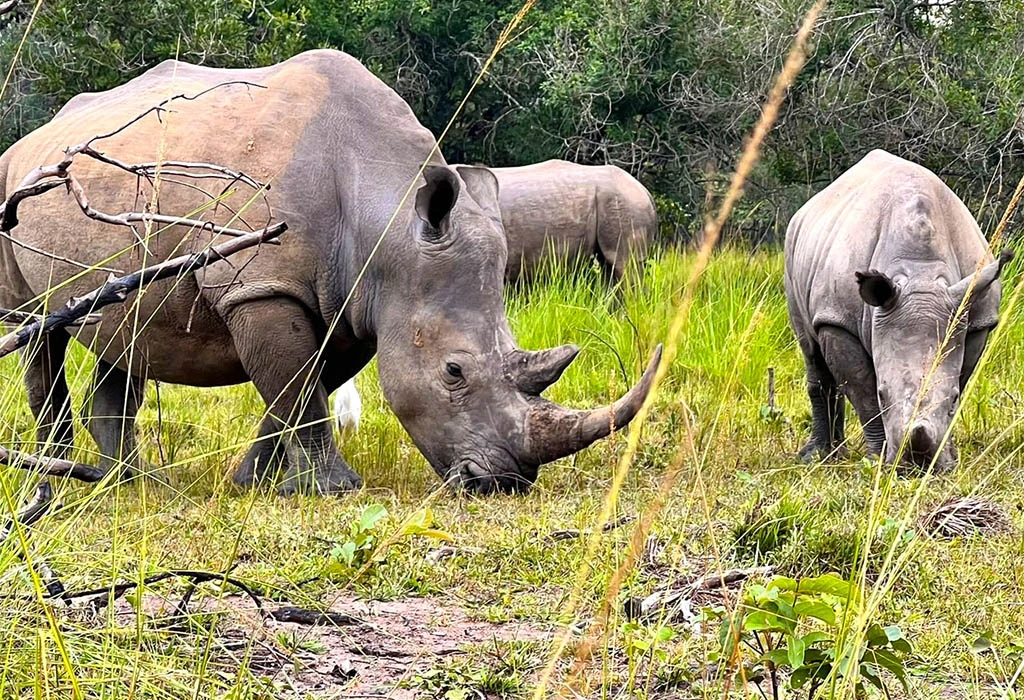
A Complete Guide to Ziwa Rhino Sanctuary and Wildlife Experiences
May 6, 2026
Best women’s tourism activities in Uganda
May 6, 2026
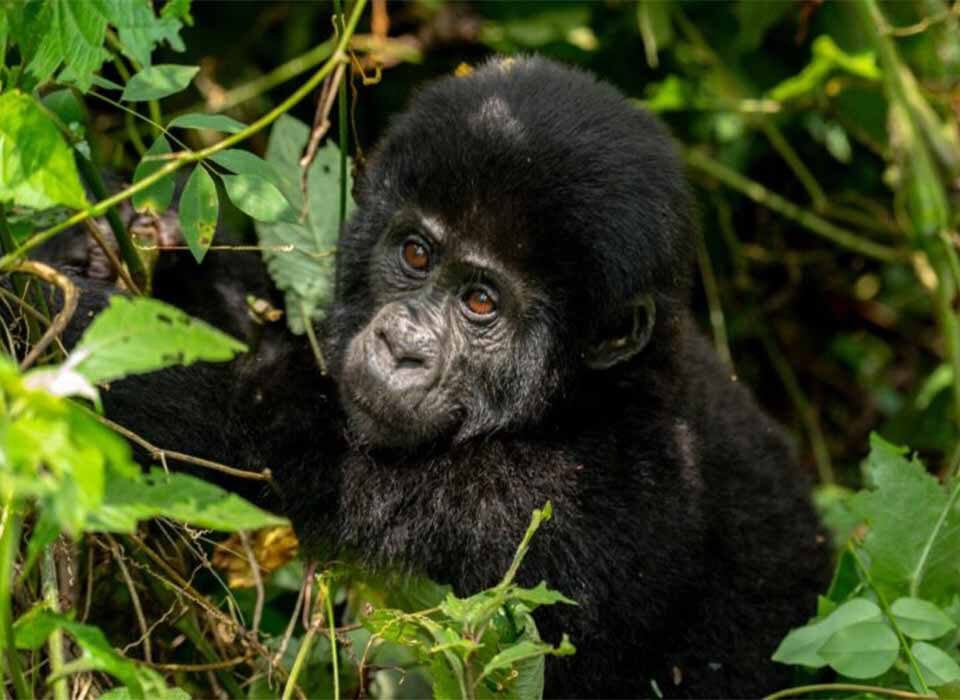
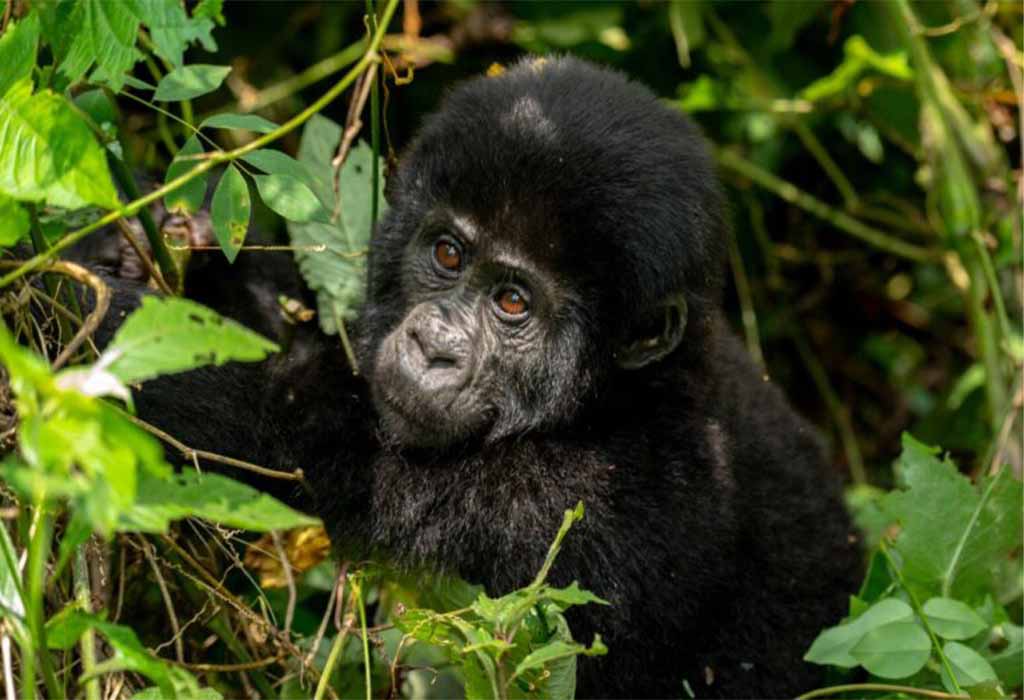
Seeing a baby gorilla in the wild is one of the most heartwarming moments in nature. Their expressive eyes, playful behavior, and strong bond with their mothers often leave visitors deeply moved. In gorilla trekking experiences across East and Central Africa, infant gorillas are among the most fascinating individuals to observe because they reveal the gentle and human-like side of these great apes.
Baby gorillas are not only adorable but also incredibly important for conservation. Every new birth signals hope for a species that has faced decades of threats from habitat loss, poaching, and human conflict. Understanding how they grow, behave, and survive helps us appreciate why gorilla conservation remains so vital.
This guide explores everything you need to know about baby gorillas, from birth to early development and their role within gorilla families.
The Birth of a Baby Gorilla
A baby gorilla enters the world after a gestation period of about eight and a half months, similar to humans. However, what makes their birth especially remarkable is how rare it is. Female gorillas typically give birth to only one infant at a time, and multiple births are extremely uncommon in the wild.
At birth, a baby gorilla is surprisingly small compared to its mother. It usually weighs between 1.4 and 1.8 kilograms, which is lighter than most human newborns. Despite this small size, the infant is already well-developed enough to cling tightly to its mother’s fur within minutes of being born.
From the very beginning, the mother plays a central role in the infant’s survival. She holds, protects, and nurses the baby constantly. In the wild, this bond is essential because newborn gorillas are extremely vulnerable to predators and environmental challenges.
Early Growth and Rapid Development
One of the most fascinating facts about baby gorillas is how quickly they develop compared to human babies. Their growth is fast, and they begin reaching physical milestones within weeks rather than months.
By around eight weeks of age, baby gorillas start to show bursts of energy. They begin to move more actively, hopping around and attempting playful movements under the watchful eye of their mothers. Shortly after that, around nine weeks, they start crawling and exploring small spaces near their resting areas.
At about three months, curiosity becomes a defining trait. Infant gorillas begin paying close attention to everything happening around them. They observe adult behavior closely, especially feeding patterns and social interactions within the group. This stage is crucial because gorillas learn almost everything through observation rather than instruction.
By around seven months, baby gorillas become strong enough to climb onto their mother’s back. This is a significant milestone because it allows the infant to travel with the group while still remaining safe and protected.
Mother-Infant Bond and Dependence
The relationship between a baby gorilla and its mother is one of the strongest bonds in the animal kingdom. From birth, the infant depends entirely on its mother for nourishment, warmth, and protection.
For the first several months of life, the baby rarely leaves its mother’s body. Even as it grows stronger, it continues to cling tightly during movement through forests, feeding areas, and nesting sites.
This dependence usually lasts for about six months or more, although emotional attachment continues for several years. Even after becoming more independent, young gorillas often stay close to their mothers for guidance and security.
The mother not only feeds and carries the infant but also teaches essential survival skills. She demonstrates what to eat, how to move safely through dense vegetation, and how to interact with other group members.
Feeding Habits of Baby Gorillas
Diet is another important aspect of early development. Although baby gorillas rely on breast milk in their early months, they gradually begin exploring solid foods at around two and a half months of age.
At this stage, they start nibbling on soft vegetation such as leaves and stems. However, milk remains their primary source of nutrition for a much longer period. This slow transition allows their digestive systems to adapt to a herbivorous diet.
As they grow, young gorillas begin eating more plant material, including fruits, shoots, and leaves, just like the adults. Their feeding habits are learned through close observation of older gorillas, especially their mothers.
Learning Through Observation
Baby gorillas are not taught in the way humans teach children. Instead, they learn by watching and imitating. This method of learning is incredibly effective in gorilla societies.
Infants closely observe how adults interact, feed, and respond to different situations. Over time, they begin copying these behaviors. For example, a young gorilla may watch an adult break open plant stems or peel bark and then try to do the same.
This learning style helps them gradually build the skills they need to survive in the wild. It also strengthens their connection to the group because they are constantly engaged with others in their social environment.
Playful Behavior and Social Development
Play is a major part of a baby gorilla’s life. Far from being just entertainment, play serves an important developmental purpose. Through playful activities, young gorillas build strength, coordination, and social skills.
They often chase each other, wrestle gently, and swing from branches. These activities help them develop muscle strength and balance, which are essential for life in forested environments.
Play also strengthens social bonds. Young gorillas form friendships within their group, and these early relationships often influence their future social interactions as adults.
Observers in the wild often describe baby gorillas as curious, energetic, and sometimes mischievous. Their playful nature makes them one of the most enjoyable sights during gorilla trekking experiences.
Growing Independence
As baby gorillas grow older, they slowly begin to gain independence. While they remain close to their mothers, they start exploring more freely within the group.
They become more confident in climbing, foraging, and interacting with other juveniles. However, full independence takes several years. In most cases, gorillas remain juveniles until around eight to ten years of age.
During this time, they continue learning essential survival and social skills. Male juveniles eventually develop into silverbacks, while females mature into adults capable of forming their own families.
Challenges Facing Baby Gorillas
Despite their strong family bonds, baby gorillas face several threats in the wild. Habitat loss remains one of the biggest challenges, as forests continue to shrink due to human activities.
In addition, poaching and illegal wildlife trade have historically impacted gorilla populations, although conservation efforts have significantly reduced these threats in protected areas.
Infant mortality is also a natural concern. Young gorillas are vulnerable to disease and environmental stress, especially during their earliest months of life.
However, conservation programs, eco-tourism, and protected national parks have played a major role in improving survival rates. companies like Experiya Tour Company and others involved in responsible tourism also help raise awareness about the importance of protecting these incredible animals.
The Importance of Baby Gorillas in Conservation
Every baby gorilla represents hope for the future of the species. Their survival is a clear indicator of successful conservation efforts in the regions where they live.
When visitors encounter baby gorillas during trekking experiences, they often develop a deeper appreciation for wildlife protection. These emotional encounters encourage responsible tourism and support local conservation initiatives.
Protecting infant gorillas means protecting entire ecosystems. Gorillas play a key role in maintaining forest health by dispersing seeds and shaping vegetation growth patterns.
Final Thoughts
Baby gorillas offer a rare glimpse into the gentle, intelligent, and social world of one of our closest relatives in the animal kingdom. From their rapid development and playful nature to their deep bond with their mothers, every stage of their early life is both fascinating and inspiring.
As they grow, they carry forward the future of their species, supported by strong family structures and increasing conservation efforts. Observing them in the wild is not just a wildlife experience it is a powerful reminder of the importance of protecting the natural world.
Through responsible tourism and continued conservation work, baby gorillas will continue to thrive, offering future generations the chance to witness their beauty in the forests where they belong.