Are There Age Limits for Gorilla Trekking? | Uganda & Rwanda Gorilla Trekking Rules Explained by Experiya Tour Company
October 22, 2025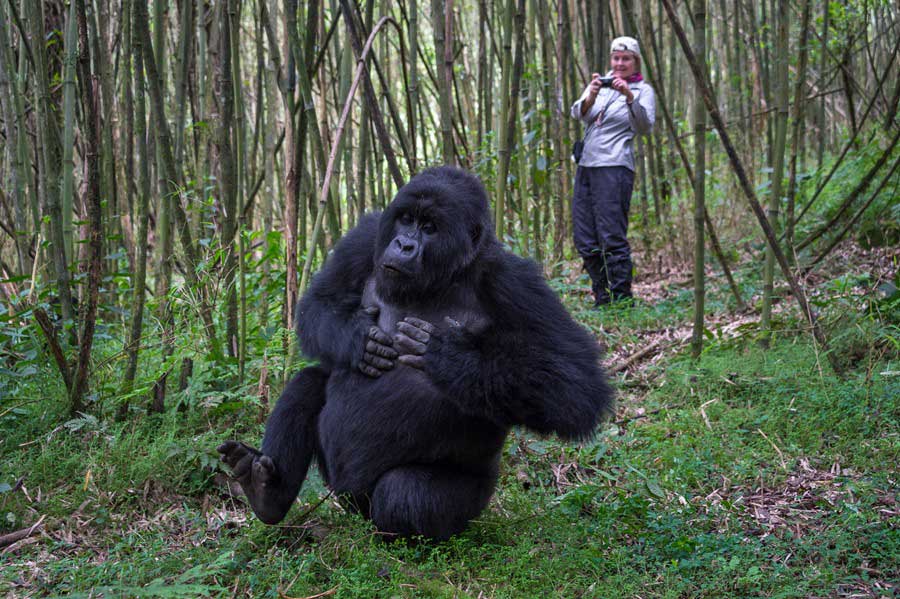
What’s the Best Camera Lens for Gorilla Trekking? | Photography Guide by Experiya Tour Company
October 22, 2025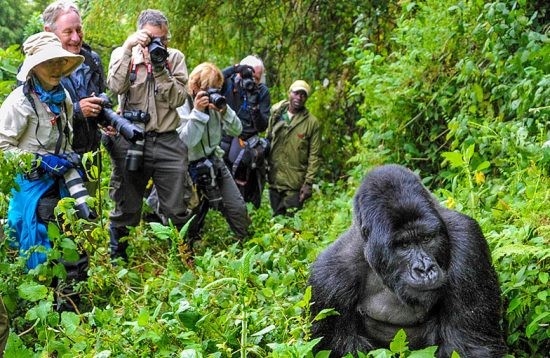
Can I Take Photos During Gorilla Trekking?
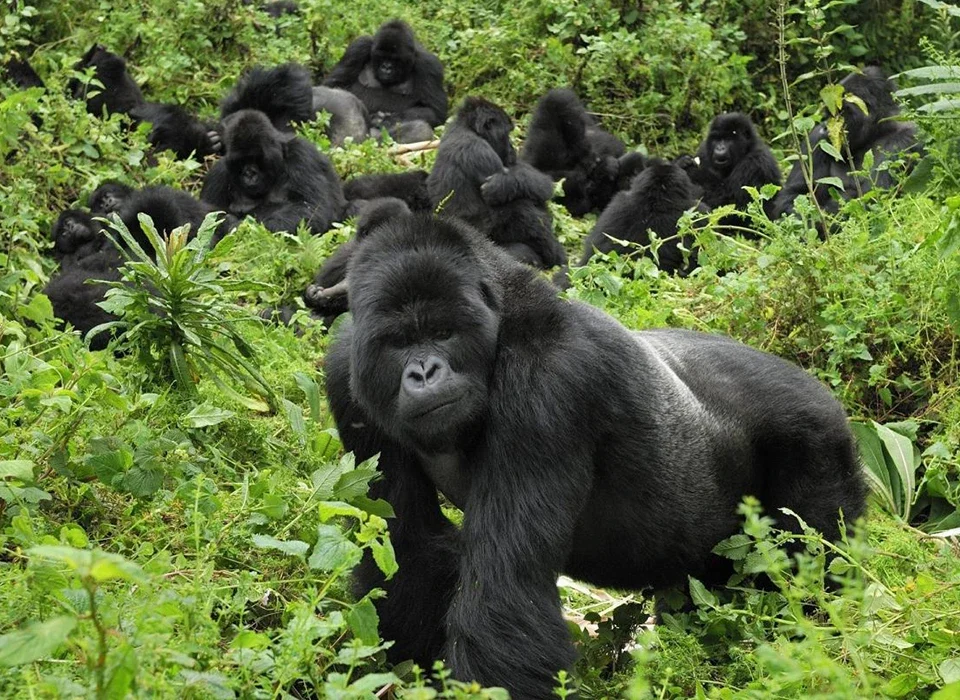
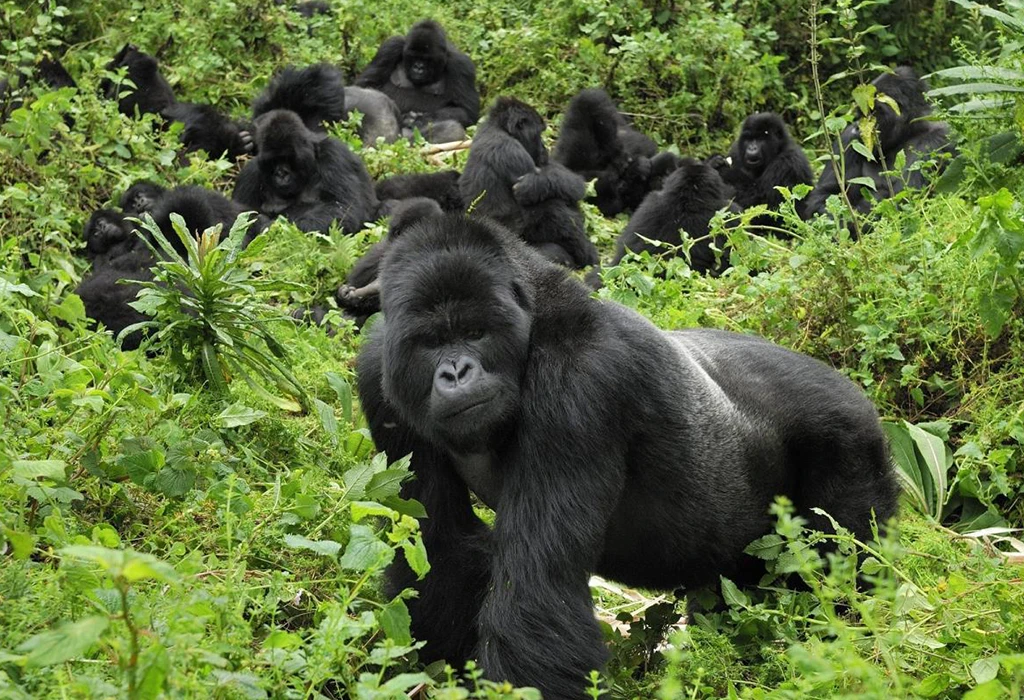
For many travelers, gorilla trekking in Uganda or Rwanda is a once-in-a-lifetime adventure — a chance to stand just a few meters away from one of the world’s most intelligent and endangered animals, the mountain gorilla. These close encounters are breathtaking, emotional, and deeply humbling. Naturally, one of the first things that comes to mind for any trekker is photography. Capturing that magical moment when a silverback looks directly into your eyes, or a playful infant swings from a vine, is something you’ll want to remember forever. But can you actually take photos during gorilla trekking?
The answer is yes, you can take photos during gorilla trekking — but with some very important rules and guidelines. The welfare of the gorillas always comes first, and photography is strictly regulated to protect them from stress, disease, and disturbance. This guide will walk you through everything you need to know about photographing gorillas responsibly — from park regulations, camera settings, and ethical practices to tips for getting stunning images without breaking the rules.
The Short Answer: Yes, Photography Is Allowed
Both Uganda (in Bwindi Impenetrable National Park and Mgahinga Gorilla National Park) and Rwanda (in Volcanoes National Park) allow trekkers to take photographs during their one-hour visit with a gorilla family. Photography is encouraged as part of the experience — after all, it helps spread awareness about conservation. However, there are strict rules that every trekker must follow to ensure the gorillas’ comfort and safety.
Key Photography Rules for Gorilla Trekking
1. No Flash Photography
This is the most important rule. Flash photography is strictly prohibited during gorilla trekking. The flash can startle the gorillas or make them feel threatened, especially dominant silverbacks. A sudden burst of light may cause them to charge or move away, disrupting their natural behavior.
Before your trek, make sure to turn off your flash manually on your camera or smartphone. Even if your camera has an automatic flash setting, disable it completely before approaching the gorillas. Rangers will remind you about this rule during the pre-trek briefing, but it’s wise to double-check your settings in advance.
2. Maintain a Safe Distance (At Least 7 Meters)
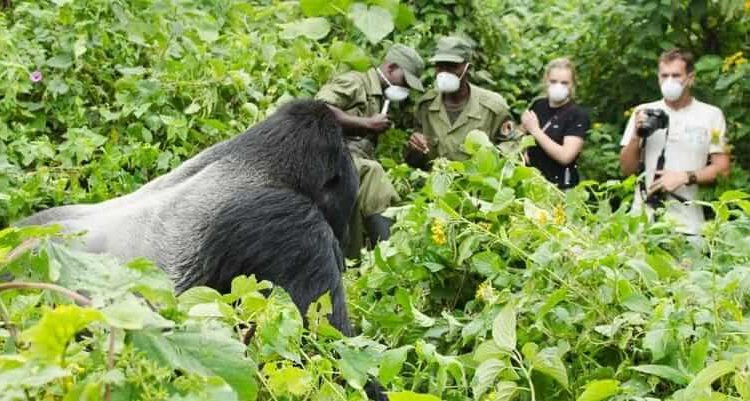
While taking photos, you must maintain a minimum distance of 7 meters (about 21 feet) from the gorillas. This rule protects the gorillas from potential human-borne diseases and ensures their comfort. Sometimes, the gorillas might move closer on their own — they’re naturally curious — but you should never approach them intentionally.
If a gorilla walks toward you while you’re taking photos, stay calm, avoid eye contact, and slowly lower your camera. Never make sudden movements or try to retreat quickly. Rangers are trained to manage these moments and will guide you on what to do.
3. No Flashlights, Loud Sounds, or Sudden Movements
Even without flash, loud noises like shutter clicks, camera beeps, or phone notifications can irritate gorillas. It’s best to silence all your devices before the trek. Move slowly and deliberately while shooting. Avoid standing up abruptly or waving your camera. The goal is to blend into the gorillas’ environment as quietly as possible.
4. Limit Your Time with the Gorillas
Photography is only permitted during the one-hour viewing period allowed by the park authorities. After that, all visitors must leave the area. This time limit minimizes stress and exposure for the gorillas, ensuring their daily routine isn’t disrupted.
Make sure to enjoy the experience, not just through your lens. Many trekkers spend the first few minutes taking photos and then put their cameras down to fully appreciate the magical encounter.
5. Follow Ranger Instructions at All Times
Your guide and ranger are the ultimate authorities during the trek. If they tell you to stop taking pictures, lower your camera, or change your position, you must do so immediately. They understand gorilla behavior and know when photography might be causing discomfort.
Respecting the rangers’ instructions ensures your safety and preserves the well-being of the gorilla family you’re visiting.
Best Equipment for Gorilla Trekking Photography
While professional photographers often bring advanced gear, you don’t need expensive equipment to capture stunning gorilla shots. What matters most is being prepared, using the right settings, and understanding the environment.
1. Camera Options
- DSLR or Mirrorless Camera: Ideal for quality images, especially in low light. Choose a lightweight model to avoid fatigue.
- Compact Camera: A good alternative if you want portability without sacrificing image quality.
- Smartphones: Modern smartphones can take excellent photos, provided you turn off flash and keep your distance. For close-ups, use the zoom feature cautiously.
2. Lenses
If you’re using a DSLR or mirrorless camera, bring a zoom lens (70–200mm) or even up to 300mm for close shots without moving toward the gorillas. Avoid changing lenses in the forest — the humidity and dust can damage your camera sensor.
3. Accessories
- Rain cover: Essential for protecting your camera from unexpected downpours.
- Extra batteries and memory cards: The cold and humidity can drain battery life quickly.
- Lens cloth or microfiber towel: Keep your lens clean from mist and moisture.
- Camera strap: To prevent dropping your camera while navigating the steep terrain.
4. Clothing and Comfort
Wear neutral-colored clothing (green, brown, khaki) that blends into the forest environment. Avoid bright colors that might attract the gorillas’ attention. Waterproof boots, long pants, and a rain jacket are essential.
Tips for Great Gorilla Photography
1. Focus on the Eyes
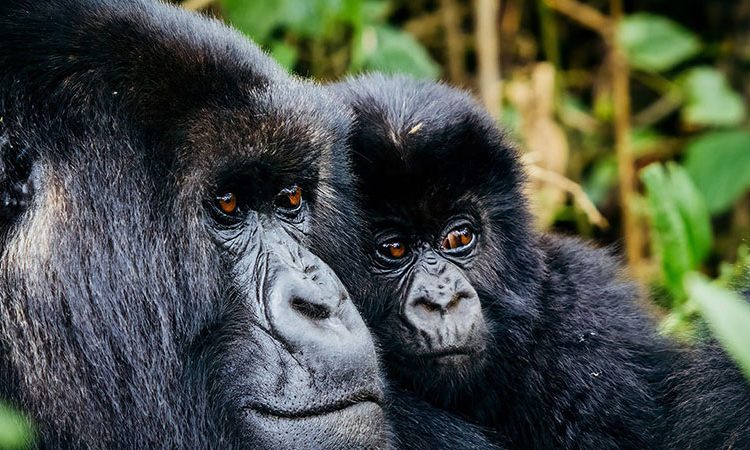
Gorilla eyes are incredibly expressive — full of emotion, curiosity, and depth. When you capture their eyes, you capture their soul. Use your camera’s autofocus to lock onto the eyes and shoot with a wide aperture (like f/4 or f/5.6) to blur the background and make your subject stand out.
2. Use Natural Light
The forest canopy filters sunlight beautifully, creating soft, natural lighting. Use that to your advantage. Increase your ISO setting slightly (around 800–1600) to handle the low light while keeping your shutter speed fast enough to prevent blur.
3. Capture Behavior and Interaction
Don’t just focus on portraits. Look for moments that tell a story — a mother feeding her baby, a silverback grooming another gorilla, or a juvenile beating its chest. These action shots bring the scene to life and showcase the gorillas’ social bonds.
4. Stay Patient and Observant
Gorillas move slowly and unpredictably. Take your time and anticipate their actions. Sometimes, waiting for the perfect expression or pose can make all the difference.
5. Keep It Silent and Respectful
Remember that you’re in their home. Avoid talking, making noise, or using continuous burst modes that create loud clicks. Your goal is to document the experience without altering it.
6. Don’t Forget to Be Present
It’s tempting to look at the entire encounter through your camera lens, but take a few minutes to put your device down and simply observe. Feel the forest around you, listen to the sounds, and make eye contact with a gorilla — it’s a deeply moving moment that no photograph can fully capture.
Ethical Considerations for Gorilla Photography
Photography during gorilla trekking isn’t just about getting amazing pictures — it’s about being a responsible traveler. Always remember that these gorillas are endangered species, and tourism plays a major role in their protection.
- Respect their space: Don’t crowd or chase them for better angles.
- Avoid touching or feeding gorillas: Even small interactions can transmit diseases or change their behavior.
- Follow all conservation rules: Each permit supports gorilla protection and local communities — make your experience part of a bigger purpose.
- Share responsibly: When posting on social media, highlight conservation and ethical tourism rather than treating gorillas as photo props.
By photographing responsibly, you help raise global awareness about the importance of protecting mountain gorillas and their fragile habitats.
What About Video Recording?
Video recording is also allowed, as long as you follow the same rules — no flash, no close-ups, and no disturbing the gorillas. If you’re using a GoPro or smartphone, keep it steady and silent. Avoid sudden movements or extending selfie sticks near the gorillas.
Professional filmmakers or documentary crews must apply for special permits through the park authorities, as commercial filming requires additional conservation oversight.
The Role of Rangers in Photography
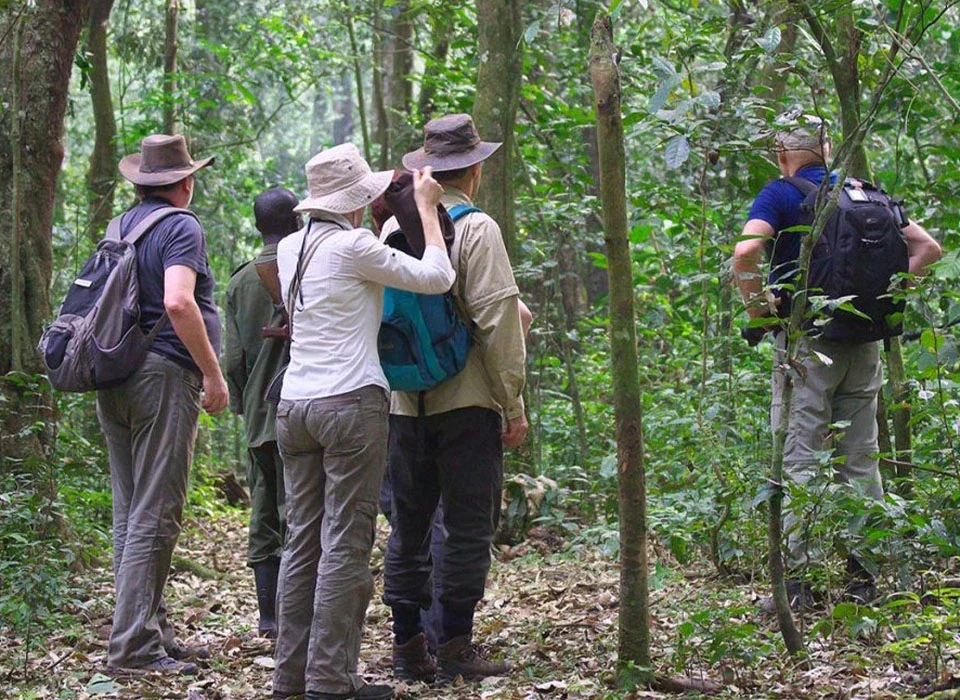
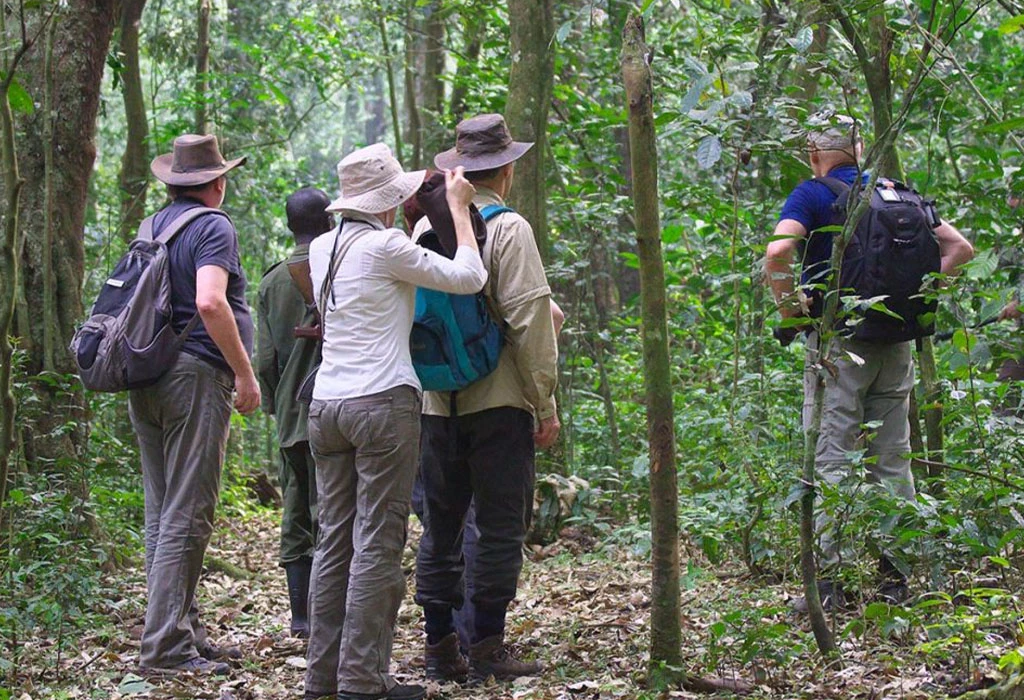
During your trek, the rangers accompanying you will help identify the best moments for photos. They understand gorilla behavior and will position you safely and respectfully. Rangers also ensure that the group doesn’t overwhelm the gorillas — only eight trekkers are allowed per family per day, keeping the experience intimate and calm.
Some rangers are avid photographers themselves and may even help you adjust your angle or suggest where to stand for better lighting. Always follow their guidance; they’re there to protect you and the gorillas.
The Reward: A Lifetime Memory
Taking photos during gorilla trekking is an art in itself — balancing excitement, patience, and respect for wildlife. Every frame you capture tells a story of coexistence between humans and one of our closest relatives. Whether it’s the soft gaze of an infant, the sheer power of a silverback, or the serenity of the misty forest, your photographs become more than images; they become powerful reminders of why conservation matters.
Each time you look back at those photos, you’ll remember the stillness of the jungle, the gentle rustle of leaves, and that unforgettable moment when you and a gorilla shared the same space.
Plan Your Gorilla Trekking Adventure with Experiya Tour Company
Capturing the perfect photo starts with planning the perfect trek — and no one does it better than Experiya Tour Company. As one of Uganda’s most trusted safari operators, Experiya specializes in gorilla trekking safaris, wildlife tours, and adventure expeditions across East Africa.
Their expert guides understand both the art of wildlife photography and the ethics of gorilla tourism. They’ll help you secure your gorilla permits, choose the best trekking sector (Bwindi or Mgahinga), and ensure you have the right timing, equipment, and conditions for an exceptional experience.
Whether you’re an amateur photographer, a professional filmmaker, or simply a curious traveler, Experiya Tour Company will make your gorilla trekking journey smooth, safe, and deeply rewarding. They combine expert logistics, local insight, and a passion for conservation to give you not just great photos — but an experience that touches your soul.
So yes, you can take photos during gorilla trekking — and with the right preparation, guidance, and respect, those photos will tell a story that lasts a lifetime. Book your gorilla trekking safari with Experiya Tour Company, and let every click of your camera become part of Uganda’s unforgettable wilderness.