
How to Plan a Private Gorilla Trekking Experience in Uganda and Rwanda
November 6, 2026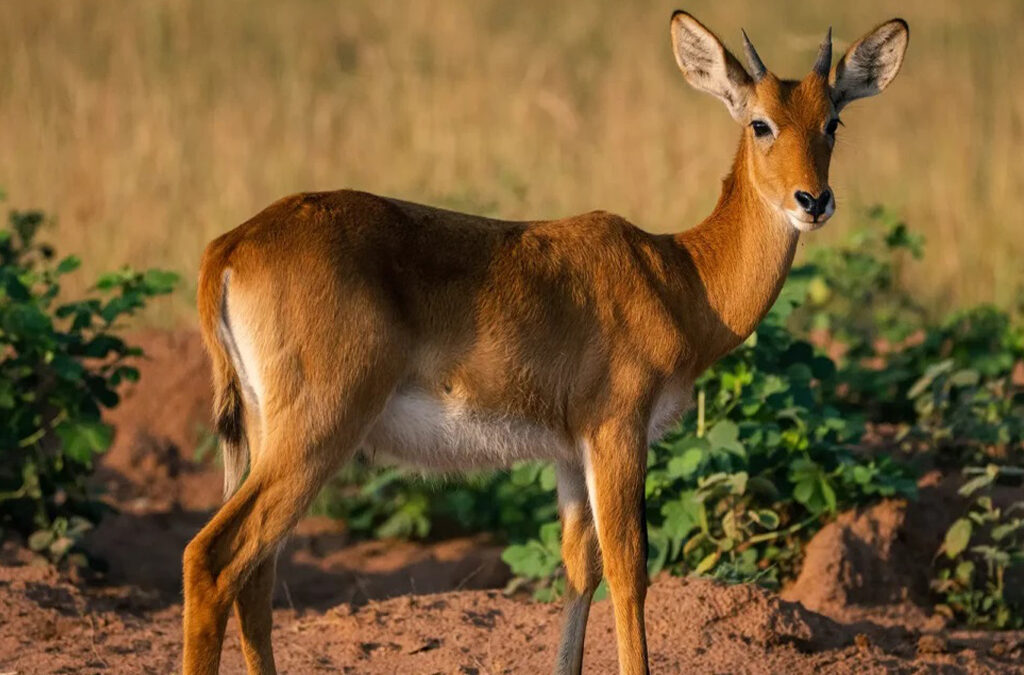
The Uganda kob is one of the most recognisable antelope species in Uganda’s savannah landscapes. Known for its reddish-brown coat, elegant appearance and impressive curved horns, this beautiful animal is a common sight in several of the country’s wildlife destinations. It is particularly associated with Queen Elizabeth National Park and Murchison Falls National Park, where visitors can often spot large herds grazing across open grasslands.
Scientifically known as Kobus kob thomasi, the Uganda kob is a subspecies of the kob and an important part of Uganda’s wildlife heritage. It plays a significant role in the savannah ecosystem by grazing on grasses while also providing food for predators such as lions and leopards.
During a Uganda wildlife safari with Experiya Tour Company, visitors have an opportunity to observe these antelopes in their natural environment. From their physical characteristics and feeding habits to their fascinating breeding behaviour, here are some interesting facts about the Uganda kob.
1. Physical Description of the Uganda Kob
The Uganda kob closely resembles the impala at first glance, although it has a stronger, more robust body. It is a medium-sized antelope with a reddish-brown coat, a white underside and distinctive facial markings. Adult males are generally larger and darker than females, making it relatively easy to distinguish between the two when observing them in the wild.
Male Uganda kobs typically weigh around 90–100 kilograms, while females are considerably lighter, averaging approximately 60–63 kilograms. Males also stand taller, reaching roughly 90–100 centimetres at the shoulder. Their most distinctive feature is a pair of curved, lyre-shaped horns that grow backwards from the head. Females, on the other hand, do not have horns.
The Uganda kob’s reddish-brown coat makes it stand out against the green savannah grasslands. Its underside, inner legs and throat are white, while a dark marking runs down the front of each foreleg. It also has a noticeable white marking around the eyes. These features give the animal its characteristic appearance and make it particularly interesting to photograph during a wildlife game drive.
2. Habitat and Distribution of the Uganda Kob
The Uganda kob prefers open habitats with plenty of short, green grasses for feeding. It commonly inhabits savannah grasslands, open woodlands and floodplains, particularly areas located close to permanent water sources. These environments provide suitable grazing grounds, access to drinking water and enough open space to detect approaching predators.
In Uganda, the species is particularly associated with Queen Elizabeth National Park and Murchison Falls National Park. Both destinations have extensive savannah landscapes and suitable grazing habitats that support populations of these antelopes. Visitors exploring the Kasenyi Plains in Queen Elizabeth National Park, for example, may encounter large herds grazing across the open grasslands.
Uganda kobs generally avoid heavily forested areas because dense vegetation limits visibility and makes it harder to detect predators. Instead, they prefer open landscapes where they can feed, move freely and watch for potential danger. Their close association with water sources also explains why they frequently gather around rivers, wetlands and seasonal grazing areas.
The Uganda kob naturally occurs in Uganda and neighbouring parts of East Africa, including South Sudan and northeastern Democratic Republic of Congo.
3. Reproduction and Breeding Behaviour
One of the most fascinating facts about the Uganda kob is its unique breeding system. Unlike many other antelopes that establish breeding pairs or maintain large territories, male kobs gather in special breeding grounds known as leks. These are designated areas where males establish small territories and compete for opportunities to mate with visiting females.
A lek is usually located in an open area with suitable visibility, sometimes near water and favourable grazing grounds. Males defend individual territories within these breeding grounds, attracting females through displays, calls and territorial behaviour. The females visit these areas when they are ready to mate and select males based on their displays and competitive strength.
The Uganda kob can breed throughout the year, although breeding activity may vary depending on local environmental conditions. After mating, the female carries the pregnancy for approximately eight to nine months before giving birth to a single calf. The mother nurses her young for about six to seven months before it becomes increasingly independent and feeds on grasses.
Female kobs generally reach sexual maturity earlier than males. Although young males may become sexually mature at around one year, they often need additional time and strength before they can successfully establish and defend a breeding territory.
With suitable habitat and protection, the Uganda kob can live for approximately 17 years.
4. Social Behaviour and Lifestyle of the Uganda Kob
Uganda kobs are social animals that live in groups, although their herd structure changes depending on age, sex, breeding activity and food availability. Females and their young usually form loose herds, while males may live in bachelor groups or establish territories within breeding areas.
During the dry season, herds often move in search of fresh grass and reliable water sources. Females and young animals frequently move together, while non-territorial males may form separate groups. These movements help the animals find suitable feeding grounds and adapt to changing environmental conditions.
Male Uganda kobs are particularly territorial during the breeding season. They establish and defend small areas within the lek, competing with other males through displays and physical confrontations. When two males challenge each other, they may clash and twist their horns in an attempt to establish dominance. A defeated male can lose his territory and retreat to a bachelor group.
However, territorial ownership is rarely permanent. Younger and stronger males continually challenge established territory holders, creating competition within the breeding grounds.
Another interesting aspect of Uganda kob behaviour is how males attract females. They produce distinctive vocalisations, including whistles and other calls, particularly during breeding displays. These sounds help communicate with females and signal the presence of males defending territories.
Observing these interactions during a wildlife safari provides an interesting insight into the social organisation and natural behaviour of Uganda’s antelopes.
5. Diet and Feeding Habits of the Uganda Kob
The Uganda kob is a herbivorous animal that feeds mainly on short, fresh grasses and reeds. As a grazing antelope, it prefers tender vegetation that is easy to digest. Its feeding habits are closely connected to the availability of green grass, which changes with the seasons and rainfall patterns.
Most feeding takes place in open grasslands near reliable water sources. During the rainy season, fresh grass becomes more abundant, attracting larger groups of kobs to suitable grazing areas. However, during drier months, they may move longer distances to find enough food and water.
Their feeding behaviour also contributes to the natural balance of the savannah ecosystem. By grazing on grasses, Uganda kobs help influence vegetation growth and maintain open feeding areas used by other herbivores.
When grazing, these antelopes remain alert to possible danger. Their excellent eyesight and preference for open habitats help them detect predators such as lions and leopards before they get too close.
6. Conservation Status of the Uganda Kob
The Uganda kob is currently classified as Least Concern on the IUCN Red List at the species level. However, this classification does not mean that its habitat and local populations face no challenges. Habitat loss, human activities and changes in land use can affect the availability of suitable grazing grounds and breeding areas.
In Uganda, the species continues to occur in several protected wildlife areas, including Queen Elizabeth National Park and Murchison Falls National Park. It is also recorded in other conservation landscapes, although population numbers and distribution vary between locations.
Maintaining healthy grasslands, protecting wildlife corridors and managing human-wildlife interactions are important measures for supporting the long-term survival of the Uganda kob. Protected areas also provide essential breeding grounds and feeding habitats for these antelopes.
Wildlife conservation efforts therefore remain important, not only for the Uganda kob but also for the lions, leopards and other predators that depend on healthy herbivore populations.
7. Where to See Uganda Kobs in Uganda
Uganda offers several excellent wildlife destinations where visitors can encounter the Uganda kob in its natural habitat. Two of the most rewarding places to look for this beautiful antelope are:
Queen Elizabeth National Park
Queen Elizabeth National Park is one of the best places to see Uganda kobs. Its extensive savannah grasslands, particularly the Kasenyi Plains, provide favourable grazing conditions for large herds. During morning and afternoon game drives, visitors can often spot kobs feeding alongside Uganda’s other wildlife, including elephants, buffaloes, warthogs and waterbucks.
Murchison Falls National Park
Murchison Falls National Park also offers suitable habitats for the Uganda kob. The park’s open savannah plains and woodland landscapes support a variety of antelope species and other wildlife. Game drives across the northern sector provide opportunities to observe kobs grazing in the open grasslands, sometimes alongside giraffes, elephants, buffaloes and other animals.
Both parks offer excellent opportunities for wildlife photography and wildlife viewing, making them worthwhile additions to a Uganda safari itinerary.
8. Frequently Asked Questions About the Uganda Kob
What is the scientific name of the Uganda kob?
The Uganda kob is scientifically known as Kobus kob thomasi. It is a subspecies of the kob, a medium-sized African antelope belonging to the Bovidae family.
What does the Uganda kob eat?
The Uganda kob is herbivorous and feeds mainly on short grasses, fresh shoots and reeds. It prefers green grazing areas close to reliable water sources.
Where can I see Uganda kobs in Uganda?
The best-known destinations for spotting Uganda kobs include Queen Elizabeth National Park and Murchison Falls National Park. The Kasenyi Plains in Queen Elizabeth National Park are particularly rewarding for wildlife viewing.
Do female Uganda kobs have horns?
No. Only male Uganda kobs develop horns. These horns are curved backwards and have a distinctive lyre-like shape.
How long is the Uganda kob’s pregnancy?
The gestation period lasts approximately eight to nine months. A female usually gives birth to one calf at a time.
Is the Uganda kob endangered?
The kob species is currently classified as Least Concern on the IUCN Red List. Nevertheless, habitat protection and responsible wildlife conservation remain important for maintaining healthy populations.
Explore Uganda’s Wildlife with Experiya Tour Company
The Uganda kob is an excellent example of the rich wildlife that makes Uganda a rewarding safari destination. Its attractive reddish-brown coat, distinctive horns, social behaviour and fascinating breeding system make it an interesting animal to encounter in the wild.
Whether you are exploring the Kasenyi Plains of Queen Elizabeth National Park or the expansive savannahs of Murchison Falls National Park, looking out for Uganda kobs adds another memorable experience to your wildlife adventure.
Experiya Tour Company organises Uganda wildlife safaris, offering visitors opportunities to explore the country’s national parks, enjoy guided game drives and discover its remarkable wildlife. Contact us to plan your next Uganda safari and experience the beauty of the country’s natural landscapes.