
Do Gorillas Recognize Humans? Understanding Gorilla Behaviour and Memory
November 3, 2026
Can You See Gorillas Without Trekking?
November 3, 2026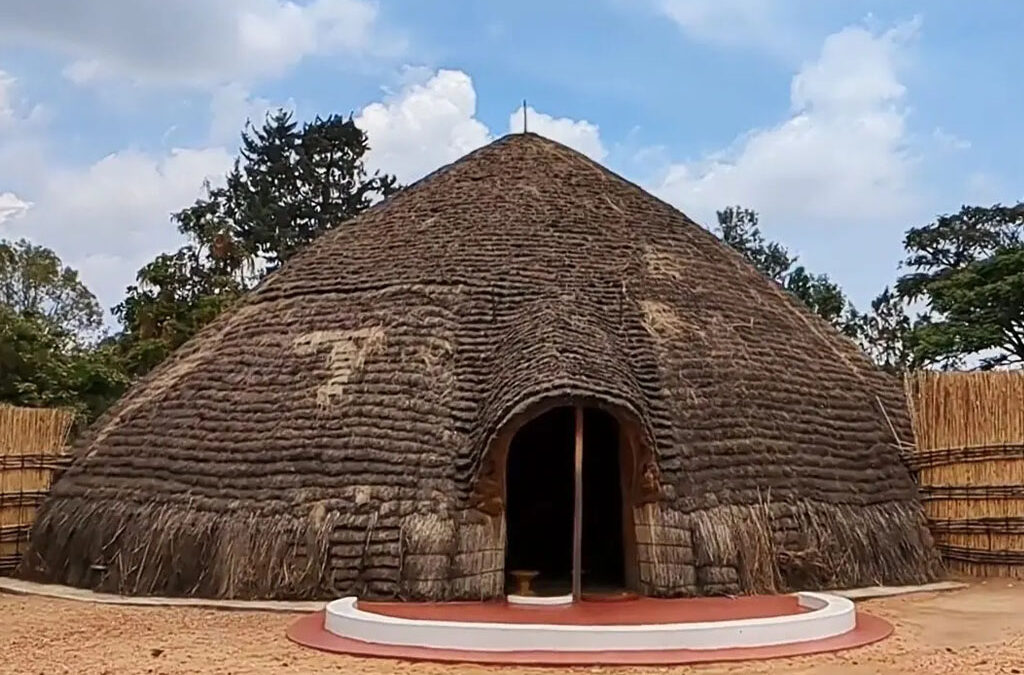
Rwanda, famously known as the Land of a Thousand Hills, offers much more than mountain gorilla trekking and wildlife safaris. The country has a fascinating cultural heritage shaped by centuries of traditions, royal history, traditional music, craftsmanship and remarkable resilience. Exploring the cultural attractions in Rwanda allows visitors to understand the country’s identity while connecting with the communities that make it such a special destination.
From historical museums in Kigali to the former royal palace in Nyanza, Rwanda provides numerous opportunities to discover its past and appreciate its modern cultural identity. Visitors can also enjoy traditional dances, explore lively local markets, learn about coffee production and experience everyday life in rural communities.
Whether you are planning a cultural holiday, a gorilla trekking safari in Volcanoes National Park or a combined Rwanda and Uganda adventure, including cultural experiences makes your journey more meaningful. With Experiya Tour Company, you can combine Rwanda’s historical landmarks, traditional communities and beautiful landscapes into one memorable safari.
1. Kigali Genocide Memorial – Understanding Rwanda’s History
The Kigali Genocide Memorial is one of the country’s most important historical attractions. Located in Gisozi, Kigali, it commemorates the victims of the 1994 Genocide against the Tutsi and provides an opportunity to understand one of the most significant events in Rwanda’s history.
During your visit, you can explore educational exhibitions, view historical photographs, listen to survivor testimonies and learn about the events that shaped modern Rwanda. The memorial also contains burial grounds and peaceful gardens where visitors can pay their respects.
Although the experience can be emotional, it provides valuable insight into Rwanda’s journey towards reconciliation, unity and national development. Visitors should allow enough time to explore respectfully and reflect on the stories presented.
2. Inema Arts Center – Experience Contemporary Rwandan Art
For visitors interested in modern African creativity, Inema Arts Center offers an exciting introduction to Rwanda’s contemporary art scene. Located in Kigali, the centre provides a platform for local artists to showcase their work and connect with international visitors.
As you explore the galleries, you will discover colourful paintings, sculptures, mixed-media artwork and other creative expressions inspired by Rwandan life and African identity.
The centre also provides opportunities to interact with artists, attend creative workshops and purchase original artwork. Consequently, visiting Inema Arts Center is not only an enjoyable cultural experience but also a way to support Rwanda’s growing creative industry.
3. Ethnographic Museum – Discover Traditional Rwandan Heritage
Located in Huye, formerly known as Butare, the Ethnographic Museum is among the most interesting cultural attractions in Rwanda. It houses an extensive collection of historical objects that help visitors understand how Rwandans lived, worked and organised their communities before modernisation.
The museum displays traditional clothing, musical instruments, agricultural equipment, household objects, pottery and handicrafts. These collections explain the importance of farming, craftsmanship and community traditions in Rwandan society.
Furthermore, the exhibitions provide an opportunity to understand traditional social structures and cultural practices. If you enjoy African history and heritage, this museum deserves a place on your southern Rwanda itinerary.
4. King’s Palace Museum – Explore Rwanda’s Royal History
The King’s Palace Museum in Nyanza offers a fascinating introduction to Rwanda’s traditional monarchy. It provides visitors with an opportunity to learn about the country’s royal heritage, leadership systems and cultural traditions before colonial rule.
One of the main highlights is the reconstructed royal palace, built using traditional architectural designs. Inside and around the palace, visitors can discover how the royal household operated and how different ceremonies formed part of traditional Rwandan life.
The museum also features a traditional royal residence and the famous long-horned Inyambo cattle, which played an important ceremonial role in the kingdom.
A guided visit makes the experience even more interesting because you can learn about royal customs, cattle traditions and the historical significance of Nyanza.
5. Iby’iwacu Cultural Village – Experience Traditional Rwandan Life
Located near Volcanoes National Park in northern Rwanda, Iby’iwacu Cultural Village, also known as Gorilla Guardians Village, is an excellent cultural stop for travellers visiting the mountain gorillas.
The village gives visitors an opportunity to interact with local community members and discover traditional Rwandan customs through practical demonstrations and performances.
During your visit, you may experience:
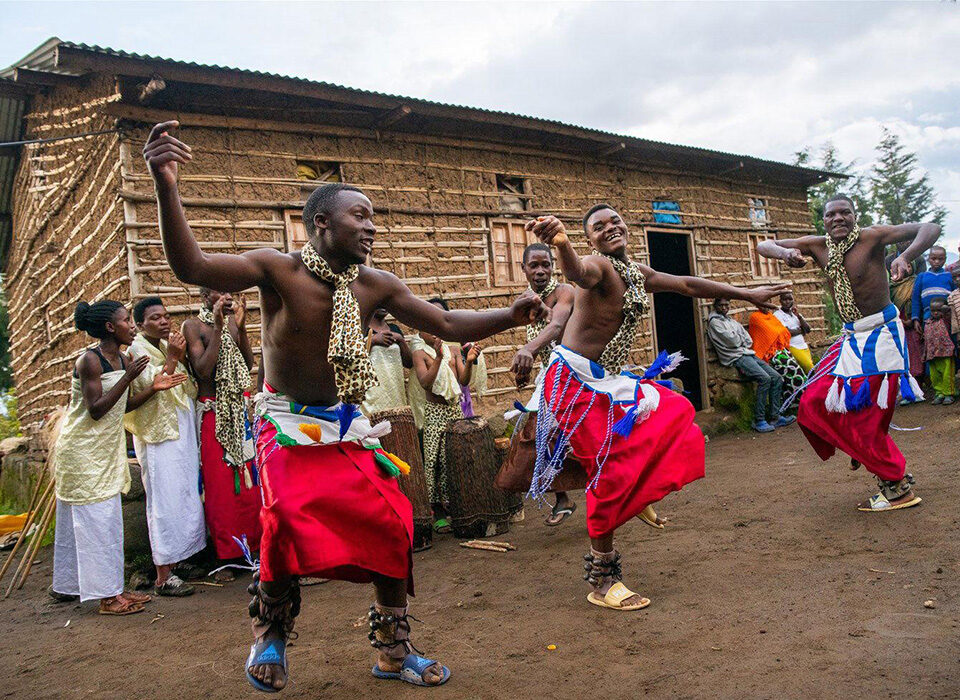
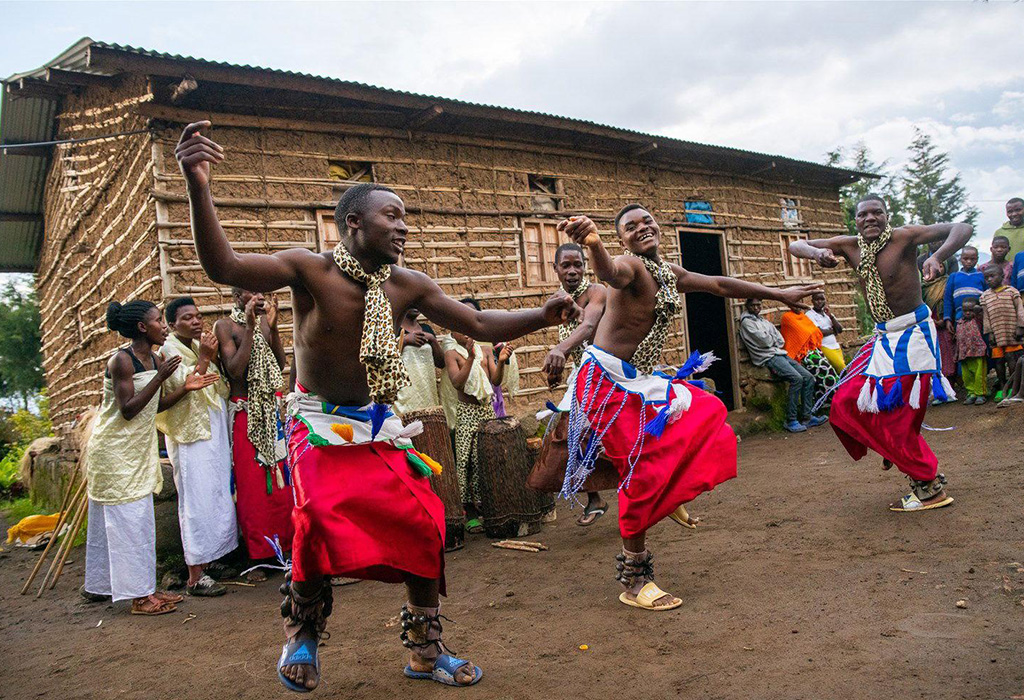
- Traditional Intore dancing and energetic drumming performances.
- Local storytelling and demonstrations of traditional customs.
- Basket weaving, pottery and other handicraft activities.
- Traditional food preparation and cooking demonstrations.
- Cultural explanations of historical leadership and community life.
What makes this experience particularly meaningful is the opportunity to meet local people and understand how community-based tourism supports livelihoods and cultural preservation.
You can easily combine a visit to Iby’iwacu Cultural Village with gorilla trekking in Volcanoes National Park.
6. Nyamirambo Women’s Center – Discover Kigali’s Local Community
Nyamirambo is one of Kigali’s most vibrant neighbourhoods, offering visitors an authentic experience of everyday urban life. The Nyamirambo Women’s Center provides guided community experiences that introduce travellers to local traditions, food, crafts and neighbourhood history.
One of the best ways to explore the area is through a guided walking tour. As you move through its busy streets, you can visit local shops, interact with residents, observe daily activities and learn about the neighbourhood’s cultural diversity.
Visitors can also participate in cooking experiences, sample traditional Rwandan dishes and explore locally made crafts.
Unlike conventional sightseeing, these experiences encourage meaningful interaction with residents while supporting community-led tourism initiatives.
7. Traditional Rwandan Music and Dance – Experience the Intore Tradition
Music and dance remain important expressions of Rwanda’s cultural identity. Traditional performances bring communities together during celebrations, ceremonies and special occasions.
The famous Intore dance is particularly recognisable for its energetic movements, coordinated performances and traditional costumes. Historically associated with Rwanda’s royal traditions, it features performers using symbolic movements and sometimes carrying spears and shields.
Another traditional dance is Umushayayo, known for its graceful movements and elegant presentation. Drumming also plays an important role, with traditional performers using rhythmic patterns to accompany dances and celebrations.
Watching a live cultural performance provides a wonderful opportunity to appreciate Rwanda’s artistic traditions and the importance of music in community life.
8. Kandt House Museum – Explore Kigali’s Historical Background
The Kandt House Museum of Natural History is another interesting stop for visitors exploring Kigali’s historical attractions. The museum occupies a building associated with Richard Kandt, the first German colonial resident in Rwanda.
Its exhibitions introduce visitors to aspects of Rwanda’s colonial history and natural heritage. Through historical displays and educational information, travellers can learn about the country’s early colonial period and its development towards independence.
The museum also offers insight into Rwanda’s natural environment, making it an interesting stop for visitors who want to understand both the country’s history and biodiversity.
Combining this visit with the Kigali Genocide Memorial and a city tour provides a broader understanding of Rwanda’s past and present.
9. Local Markets and Traditional Handicrafts – Discover Everyday Rwanda
Visiting local markets is one of the easiest ways to experience Rwanda’s everyday culture. These lively trading centres provide opportunities to interact with local vendors, discover traditional products and observe the country’s commercial activities.
Kimironko Market in Kigali is particularly popular with visitors. Its colourful stalls sell fresh produce, fabrics, clothing, baskets, souvenirs and locally made handicrafts.
Nyamirambo also offers interesting shopping experiences, particularly for visitors exploring the neighbourhood on foot.
When visiting these markets, look out for:
- Traditional Agaseke baskets.
- Handmade jewellery and decorative crafts.
- Locally produced fabrics and clothing.
- Wooden carvings and cultural souvenirs.
- Fresh fruits, vegetables and traditional food products.
Buying directly from local artisans helps support small businesses while allowing you to take home something meaningful from your Rwanda holiday.
10. Rwanda Coffee and Tea Plantations – Discover Local Agricultural Traditions
Coffee and tea are important agricultural products in Rwanda, contributing to rural livelihoods and the country’s international reputation. Visiting a coffee or tea plantation provides an opportunity to understand how these products are grown, harvested and processed.
During a coffee experience, visitors can learn about growing coffee plants, picking ripe cherries, washing, drying and roasting the beans. Some experiences also include demonstrations and coffee-tasting sessions.
Tea plantation visits offer a different perspective, with guided walks through beautiful green fields and explanations of tea harvesting and processing.
These experiences are particularly rewarding for travellers interested in agriculture, local entrepreneurship and sustainable tourism.
11. Lake Kivu – Explore Fishing Communities and Lakeside Traditions
Lake Kivu, located in western Rwanda, is one of the country’s most beautiful destinations. Beyond its scenic landscapes, the lake provides an interesting cultural experience through the communities that depend on fishing, tourism and small-scale trade.
Visitors staying around Rubavu, Gisenyi, Karongi or other lakeside areas can discover local fishing traditions, enjoy boat excursions and sample freshly prepared fish.
One particularly interesting experience is learning about the traditional night fishing activities, when groups of fishermen head onto the lake in their boats. Their coordinated movements and songs create a memorable cultural atmosphere.
Lake Kivu also provides opportunities to relax along the shoreline, interact with local communities and enjoy traditional Rwandan hospitality.
Tips for Enjoying Cultural Attractions in Rwanda
To make the most of your cultural holiday, approach every experience with curiosity and respect. Rwanda’s traditions are best appreciated when visitors take time to interact with local communities rather than simply viewing attractions.
Consider the following recommendations:
- Respect local customs: Dress appropriately and follow guidance when visiting cultural and historical sites.
- Ask before taking photographs: Always seek permission before photographing individuals or community activities.
- Support local businesses: Purchase authentic handicrafts directly from local artisans.
- Hire local guides: Their knowledge provides valuable explanations of historical events and cultural traditions.
- Learn basic Kinyarwanda: Greetings such as “Muraho” (hello) and “Murakoze” (thank you) help create friendly interactions.
- Combine cultural and wildlife experiences: Include museums, traditional villages and community visits alongside gorilla or chimpanzee trekking.
Best Time to Visit Cultural Attractions in Rwanda
Rwanda is a year-round cultural destination, and most museums, historical landmarks and cultural centres can be visited throughout the year.
However, the drier months, particularly June to September and December to February, are generally convenient for walking tours, village visits and outdoor cultural experiences.
During the rainy seasons, from March to May and around September to November, the countryside becomes greener and more scenic. Although some outdoor activities may require additional planning because of muddy conditions, indoor attractions such as museums and art galleries remain excellent alternatives.
Ultimately, the best time depends on your travel schedule and the experiences you want to include.
Combining Rwanda Cultural Tours with Gorilla Trekking
One of the best ways to explore Rwanda is by combining cultural attractions with its famous wildlife experiences. This allows you to discover the country’s heritage while enjoying some of Africa’s most remarkable natural attractions.
For example, visitors can explore Kigali’s historical landmarks before travelling north to Volcanoes National Park for mountain gorilla trekking. A visit to Iby’iwacu Cultural Village can then provide an opportunity to learn about traditional community life.
Alternatively, a longer itinerary can include the Ethnographic Museum in Huye, the King’s Palace Museum in Nyanza and a relaxing stay along Lake Kivu.
Experiya Tour Company can organise personalised Rwanda cultural tours, gorilla trekking safaris and combined Uganda-Rwanda holidays. Depending on your interests and available time, your itinerary can include private transportation, accommodation, knowledgeable local guides and selected cultural activities.
Conclusion: Discover the Heart of Rwanda Through Culture
Exploring the cultural attractions in Rwanda provides a deeper understanding of the country’s history, traditions and people. From the moving exhibitions at Kigali Genocide Memorial to the royal heritage of Nyanza, contemporary art in Kigali and traditional performances near Volcanoes National Park, every destination offers a different perspective on Rwandan identity.
Beyond the museums and historical landmarks, local markets, coffee plantations and fishing communities around Lake Kivu reveal the everyday traditions that continue to shape the country.
Whether you are visiting Rwanda for gorilla trekking, a cultural holiday or a longer East African safari, taking time to explore its heritage will make your journey more rewarding.
Plan your Rwanda cultural tour with Experiya Tour Company and discover the country’s history, traditions, welcoming communities and unforgettable landscapes.