
Top 5 Tourist Destinations in Rwanda
October 30, 2026
What is Known Most About Volcanoes National Park in Rwanda?
October 30, 2026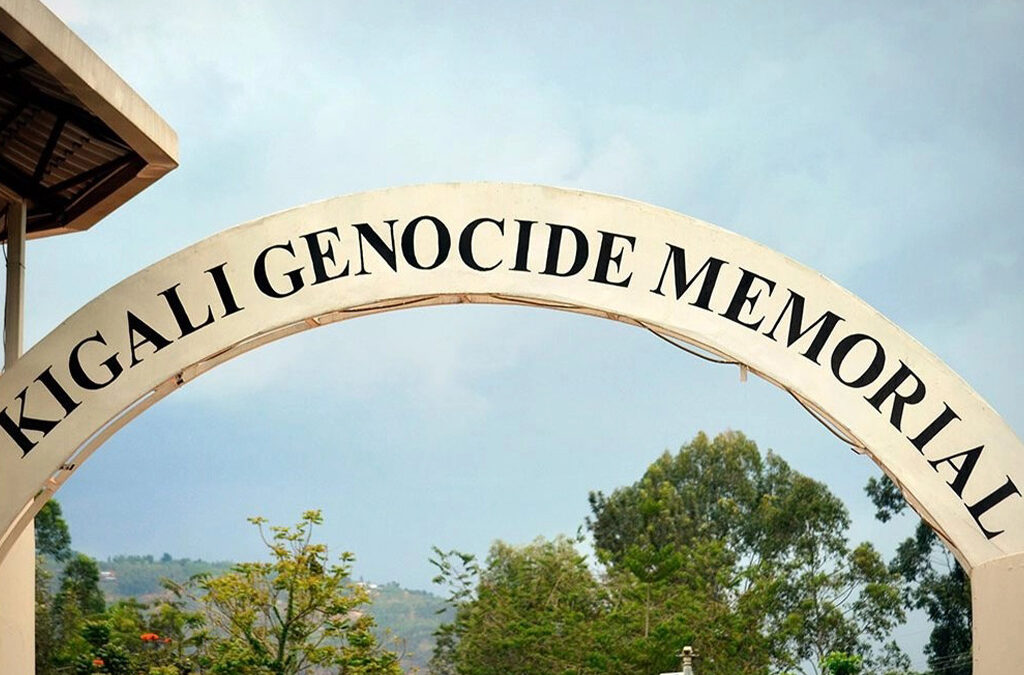
Rwanda is a country whose remarkable journey from tragedy to recovery continues to inspire visitors from around the world. Among its most important historical and cultural landmarks is the Kigali Genocide Memorial, a place dedicated to remembering the victims of the 1994 Genocide against the Tutsi. Located in the peaceful neighbourhood of Gisozi, this important memorial offers visitors an opportunity to understand Rwanda’s painful past, honour the lives lost and appreciate the country’s ongoing efforts to promote unity, reconciliation and lasting peace.
Visiting the Kigali Genocide Memorial in Rwanda is more than an ordinary sightseeing activity. It is an educational and emotional experience that provides a deeper understanding of the events that shaped modern Rwanda. Through historical exhibitions, personal testimonies, photographs, memorial gardens and educational resources, visitors learn about the causes and consequences of the genocide while reflecting on the importance of protecting human dignity. Whether you are exploring Kigali independently or enjoying a guided Rwanda cultural tour with Experiya Tour Company, this memorial deserves an important place on your itinerary.
1. Understanding the Kigali Genocide Memorial in Rwanda
The Kigali Genocide Memorial is one of Rwanda’s most significant historical landmarks and the final resting place for approximately 250,000 victims of the 1994 Genocide against the Tutsi. Situated on Gisozi Hill in Kigali, the memorial was officially opened on 7 April 2004, marking the tenth anniversary of the beginning of the genocide. It was established through cooperation between the Rwandan authorities and the Aegis Trust to provide a dignified burial place, preserve historical evidence and educate future generations.
The memorial serves several important purposes beyond commemorating those who lost their lives. It promotes historical awareness, supports survivors, preserves personal testimonies and encourages communities to reject discrimination and violence. Consequently, it has become an important centre for remembrance, education and genocide prevention in Rwanda.
When visiting the Kigali Genocide Memorial, travellers encounter a carefully presented account of Rwanda’s history, including the circumstances that contributed to the genocide, the devastating events of 1994 and the country’s subsequent efforts to rebuild. The experience encourages visitors to look beyond statistics and understand the human stories behind one of the darkest chapters in Rwanda’s history.
2. The History of the 1994 Genocide against the Tutsi
Understanding the history behind the Kigali Genocide Memorial makes a visit more meaningful. The 1994 Genocide against the Tutsi took place between April and July 1994, when more than one million people were killed in approximately 100 days. The victims were predominantly Tutsi, alongside Hutu individuals who opposed the genocide.
The violence followed decades of political manipulation, discrimination, ethnic division and organised persecution. Colonial administration and subsequent political developments contributed to the institutionalisation of ethnic divisions, which extremist leaders later exploited to promote hatred and violence.
On 6 April 1994, the plane carrying Rwanda’s President Juvénal Habyarimana was shot down near Kigali. This incident triggered the beginning of widespread organised killings. Extremist forces, including the Interahamwe militia, targeted Tutsi civilians and moderate Hutu individuals across the country.
Families were separated, communities were destroyed and thousands of people sought protection in churches, schools and other public buildings. Tragically, many of these places became scenes of mass killings.
The genocide ended in July 1994 when the Rwandan Patriotic Army stopped the killings and took control of the country. Rwanda subsequently embarked on an extraordinary journey towards national recovery, justice, reconciliation and development.
Today, the Kigali Genocide Memorial preserves the memories of the victims while helping visitors understand why remembering history is essential to preventing similar atrocities in the future.
3. What to See at the Kigali Genocide Memorial
One of the most important reasons to visit the Kigali Genocide Memorial is the opportunity to explore its exhibitions and remembrance facilities. Each section presents a different aspect of Rwanda’s history and encourages visitors to reflect on the consequences of intolerance, discrimination and violence.
The Exhibition on the Genocide against the Tutsi
The main exhibition, known as Jenoside, provides a detailed account of Rwanda’s history before, during and after the 1994 genocide. It explains the historical background of ethnic divisions, the political circumstances that contributed to the violence and the experiences of people who witnessed or survived the atrocities.
Through photographs, historical documents, artefacts and recorded testimonies, visitors gain a better understanding of how the genocide unfolded. The exhibition also highlights Rwanda’s efforts to rebuild communities and establish a stronger foundation for peace and national unity.
For international visitors, this section provides essential historical context that helps explain the significance of the memorial and its role in modern Rwandan society.
The Mass Graves and Memorial Gardens
The mass graves are among the most significant areas of the Kigali Genocide Memorial. They provide the final resting place for approximately 250,000 victims who were killed during the genocide in Kigali and its surrounding areas.
The graves are carefully maintained, and the surrounding gardens create a peaceful environment where visitors can pay their respects. These gardens offer a quiet space for reflection, remembrance and appreciation of the lives lost.
Visitors should approach this area with sensitivity because it remains an active place of mourning for survivors, relatives and the wider Rwandan community. Walking on the graves is strictly prohibited.
The Wall of Names
The Wall of Names is another important feature of the memorial. It honours individuals who lost their lives during the 1994 Genocide against the Tutsi and provides a permanent space for remembering their identities.
However, documenting every victim remains a challenging process. Many people were killed without their identities being recorded, while others remain unidentified. Therefore, the wall continues to develop as researchers, survivors and families contribute additional information.
This section reminds visitors that every victim had a personal story, family, ambitions and a place within their community. It also demonstrates the importance of preserving historical records for future generations.
The Wasted Lives Exhibition
The Wasted Lives exhibition explores genocidal violence beyond Rwanda, helping visitors understand that mass atrocities have occurred in different parts of the world.
Through historical information and educational displays, the exhibition examines how hatred, prejudice, discrimination and political extremism can contribute to large-scale violence. It encourages visitors to recognise warning signs and understand the importance of preventing future atrocities.
The exhibition places Rwanda’s experience within a wider international context and reinforces the memorial’s message that humanity has a shared responsibility to protect vulnerable communities.
The Children’s Memorial
The memorial also includes a section dedicated to children who lost their lives during the genocide. Through personal accounts and historical information, this exhibition highlights the suffering experienced by young victims and the devastating impact of violence on families.
It is particularly moving because it reminds visitors that children, who should have enjoyed safety, education and opportunities for the future, were among those whose lives were tragically cut short.
4. The Genocide Archive of Rwanda
The Genocide Archive of Rwanda is an important educational and historical resource based at the Kigali Genocide Memorial. It preserves information relating to the 1994 Genocide against the Tutsi through photographs, documents, audio recordings, videos, personal testimonies and physical artefacts.
The archive plays an essential role in documenting individual experiences and protecting evidence for future generations. Researchers, students, historians and other interested visitors can use these materials to understand the historical circumstances surrounding the genocide.
Furthermore, the archive helps preserve the memories of survivors and victims whose stories might otherwise disappear with time. Its educational value extends beyond Rwanda, providing an important resource for international discussions about human rights, genocide prevention and peacebuilding.
5. The Memorial Gardens, Café and Gift Shop
Beyond the exhibitions and burial grounds, the Kigali Genocide Memorial provides several facilities that support visitors during their visit.
The memorial gardens offer a peaceful environment for reflection. After exploring the historical exhibitions, visitors can spend time outdoors, remember the victims and consider the lessons presented throughout the memorial.
The Museum Café provides refreshments and meals in a quiet setting. It is a convenient place to take a break after the educational experience. Importantly, proceeds from the café help support the memorial’s activities and educational work.
Visitors can also explore the gift shop, which offers books about Rwanda’s history, locally inspired products, traditional Imigongo artwork and other meaningful souvenirs. Purchasing these items provides an opportunity to support the memorial’s work while taking home something connected to Rwandan culture.
Together, these facilities make the memorial a place of remembrance, learning and community engagement rather than simply a historical exhibition centre.
6. Why Visit the Kigali Genocide Memorial?
A visit to the Kigali Genocide Memorial provides valuable insight into Rwanda’s past and its remarkable transformation. Although the experience can be emotionally challenging, it offers important lessons about humanity, tolerance, justice and the responsibility to prevent violence.
Here are some reasons to include the memorial in your Kigali itinerary:
- Learn Rwanda’s history: Understand the background, events and consequences of the 1994 Genocide against the Tutsi.
- Honour the victims: Pay your respects at the final resting place of approximately 250,000 people.
- Understand reconciliation: Discover how Rwanda has worked towards rebuilding communities and promoting national unity.
- Explore historical exhibitions: Learn through photographs, documents, artefacts and personal testimonies.
- Support remembrance and education: Appreciate the importance of preserving historical evidence and educating younger generations.
- Reflect on humanity: Understand how discrimination and intolerance can develop into devastating violence and why prevention matters.
The experience is particularly valuable for travellers interested in African history, cultural tourism, human rights and Rwanda’s social development.
7. Kigali Genocide Memorial Opening Hours and Entrance Information
Planning your visit in advance helps you enjoy a more organised experience. The Kigali Genocide Memorial welcomes visitors throughout the week, although opening arrangements change slightly on certain public and community observance days.
According to the official visitor information, the regular opening hours are:
- Monday to Friday: 9:00 am – 5:00 pm.
- Saturday: 9:00 am – 5:00 pm, except the last Saturday of each month.
- Sunday: 9:00 am – 5:00 pm.
- Last Saturday of each month: 1:00 pm – 5:00 pm due to Umuganda community work.
- Last admission: 4:00 pm.
The memorial closes annually on Christmas Day and New Year’s Day. It also normally closes to the public on the morning of 7 April, marking the beginning of the annual Kwibuka commemoration period. Occasional temporary closures may occur because of official visits.
Entrance to the memorial is free. However, visitors can purchase additional experiences, including an audio guide or a guided tour, to gain a deeper understanding of the exhibitions and their historical background. It is advisable to confirm current arrangements and optional service charges directly with the memorial before travelling.
Allow at least 90 minutes to explore the memorial, although visitors who wish to examine the exhibitions carefully may need more time.
8. How to Get to the Kigali Genocide Memorial
The Kigali Genocide Memorial is located in Gisozi, within Gasabo District, approximately ten minutes by road from central Kigali, depending on traffic conditions.
Travellers can reach the memorial using several transport options:
Private vehicle: Hiring a private vehicle is a convenient way to reach the memorial, particularly when combining the visit with other Kigali attractions.
Taxi: Taxis are readily available in Kigali and provide a straightforward way to travel directly to the memorial.
Public transportation: Visitors using public transport can travel towards Kinamba bus stop along KN 8 Avenue. From there, they can follow KG 14 Avenue uphill towards the memorial.
The memorial provides free parking for visitors arriving by private vehicle. Its location also makes it convenient to combine the visit with other historical and cultural attractions around Kigali.
9. Important Visitor Guidelines and Travel Tips
Because the Kigali Genocide Memorial is a burial place and a site of remembrance, visitors should observe appropriate behaviour throughout their visit. Respecting the environment and the experiences of survivors and bereaved families is essential.
Before visiting, consider the following recommendations:
- Dress modestly and maintain respectful behaviour throughout the grounds.
- Allow sufficient time to explore the exhibitions without rushing.
- Consider using an audio guide or arranging a guided experience.
- Avoid making unnecessary noise, especially around the burial grounds.
- Do not walk on the mass graves.
- Photography is permitted outdoors, but photography inside the museum exhibitions is not allowed.
- Eating and drinking are restricted in the gardens and exhibition areas; use the designated café.
- Children under the age of 12 are not permitted to visit.
- Contact the memorial in advance if you require wheelchair assistance or have specific accessibility needs.
It is also worth remembering that some sections contain emotionally difficult historical material. Visitors should approach the experience with sensitivity and allow themselves time to reflect.
10. Combining the Kigali Genocide Memorial with a Kigali City Tour
One of the best ways to explore Rwanda’s capital is by combining a visit to the Kigali Genocide Memorial with other historical, cultural and modern attractions. Kigali is known for its organised streets, green hills, welcoming communities and growing urban development.
A guided Kigali city tour provides an opportunity to discover different aspects of the country’s history and contemporary lifestyle. Depending on your interests and available time, you can include some of the following attractions:
- Kigali Campaign Against Genocide Museum: Learn about the events surrounding the liberation of Kigali and the efforts to stop the genocide.
- Camp Kigali Belgian Monument: Visit a historical site commemorating the Belgian peacekeepers who lost their lives in April 1994.
- Kigali Convention Centre: Admire one of the city’s most recognisable modern architectural landmarks.
- Kimironko Market: Experience local shopping, traditional fabrics, fresh produce and everyday Rwandan life.
- Inema Arts Centre: Explore contemporary Rwandan artwork and creative expression.
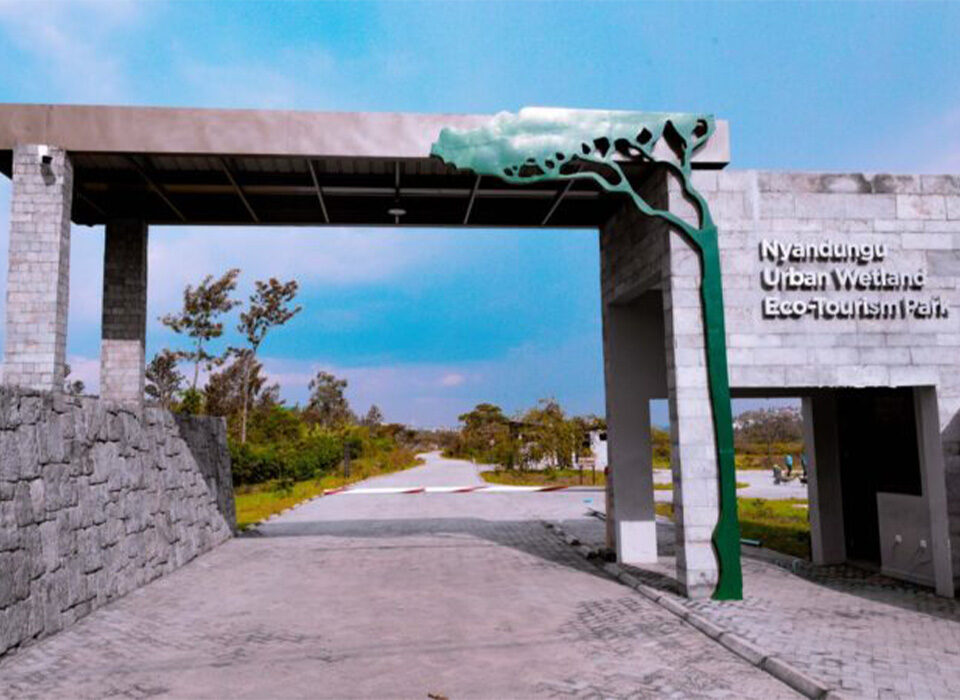
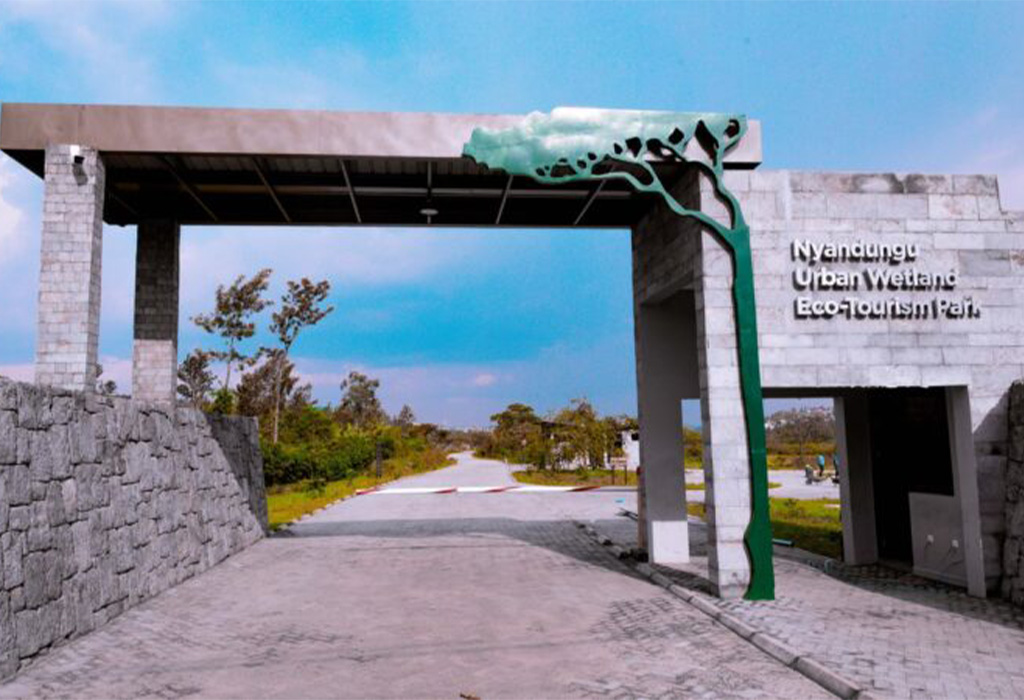
- Nyandungu Urban Wetland Eco-Tourism Park: Enjoy a peaceful natural environment and discover Kigali’s urban conservation efforts.
Combining these destinations provides a balanced experience of Kigali’s historical heritage, cultural identity and modern development.