
Gorilla Guardians Village Rwanda Cultural Experience
October 30, 2026
The Historical Kisiizi Falls.
October 30, 2026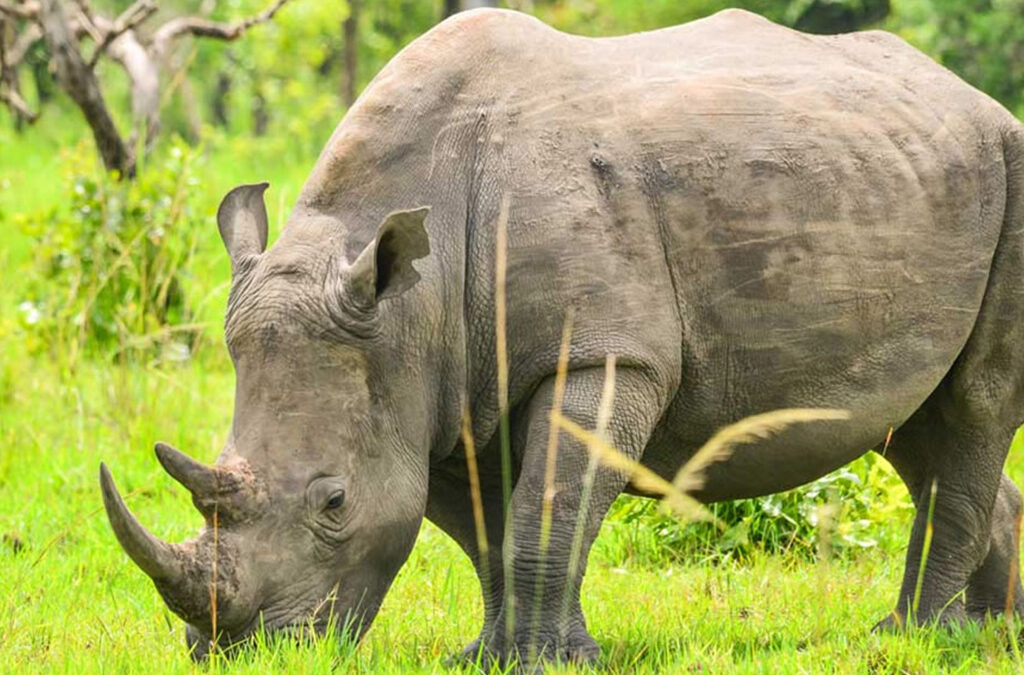
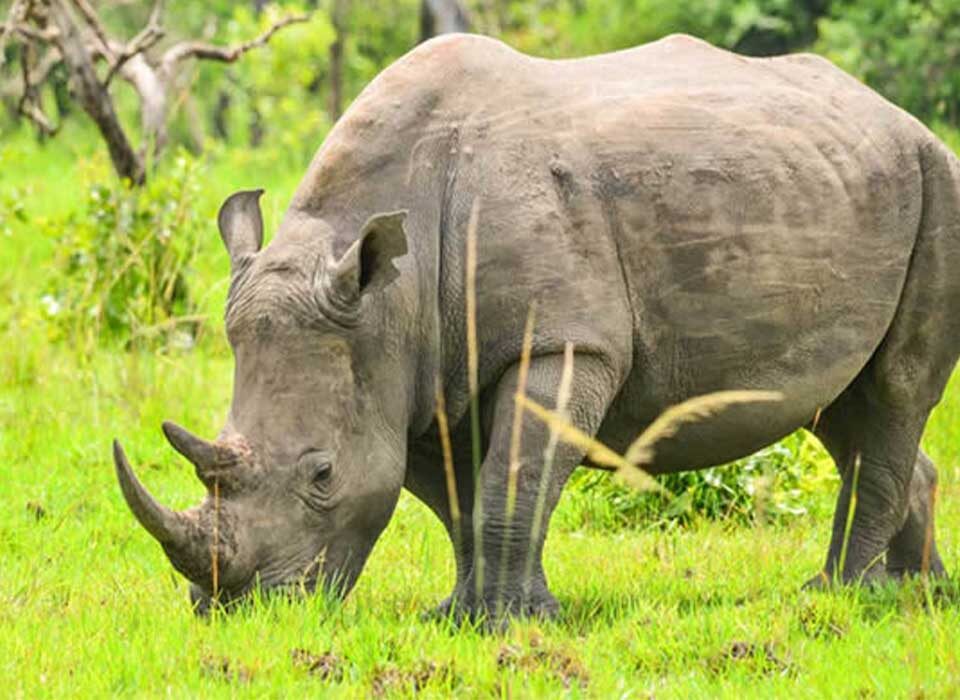
White Rhino Tracking in Akagera National Park is one of Rwanda’s most fascinating wildlife experiences, offering visitors an opportunity to encounter one of Africa’s most remarkable mammals in its natural savannah habitat. Unlike conventional game drives, this activity takes you on a guided walking adventure alongside experienced rhino trackers who monitor the animals and contribute to their long-term protection. Accompanied by knowledgeable conservation personnel, you explore the beautiful Kilala Plains while learning about rhino behaviour, feeding habits, habitat requirements and conservation challenges.
For travellers seeking something beyond the traditional wildlife safari, this experience provides a closer understanding of Rwanda’s conservation efforts. Akagera National Park is particularly special because it is Rwanda’s only savannah national park and home to the Big Five: lions, leopards, elephants, buffaloes and rhinoceroses. As part of an organised Rwanda safari with Experiya Tour Company, visitors can combine rhino tracking with game drives, boat cruises, birdwatching and other exciting activities. This creates an opportunity to appreciate the country’s diverse wildlife while supporting responsible tourism and conservation.
Where to Do White Rhino Tracking in Rwanda
White Rhino Tracking in Akagera National Park takes place in the park’s northern savannah region, particularly around the Kilala Plains, where visitors can explore open grasslands and suitable rhino habitats. The landscape features extensive grazing areas, scattered woodland, seasonal wetlands and beautiful natural scenery that supports several wildlife species.
Akagera lies in eastern Rwanda, close to the Tanzanian border. Its varied ecosystems include open savannah, woodland, lakes, swamps and rolling hills. These habitats support an impressive range of mammals and birds, making the park an excellent destination for wildlife enthusiasts.
The Kilala Plains are particularly interesting because white rhinos are grazers. They spend much of their time feeding on grasses, making open grassland habitats important for their survival. During a guided tracking experience, visitors follow the conservation team’s lead as they search for rhinos and observe their movements without disturbing them.
Besides rhinos, the surrounding landscape supports wildlife such as:
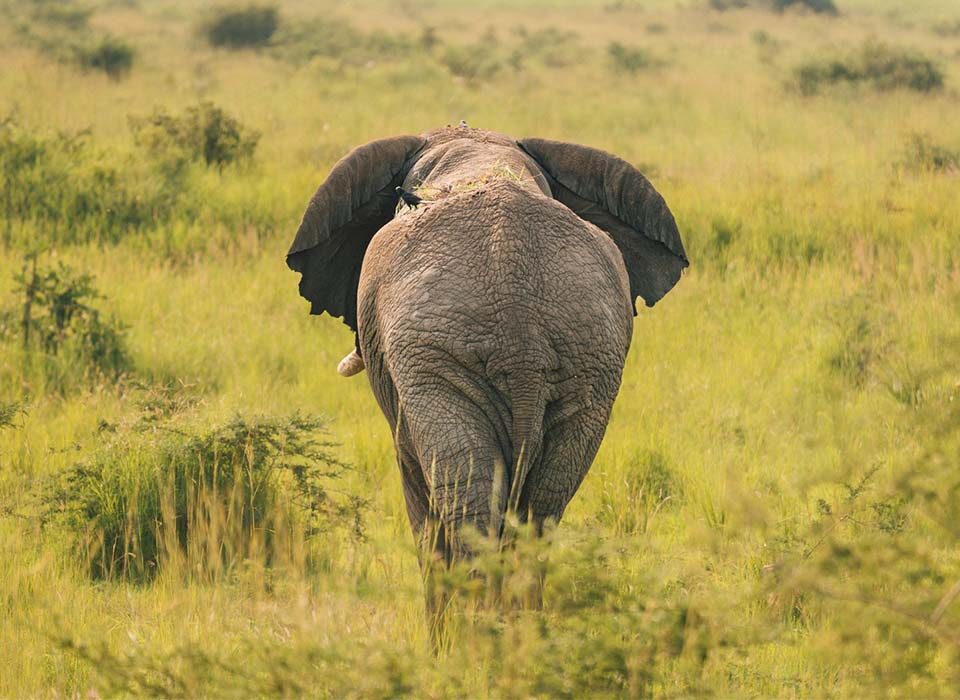
- African elephants.
- Cape buffaloes.
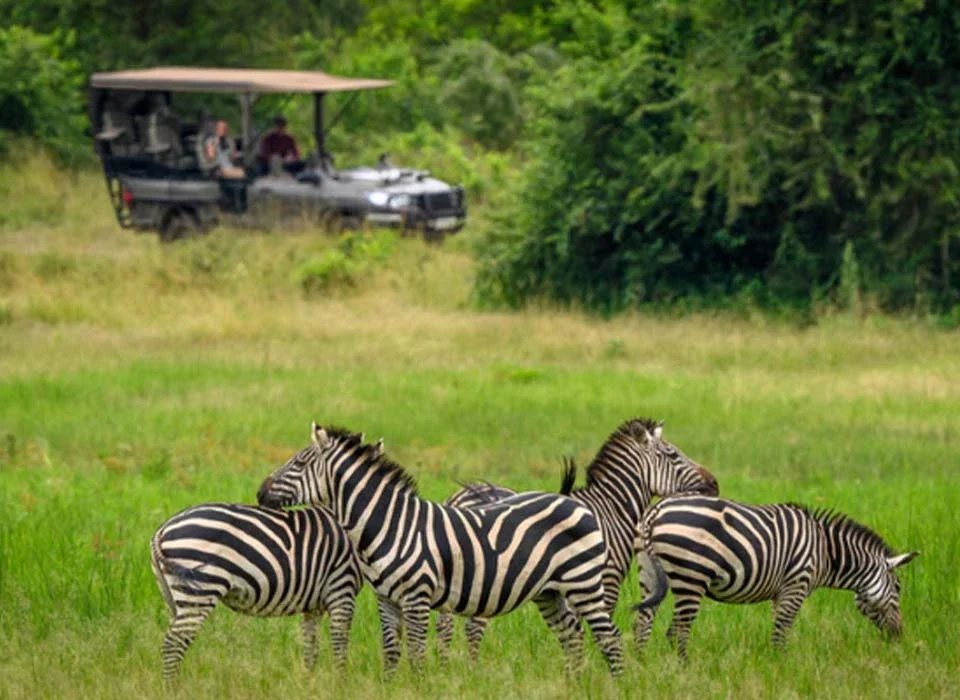
- Giraffes and zebras.
- Lions and leopards.
- Topis, impalas and other antelopes.
- Hippos and crocodiles in suitable wetland habitats.
- Numerous savannah and wetland bird species.
This combination of wildlife and scenery makes Akagera one of the most rewarding destinations for a Rwanda wildlife safari.
The History of White Rhinos in Akagera National Park
The return of white rhinos to Rwanda represents an important milestone in the country’s wildlife conservation history. On 27 November 2021, Akagera National Park welcomed 30 southern white rhinos translocated from Phinda Private Game Reserve in South Africa. The operation involved collaboration between the Rwanda Development Board, African Parks and other conservation partners. Its primary objective was to establish a secure breeding population and expand the natural range of white rhinos in Africa.
The conservation programme achieved another major milestone in June 2025, when 70 additional southern white rhinos arrived in Akagera through African Parks’ Rhino Rewild Initiative. This significant translocation strengthened the park’s role as an important sanctuary for the species and contributed to wider efforts to protect rhinos across the continent.
Today, Akagera provides an important refuge for both white and eastern black rhinos. Conservation teams use monitoring systems, veterinary support and anti-poaching measures to protect these animals. By participating in responsible wildlife experiences, visitors also help generate tourism revenue that supports the long-term management of the park.
What to Expect During White Rhino Tracking in Akagera National Park
White Rhino Tracking in Akagera National Park offers a different perspective on wildlife viewing. Instead of remaining inside a safari vehicle, you explore the savannah on foot with a team of trained trackers. The experience generally takes place in the morning, when conditions are suitable for walking and observing wildlife.
Your experience begins with a briefing from the tracking team. The guides explain the walking arrangements, safety precautions and appropriate behaviour around wild animals. They also introduce you to the importance of monitoring rhinos and explain how conservationists collect information about their movements and general condition.
Once the briefing is complete, the team leads you across the designated tracking area. They use their field knowledge and monitoring information to locate rhinos while maintaining a safe distance. As you walk through the grasslands, you may encounter different animal tracks, grazing wildlife and interesting bird species.
When the team locates a white rhino, you have an opportunity to observe its natural behaviour without interfering with its activities. You may watch it grazing, moving through the grassland or interacting with other rhinos. The trackers also record important observations that help them monitor the animals.
Some of the highlights include:
- Walking through the beautiful Kilala Plains with experienced rhino trackers.
- Observing white rhinos in their natural habitat.
- Learning about rhino feeding habits, movements and conservation.
- Understanding how wildlife monitoring contributes to animal protection.
- Taking photographs from an appropriate and safe distance.
- Discovering other wildlife and the ecological importance of Akagera’s savannah.
The experience is particularly rewarding for photographers, wildlife enthusiasts, conservation supporters and travellers who appreciate meaningful encounters with nature.
How Much Does White Rhino Tracking Cost in Akagera National Park?
The advertised price for White Rhino Tracking in Akagera National Park is approximately US$75 per person. Published activity information also indicates a minimum of two participants and a maximum of four guests per tracking session.
However, travellers should confirm the current price, availability and booking conditions directly with Akagera National Park before travelling, as activity rates and arrangements can change. The tracking fee should also be distinguished from park entrance fees, accommodation, transport and other safari expenses.
For a smoother experience, Experiya Tour Company can help organise the wider safari arrangements, including:
- Advance enquiries and activity booking arrangements.
- Private 4×4 safari transportation.
- Accommodation inside or near the national park.
- Professional safari guiding services.
- Game drives and other park activities.
- Transfers between Kigali and Akagera National Park.
Booking ahead is particularly important for visitors travelling during busy holiday periods or those working with a fixed Rwanda safari itinerary.
Is White Rhino Tracking Safe?
Safety is an important part of every walking safari, particularly when visitors explore areas inhabited by large wild animals. White Rhino Tracking in Akagera National Park takes place under the supervision of experienced trackers who understand rhino behaviour and the surrounding environment.
Although white rhinos generally have a different temperament from black rhinos, both species are powerful wild animals and must always be treated with caution. Their size and unpredictable behaviour mean that visitors should never attempt to approach, touch or follow them independently.
The tracking team determines how the activity proceeds and maintains an appropriate viewing distance. Visitors must listen carefully to instructions and remain together throughout the walk. If the trackers identify a potential risk, they may change the route, adjust the viewing position or end the encounter.
For a safe and enjoyable experience, remember to:
- Follow all instructions given by the rhino trackers.
- Remain behind the guides and avoid separating from the group.
- Keep a respectful distance from the animals.
- Avoid shouting, sudden movements or unnecessary noise.
- Never attempt to attract or feed the rhinos.
- Use cameras without flash where required by the guides.
- Wear comfortable walking shoes and suitable safari clothing.
The most important rule is to allow the professional tracking team to make all decisions about approaching and observing wildlife.
Best Time for White Rhino Tracking in Akagera National Park
Akagera National Park welcomes visitors throughout the year, although weather conditions can influence the overall safari experience. The dry seasons generally offer favourable conditions for exploring the park, while the rainy seasons bring greener scenery and different wildlife-viewing opportunities.
Dry season: June to September and December to February
These months are popular for wildlife safaris because vegetation is generally less dense, and animals may gather around available water sources. Roads and walking conditions can also be more favourable, although conditions vary.
Wet season: March to May and October to November
The rainy seasons transform Akagera into a beautiful green wilderness. Vegetation becomes thicker, and some roads may become muddy. However, this period can offer excellent scenery, birdwatching and photographic opportunities.
For rhino tracking, the morning activity is particularly worth considering because it provides an opportunity to explore the plains before the heat of the day increases. Nevertheless, the actual schedule and suitability of the activity depend on park management and prevailing conditions.
Difference Between White and Black Rhino Tracking in Akagera
Akagera National Park is home to two African rhino species: the southern white rhino and the eastern black rhino. Although they share similar physical characteristics, they have different feeding habits and ecological preferences.
White rhinos are primarily grazers. They have broad, square-shaped mouths that help them feed on short grasses across open savannah plains. Their grazing habits explain why the Kilala Plains provide suitable habitat for observing them.
Black rhinos, on the other hand, are browsers that feed mainly on leaves, shoots, twigs and shrubs. They have pointed, prehensile upper lips that help them pick vegetation from bushes and trees.
Here are some of their main differences:
| Feature | White rhino | Black rhino |
| Feeding habits | Grazing on grass | Browsing on shrubs |
| Mouth shape | Broad, square lip | Pointed upper lip |
| Preferred habitat | Open grasslands | Bushland and woodland |
| General appearance | Larger and heavier | Smaller and more compact |
Both species are important to Akagera’s ecosystem. Their conservation contributes to biodiversity protection and strengthens Rwanda’s position as an outstanding African wildlife destination.
Other Activities to Combine with Rhino Tracking in Akagera
One advantage of visiting Akagera National Park is the opportunity to combine several wildlife experiences in one safari. After completing your morning rhino tracking adventure, you can explore other sections of the park and discover its diverse habitats.
Some activities worth including in your itinerary are:
- Morning and afternoon game drives
Game drives provide opportunities to search for elephants, buffaloes, giraffes, zebras, antelopes and other wildlife. With some luck, you may also encounter lions and leopards. You can explore the park in a private safari vehicle accompanied by an experienced guide.
- Boat cruise on Lake Ihema
A boat trip on Lake Ihema introduces you to Akagera’s aquatic wildlife. You may spot hippos, crocodiles, water birds and elephants visiting the lakeshore. Sunset cruises are particularly rewarding because of the beautiful scenery and changing light.
- Night game drives
A night drive offers a different perspective on Akagera’s wildlife. With a spotlight and experienced guide, you may encounter nocturnal species such as bush babies, civets, genets and other animals that become active after sunset.
- Birdwatching
Akagera is an excellent destination for birdwatching, with more than 500 recorded bird species. The park’s wetlands, lakes, grasslands and woodlands attract a variety of resident and migratory birds.
- Nature walks and conservation experiences
Depending on availability, visitors can enjoy guided nature walks and other educational experiences that introduce them to the park’s landscapes, wildlife management and conservation activities.
Combining these experiences with rhino tracking creates a more comprehensive Akagera wildlife safari.
What to Pack for White Rhino Tracking in Akagera National Park
Preparing properly makes your walking safari more comfortable and enjoyable. Since the experience involves exploring natural grassland and potentially uneven terrain, choose practical clothing and essential personal equipment.
We recommend carrying:
- Comfortable, closed-toe walking or hiking shoes.
- Lightweight, neutral-coloured safari clothing.
- A hat or cap for protection against the sun.
- Sunscreen and insect repellent.
- A camera with a suitable zoom lens.
- Binoculars for observing wildlife.
- Drinking water.
- A small backpack for personal belongings.
Avoid bright clothing and unnecessary noise. Most importantly, follow the equipment and clothing recommendations provided by the park’s tracking team before departure.
How to Book White Rhino Tracking in Akagera National Park
Booking White Rhino Tracking in Akagera National Park is an excellent way to add a unique conservation experience to your Rwanda holiday. Because the activity accommodates a small number of visitors, we recommend making enquiries in advance to establish availability on your preferred travel date.
Experiya Tour Company can assist you in organising a personalised Akagera safari, including transportation, accommodation, wildlife activities and professional guiding services.
You can also combine the experience with a wider Rwanda itinerary featuring Kigali city tours, cultural visits, Volcanoes National Park gorilla trekking and Nyungwe Forest chimpanzee tracking.
For travellers arriving in Kigali, Akagera is a convenient destination to include in a short Rwanda safari. Your journey can begin with a transfer from Kigali to the park, followed by wildlife viewing, rhino tracking and a boat cruise on Lake Ihema.
Whether you are travelling as a couple, family, solo adventurer or small group, we can help arrange an itinerary that suits your interests, available time and budget.
Frequently Asked Questions About White Rhino Tracking in Akagera
- Where does white rhino tracking take place in Rwanda?
White rhino tracking takes place in Akagera National Park, particularly around the northern Kilala Plains, where visitors join experienced trackers to observe rhinos in their natural habitat.
- How much does white rhino tracking cost?
The advertised price is approximately US$75 per person. Confirm the latest activity rates and booking arrangements with park management before your visit.
- How many people can participate in one tracking session?
Published activity information indicates a minimum of two participants and a maximum of four guests per session. Confirm the current group arrangements when booking.
- Can I see other animals during rhino tracking?
Yes. Depending on the location and prevailing conditions, you may encounter zebras, giraffes, antelopes and other wildlife. However, rhino sightings and additional wildlife encounters cannot be guaranteed.
- Are white rhinos the only rhinos in Akagera National Park?
No. Akagera is home to both southern white rhinos and eastern black rhinos, making it an important conservation destination for these endangered African mammals.
- Can I combine rhino tracking with a game drive?
Yes. You can include rhino tracking, morning or afternoon game drives, night drives and boat cruises on Lake Ihema in a multi-activity Akagera safari.
- What is the best time to go rhino tracking?
The activity is generally conducted in the morning. June to September and December to February are popular dry-season months for exploring the park, although tracking availability depends on park arrangements.
Plan Your White Rhino Tracking Safari with Experiya Tour Company
White Rhino Tracking in Akagera National Park is more than an ordinary wildlife encounter. It provides an opportunity to appreciate Rwanda’s conservation achievements while discovering one of Africa’s most fascinating mammals in its natural environment. Walking through the Kilala Plains with experienced trackers allows you to understand the importance of wildlife monitoring, habitat protection and responsible tourism.
At Experiya Tour Company, we believe that a memorable Rwanda safari should combine exciting wildlife encounters with meaningful experiences that support conservation. We can help you organise an Akagera adventure featuring white rhino tracking, Big Five game viewing, birdwatching and boat cruises.
Whether you want a short wildlife escape from Kigali or a longer East African adventure combining Rwanda and Uganda, we can tailor your safari to your travel preferences.
Contact Experiya Tour Company today to plan your Rwanda wildlife safari and discover the remarkable conservation story of Akagera National Park.