Nature Walks in Akagera National Park
April 18, 2026
What Is the Safest Country for Gorilla Trekking?
April 18, 2026
Wildlife conservation success in Akagera National Park stands among Africa’s most powerful rewilding stories. Located in eastern Rwanda, this park was once on the brink of collapse. For decades, poaching had devastated wildlife populations, stripping the landscape of its natural balance. Lions vanished, rhinos disappeared, and the ecosystem weakened.
Today, however, Akagera tells a very different story. Through determined action, improved management, and strong community involvement, the park has recovered remarkably. It now supports the Big Five and attracts visitors from around the world. More importantly, it proves that even deeply damaged ecosystems can rebound when given the right support.
A Park That Nearly Lost Everything
Akagera did not always thrive. For many years, it struggled under intense pressure. Poaching remained widespread and largely uncontrolled. Armed groups moved through the park, hunting animals for bushmeat and illegal trade. As a result, wildlife numbers dropped sharply. Lions disappeared completely, while rhinos were driven to local extinction. Elephants and buffalo faced constant threats.
At the same time, human pressures intensified. Following the 1994 genocide, many returning refugees settled within the park’s boundaries. Consequently, the protected area shrank from over 2,500 square kilometres to roughly 1,000 square kilometres. This loss of land reduced critical habitats and disrupted wildlife movement.
By the early 2000s, the situation had become critical. Rangers lacked proper equipment and training, and conservation efforts struggled to keep pace with illegal activities. Without intervention, the park risked losing its identity as a wildlife sanctuary.
A Turning Point for Recovery
A major shift began in 2009 when new management strategies were introduced to restore the park. The immediate priority focused on ending poaching and rebuilding trust in conservation.
Rangers received better training, improved equipment, and stronger operational support. In addition, modern tools such as surveillance systems and wildlife tracking technologies helped monitor animal movements and detect illegal activity. As a result, poaching declined significantly within a few years.
At the same time, efforts to secure the park’s boundaries brought lasting change. A 120-kilometre electric fence was constructed along key sections of the perimeter. This not only protected wildlife but also reduced conflict with nearby farming communities. Farmers no longer faced frequent crop destruction, which helped ease tensions and encouraged cooperation.
Stronger governance further reinforced these efforts. Clear policies, consistent monitoring, and accountability ensured that conservation actions delivered measurable results. Gradually, wildlife began to return, and the ecosystem started to recover.
The Return of the Lions
One of the most symbolic milestones came in 2015 with the reintroduction of lions. After decades of absence, a small group of lions arrived and began to adapt to their new environment. Their return signaled that the ecosystem had recovered enough to support top predators again.
Lions play a crucial role in maintaining ecological balance. By controlling herbivore populations, they prevent overgrazing and allow vegetation to regenerate. This, in turn, supports a wider range of species.
Since their reintroduction, the lion population has grown steadily. Careful monitoring ensures their safety and health, while visitors now enjoy the rare opportunity to witness these predators roaming freely once again.
The Return of Rhinos
Building on this success, another milestone followed in 2017 with the reintroduction of black rhinos. Years earlier, poaching had wiped them out completely. Their return required careful planning, including secure habitats and constant protection.
Specialised ranger teams now monitor the rhinos closely, ensuring their safety around the clock. As a result, the population has begun to grow, contributing to global conservation efforts for this critically endangered species.
In addition, the introduction of southern white rhinos further strengthened the park’s biodiversity. Today, Akagera stands among the few places in Africa where visitors can see both black and white rhinos in one location.
The Big Five Roam Again
With the return of lions and rhinos, Akagera regained its full complement of the Big Five. Lions, leopards, elephants, buffalo, and rhinos now coexist within the park, restoring a complete and balanced ecosystem.
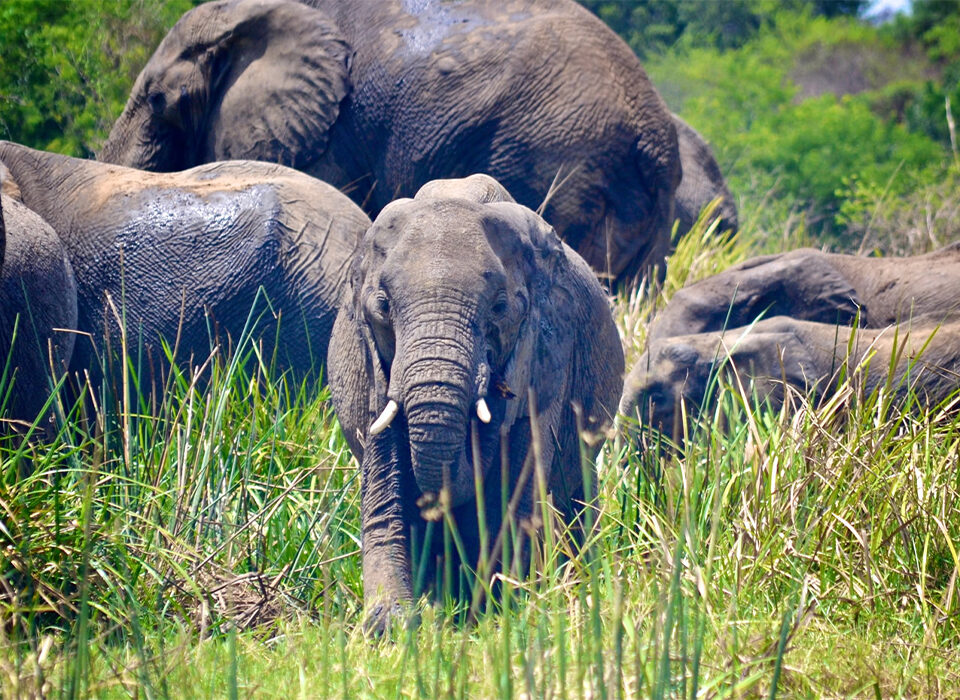
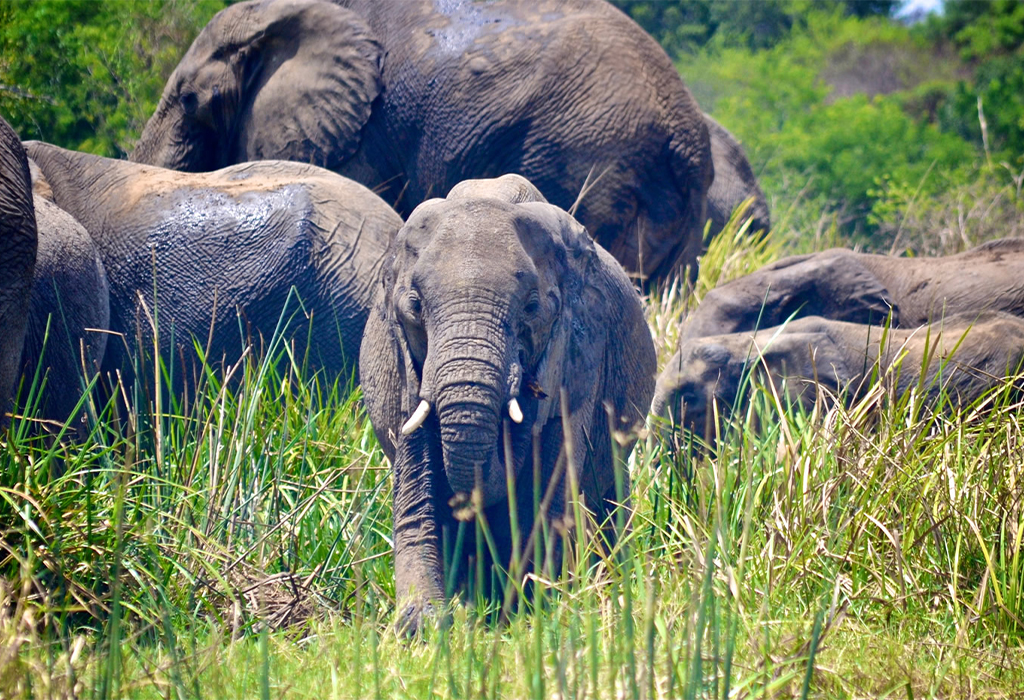
Elephants, for example, have flourished under improved protection. Their growing numbers allow them to shape the landscape naturally, opening pathways and maintaining vegetation balance. Meanwhile, buffalo herds have expanded, reflecting healthy grasslands and reliable water sources.
Leopards remain elusive, yet their continued presence confirms a thriving ecosystem. Although sightings are rare, they add an element of excitement and authenticity to the park’s wildlife experience.
Wildlife Populations on the Rise
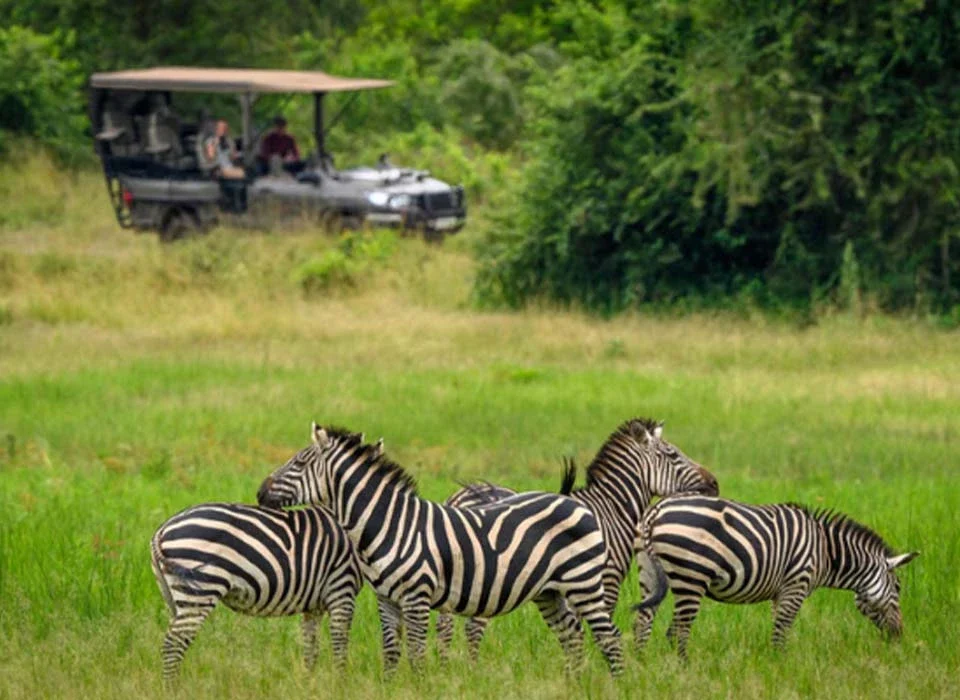
The overall recovery has been remarkable. Wildlife populations have more than doubled over the past decade. Zebras, giraffes, hippos, and antelopes now roam in increasing numbers, strengthening the entire food chain.
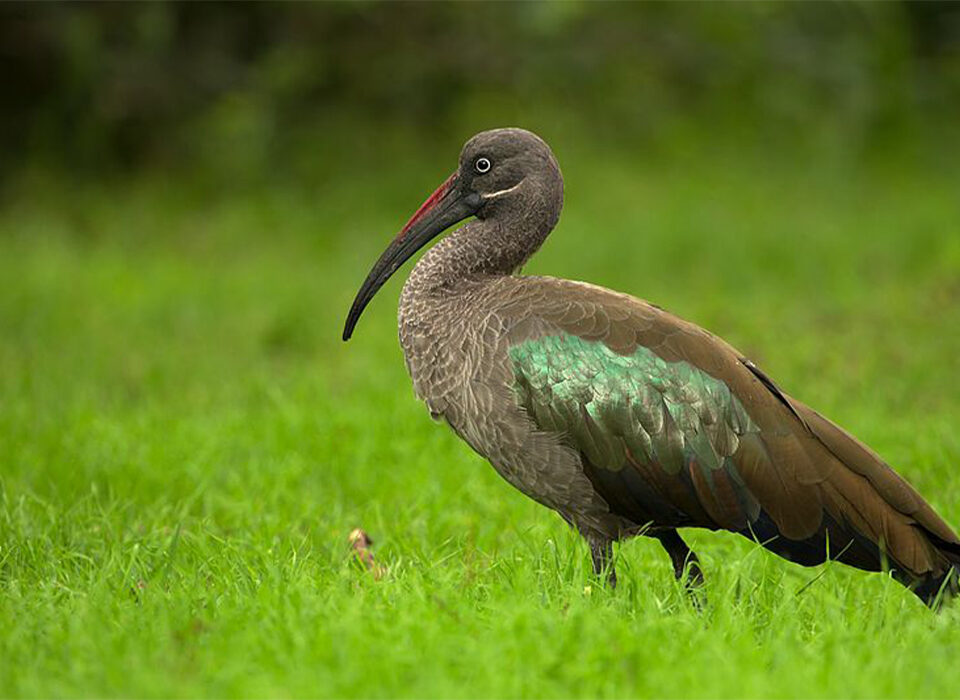
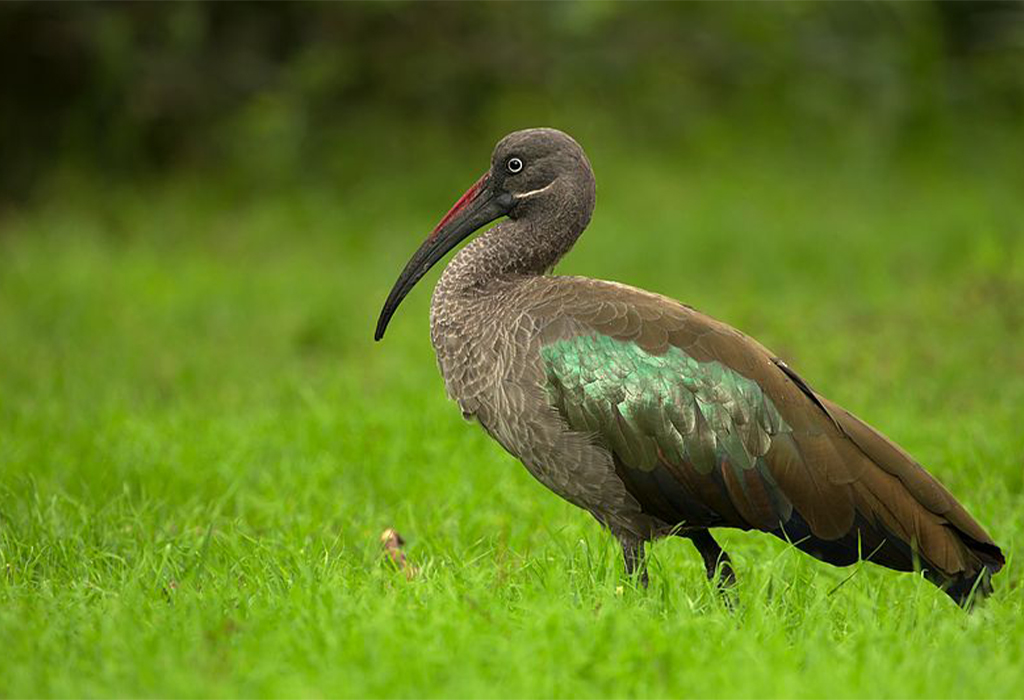
Birdlife has also flourished. With over 500 recorded species, the park has become a prime destination for birdwatchers. Its diverse habitats, including savannah, wetlands, and woodlands, support a rich variety of avian life.
As prey species recover, predator populations continue to stabilise. This balance allows the ecosystem to function naturally, making Akagera one of the most complete conservation landscapes in the region.
Community Benefits and Economic Growth
Conservation success in Akagera extends beyond wildlife. It has also transformed the lives of nearby communities. Tourism has grown significantly, generating revenue that supports both park operations and local development.
Importantly, communities now share in these benefits. Revenue from tourism contributes to local projects, creating jobs and improving livelihoods. As a result, residents increasingly support conservation efforts and help protect wildlife.
Moreover, domestic tourism has grown rapidly. Local visitors now make up a large portion of park guests, reflecting a strong national appreciation for natural heritage. Schools, families, and community groups regularly visit, strengthening the connection between people and conservation
A Model for Conservation Success
Akagera National Park now stands as a powerful example of what effective conservation can achieve. Its transformation shows that even severely degraded ecosystems can recover with commitment, proper management, and community support.
Across Africa, conservationists look to Akagera as a model. It demonstrates that collaboration, long-term planning, and local involvement can reverse wildlife decline and create sustainable outcomes.
Ultimately, Akagera’s story offers hope. The return of lions, the recovery of rhinos, and the growth of wildlife populations all point to one clear truth nature can heal. With the right approach, conservation not only protects wildlife but also builds a better future for people.