Rwanda Day Trips from Kigali: Explore the Best of Rwanda in a Day
October 2, 2026
Wildlife Viewing in Lake Mburo National Park
October 2, 2026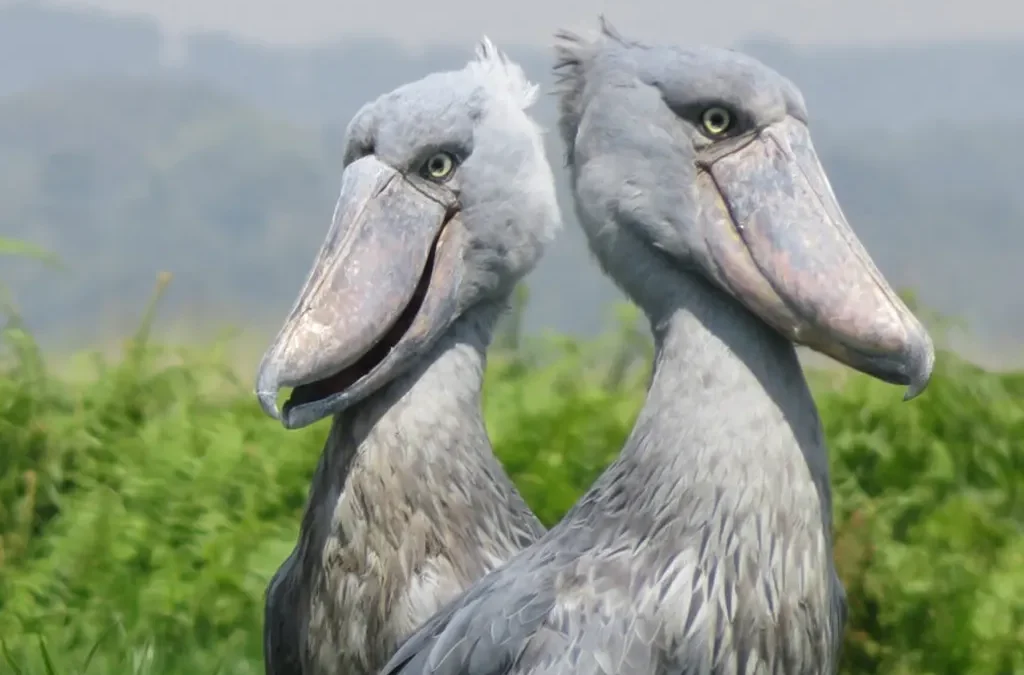
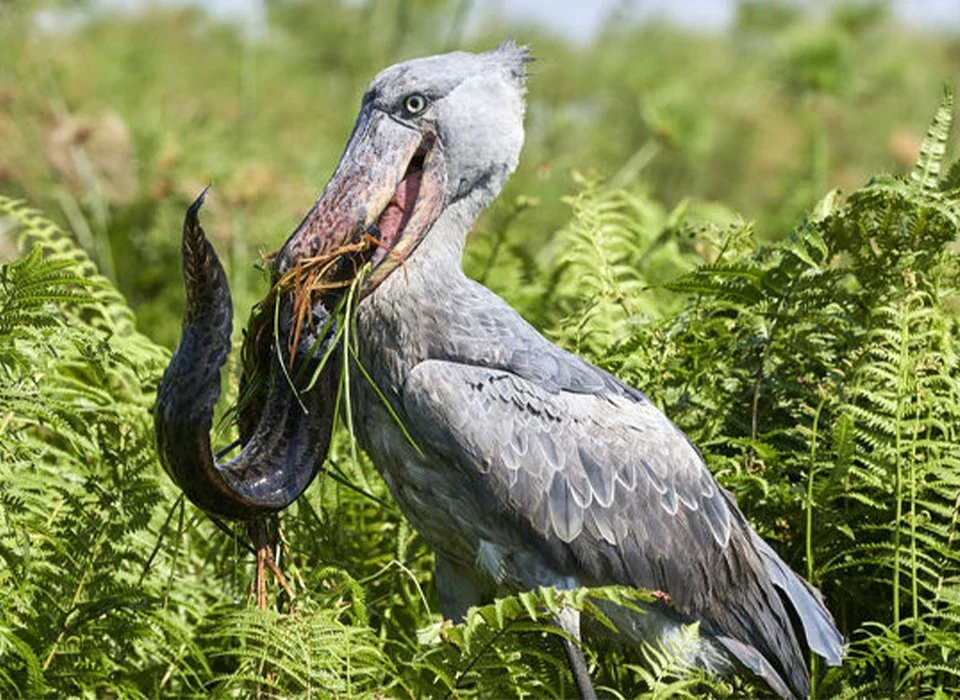
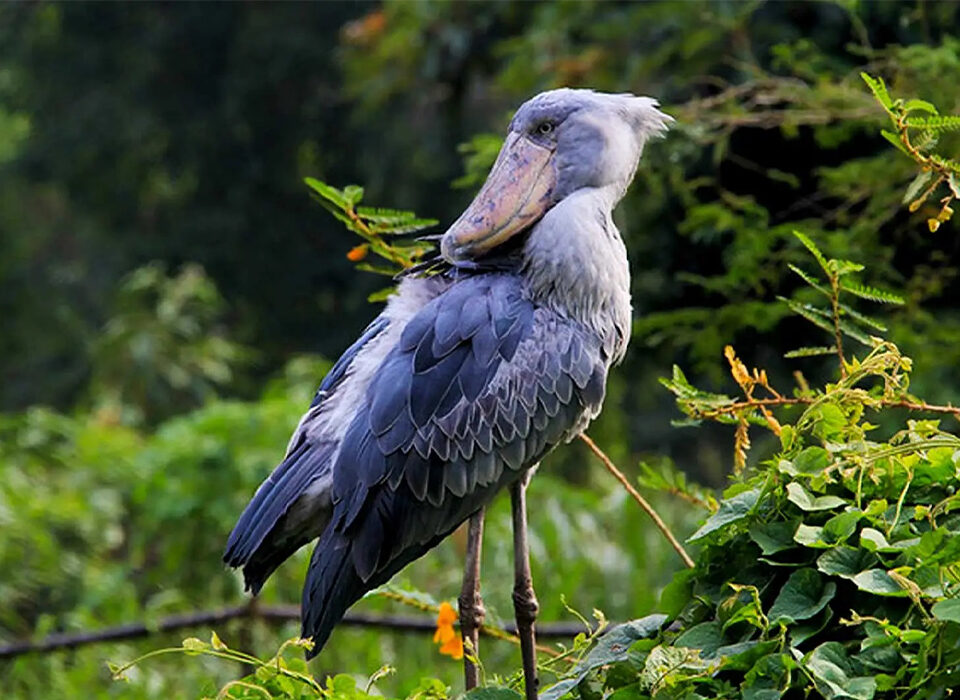
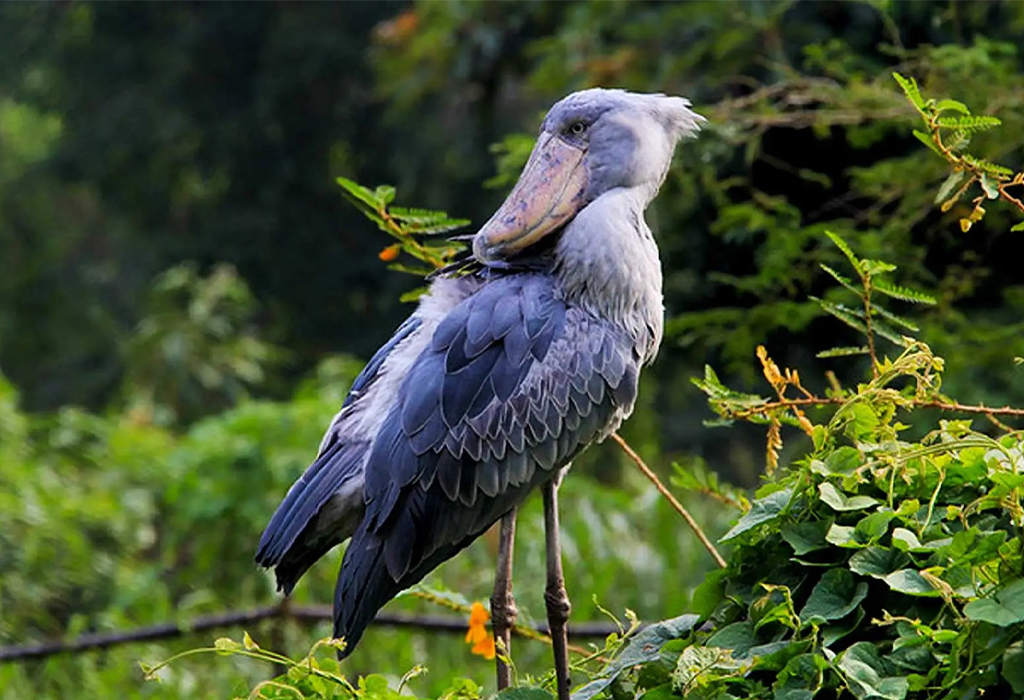
Shoebill Bird Watching Uganda is a remarkable experience for bird lovers looking to encounter one of Africa’s most unusual and sought-after wetland birds. Uganda offers several habitats where travelers can search for the shoebill, a large bird famous for its enormous shoe-shaped bill, tall body, prehistoric appearance, and patient hunting behavior.
At nearly five feet tall, the shoebill is difficult to confuse with any other African bird. It can stand motionless for several minutes while watching shallow water before suddenly striking at fish and other aquatic prey. Seeing this behavior in the wild makes shoebill bird watching in Uganda a memorable part of a specialist birding safari.
For the best experience, patience, good timing, and an experienced local guide are important. Experiya Tour Company can arrange transportation, local guides, boat excursions, accommodation, and other safari activities, making it easier to include shoebill watching in a wider Uganda itinerary.
Why Go Shoebill Bird Watching in Uganda?
Uganda is particularly attractive to birdwatchers because its wetlands, lakes, forests, savannahs, and river systems support a remarkable variety of bird species. Among them, the shoebill remains one of the most exciting targets.
The species is classified as Vulnerable, which makes seeing one in its natural habitat especially meaningful. Rather than simply visiting a bird enclosure, travelers have the opportunity to search for the shoebill in its natural wetland environment.
During a Uganda shoebill birding safari, you may also encounter herons, egrets, kingfishers, weavers, African fish eagles, jacanas, and many other wetland species.
Best Places for Shoebill Bird Watching Uganda
Uganda has several wetlands associated with shoebill habitat. However, the most suitable location depends on your itinerary, available time, and other activities you want to experience.
1. Mabamba Bay Wetland
Mabamba Bay Wetland near Entebbe is one of the most practical destinations for shoebill bird watching Uganda. Its location makes it particularly convenient for travelers arriving through Entebbe International Airport or staying in Kampala.
Visitors normally explore the wetland in a small wooden boat or canoe. Local guides navigate through papyrus channels while searching carefully for shoebills in shallow feeding areas.
The experience is not limited to finding one bird. Mabamba supports a diverse wetland ecosystem, so the boat trip can produce sightings of numerous other species along the way.
An early start is recommended because the cooler morning hours often provide comfortable birding conditions and enough time to explore several channels.
2. Murchison Falls National Park
Murchison Falls National Park offers another interesting opportunity for travelers interested in shoebill bird watching in Uganda. The search is associated with the wetlands around the Victoria Nile and Lake Albert delta.
This option works particularly well for visitors already planning a northern Uganda safari. A shoebill search can be combined with game drives, Nile boat trips, and a visit to the spectacular Murchison Falls.
The surrounding wetlands also support hippos, crocodiles, waterbirds, and other wildlife. Consequently, the experience provides much more than a specialist birding search.
3. Ziwa Rhino Sanctuary
Ziwa Rhino Sanctuary is best known for rhino conservation and guided rhino tracking, but wetland habitats in the area have also been associated with shoebill sightings.
Travelers should confirm the availability of any dedicated shoebill excursion before their trip because activities and operating arrangements can change. Nevertheless, Ziwa can fit conveniently into a northern Uganda itinerary, especially when traveling between Kampala or Entebbe and Murchison Falls.
Other Shoebill Birding Locations in Uganda
Experienced birders may also search for shoebills in suitable wetlands around Lake Albert, the Semuliki region, Lwera, and other papyrus and shallow-water habitats.
However, if your main objective is to see a shoebill, it is sensible to plan around a destination with established local knowledge and guides who regularly work in the wetland.
Other Uganda birding destinations can then be added to create a broader itinerary covering forest, savannah, woodland, lake, and wetland species.
Best Time for Shoebill Bird Watching Uganda
One of the advantages of shoebill bird watching Uganda is that the activity can be enjoyed throughout the year. Shoebills are resident wetland birds, so sightings are not limited to one short migration season.
The relatively drier periods from June to September and December to February are popular with many safari travelers. These months can also make general travel and photography more comfortable.
However, the time of day matters too. Early morning is often ideal because temperatures are cooler and birding conditions can be calmer.
For a successful shoebill search, consider:
- Visiting during the early morning hours.
- Allowing enough time for a patient search.
- Using an experienced local birding guide.
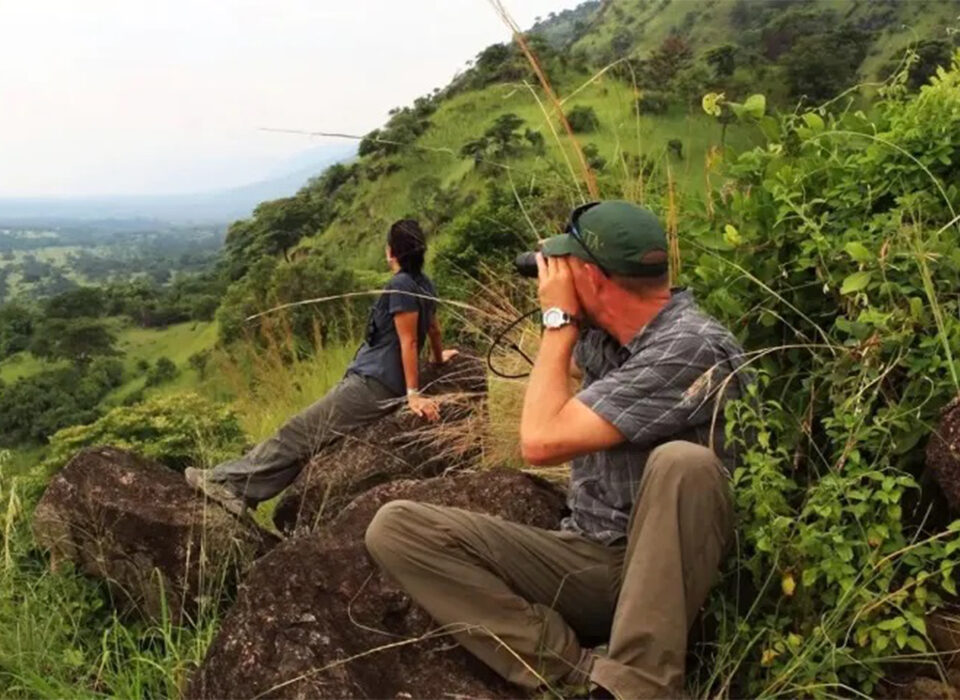
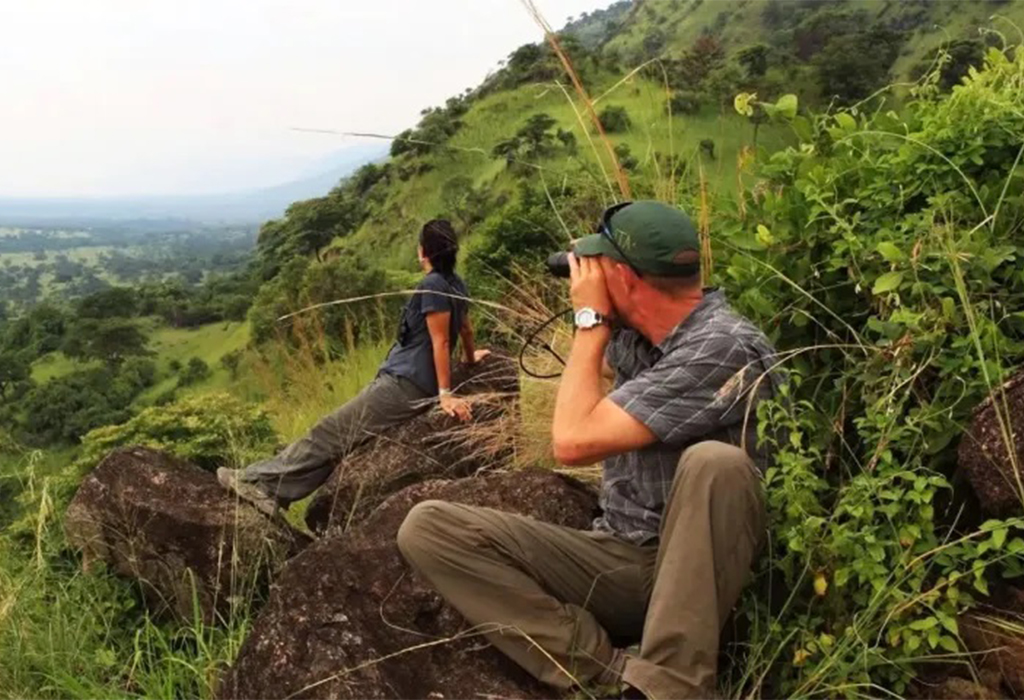
- Carrying binoculars and suitable photography equipment.
Most importantly, remember that shoebills are wild birds. Even at a recognized birding site, sightings cannot be guaranteed.
What to Expect During a Mabamba Shoebill Excursion
A typical Mabamba excursion begins with a transfer from Entebbe, Kampala, or another agreed location. On reaching the wetland, you meet a local guide and boat operator before entering the papyrus channels.
The guide carefully checks areas where shoebills are known to feed. Because these birds can remain remarkably still, finding one often requires patience and careful observation.
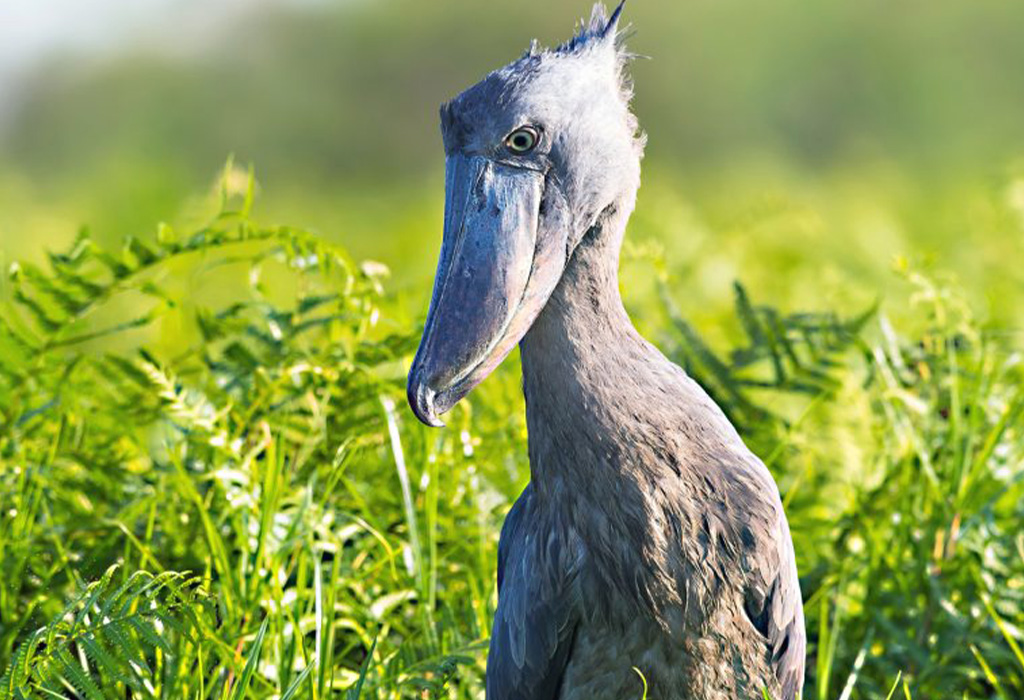
When a shoebill appears, the boat should approach responsibly without chasing or disturbing the bird. This allows visitors to observe its natural behavior while also giving photographers an opportunity to capture quality images.
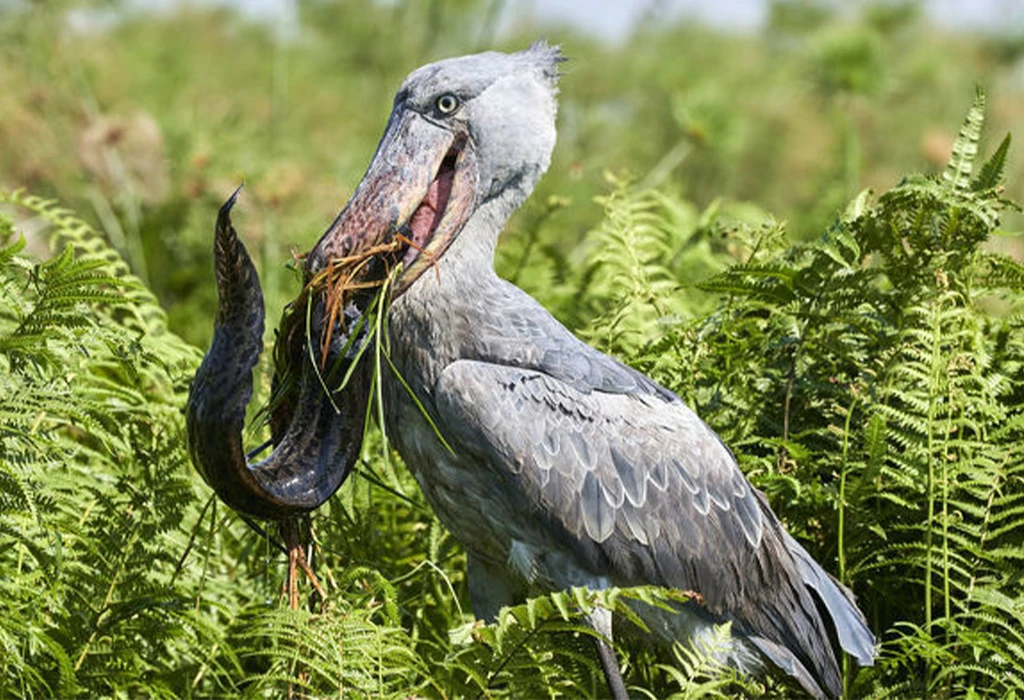
The experience can become even more rewarding when the shoebill suddenly moves after standing motionless for several minutes. Watching it strike at fish gives you a completely different appreciation of this extraordinary bird.
Shoebill Photography in Uganda
The shoebill is an excellent photographic subject. Its huge bill, expressive eyes, tall body, and gray plumage create striking images, especially when the bird is standing against papyrus vegetation.
A telephoto lens is useful because it allows photographers to maintain a respectful distance. Early-morning light can also create attractive conditions for photography.
Wetland photography, however, requires preparation. Water spray, rain, vegetation, and changing light can make the environment challenging.
Photographers should therefore carry:
- A telephoto lens.
- Spare batteries and memory cards.
- A waterproof camera cover or dry bag.
- Binoculars for locating distant birds.
What to Pack for Shoebill Bird Watching
A little preparation can make your birding experience much more comfortable. Wetlands can be warm, humid, and exposed, so lightweight clothing and adequate protection are useful.
Consider carrying:
- Long trousers and comfortable closed shoes.
- Insect repellent.
- Sunscreen and a hat.
- Drinking water.
- Camera equipment if you enjoy photography.
Avoid carrying unnecessary equipment into a small canoe because space may be limited. Keeping valuable equipment dry should also remain a priority.
Estimated Cost of Shoebill Bird Watching Uganda
The cost of a shoebill excursion varies depending on the departure point, group size, transportation, boat arrangements, guiding, and additional activities.
A community canoe and guiding experience may cost around USD 100 per person for a solo traveler, while larger groups may pay approximately USD 80 per person, depending on the confirmed arrangement.
These figures are planning estimates rather than fixed national tariffs. Therefore, travelers should request a current quotation before booking.
Experiya Tour Company can combine the birding excursion with transportation and other Uganda safari activities, giving travelers a clear itinerary and cost before departure.
Combining Shoebill Watching With a Uganda Safari
You do not have to organize a separate trip just to see a shoebill. In fact, combining shoebill bird watching Uganda with other safari activities can make your journey more rewarding.
Mabamba Bay works particularly well at the beginning or end of a safari because of its proximity to Entebbe. Meanwhile, travelers heading north can combine birding with Ziwa Rhino Sanctuary and Murchison Falls National Park.
A longer Uganda safari can also include chimpanzee tracking, gorilla trekking, game drives, boat cruises, and specialist birdwatching.
This approach allows you to experience Uganda’s different ecosystems while still making time for one of Africa’s most distinctive birds.
Responsible Shoebill Bird Watching
Responsible birding is essential when visiting wetland habitats. Shoebills are sensitive to unnecessary disturbance, so visitors should follow the instructions of their guides and avoid forcing birds to move for photographs.
Boat operators should approach slowly and maintain an appropriate distance. Likewise, travelers should keep noise levels low and avoid chasing birds between feeding areas.
Supporting community-based birding also provides an important benefit. Local guides and boat operators can earn income from tourism, creating a direct connection between wildlife conservation and community livelihoods.
Shoebill Bird Watching Uganda FAQs
Where is the best place to see a shoebill in Uganda?
Mabamba Bay Wetland near Entebbe is one of the most practical and established places to search for shoebills, particularly for travelers with limited time.
What is the best time to see a shoebill?
Early morning is generally recommended because conditions are cooler and shoebills may be actively hunting. Sightings, however, remain unpredictable.
Can I see a shoebill from Kampala?
Yes. Mabamba can be organized as a day trip from Kampala, although an early departure provides more time for birding.
Can I visit Mabamba from Entebbe?
Yes. Its proximity to Entebbe makes Mabamba particularly convenient for travelers arriving in or departing from Uganda.
Are shoebill sightings guaranteed?
No. Shoebills are wild birds, and even experienced guides cannot guarantee a sighting.
What should I bring?
Carry binoculars, insect repellent, drinking water, sun protection, comfortable clothing, and a camera with a suitable telephoto lens if you enjoy photography.
Can shoebill watching be combined with other safari activities?
Absolutely. Experiya Tour Company can incorporate shoebill watching into wildlife, primate, cultural, or specialist birding safaris across Uganda.
Plan Your Shoebill Bird Watching Uganda Experience With Experiya Tour Company
A shoebill encounter is one of the most memorable experiences available to birdwatchers visiting Uganda. From the papyrus channels of Mabamba Bay to the wetlands around the Nile and Lake Albert, the country’s diverse habitats provide exciting opportunities to search for this remarkable species.
Whether you have only a few hours available from Entebbe or want to include birding within a longer Uganda safari, Experiya Tour Company can help organize the experience around your interests and schedule.
With suitable transportation, local guides, boat arrangements, and carefully planned activities, your shoebill bird watching Uganda experience can become a rewarding part of a wider journey through Uganda’s forests, wetlands, lakes, and national parks.