Best Time to Visit Rwanda for a Safari Holiday
February 4, 2026
Top 5 Places to Visit in Entebbe, Uganda
February 4, 2026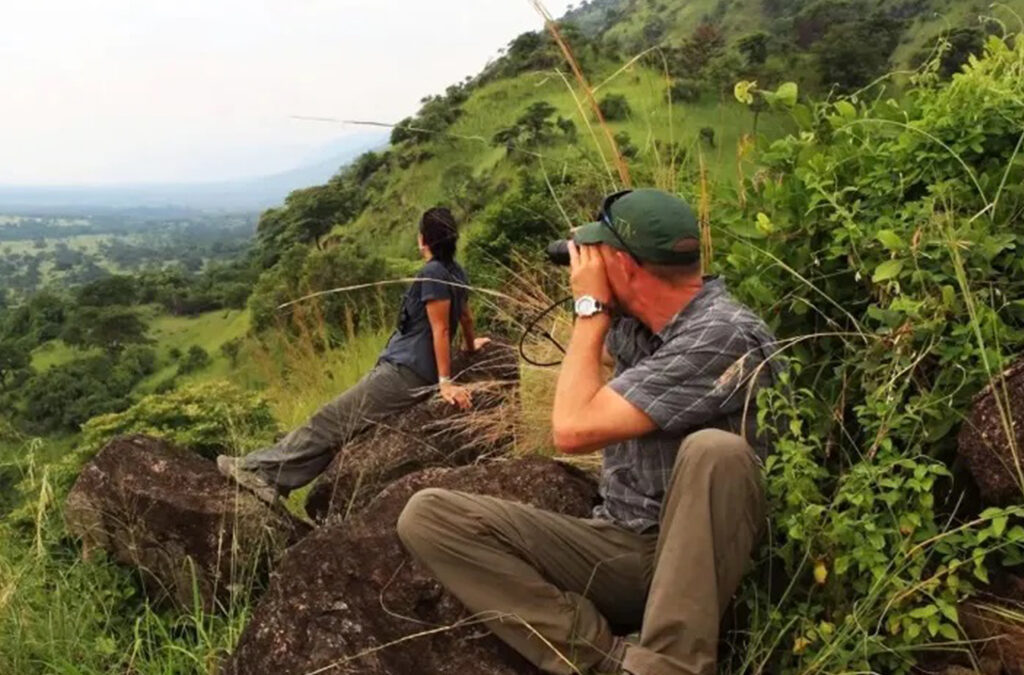
Toro Semliki Wildlife Reserve (TSWR) is one of Uganda’s oldest and most underrated conservation areas. Tucked away at the southern tip of the Albertine Rift Valley in western Uganda, the reserve offers raw wilderness, rich biodiversity, and crowd‑free safari experiences. For travelers who want to explore beyond the popular parks, this hidden gem delivers a truly wild adventure.
Experiya Tour Company recommends Toro Semliki for visitors seeking a quieter, more exclusive safari combined with unique primate tracking and birding opportunities.
Location and Background
Toro Semliki Wildlife Reserve lies in Ntoroko and Kabarole districts. It borders Kibale National Park to the south and is close to both Semuliki National Park and the Rwenzori Mountains along the Democratic Republic of Congo border. The reserve covers approximately 542 square kilometers and was gazetted in 1929, making it one of Uganda’s oldest protected areas. Initially, conservation efforts focused on protecting the large population of Uganda kobs.
Although poaching and regional insecurity affected wildlife populations in the 1970s–1990s, restoration programs led by the Uganda Wildlife Authority (UWA) have helped the ecosystem recover. Wildlife numbers are steadily increasing, and several research and conservation initiatives, including chimpanzee studies, continue to support the reserve’s revival.
Landscape and Vegetation
Toro Semliki sits within the western arm of the Great East African Rift Valley. Elevation ranges from 900 meters near Lake Albert to about 1,900 meters along the Makondo Escarpment in the northeast. Two major rivers, the Mugiri and Wasa, flow southward and carve out the scenic Nyaburogo Gorge in the heart of the reserve.
The vegetation changes with altitude and water availability. You will find:
- Papyrus swamps along Lake Albert’s shoreline
- Expansive savanna grasslands on hills and escarpments
- Riverine forests and swamp forests in valley areas
- Woodlands dotted with borassus palms, acacia, Albizia, combretum, and cynometra trees
Towering buttress‑rooted trees, including giant cola species and ironwood, grow in the river valleys and can reach heights of over 35 meters.
Wildlife in Toro Semliki
Thanks to its mix of savanna and forest habitats, the reserve supports impressive biodiversity.
Mammals
Toro Semliki is home to 69 recorded mammal species, including one of Uganda’s largest populations of Uganda kobs. Other mammals include:
- Elephants (both savanna and forest types)
- Buffaloes
- Lions and leopards (best spotted on night drives)
- Warthogs
- Giant forest hogs
- Defassa waterbucks
- Bohor reedbucks
- Bushbucks and common duikers
Primates
The reserve hosts seven primate species, with chimpanzees being the main highlight. Others include:
- Olive baboons
- Black‑and‑white colobus monkeys
- Red colobus monkeys
- Blue monkeys
- Red‑tailed monkeys
- De Brazza’s monkeys
- Dent’s mona monkeys
- Northern lesser bushbabies
Birds, Reptiles, and Amphibians
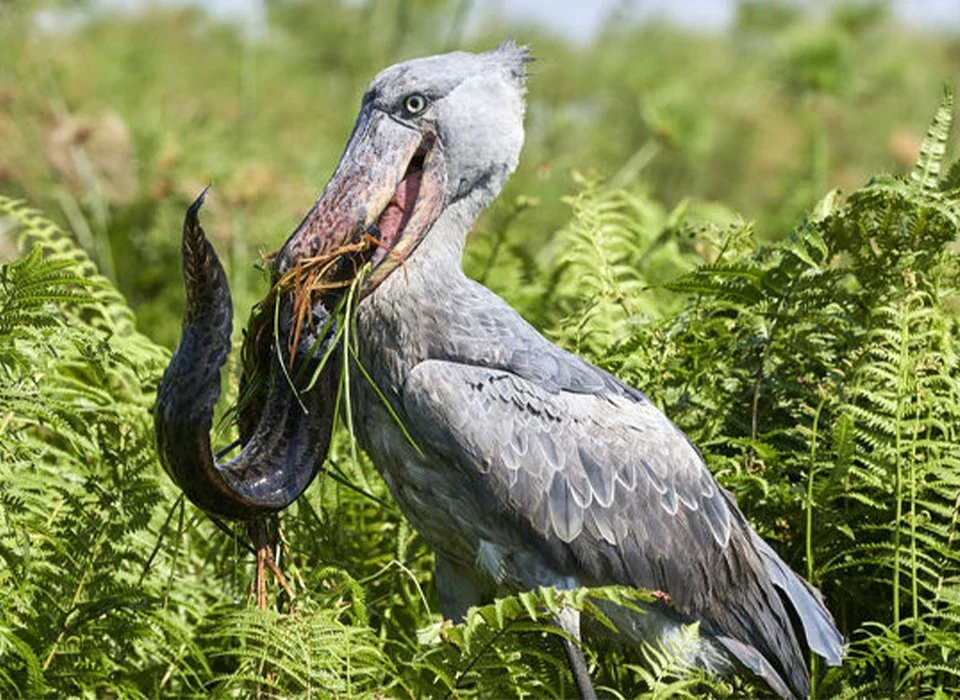
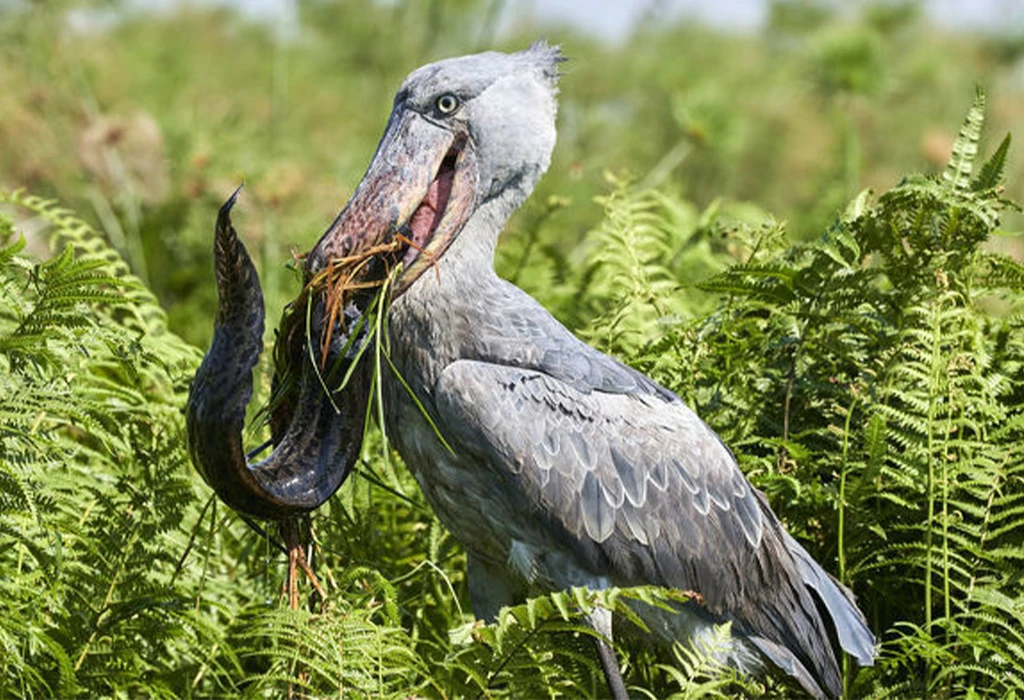
Birdlife is exceptional, with over 435 bird species recorded. The iconic shoebill stork is a major attraction along the Lake Albert wetlands. The reserve also protects at least 13 amphibian species and 30+ reptile species.
Top Tourist Activities
Toro Semliki offers a variety of authentic, off‑the‑beaten‑path safari experiences.
Primate Walk (Chimpanzee Tracking)
Unlike forest trekking in Kibale, chimpanzee tracking here happens in more open woodland. Visitors follow well‑maintained trails along the Mugiri River to search for the Mugiri chimpanzee community, which researchers have studied since 1996. Along the way, you may also see monkeys, baboons, and a wide range of birdlife.
Game Drives
Both day and night game drives are available. Day drives often reveal Uganda kobs, buffaloes, elephants, waterbucks, and warthogs. Night drives increase the chances of spotting elusive predators such as leopards and lions.
Boat Ride on Lake Albert
Boat excursions along Lake Albert’s southern shores take you into papyrus swamps where shoebills and other water birds thrive. Expect sightings of pelicans, African sacred ibis, pygmy geese, kingfishers, and hammerkops.
Birding
With hundreds of species across different habitats, Toro Semliki is a dream destination for birdwatchers. Wetlands, savanna, woodland, and forest edges all host distinct bird communities.
Hiking and Nature Walks
Guided hikes explore escarpments, river valleys, and scenic viewpoints. The landscape offers dramatic contrasts and excellent photography opportunities.
Cultural Encounters
Communities surrounding the reserve include the Batoro and other local groups who practice farming and cattle keeping. Through community conservation initiatives, visitors can enjoy traditional dance performances and purchase handmade crafts. These visits help support local livelihoods and strengthen conservation partnerships.
Key Attractions Inside the Reserve
Mugiri and Wasa Rivers
These rivers sustain lush riverine forests and attract wildlife, including the rare forest elephant. Guided forest river trails provide chances to explore these habitats on foot.
Nyaburogo Gorge
The Mugiri River cuts through massive rocks to form the dramatic Nyaburogo Gorge. A 7‑kilometer trail from the visitor center leads hikers through varied habitats and takes about three hours to complete. Rapids and rock formations make this a favorite for photographers.
How to Get There
Toro Semliki Wildlife Reserve lies about 371 km (6 hours) from Kampala and 58 km (1.5 hours) from Fort Portal. The route from Fort Portal to Karugutu offers scenic views of the rift valley landscape. The reserve is also roughly 90 km northwest of Kibale National Park, making it easy to combine the two destinations in one itinerary.
Charter flights can land at nearby airstrips serving the Semliki area, which saves time for travelers on luxury safaris arranged by Experiya Tour Company.
Accommodation Options
Accommodation inside the reserve is limited but comfortable. Visitors can choose from safari lodges, self‑contained bandas, and campsites managed in partnership with the Uganda Wildlife Authority. These options allow travelers to stay close to nature while enjoying essential amenities.
Best Time to Visit
The best wildlife viewing months are during the dry seasons: June to September and December to February. During these months, roads are more accessible and animals gather near water sources, making sightings easier.
Final Thoughts
Toro Semliki Wildlife Reserve is perfect for adventurous travelers who want solitude, diverse habitats, and rare wildlife encounters. With fewer crowds and a true wilderness feel, it stands out as one of Uganda’s most authentic safari destinations. Planning your visit with Experiya Tour Company ensures expert guidance, smooth logistics, and a memorable off‑the‑grid safari experience.