
Which Bwindi Sector Offers Gorilla Habituation Permits?
September 28, 2026
Is Gorilla Trekking Worth the Money?
September 29, 2026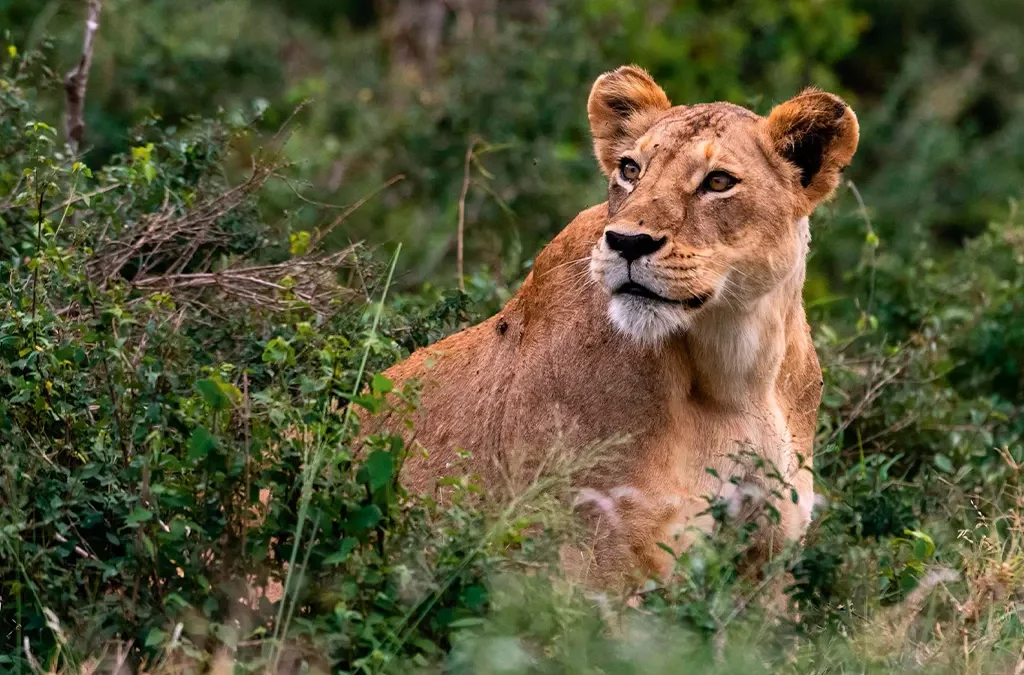
Things to do in Maasai Mara National Reserve range from exciting game drives and witnessing the Great Wildebeest Migration to hot-air balloon safaris, bird watching, cultural experiences, nature walks, and relaxing in private conservancies. Located in southwestern Kenya near the Tanzania border, Maasai Mara is one of Africa’s most famous wildlife destinations and forms part of the wider Mara-Serengeti ecosystem.
The reserve covers about 1,510 square kilometres and supports an impressive variety of wildlife. Visitors can encounter lions, leopards, cheetahs, elephants, buffaloes, giraffes, zebras, wildebeest, hippos, crocodiles, and numerous antelope species. In addition, the Mara supports hundreds of bird species, making it an excellent destination for both wildlife enthusiasts and birdwatchers.
With Experiya Tour Company, travelers can arrange a Maasai Mara safari that combines game viewing with cultural experiences and other activities around the reserve.
1. Go on Morning and Afternoon Game Drives
Game drives are among the most popular things to do in Maasai Mara National Reserve. They provide an opportunity to explore the savannah while searching for Africa’s famous wildlife.
Early morning game drives are particularly rewarding because many animals are active before the heat of the day becomes intense. You may encounter lions returning from a night hunt, cheetahs searching for prey, elephants moving across the plains, or large herds of wildebeest and zebra grazing.
Afternoon game drives offer a different experience. As temperatures begin to fall, wildlife becomes more active again. Your guide can take you to areas where animals gather around water sources or open grasslands.
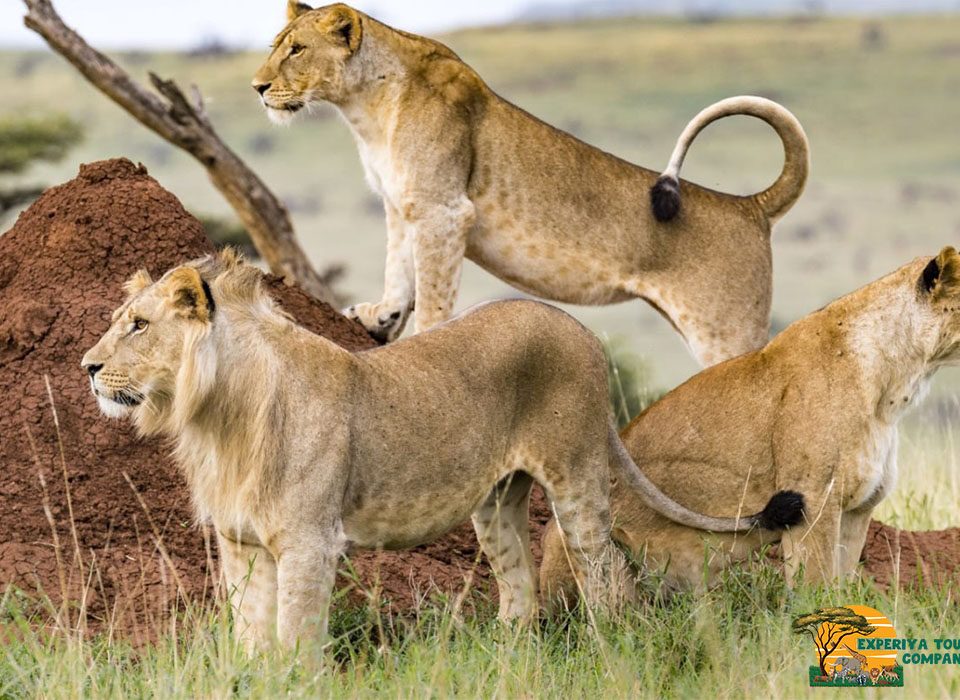
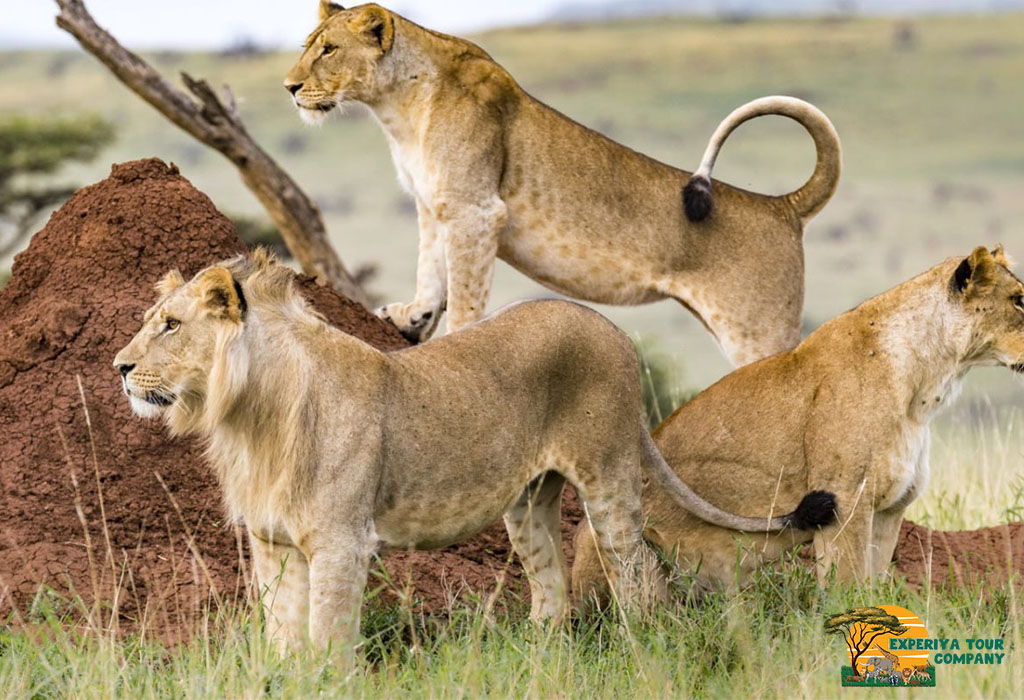
The Mara is also renowned for its big cats. Although sightings can never be guaranteed, the reserve offers opportunities to see lions, leopards, and cheetahs in their natural habitat.
2. Witness the Great Wildebeest Migration
The Great Wildebeest Migration in Maasai Mara is one of the most spectacular wildlife events in Africa. Millions of wildebeest, accompanied by zebras and gazelles, move through the Serengeti-Mara ecosystem in search of fresh grazing and water.
The timing varies from year to year because the migration follows rainfall and pasture conditions. Therefore, travelers should not assume that the animals will cross the Mara River on a particular date.
The river crossings are especially dramatic. Wildebeest gather along the riverbanks before attempting to cross, while crocodiles wait in the water. Predators such as lions, hyenas, and cheetahs also take advantage of the abundance of prey.
For travelers interested specifically in migration sightings, Experiya Tour Company can help plan a safari around the seasonal movement of wildlife.
3. Take a Night Game Drive
A night game drive offers a completely different perspective of the Mara. Instead of exploring the reserve during daylight, you venture into the wilderness after sunset in areas where night drives are permitted.
Private conservancies surrounding the main reserve commonly provide this experience under the guidance of trained local guides and, where required, rangers.
At night, you may encounter nocturnal animals and observe predators becoming active. Hyenas, leopards, lions, genets, civets and various nocturnal birds can sometimes be seen.
Because wildlife regulations differ between the main reserve and surrounding conservancies, visitors should confirm where night drives are permitted before booking.
4. Enjoy a Hot-Air Balloon Safari
A Maasai Mara hot-air balloon safari provides a spectacular aerial perspective of the Kenyan savannah. Instead of viewing the landscape from a safari vehicle, you float quietly above the plains as the sun rises.
From the balloon, you can appreciate the scale of the Mara ecosystem, including winding rivers, grasslands, woodland patches, and wildlife moving across the plains.
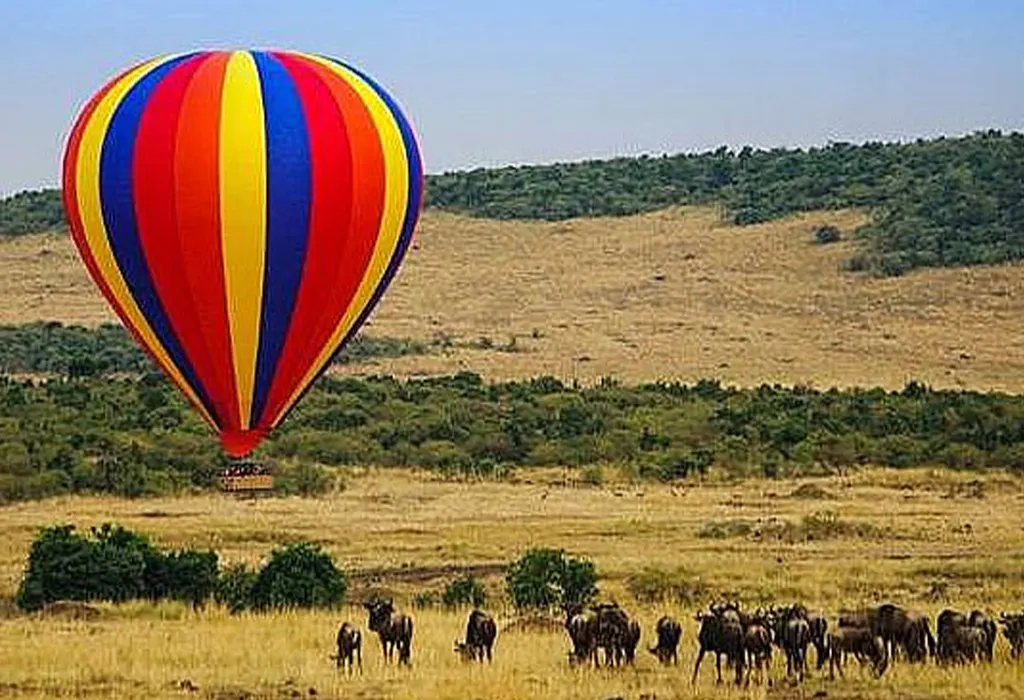
Most balloon experiences begin early in the morning and are followed by a bush breakfast. This makes the activity particularly appealing to couples, families, and travelers celebrating a special occasion.
However, balloon flights depend on weather conditions, so operators may adjust or cancel flights when conditions are unsuitable.
5. Explore the Mara Triangle
The Mara Triangle forms an important part of the greater Maasai Mara ecosystem. It lies on the western side of the Mara River and is managed separately from the main Maasai Mara National Reserve.
The area is known for its scenic landscapes and rich wildlife populations. Because visitor numbers and management arrangements differ from those in other parts of the ecosystem, the Mara Triangle can provide a quieter safari experience.
Travelers should therefore consider including the triangle when planning a longer Maasai Mara safari itinerary.
6. Go Bird Watching in Maasai Mara
Although large mammals attract most visitors, bird watching is another rewarding activity in Maasai Mara. The ecosystem supports a wide range of birds, including raptors, waterbirds, grassland species and woodland birds.
Depending on the season and location, birdwatchers may encounter ostriches, vultures, eagles, storks, herons, hornbills and other species.
Early morning is often a productive time for birding because temperatures are cooler and many birds are active. A knowledgeable guide can also help identify species by their calls, behavior, and habitat.
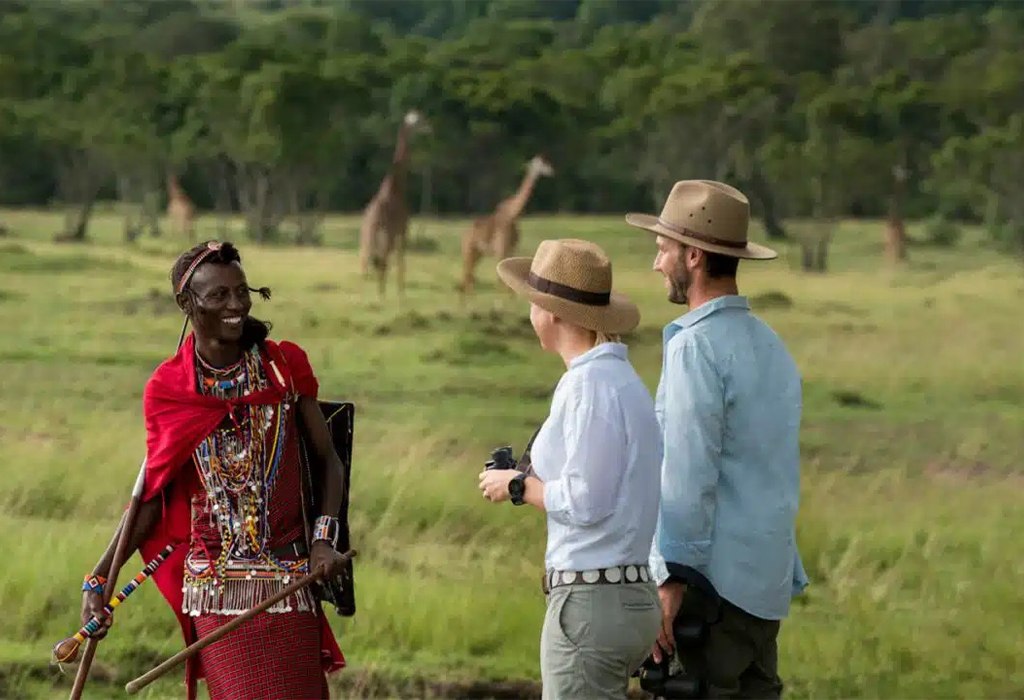
7. Take a Guided Nature Walk
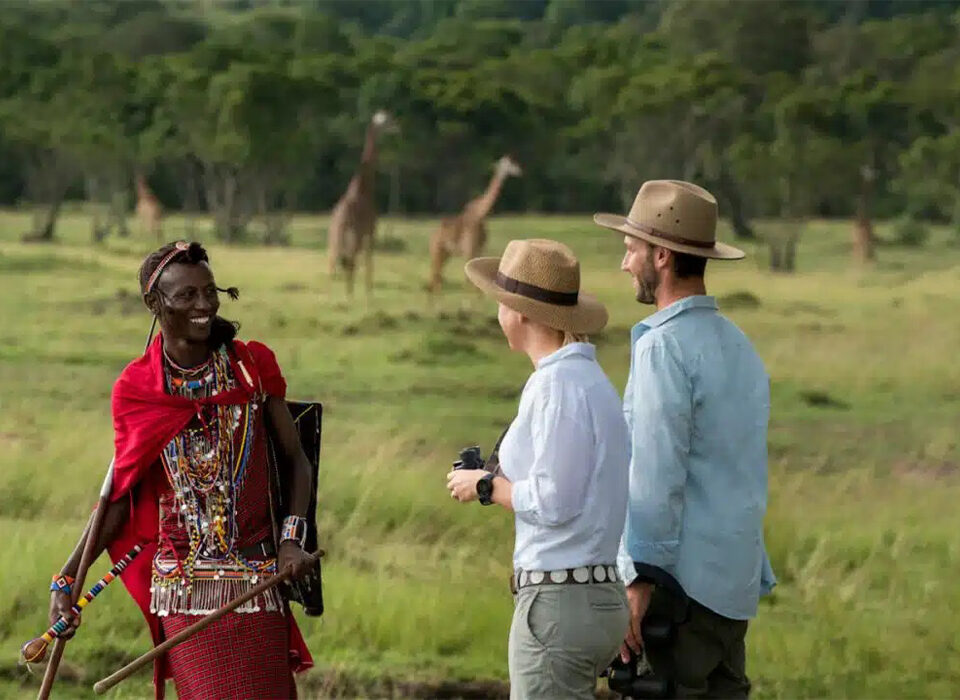
Walking through the African savannah provides a more intimate way to experience the Mara ecosystem. Guided nature walks are generally offered in private conservancies rather than unrestricted areas of the main national reserve.
During a walk, you can learn about animal tracks, plants, insects, birds, and other smaller elements of the ecosystem that are easy to overlook during a vehicle safari.
Local Maasai guides can add valuable knowledge about the landscape, traditional uses of plants, and wildlife tracking. Safety remains essential, so visitors should always follow their guide’s instructions.
8. Experience a Horseback Safari
Horseback riding in the Maasai Mara’s private conservancies allows visitors to explore parts of the ecosystem away from conventional safari vehicles.
Riding quietly through the landscape can create a different atmosphere, particularly when observing grazing animals such as zebras, giraffes, and antelopes.
Availability, routes, and wildlife viewing opportunities depend on the conservancy and season. Therefore, travelers should arrange horseback safaris with reputable operators and follow all safety requirements.
9. Visit a Maasai Community
A Maasai cultural experience in Kenya can complement a wildlife safari by introducing visitors to local traditions and contemporary community life.
Visits to Maasai communities may include traditional songs and dances, demonstrations of crafts, discussions about pastoralist traditions and opportunities to purchase locally made souvenirs.
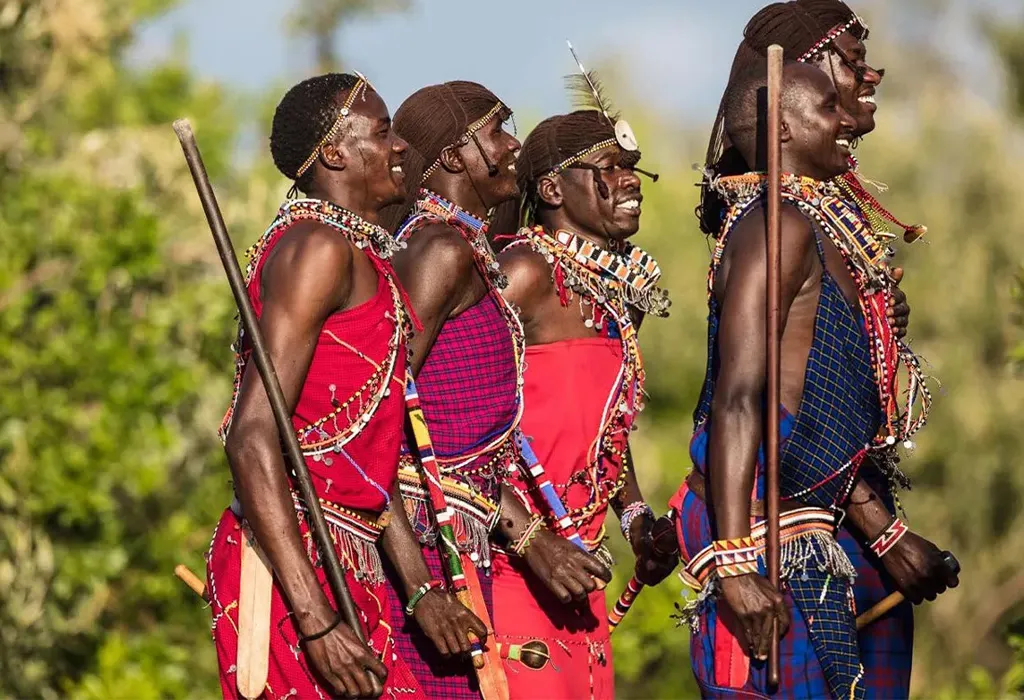
Responsible cultural tourism should benefit local communities and respect their customs. Rather than treating culture as a performance alone, travelers can use the experience as an opportunity to learn about the Maasai people’s relationship with livestock, land, and the wider Mara ecosystem.
10. Enjoy a Bush Breakfast or Sundowner
A bush breakfast or sundowner adds a memorable touch to a Maasai Mara safari. Depending on the camp or lodge, guests can enjoy breakfast in a designated wilderness setting after a morning game drive or have drinks while watching the sunset.
These experiences combine scenery, food and relaxation. They are particularly popular with couples and families who want to slow down after several hours of wildlife viewing.
Your safari operator or accommodation provider can advise on suitable locations and safety arrangements.
11. Go Camping and Photography
Camping provides another way to experience the Mara. Depending on the location and type of camp, visitors can choose from basic campsites to comfortable tented accommodation.
The reserve and surrounding conservancies also offer outstanding photography opportunities. Open grasslands, dramatic skies, wildlife, and changing light provide plenty of subjects for both beginners and experienced photographers.
For wildlife photography, patience is important. Instead of trying to photograph every animal, spend time observing behavior and allow your guide to position the vehicle responsibly.
12. Stay in a Private Maasai Mara Conservancy
Staying in a Maasai Mara private conservancy can provide a different safari experience from staying inside the main reserve.
Many conservancies surrounding the reserve support wildlife conservation while also providing benefits to local landowners and communities. Depending on the conservancy, guests may have access to activities such as night drives and guided walks that are not generally available inside the main reserve.
Conservancies can also provide a quieter atmosphere, particularly during busy periods. However, each conservancy has its own rules, wildlife areas and accommodation options.
13. Visit the Mara River
The Mara River is one of the most important natural features of the ecosystem. It supports hippos, crocodiles, birds and numerous other animals.
The river is also famous for its role in the annual wildebeest migration. During suitable periods, large herds may gather along its banks before attempting to cross.
Even outside the migration season, the river can be a productive area for wildlife viewing. Your guide can identify suitable viewing locations while ensuring that visitors maintain a safe distance from wildlife.
Best Time to Visit Maasai Mara National Reserve
The best time to visit Maasai Mara depends on what you want to experience.
The period from around July to October is popular with travelers hoping to see the migration in the Mara ecosystem. However, migration timing varies annually, so there is no guaranteed date for river crossings.
The drier months can also offer good general wildlife viewing because animals are often easier to locate around remaining water sources and open areas.
The wetter periods can bring greener scenery, fewer visitors in some areas, and excellent photographic conditions. Therefore, travelers who are not specifically interested in the migration can consider visiting outside the busiest months.
How to Get to Maasai Mara
Maasai Mara can be reached by road or air from Nairobi. The road journey takes several hours depending on the route, traffic, weather and destination within the Mara ecosystem.
Domestic flights provide a faster alternative, with several airstrips serving different camps and lodges around the ecosystem.
Because road conditions can vary, especially during rainy periods, travelers should choose transport according to their itinerary, budget and preferred level of comfort.
Experiya Tour Company can help organize transportation, accommodation, park activities, and guided wildlife experiences as part of a complete Kenya safari.
How Many Days Do You Need in Maasai Mara?
A 3-day Maasai Mara safari is a practical option for travelers who want time for several game drives without spending too long away from other Kenyan destinations.
A longer stay of four or more days provides greater flexibility and more opportunities to explore different areas, especially when combining the Mara with destinations such as Lake Nakuru, Amboseli or Nairobi.
For travelers focusing on the Great Wildebeest Migration, additional time can be useful because wildlife movements are unpredictable.
Frequently Asked Questions About Maasai Mara
What are the main things to do in Maasai Mara?
The main activities include game drives, witnessing the wildebeest migration, hot-air balloon safaris, bird watching, guided nature walks, cultural visits, horseback riding, night game drives in permitted conservancies, photography, and bush dining.
Is Maasai Mara worth visiting outside the migration season?
Yes. Maasai Mara supports wildlife throughout the year. Lions, elephants, buffaloes, giraffes, cheetahs, leopards, and many other animals remain in the ecosystem outside the migration period.
How many days are enough for Maasai Mara?
Three days can provide a good introduction to the reserve, while four or more days allow travelers to explore more areas and enjoy a slower safari experience.
Can I take a night game drive in Maasai Mara?
Night drives are generally associated with private conservancies surrounding the main reserve rather than the main national reserve itself. Availability depends on the specific conservancy and its regulations.
What animals can I see in Maasai Mara?
Visitors may see lions, elephants, buffaloes, leopards, cheetahs, giraffes, zebras, wildebeest, hippos, crocodiles, hyenas, and numerous antelope species. Wildlife sightings are never guaranteed because animals move freely through the ecosystem.
What is the best activity for first-time visitors?
A game drive is usually the foundation of a first Maasai Mara safari because it provides an opportunity to explore the ecosystem and search for a wide range of wildlife. Travelers can then add activities such as a cultural visit or balloon safari.
Plan Your Maasai Mara Safari with Experiya Tour Company
The things to do in Maasai Mara National Reserve extend far beyond watching wildlife from a safari vehicle. From the dramatic migration and big-cat encounters to bird watching, cultural experiences, hot-air ballooning and peaceful evenings in private conservancies, the Mara offers different experiences for different types of travelers.
With Experiya Tour Company, you can plan a personalized Kenya safari that matches your available time, interests, and budget. A well-planned itinerary can also combine Maasai Mara with other destinations in Kenya for a more comprehensive East African adventure.