Go Gorilla Trekking in Uganda: A Complete Guide to Mountain Gorilla Safaris
September 22, 2026
Top Destinations for Boat Cruise Experiences in Uganda
September 23, 2026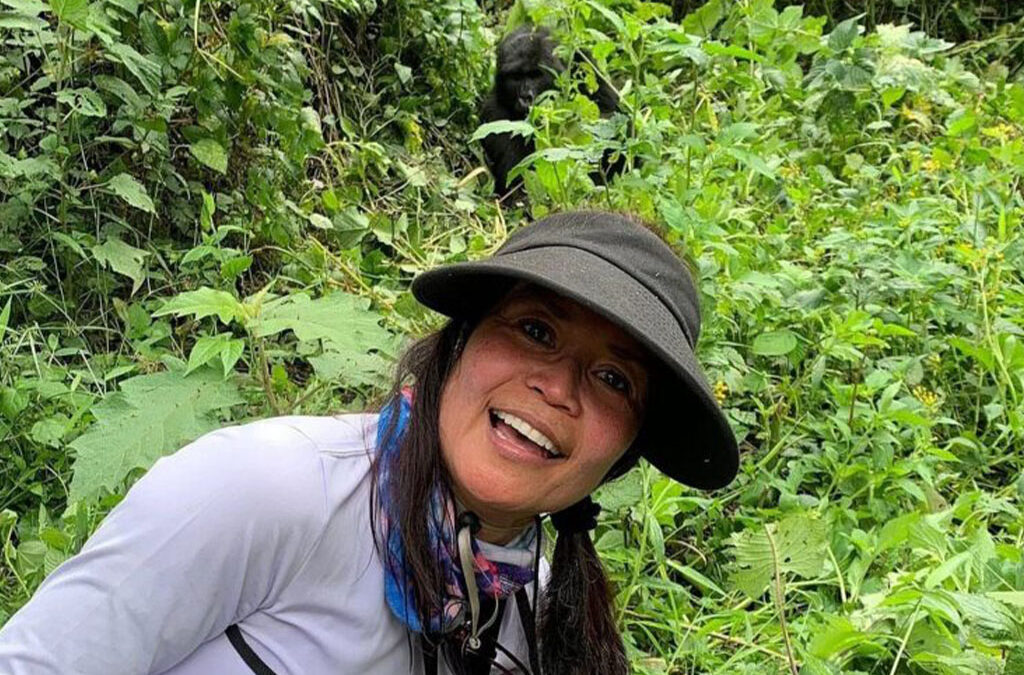
Travelling alone can make an African safari feel even more personal, and gorilla trekking for a solo traveler offers an opportunity to experience one of the continent’s most remarkable wildlife encounters at your own pace. You do not need to join a large private group to trek mountain gorillas. With the right permit, transport, accommodation and guide arrangements, you can travel independently while still joining the official trekking group at the park.
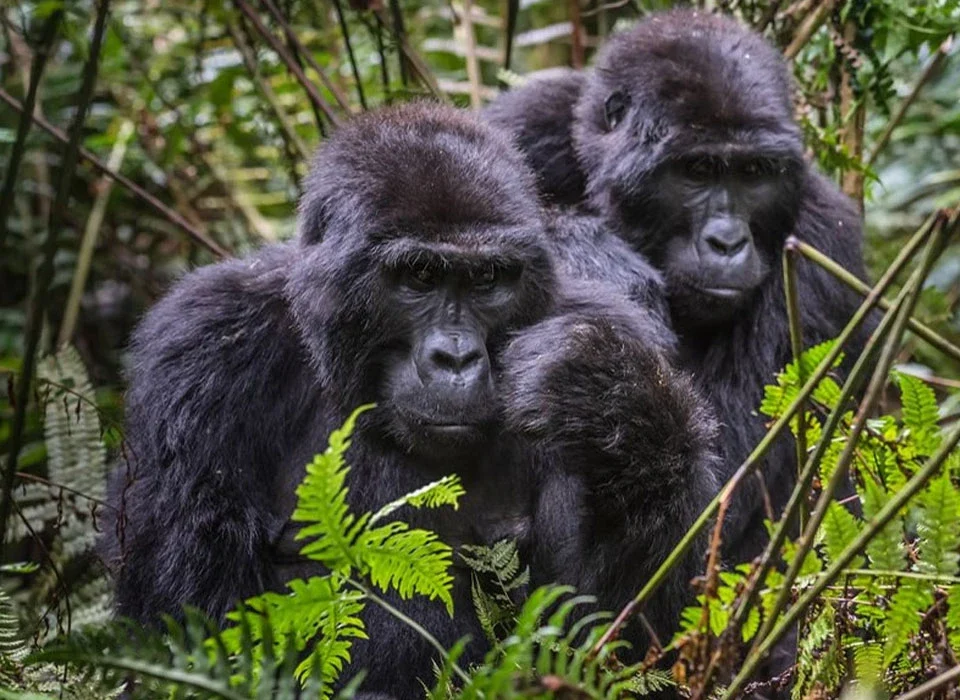
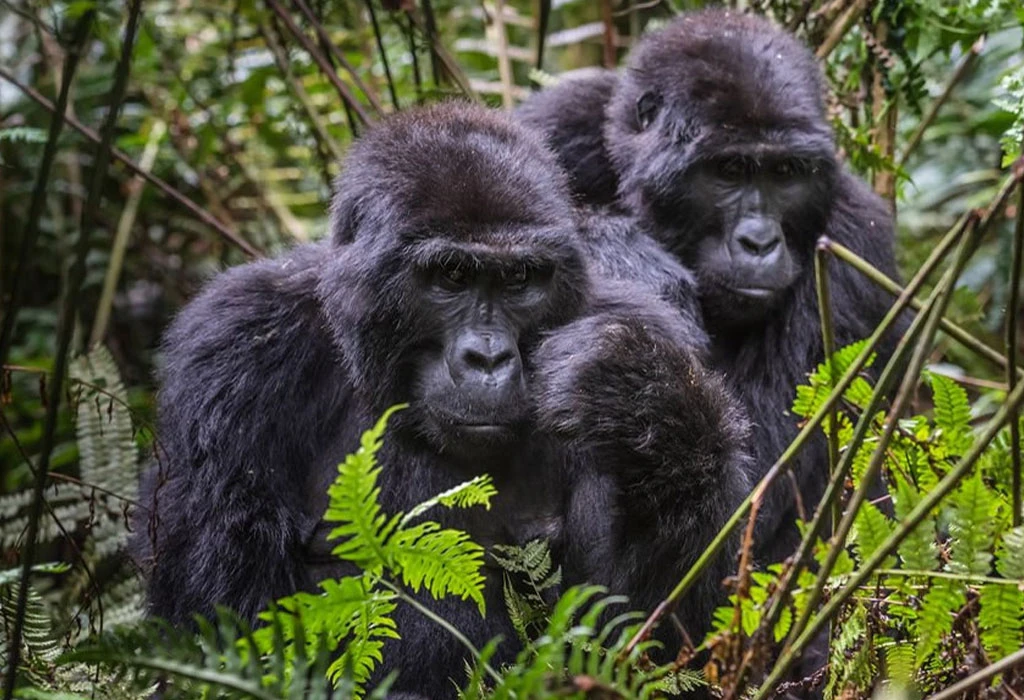
Gorilla trekking takes place in the forested mountains of Uganda, Rwanda and the Democratic Republic of Congo. The experience involves hiking through dense vegetation and sometimes steep, muddy terrain before reaching a habituated gorilla family. Once you find the gorillas, the time spent observing them is strictly regulated to protect both visitors and the animals.
For solo travellers, this adventure combines wildlife, hiking and cultural experiences in a way that can easily become the highlight of an East African safari.
Where Can a Solo Traveler Go Gorilla Trekking?
Mountain gorilla trekking is available in two countries: Uganda and Rwanda, while the Democratic Republic of Congo has historically offered mountain gorilla trekking in Virunga National Park as well as eastern lowland gorilla experiences in Kahuzi-Biega National Park.
Uganda
Uganda offers mountain gorilla trekking in two protected areas:
- Bwindi Impenetrable National Park
- Mgahinga Gorilla National Park
Bwindi is the country’s main gorilla trekking destination and has several trekking sectors, including Buhoma, Ruhija, Rushaga and Nkuringo. This gives solo travellers several options when choosing accommodation and designing a wider Uganda safari.
Mgahinga, meanwhile, forms part of the larger Virunga ecosystem shared by Uganda, Rwanda and the Democratic Republic of Congo.
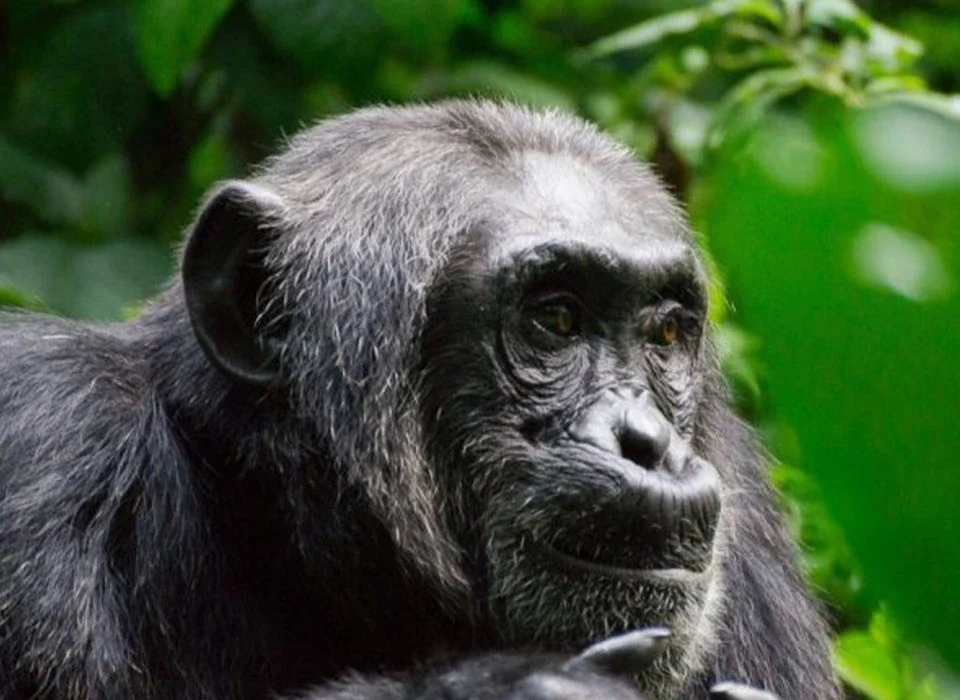
Uganda is particularly interesting for travellers who want to combine gorilla trekking with other experiences such as chimpanzee tracking, wildlife viewing, boat cruises, bird watching or cultural encounters.
Rwanda
In Rwanda, mountain gorilla trekking takes place in Volcanoes National Park, part of the Virunga mountain ecosystem.
The park is relatively accessible from Kigali, making it possible for a solo traveller to arrange a short gorilla safari without spending several days on long road transfers. Rwanda is therefore often considered by travellers who have limited time but still want to include gorilla trekking in an East African itinerary.
Democratic Republic of Congo
The Democratic Republic of Congo has two important destinations for gorilla experiences. Virunga National Park is associated with mountain gorillas, while Kahuzi-Biega National Park is known for eastern lowland gorillas.
Because park access, security conditions and tourism operations can change, solo travellers should confirm the current operating status, permit arrangements, and travel requirements directly with the relevant park authority or a reputable tour operator before making non-refundable bookings.
How Does Gorilla Trekking Work for a Solo Traveler?
Travelling alone does not mean trekking through the forest completely by yourself. After obtaining your permit, you join the official trekking arrangements at the park headquarters.
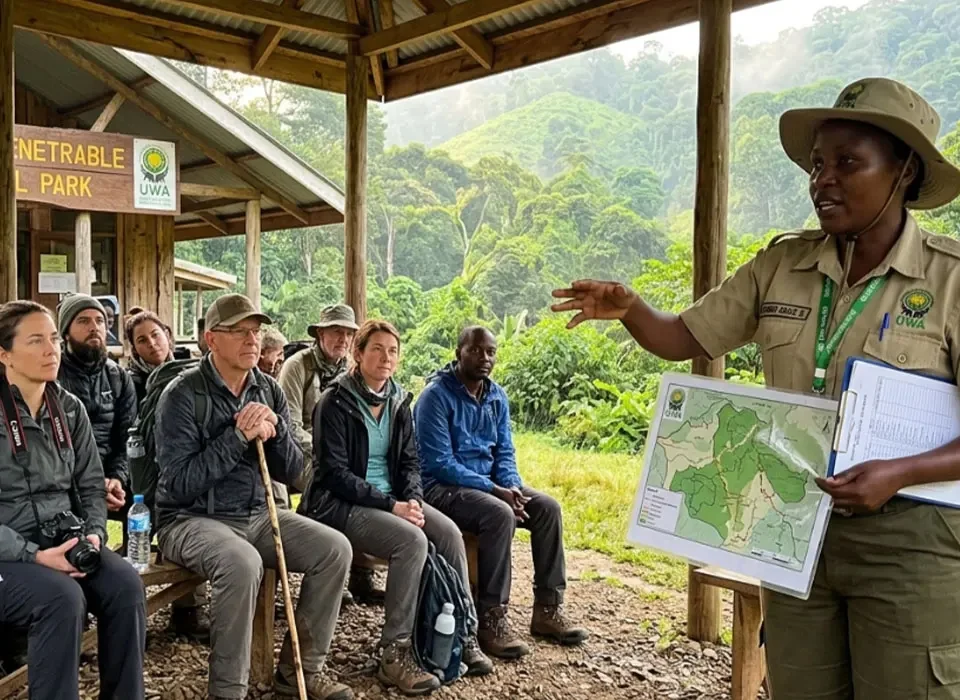
On the morning of your trek, you normally attend a briefing where park staff explain the trekking rules, safety requirements and gorilla-viewing guidelines. Trekkers are then allocated to a gorilla family and accompanied by trained guides and trackers.
The hike may take several hours, depending on the location of the gorilla family. Consequently, solo travellers should prepare for uneven ground, steep slopes, slippery trails and changing weather.
Once you reach the gorillas, you observe them from the permitted distance and follow the instructions of the guides. The standard gorilla trekking encounter lasts up to one hour.
Can a Solo Traveler Spend More Time With Gorillas?
Yes. Uganda offers a gorilla habituation experience in Bwindi Impenetrable National Park. This experience allows visitors to spend significantly longer with a gorilla group that is undergoing habituation.
The habituation experience can provide up to four hours with the gorillas, subject to the applicable rules and permit conditions. It is especially suitable for travellers who want a more extended wildlife experience and are prepared for a longer day in the forest.
Gorilla Permit Costs for Solo Travelers
A solo traveller pays the applicable per-person gorilla permit price. Travelling alone does not mean you need to purchase all the permits for an entire trekking group.
Uganda Gorilla Permit
Uganda’s current standard gorilla trekking permit for a foreign non-resident is US$800 per person, while other categories have different rates. Uganda also offers a gorilla habituation experience at a higher permit price.
Because permit tariffs can change between UWA tariff periods, travellers should confirm the applicable price for their travel date with the Uganda Wildlife Authority (UWA) or Experiya Tour Company before making payment.
The permit covers the regulated gorilla encounter but does not automatically cover every expense associated with a safari.
Rwanda Gorilla Permit
Rwanda’s standard gorilla trekking permit for foreign non-residents is US$1,500 per person. Different rates may apply to foreign residents and citizens of eligible East African countries.
The permit provides access to the regulated gorilla trekking experience in Volcanoes National Park. Accommodation, transportation, meals, flights and other safari services are normally arranged separately.
Gorilla Permits in the Democratic Republic of Congo
Gorilla tourism in the Democratic Republic of Congo is subject to park operations, security conditions and applicable tourism regulations. Permit prices and availability can therefore change.
For this reason, solo travellers should obtain the current price and booking conditions directly from the relevant park authority or through an established operator before confirming their itinerary.
Important: Gorilla permit prices are separate from accommodation, transport, meals, flights, visas, tips and other safari expenses. Always confirm the complete cost of your trip before making payment.
How Far in Advance Should a Solo Traveler Book?
Once you know your preferred trekking date, it is sensible to start planning early. Gorilla permits are limited because only a controlled number of visitors can visit habituated gorilla families each day.
Booking early becomes especially important when travelling during popular periods such as June to September and around the Christmas and New Year holidays.
For a solo traveller, early planning also makes it easier to secure your preferred accommodation and arrange airport transfers, private transport and additional activities.
Experiya Tour Company can coordinate these elements into one itinerary, allowing you to travel alone without having to manage every logistical detail yourself.
Is Gorilla Trekking Suitable for Solo Travelers?
Yes. Gorilla trekking can work very well for people travelling alone. In fact, solo travel allows you to build the safari around your own interests, budget and available time.
However, you should distinguish between travelling solo and trekking without a group or guide. Gorilla trekking is a regulated activity, and visitors follow the arrangements established by the relevant wildlife authority.
A solo traveller can therefore book an individual safari package, stay in private accommodation and travel with a private driver-guide, while joining other permitted trekkers for the actual gorilla encounter when required.
How Difficult Is Gorilla Trekking?
Gorilla trekking is a physical activity, although the difficulty varies considerably from one trek to another.
The forest can be steep and muddy, and trails may become slippery after rain. In some cases, the gorillas may be located relatively close to the starting point. On other days, trekkers may walk for several hours before reaching the assigned family.
Your fitness level, weather conditions, altitude, and the location of the gorillas can all influence the difficulty of the trek.
If you are concerned about the physical demands, tell your tour operator before travelling. Depending on availability and local arrangements, support options such as porters may be available.
What Age Can You Go Gorilla Trekking?
The generally applicable minimum age for gorilla trekking is 15 years.
There is not necessarily a single maximum age that determines whether someone can trek. Instead, older travellers should consider their health, mobility and fitness and discuss their requirements with their tour operator before booking.
Porters can also provide valuable assistance with backpacks and difficult sections of the trail. In Bwindi, additional support arrangements may be available for travellers with limited mobility, subject to local availability and advance planning.
When Is the Best Time for Gorilla Trekking?
Gorilla trekking takes place throughout the year. However, many travellers prefer the relatively drier periods because trails can be easier to navigate.
Commonly preferred periods include:
January and February
These months can offer favourable trekking conditions, although rain can still occur because the gorilla habitat is a rainforest environment.
June to September
This is one of the most popular periods for gorilla trekking in Uganda and Rwanda. Demand can be higher, so early permit and accommodation bookings are advisable.
October to December
The later part of the year can bring more rainfall, but gorilla trekking continues. Rain does not necessarily prevent the activity, and the forest remains attractive for photography and wildlife viewing.
Rather than choosing a date based only on weather, consider your entire safari itinerary, accommodation availability and preferred travel style.
What Should a Solo Traveler Pack for Gorilla Trekking?
Good preparation can make a noticeable difference once you enter the forest. Your daypack should remain light enough to carry comfortably while containing the essentials.
Consider packing:
- Waterproof hiking boots with good grip
- Long trousers and a long-sleeved shirt
- Lightweight rain jacket or poncho
- Gardening gloves for protecting your hands
- Insect repellent
- Reusable water bottle
- Small backpack
- Hat and sunscreen
- Camera and spare batteries
- Binoculars
- Personal medication
- Wet wipes and basic toiletries
- Warm fleece or sweater
- Extra socks
Because conditions can change quickly, waterproofing your electronics and important documents is also a sensible precaution.
Gorilla Trekking Rules to Remember
Gorilla trekking follows strict conservation guidelines. These rules protect the animals while helping visitors enjoy a responsible encounter.
During the trek, you should:
- Follow the instructions of your guide and trackers.
- Maintain the required distance from the gorillas.
- Avoid loud noises and sudden movements.
- Never feed the gorillas.
- Avoid visiting the gorillas when you are unwell.
- Do not leave rubbish in the forest.
- Follow photography instructions from the guides.
- Respect the time limit for the gorilla encounter.
These guidelines are more than formalities. They help reduce stress, disease transmission and unnecessary disturbance to gorilla families.
Can a Solo Traveler Combine Gorilla Trekking With Other Activities?
Absolutely. One advantage of travelling alone is the flexibility to create a safari around your interests.
A Uganda gorilla safari can be combined with chimpanzee tracking in Kibale, wildlife viewing in Queen Elizabeth National Park, a boat cruise along the Kazinga Channel, golden monkey tracking in Mgahinga or cultural experiences around Bwindi.
You can also extend your journey towards Murchison Falls, Kidepo Valley, Lake Mburo or Jinja, depending on your available time.
For travellers entering Uganda through Rwanda, a cross-border itinerary can also connect Kigali with Bwindi, although immigration, transport and border requirements should be planned carefully.
Why Book Your Solo Gorilla Safari With Experiya Tour Company?
Planning a gorilla safari involves more than securing a permit. You also need to coordinate accommodation, transport, park entry, meals, guiding services and the timing of other activities.
Experiya Tour Company can help solo travellers organize these arrangements into a practical itinerary based on their travel dates, budget, and preferred accommodation level.
Whether you want a short gorilla trekking trip or a longer Uganda safari, the itinerary can be designed around your available time. You can also discuss options for airport transfers, private transportation, chimpanzee trekking, wildlife viewing and cultural experiences.
Most importantly, booking with an experienced local operator can simplify the logistics while allowing you to enjoy the freedom of travelling independently.
Frequently Asked Questions About Gorilla Trekking for a Solo Traveler
Can I go gorilla trekking alone?
Yes. You can travel to Uganda or Rwanda as a solo traveller and arrange your own gorilla safari. However, the actual trek follows the official park procedures, including guides, trackers, and assigned gorilla families.
Is gorilla trekking safe for solo travelers?
Gorilla trekking is a regulated tourism activity supported by trained park staff, guides and trackers. Nevertheless, you should follow the instructions provided by the authorities and your safari team throughout the trek.
Do solo travelers need to pay for a private gorilla group?
No. Your gorilla permit is generally charged per person. Travelling alone does not mean you must purchase every permit in a trekking group.
How long does gorilla trekking take?
The duration varies because the gorillas move through their natural habitat. The trek can take several hours, while the standard gorilla viewing period is limited to one hour.
Can I take photographs during gorilla trekking?
Yes, photography is generally permitted, but visitors must follow the instructions of their guides and the applicable gorilla-viewing rules.
Is Uganda or Rwanda better for a solo gorilla trip?
Both countries offer mountain gorilla trekking, but they provide different travel experiences. Uganda offers Bwindi and Mgahinga, together with opportunities to combine gorilla trekking with a broader Uganda safari. Rwanda’s Volcanoes National Park is relatively accessible from Kigali. Your choice can therefore depend on your itinerary, budget, transport preferences and the wider experiences you want to include.
Plan Your Gorilla Trekking Adventure With Experiya Tour Company
Travelling alone does not mean you have to plan every part of your gorilla safari without assistance. With the right preparation, you can enjoy the freedom of solo travel while relying on experienced local professionals for permits, transport, accommodation and itinerary planning.
If gorilla trekking has been on your travel list for years, start by choosing your destination, preferred trekking date and safari duration. Experiya Tour Company can then help you build a practical Uganda, Rwanda, or regional gorilla itinerary around your plans.
Your journey into the forest may be challenging, but standing among mountain gorillas in their natural habitat offers a rare wildlife experience that stays with you long after you leave the forest.