
What Is the Best Kenya Safari for Solo Travelers?
September 17, 2026
What Is the Largest Natural Forest in Rwanda?
September 17, 2026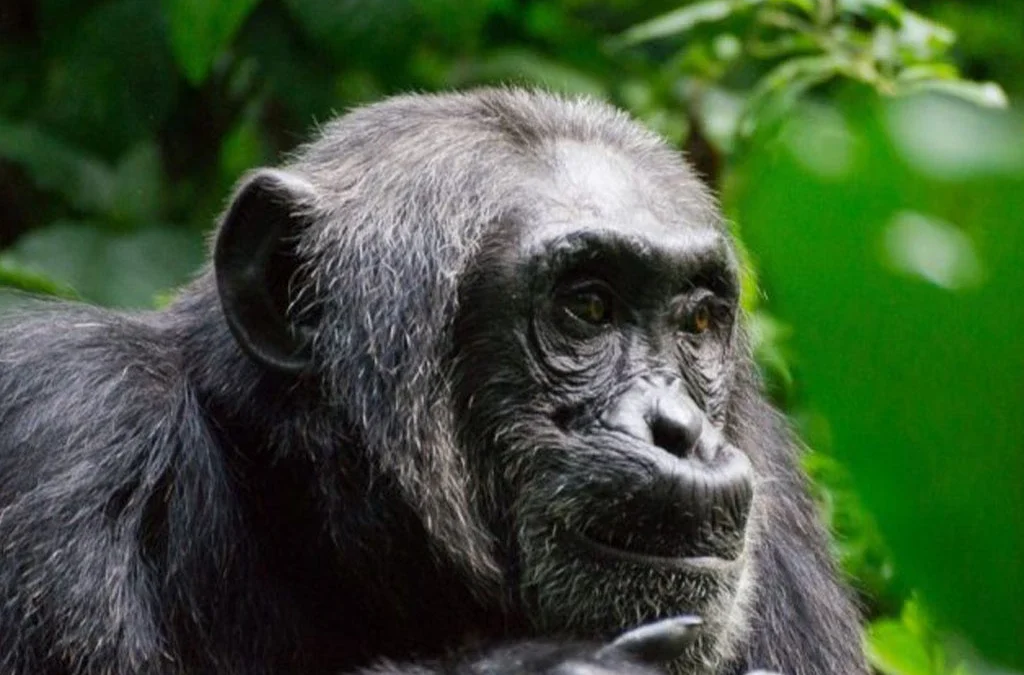
Chimpanzee tracking safaris in Kibale National Park offer one of the most exciting primate experiences in Uganda. Located in western Uganda near Fort Portal, Kibale is famous for its lush tropical forest, remarkable primate diversity, colorful birdlife, and thriving chimpanzee population. For travelers interested in wildlife and rainforest adventures, a visit to Kibale provides an opportunity to explore one of Africa’s most important primate habitats.
Kibale National Park covers approximately 766 square kilometers and protects a remarkable combination of forest habitats. The park forms part of a wider conservation landscape stretching toward Queen Elizabeth National Park, creating an important corridor for wildlife. Its forests also surround the scenic crater lakes around Fort Portal, adding beautiful landscapes to the safari experience.
Chimpanzee Tracking in Kibale National Park
Chimpanzee tracking is the main attraction for many visitors to Kibale National Park. The park supports one of Uganda’s largest chimpanzee populations, making it an excellent destination for travelers who want to observe these intelligent primates in their natural environment.
The experience usually begins at the Kanyanchu Visitor Centre with a briefing from Uganda Wildlife Authority guides and rangers. During the briefing, visitors learn about forest safety, responsible wildlife viewing, and the rules that help protect both tourists and chimpanzees.
Afterward, you enter the forest with experienced guides and begin searching for habituated chimpanzee communities. The walk can take you through different sections of the rainforest as the guides follow signs such as vocalizations, nests, feeding remains, and other evidence of chimpanzee activity.
Once you locate the chimpanzees, you can watch them as they move through the forest canopy or feed, groom, communicate, and care for their young. Their energetic behavior and complex social interactions make every encounter different.
Chimpanzee tracking is not only about finding the animals. Along the way, you also experience the sights and sounds of the rainforest. You may encounter other primates, birds, butterflies, and forest mammals, while your guide explains the ecological importance of the forest.
Primates Found in Kibale Forest
Kibale is often described as one of Africa’s outstanding primate destinations because of the variety of species found within its forests.
Besides chimpanzees, visitors may encounter red-tailed monkeys, black-and-white colobus monkeys, blue monkeys, L’Hoest’s monkeys, olive baboons, grey-cheeked mangabeys, vervet monkeys, red colobus monkeys, and Uganda mangabeys. Other forest-dwelling primates, including pottos and galagos, can also be encountered, particularly during specialized walks.
Because different species occupy different parts of the forest and are active at different times, every walk offers something new. In addition, experienced guides help visitors identify calls, movements, feeding signs, and other clues that are easy to miss when exploring the forest alone.
Wildlife and Biodiversity in Kibale National Park
Although chimpanzees are the major attraction, Kibale protects a much wider range of wildlife. Forest elephants occasionally move through the park, while other mammals include buffaloes, bushbucks, giant forest hogs, bush pigs, and several species of duikers.
The dense vegetation also provides habitat for numerous smaller mammals and reptiles. However, sightings of some forest animals can be unpredictable because thick vegetation gives them plenty of cover.
Birdwatchers, meanwhile, can combine chimpanzee tracking with birding. Kibale supports hundreds of bird species, including several forest specialists. Depending on the season and location, visitors may see species such as the African pitta, green-breasted pitta, great blue turaco, African emerald cuckoo, African grey parrot, African green pigeon, and various forest barbets and flycatchers.
Consequently, Kibale works particularly well for travelers who want to combine primate encounters with birdwatching and rainforest exploration.
Kibale Chimpanzee Habituation Experience
For travelers who want to spend more time observing chimpanzees, Kibale also offers a chimpanzee habituation experience. Unlike the standard tracking activity, habituation focuses on following chimpanzees that researchers and conservation teams are gradually introducing to the presence of humans.
The extended experience provides more time to observe chimpanzee behavior and understand their daily routines. Visitors may watch the animals as they feed, communicate, climb trees, groom one another, and move through the forest.
Because the activity takes longer than ordinary chimpanzee tracking, it suits travelers who have a particular interest in primatology, photography, conservation, or wildlife research. Availability, regulations, and permit prices can change, so travelers should confirm the current requirements before booking.
Birdwatching in Kibale National Park
Kibale is also an excellent destination for birdwatching. The combination of mature forest, wetlands, grassland, and other habitats supports a rich bird population.
A guided birding walk can reveal species that visitors might overlook during a regular chimpanzee trek. Patient birdwatchers can look for forest species such as the green-breasted pitta, Nahan’s francolin, blue-headed bee-eater, Cassin’s spinetail, African pitta, great blue turaco, Ruwenzori apalis, and African grey parrot.
Birding is particularly rewarding when combined with a knowledgeable local guide. Guides can recognize bird calls and help visitors locate species hidden within the thick vegetation.
Primate Tracking in Kibale
Chimpanzee tracking is not the only way to explore Kibale’s primate diversity. Visitors can also take part in primate-focused forest walks that provide opportunities to search for several monkey species.
During these walks, you may encounter black-and-white colobus monkeys, red-tailed monkeys, blue monkeys, L’Hoest’s monkeys, grey-cheeked mangabeys, and other primates. In addition, guides explain how the different species interact with the forest ecosystem.
These walks provide a good alternative for visitors who want to explore Kibale’s wider primate population rather than focusing exclusively on chimpanzees.
Guided Nature Walks and Forest Hikes
Kibale’s forest trails also provide opportunities for guided nature walks. These walks allow visitors to slow down and appreciate the smaller details of the rainforest, including trees, fungi, butterflies, insects, birds, and plants.
The forest contains numerous tree species, including mahoganies, figs, and other indigenous trees. Some trees provide important food and shelter for primates and birds, while others contribute to the structure of the rainforest canopy.
As you walk beneath the trees, your guide can explain the relationships between the plants and animals that make Kibale such an important ecosystem.
The Best Time for Chimpanzee Tracking in Kibale
You can track chimpanzees in Kibale throughout the year. However, many travelers prefer the relatively drier periods from December to February and June to September because forest trails are generally easier to navigate.
Nevertheless, Kibale remains a rainforest environment, so rain can occur at any time of year. The wetter months can make some trails muddy and slippery, but they also bring lush vegetation and favorable conditions for many forest species.
Therefore, rather than relying only on the season, travelers should choose their dates according to their overall itinerary, interests, and tolerance for changing weather conditions.
What to Expect on a Kibale Chimpanzee Safari
A chimpanzee safari in Kibale combines physical activity, wildlife observation, and rainforest exploration. The walking distance and duration can vary because chimpanzees move freely through their natural habitat.
You should therefore wear comfortable hiking shoes and lightweight clothing suitable for humid forest conditions. Long trousers, a waterproof jacket, insect repellent, and drinking water are also useful. Hiring a porter can provide additional assistance, especially for travelers who find forest trails challenging.
Most importantly, follow the instructions of your guide and maintain the required distance from wildlife. Responsible tourism helps reduce stress on the animals while supporting long-term conservation.
Planning Your Kibale Chimpanzee Tracking Safari
Kibale can easily be incorporated into a wider western Uganda safari. Travelers often combine chimpanzee tracking with visits to Queen Elizabeth National Park, particularly for wildlife viewing and a boat cruise along the Kazinga Channel. Fort Portal and the surrounding crater lakes also provide opportunities to extend the journey with cultural, scenic, and nature experiences.
For a more comprehensive primate adventure, Kibale can also form part of an itinerary that includes gorilla trekking in Bwindi Impenetrable National Park or Mgahinga Gorilla National Park.
If you are planning a chimpanzee tracking safari in Kibale National Park, Experiya Tour Company can help organize the permits, transport, accommodation, guiding, and other activities according to your travel schedule and interests.
With its remarkable chimpanzees, diverse primates, rich birdlife, and beautiful rainforest, Kibale offers an immersive way to discover Uganda’s extraordinary natural heritage.