Where to See the Wildebeest Migration
September 16, 2026
Chimpanzee Tracking Safaris in Kibale National Park
September 17, 2026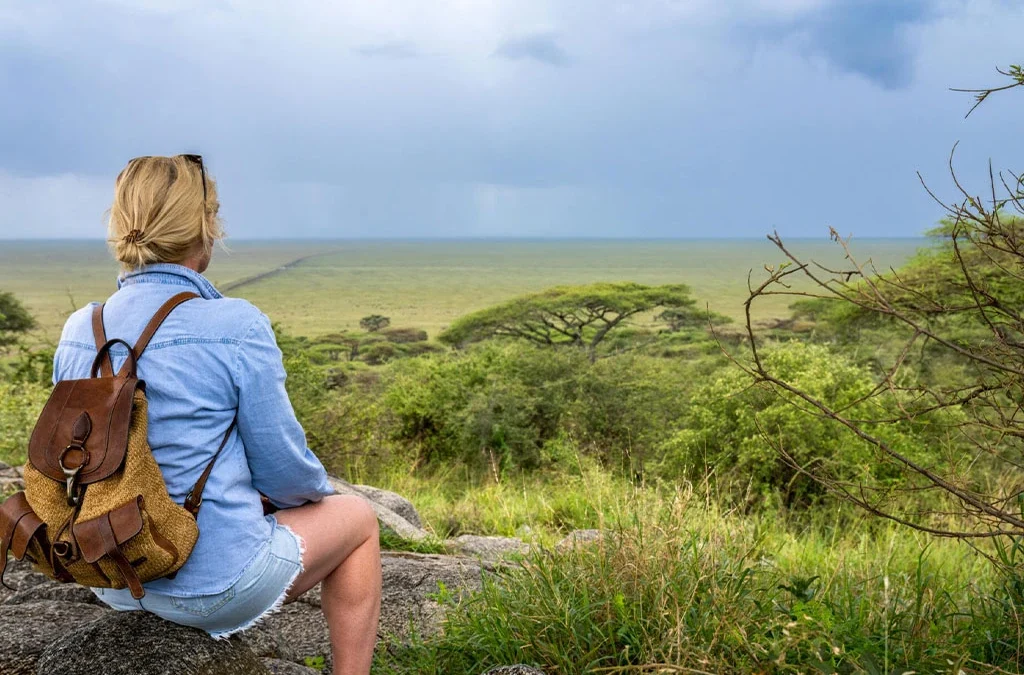
Traveling alone in Kenya gives you the freedom to experience the country at your own pace. You can spend more time watching a pride of lions, pause for the perfect photograph, enjoy a quiet evening at your camp, or take time to interact with local communities. Unlike group holidays where everyone follows the same schedule, solo travel allows you to shape your safari around your personal interests.
However, choosing the right destination becomes especially important when you travel alone. The best safari for a family or large group may not necessarily provide the same comfort, flexibility, or social opportunities for an individual traveler.
For many first-time solo travelers, the Maasai Mara National Reserve and its surrounding conservancies provide an excellent all-round safari experience. The region combines abundant wildlife, beautiful savannah scenery, diverse accommodation, and a variety of safari activities. It also forms part of the greater Serengeti-Mara ecosystem, which supports one of Africa’s most famous wildlife spectacles.
Nevertheless, there is no single safari that suits every solo traveler. Your ideal destination depends on what you want to see and experience. Some travelers dream of seeing lions and leopards, while others prefer elephants, rhinos, birds, photography, dramatic landscapes, or quieter wilderness areas. Kenya offers all these possibilities.
The key is to match your destination, travel season, accommodation, safari style, and budget with your personal interests.
Why the Maasai Mara Works So Well for Solo Travelers
The Maasai Mara stands out because it brings together many of the ingredients that make a safari enjoyable. The reserve covers approximately 1,500 square kilometres and supports a remarkable variety of wildlife, including elephants, lions, leopards, buffaloes, cheetahs, giraffes, zebras, and numerous antelope species.
For a solo traveler, this diversity means you can enjoy different experiences without constantly changing destinations. You can begin your morning with an early game drive, return to your camp for breakfast and relaxation, and head out again later in the afternoon.
Furthermore, the wider Mara ecosystem provides opportunities for experiences beyond traditional game drives. Depending on the conservancy and accommodation you choose, you may enjoy guided walks, cultural encounters, photography experiences, or a hot-air balloon flight over the savannah.
Another advantage comes from the variety of accommodation available. Solo travelers can choose from budget-friendly camps, comfortable mid-range properties, and luxury tented camps. This flexibility makes it easier to build a safari around your available budget.
The Mara also suits travelers who enjoy meeting new people. Joining a shared safari vehicle allows you to split some costs with other visitors while creating opportunities to make new friends. On the other hand, private safaris remain available if you prefer greater control over your schedule.
Small-Group Safaris Offer Companionship and Value
Traveling alone does not mean you have to spend your entire safari alone. In fact, a small-group safari can provide an excellent balance between independence and companionship.
When several travelers share a vehicle, they divide costs such as transportation, fuel, and guide services. As a result, solo travelers can often access a professionally guided safari without carrying the full cost of a private vehicle.
The social experience can be equally valuable. You may meet travelers from different countries, share meals, exchange travel stories, and discover new destinations through conversations with your fellow guests.
However, it is important to understand exactly what “group safari” means before booking. Some operators place many passengers in one vehicle, while others deliberately keep groups small. A smaller group generally provides more personal space and makes it easier for everyone to enjoy wildlife sightings.
Therefore, ask the safari operator about the maximum number of passengers, vehicle type, seating arrangement, and daily schedule before confirming your trip.
A private safari, meanwhile, may suit you better if photography is your main interest or if you want complete control over your itinerary. You can spend additional time at an interesting wildlife sighting without having to accommodate the preferences of several other passengers.
When Is the Best Time for a Solo Kenya Safari?
The best time to visit Kenya depends largely on your interests. Rather than looking for one perfect month, consider what you want your safari to achieve.
Between approximately July and October, the Maasai Mara receives major attention because of the annual Great Migration. Large herds of wildebeest, accompanied by zebras and other grazing animals, move through the wider Serengeti-Mara ecosystem. Predators follow the herds, creating dramatic wildlife encounters.
The Mara River crossings are among the most famous scenes associated with the migration. However, nature does not follow a fixed calendar. River crossings depend on rainfall, animal movements, water levels, and other environmental conditions. Consequently, no responsible safari company should guarantee that you will witness a crossing on a specific day.
For solo travelers, the migration season can create exceptional viewing opportunities, although demand for accommodation and safari services also increases. If your travel dates are fixed, booking well in advance is therefore advisable.
Outside the busiest migration period, Kenya can offer a quieter safari atmosphere. Travelers who prefer fewer crowds, more relaxed game drives, and greater accommodation flexibility may find other times of the year more suitable.
Ultimately, your ideal travel season should reflect your priorities, whether those involve migration photography, general wildlife viewing, birdwatching, scenery, or budget management.
Choosing the Right Accommodation for a Solo Safari
Your accommodation can significantly influence your safari experience. However, the most expensive lodge is not automatically the best option for every solo traveler.
Instead, look for accommodation that provides comfortable rooms, dependable service, good meals, secure surroundings, and convenient access to the wildlife areas you want to explore.
Tented camps remain popular because they combine comfort with a closer connection to the natural environment. Many camps also provide communal dining spaces where guests naturally meet, making them particularly appealing to people traveling alone.
Luxury lodges and premium camps offer additional comfort and personalized service. These properties can be suitable when you want refined dining, private accommodation, and carefully arranged activities.
Mid-range camps, meanwhile, can provide a practical compromise between comfort and cost. By choosing them, you may have more money available for additional game drives or other safari experiences.
Location deserves just as much attention as accommodation quality. A cheaper property located far from your preferred wildlife-viewing areas could result in several hours of unnecessary driving each day. Before booking, check the property’s location, transfer arrangements, meal plan, safari activities, and distance from the reserve or conservancy.
Also, let your accommodation provider know that you are traveling alone. This allows the team to prepare transfers, meals, activities, and other arrangements around your needs.
Is Kenya Safe for Solo Safari Travelers?
Kenya can provide a rewarding experience for solo travelers, but good preparation remains important. A safari differs from an ordinary city holiday because you spend time in remote areas where wildlife, weather, road conditions, and limited services can affect your plans.
One of the most important decisions involves choosing a reputable safari operator. Professional guides understand wildlife behavior, park regulations, local roads, and emergency procedures. They also help visitors maintain safe distances from animals and follow conservation rules.
During game drives, always follow your guide’s instructions. Never leave the safari vehicle simply because an animal appears calm or distant. Wild animals remain unpredictable, and maintaining an appropriate distance protects both visitors and wildlife.
Solo travelers should also take normal precautions when visiting cities such as Nairobi. Keep valuables secure, use reliable transportation, avoid isolated areas, and remain aware of your surroundings.
Before traveling, check current official travel advisories and health requirements for Kenya. You should also share your itinerary and important contact details with someone you trust at home.
Good preparation does not have to make a safari stressful. Instead, it allows you to enjoy the journey with greater confidence while professionals handle much of the wilderness logistics.
How Much Does a Solo Kenya Safari Cost?
The cost of a Kenya safari varies considerably. Several factors influence the final price, including the duration of the trip, accommodation category, season, transportation, park or reserve fees, and whether you join a group or travel privately.
Solo travelers sometimes face higher per-person costs because certain safari expenses remain relatively fixed. For example, a private vehicle, guide, fuel, or some transfers may cost almost the same whether one person or several people use the service.
For this reason, a small-group safari can offer good value for independent travelers. Sharing the vehicle and guide expenses can significantly reduce the individual cost.
When comparing safari packages, look beyond the advertised daily rate. Check whether the quotation includes accommodation, meals, transportation, park fees, game drives, airport transfers, and other activities.
A package that initially appears cheaper may become more expensive after you add excluded services.
You should also consider the value of your time. Paying slightly more for accommodation closer to the wildlife-viewing area may reduce long road journeys and give you more time for game drives.
Remember to budget separately for travel insurance, international flights, entry requirements, tips, personal purchases, health preparations, and emergency expenses.
Other Kenya Safari Destinations for Solo Travelers
Although the Maasai Mara appeals to many first-time visitors, Kenya offers several other destinations that can suit solo travelers.
Amboseli National Park
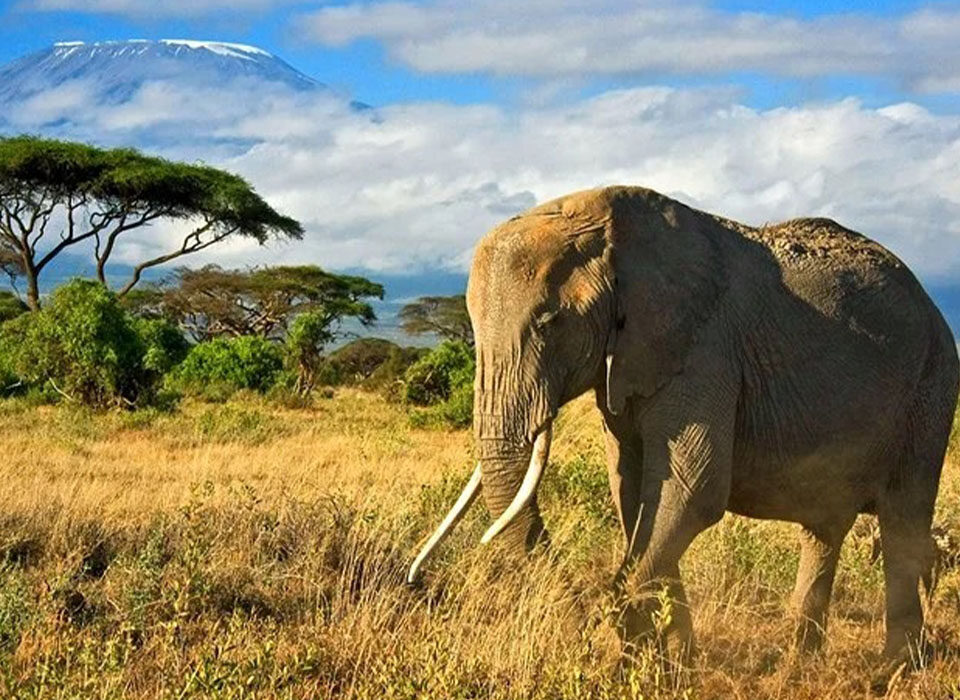
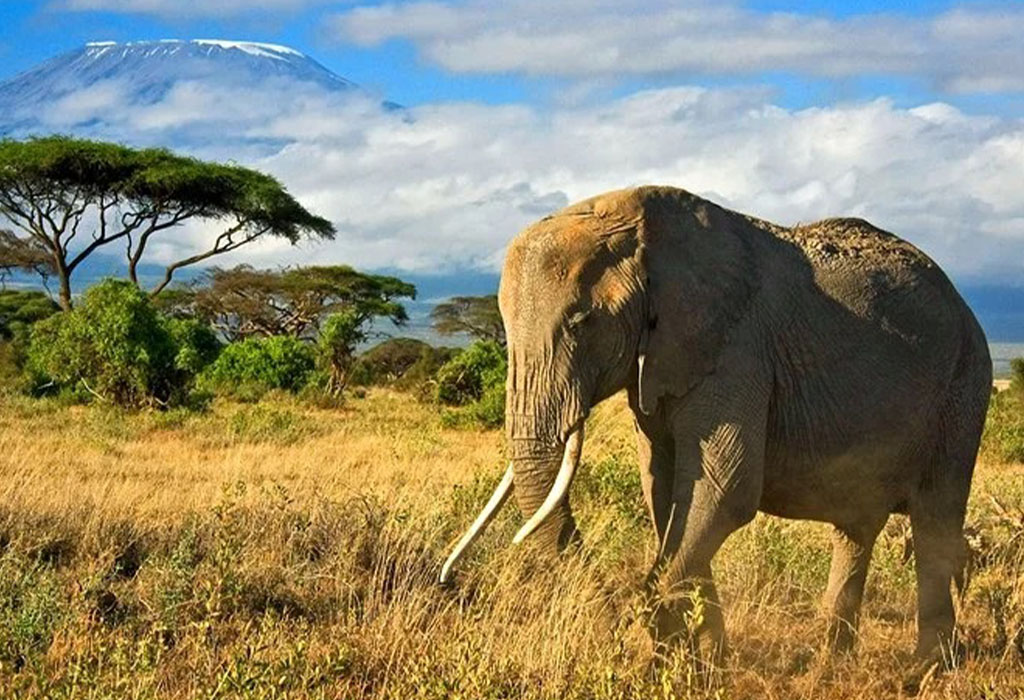
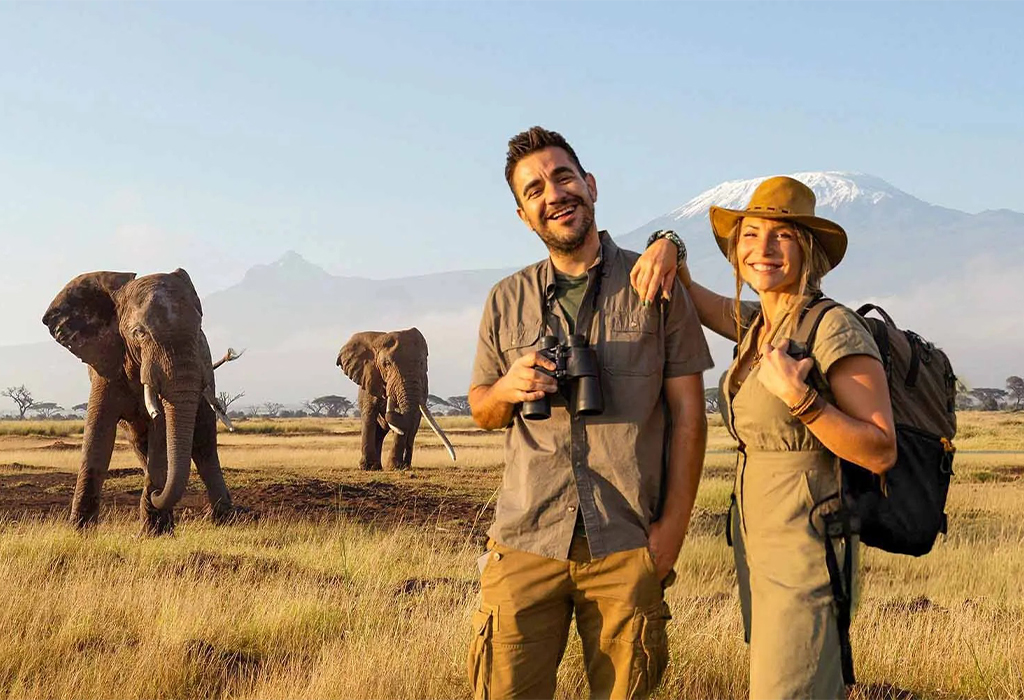
Amboseli is particularly attractive to travelers who love elephants and dramatic scenery. The park is famous for its large elephant herds and views toward Mount Kilimanjaro.
Open plains also provide excellent opportunities for photography, while cultural experiences can introduce visitors to local Maasai traditions.
Lake Nakuru National Park
Lake Nakuru is a useful choice for travelers interested in rhinos, birds, and scenic landscapes. The park supports both black and white rhinos and provides habitats for numerous bird species.
Its relatively compact size also makes it practical for travelers who want wildlife experiences without spending several days moving between distant locations.
Tsavo East National Park
Tsavo East appeals to travelers who want expansive landscapes and a stronger sense of wilderness. Its semi-arid scenery, wildlife, Galana River, and Yatta Plateau create a very different experience from the Mara.
The park’s enormous size also makes it suitable for travelers who enjoy exploring less-developed wilderness environments.
Tsavo West National Park
Tsavo West offers another distinctive landscape, combining volcanic formations, wildlife habitats, springs, and dramatic scenery.
Travelers can explore the park through game drives and, where available and permitted, guided activities and specialized wildlife experiences.
Nairobi National Park
For travelers with limited time, Nairobi National Park provides a convenient introduction to Kenya’s wildlife. Its location close to the capital makes it practical for visitors who have only a day or two available before or after an international flight.
The park also offers the unusual experience of seeing wildlife with Nairobi’s skyline visible in the distance.
These destinations highlight an important point: the right Kenya safari depends on your interests rather than simply choosing the country’s most famous park.
A Practical Kenya Safari Itinerary for a Solo Traveler
For a first solo safari, keeping the itinerary simple can make the journey more enjoyable. Visiting too many destinations in a short period can leave you spending more time on the road than in the wilderness.
A well-balanced itinerary could begin in Nairobi before continuing toward Lake Nakuru and then the Maasai Mara.
You might spend a short period exploring Nairobi, followed by a wildlife experience in Nairobi National Park if time permits. From there, continue toward Lake Nakuru for rhino viewing, birdwatching, and scenic game drives.
Afterward, travel to the Maasai Mara and spend several nights there. Staying longer in one destination gives you more opportunities to experience different habitats, wildlife behavior, and changing light conditions.
Travelers with more time can add Amboseli for elephants and Mount Kilimanjaro views or Tsavo for expansive wilderness.
For a five-day safari, however, avoid trying to cover too many destinations. Fewer hotel changes usually create a more relaxed journey.
If you have seven to ten days, you have greater flexibility and can comfortably combine the Maasai Mara with another major destination.
It is also useful to include some downtime. Safari drives often begin early, and several consecutive days on rough roads can become tiring. A slower afternoon at camp can be just as valuable as another long drive.
How to Choose a Kenya Safari Operator
The safari company you choose can have a major influence on your overall experience. A reliable operator should provide clear communication, experienced guides, suitable vehicles, realistic itineraries, and transparent pricing.
Before making a booking, ask exactly what the package includes. Check accommodation, meals, transportation, park fees, game drives, airport transfers, and additional activities.
The guide deserves particular attention. A good guide does more than drive the vehicle. They interpret animal behavior, recognize tracks, understand the landscape, explain local culture, and help guests follow responsible wildlife-viewing practices.
If photography is important to you, ask whether the guide has experience supporting photographers. Patience can make a significant difference when you are waiting for the right wildlife moment.
You should also pay attention to how the company communicates before your trip. A professional operator should explain what you can reasonably expect instead of making promises that depend on unpredictable wildlife behavior.
For example, no operator can control where a leopard appears, when a herd crosses a river, or how weather will affect road conditions.
Experiya Tour Company can help solo travelers build Kenya safari experiences around their interests, preferred accommodation, available time, and budget while keeping the itinerary practical and well organized.
How to Make Your Solo Safari More Enjoyable
One of the best ways to enjoy a solo safari is to remain curious. Do not focus exclusively on ticking famous animals off a checklist.
A lion sighting may be exciting, but watching how a pride interacts, studying animal tracks, identifying birds, or observing changing landscapes can make the experience even richer.
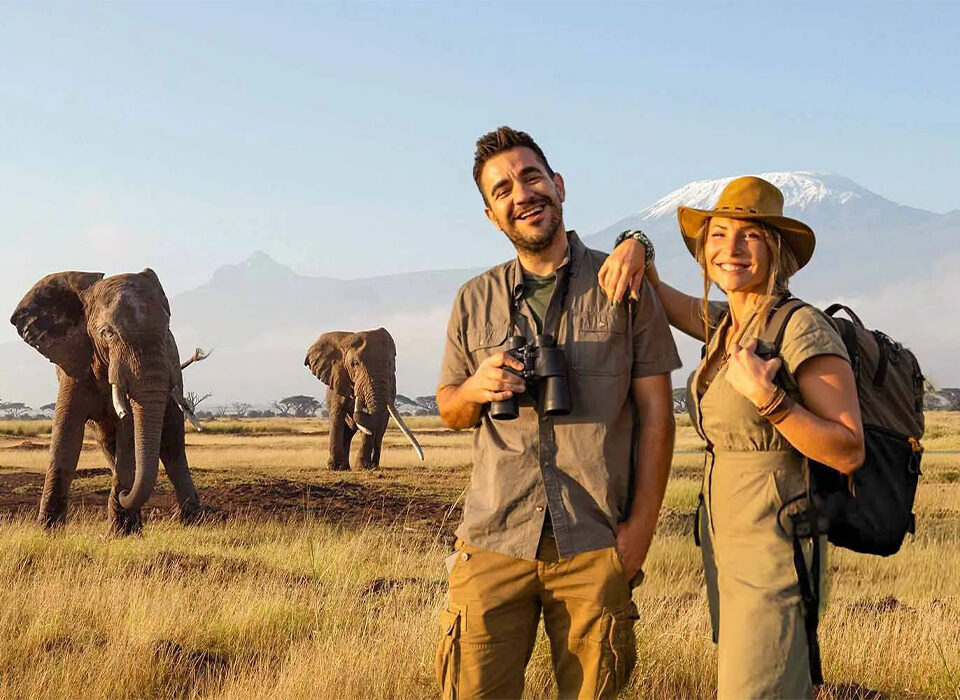
Carry binoculars even if photography is your main hobby. They allow you to observe details from a safe distance without constantly looking through a camera lens.
Photographers should carry enough batteries and memory cards and protect their equipment from dust and changing weather conditions. At the same time, avoid carrying equipment that becomes difficult to manage when you are traveling alone.
Dress in comfortable layers because early mornings can be cool while temperatures rise later in the day. A hat, sunscreen, insect repellent, comfortable shoes, and drinking water can make long game drives easier.
Most importantly, remain flexible. You may begin your safari hoping to see big cats and discover that you become fascinated by birds. You may plan to spend the afternoon on another game drive and instead decide to relax at camp.
That freedom is one of the greatest advantages of traveling alone.
Responsible Tourism on a Solo Kenya Safari
Responsible travel becomes particularly meaningful when you are making your own tourism choices.
During wildlife encounters, avoid encouraging your guide to chase animals, block their movement, or create stressful situations simply for photographs. Respect park regulations and maintain safe viewing distances.
Your behavior also affects local communities. When you participate in cultural experiences, choose activities that treat local people and traditions with dignity. Meaningful tourism should create opportunities for communities rather than turning their culture into a performance for visitors.
Reducing waste is another simple way to travel responsibly. Carry a reusable water bottle, avoid unnecessary single-use packaging, and follow the waste-management rules provided by your accommodation and protected areas.
You can also support conservation by choosing accommodation and safari companies that demonstrate responsible environmental and community practices.
Kenya’s wildlife destinations depend on cooperation between conservation authorities, communities, tourism businesses, and visitors. Every traveler therefore has a role to play in helping protect the landscapes and wildlife that attract people from around the world.
Final Thoughts on the Best Kenya Safari for Solo Travelers
The Maasai Mara is an excellent starting point for many solo travelers because it combines diverse wildlife, beautiful landscapes, varied accommodation, flexible safari options, and access to the wider Serengeti-Mara ecosystem.
However, your personal interests should ultimately determine where you go.
Choose Amboseli if elephants and mountain scenery are your main interests. Lake Nakuru can suit travelers looking for rhinos, birds, and scenic landscapes, while Tsavo provides opportunities to explore some of Kenya’s larger wilderness areas. Nairobi National Park works particularly well when your schedule allows only a short wildlife experience.
For many solo travelers, a small-group safari offers a practical balance between companionship, professional guidance, and cost sharing. A private safari may be more suitable when you prioritize privacy, photography, or a completely customized schedule.
Above all, choose a safari operator that communicates clearly, understands the destinations, provides experienced guides, follows wildlife regulations, and builds realistic itineraries.
With thoughtful planning, solo travel in Kenya can become a deeply personal journey. You have the freedom to choose your pace, follow your interests, meet people along the way, and experience Kenya’s remarkable wildlife and landscapes on your own terms.
Experiya Tour Company can organize a Kenya safari tailored to your interests, schedule, accommodation preferences, and budget, helping you experience the country’s wildlife destinations with professional guidance and responsible travel practices.