
Wildlife Sightings on a Horseback Safari in Lake Mburo National Park
August 28, 2026
Kazinga Channel Boat Cruise: A Top Uganda Safari Experience
August 31, 2026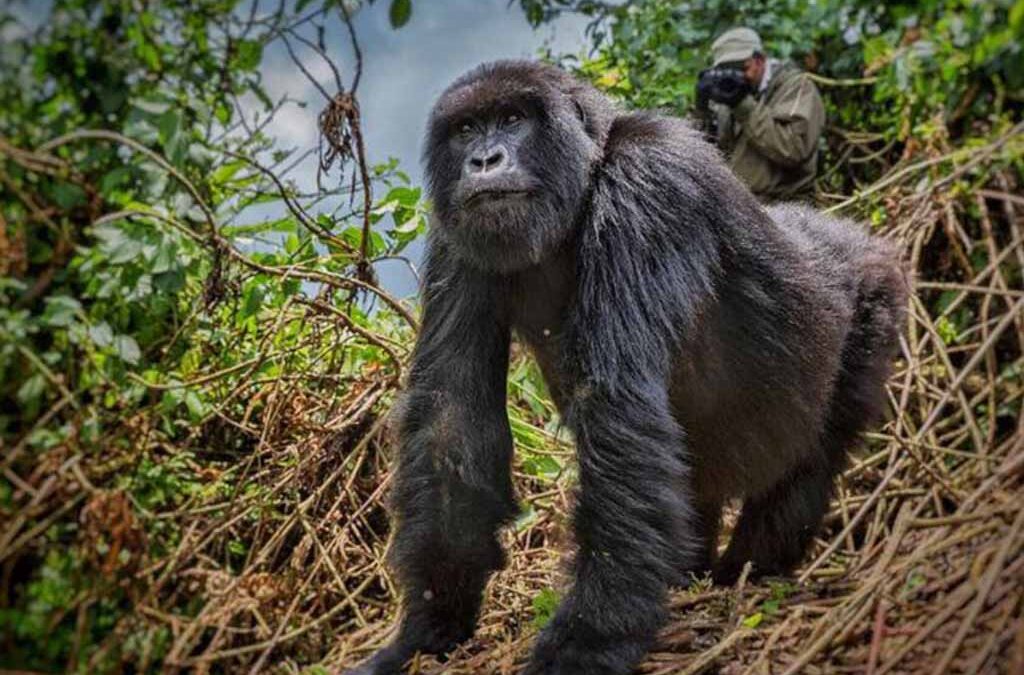
Gorilla trekking is one of Uganda’s most extraordinary wildlife experiences. Walking through a lush rainforest and finally encountering a family of mountain gorillas can be deeply moving. However, this experience comes with an important responsibility: visitors must respect the animals, their habitat, the guides, and the communities that protect them.
Unlike a conventional game drive, gorilla trekking involves entering the natural environment of highly endangered primates. Your behaviour can therefore influence their comfort, health, and natural routines. For that reason, every traveller should understand the basic gorilla trekking etiquette before entering the forest.
Uganda offers remarkable opportunities to combine gorilla trekking with broader Uganda safaris. From Bwindi Impenetrable National Park and Mgahinga Gorilla National Park to savannah parks, lakes, wetlands, and cultural attractions, the country provides a diverse travel experience.
At Experiya Tour Company, we encourage travellers to explore Uganda responsibly. Understanding and following gorilla trekking rules not only creates a safer encounter but also contributes to long-term conservation.
Why Gorilla Trekking Etiquette Matters
Mountain gorillas have made significant progress in conservation, but they remain vulnerable to several threats, including habitat pressure and human-borne diseases. Because gorillas share many biological similarities with humans, certain illnesses can easily affect them.
Consequently, responsible tourism plays an important role in protecting these remarkable animals. Visitors who follow established guidelines help reduce unnecessary stress and minimise the risk of disease transmission.
Good etiquette also protects the rainforest itself. Bwindi’s dense vegetation supports gorillas, birds, insects, trees, and numerous other species. Visitors should therefore treat the forest as a protected ecosystem rather than simply a backdrop for photographs.
Listen Carefully to Your Ranger
Every gorilla trek is led by trained guides and park rangers who understand the forest and the behaviour of gorilla families. Their instructions are essential throughout the trek.
Before entering the forest, visitors receive a briefing explaining important safety, health, and conservation guidelines. Pay close attention because these instructions prepare you for situations that may arise during the encounter.
Once you find the gorilla family, remain with your group and follow the ranger’s directions. Never move closer to the animals without permission, wander away from the group, or attempt to approach a gorilla independently.
Gorillas can move unexpectedly. A curious individual may walk towards visitors, cross the trail, or come surprisingly close. If this happens, remain calm and allow the ranger to guide you. Do not panic, run, shout, or make sudden movements.
Keep a Safe Distance
Maintaining an appropriate distance is one of the most important gorilla trekking rules. It gives gorillas enough space to move naturally and reduces unnecessary contact between humans and wildlife.
You should never move closer simply because you want a better photograph. Instead, allow the gorillas to determine how close they wish to come. If an animal approaches you, stay calm and follow the ranger’s instructions.
Similarly, never attempt to touch, feed, or interact physically with a gorilla. Although a gorilla may appear calm or curious, physical contact can create health and behavioural risks.
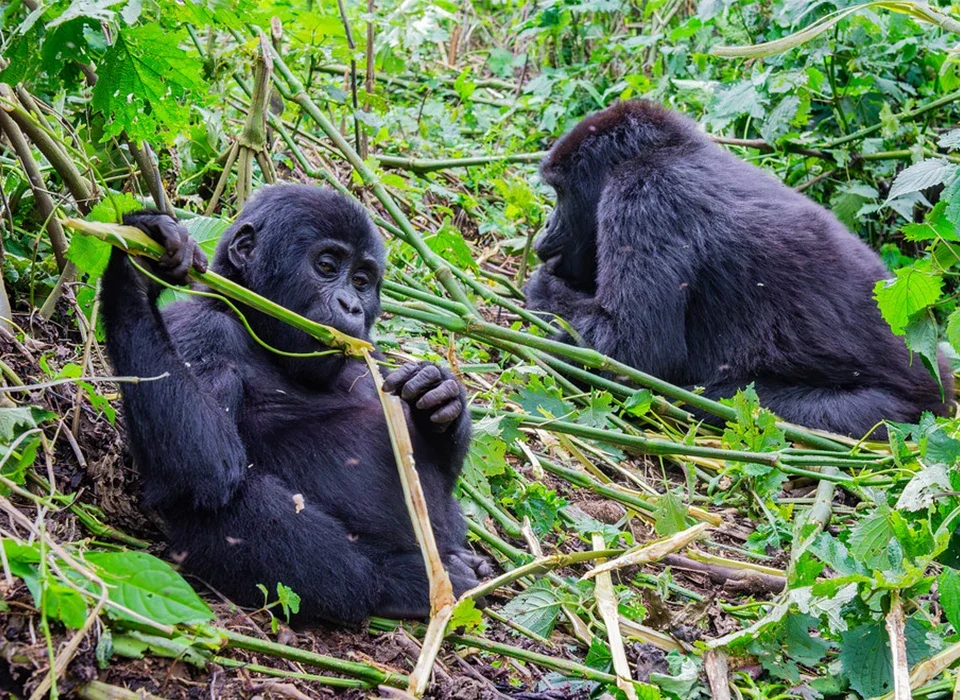
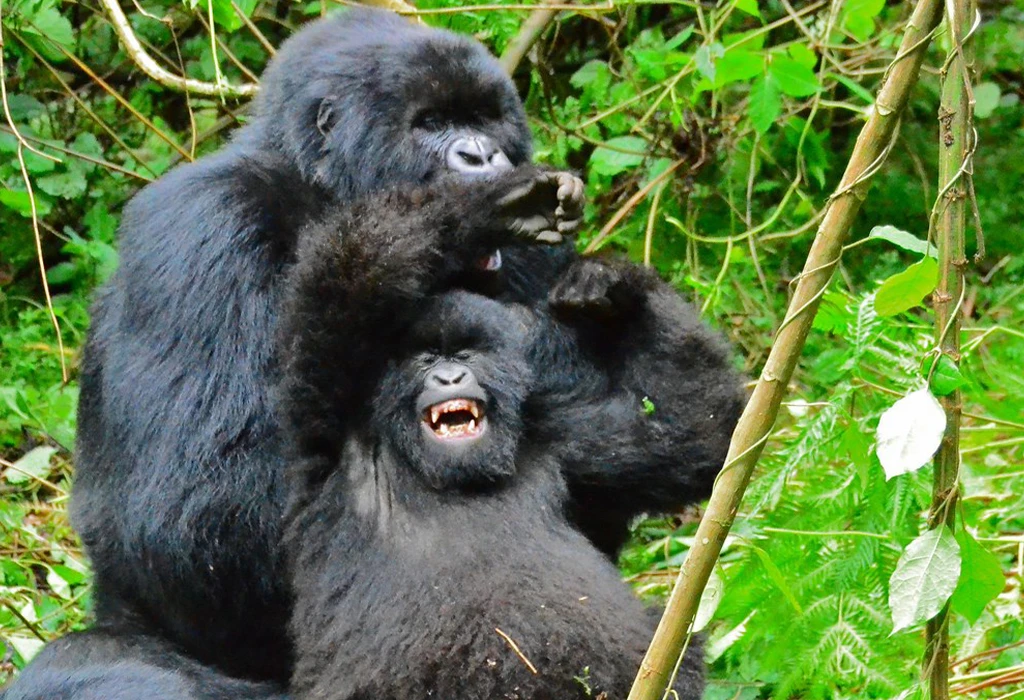
Respectful observation allows you to witness natural activities such as feeding, grooming, playing, resting, and moving through the forest without interfering with them.
Take Photographs Responsibly
Photography can help you preserve memories of your Uganda gorilla safari. Nevertheless, getting the perfect picture should never become more important than the welfare of the animals.
Avoid using flash photography because sudden flashes can disturb gorillas. Instead, adjust your camera settings before approaching the gorilla family so that you can take photographs without creating unnecessary disruption.
Keep your phone and camera on silent mode, and avoid sudden movements when taking pictures. You should also avoid standing up abruptly or moving around the group to find a better angle.
Most importantly, remember to put the camera down occasionally. Watching a gorilla family directly, rather than constantly looking through a screen, allows you to appreciate the experience more fully.
Observe Health and Hygiene Guidelines
Health precautions are particularly important during gorilla trekking. Because gorillas can contract some human illnesses, visitors should avoid entering the forest when they are sick.
If you develop symptoms such as a cough, fever, or another potentially infectious illness before your trek, inform your tour operator or park authorities. They can advise you on the safest and most responsible course of action.
During the trek, cover your mouth and nose when coughing or sneezing. Maintain good personal hygiene and follow all instructions provided by the rangers.
Visitors should also avoid eating close to gorillas. Food can encourage unwanted behaviour and create unnecessary interaction. Never leave food packaging or other waste in the forest.
These precautions may seem simple, but they contribute significantly to gorilla health and conservation.
Protect the Rainforest
Gorilla trekking takes place in fragile rainforest ecosystems, so responsible behaviour should continue even when gorillas are not nearby.
Remain on established trails whenever possible and avoid unnecessarily damaging plants or vegetation. Do not remove flowers, leaves, stones, or other natural materials from the forest.
Waste should also remain out of the environment. Carry reusable water bottles where possible and avoid unnecessary single-use packaging. If you bring something into the forest, make sure it leaves with you.
Noise is another important consideration. Loud conversations, shouting, music, or unnecessary disturbances can affect wildlife. Keep your voice low and enjoy the sounds of the rainforest.
By following these simple leave-no-trace principles, visitors help maintain the forest for wildlife and future generations.
Respect Local Communities
Gorilla trekking is closely connected to communities surrounding Uganda’s protected forests. Local residents contribute to conservation through employment, tourism businesses, cultural activities, and other initiatives.
Therefore, responsible travellers should treat local people with the same respect they show wildlife. Ask for permission before photographing individuals, especially children, and respect local customs during community visits.
You may also have opportunities to experience traditional music and dance, visit craft centres, learn about local food, or support community-based projects. Purchasing locally made crafts and using local services can help ensure that tourism benefits reach the people living near protected areas.
For this reason, a gorilla safari can become much more meaningful when travellers take time to understand the communities that share the landscape with these animals.
Respect the Gorilla Encounter Time
Gorilla encounters operate under strict conservation guidelines. Visitors are allowed a limited amount of time with a habituated gorilla family, and everyone must respect the established schedule.
Do not ask to extend the encounter or attempt to remain behind after the group has been instructed to leave. These time limits help reduce prolonged human exposure and allow gorillas to continue their normal activities.
Prepare your camera, water, and other essential items before reaching the gorilla family. This helps you avoid unnecessary delays once the encounter begins.
Although the allocated time may seem short, it can provide an unforgettable opportunity to observe one of the world’s most fascinating primates in its natural environment.
Prepare Properly for the Trek
Good preparation makes it easier to follow gorilla trekking etiquette. Bwindi’s terrain can be steep, muddy, and slippery, while rainforest weather can change quickly.
Wear comfortable, sturdy hiking shoes with good traction. Long trousers and long-sleeved clothing can protect you from vegetation, insects, and muddy conditions. A waterproof jacket is also useful because rainfall can occur even during relatively dry periods.
Carry enough drinking water and keep your personal belongings secure. Walking poles can provide additional stability on steep sections, while hiring a porter can make the trek easier and provide valuable income to local community members.
Physical preparation also helps. Regular walking, hiking, or other moderate exercise before your trip can improve your endurance and confidence.
Make Responsible Tourism Part of Your Safari
Gorilla trekking is more than an opportunity to see mountain gorillas. It is a chance to participate in an important conservation story while experiencing one of Uganda’s most spectacular natural environments.
By listening to your ranger, keeping a respectful distance, avoiding flash photography, following health precautions, protecting the rainforest, and respecting local communities, you become part of the effort to safeguard these endangered animals.
At Experiya Tour Company, we believe that memorable travel should also be responsible travel. Whether you are planning a gorilla trekking adventure in Bwindi or combining it with other Uganda wildlife and cultural experiences, following proper etiquette ensures that your visit leaves a positive impact.
Ultimately, the best gorilla encounter is one where the animals remain comfortable, the forest remains protected, communities benefit, and visitors return home with unforgettable memories.