What Is the Largest Waterfall in Uganda?
August 13, 2026
Why Are There Age Limits for Gorilla Trekking?
August 13, 2026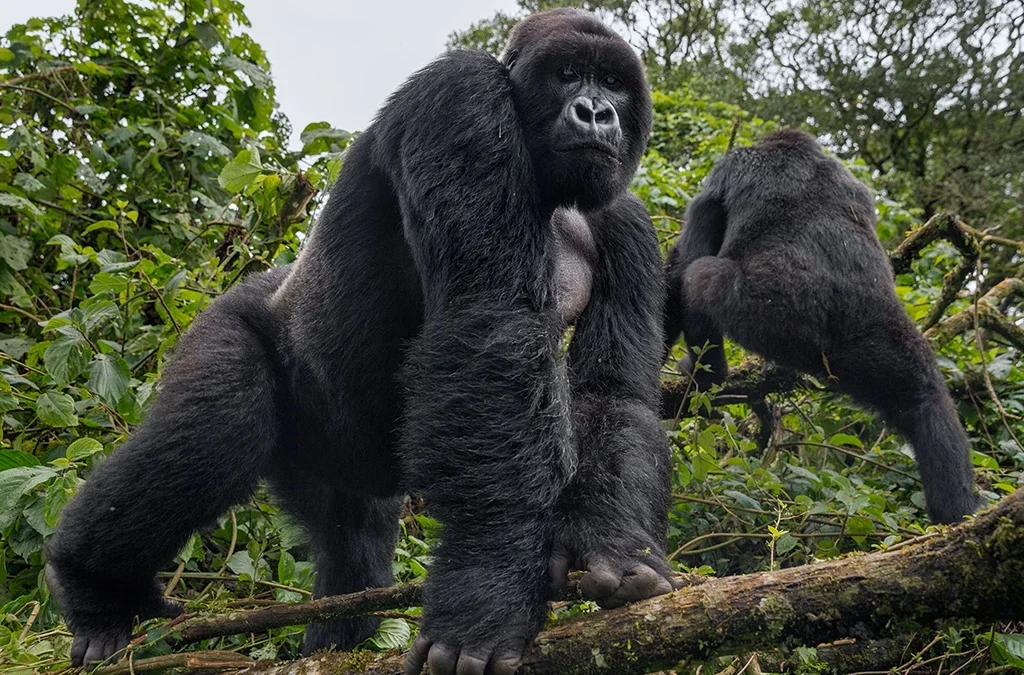
Gorillas are among the most fascinating animals in Africa. Their intelligence, social behavior, strength, and close genetic relationship to humans make them especially interesting to observe. However, like people, gorillas can become sick, suffer injuries, and face a range of health challenges in the wild.
Mountain gorillas, in particular, live in the cool, humid forests of Uganda, Rwanda, and the Democratic Republic of Congo. Although they have adapted remarkably well to their environment, they remain vulnerable to diseases, parasites, injuries, and other threats. Some illnesses can even pass between humans and gorillas, which is why responsible gorilla tourism places such a strong emphasis on health and hygiene.
Understanding the illnesses gorillas can suffer from also helps visitors appreciate why conservationists carefully regulate interactions between people and these endangered primates.
Respiratory Diseases in Gorillas
Respiratory illnesses are among the most serious health concerns for mountain gorillas. Conditions such as pneumonia and other respiratory infections can cause severe illness and, in some cases, death.
Because mountain gorillas share many biological similarities with humans, they can be susceptible to some of the same respiratory pathogens. A simple human cold or respiratory infection may therefore pose a significant threat to a gorilla, particularly because gorillas live in relatively small populations and can spread infections quickly within a group.
For this reason, visitors should never trek when they are feeling sick. Tour operators and park authorities also encourage travelers to maintain an appropriate distance from gorillas and follow all trekking guidelines.
Furthermore, gorilla trackers and guides carefully monitor the health of visitors and gorillas. These measures help reduce the possibility of disease transmission and protect the long-term survival of these remarkable animals.
Gastrointestinal Diseases and Parasites
Gorillas can also suffer from intestinal parasites. Researchers have identified various parasites in wild gorilla populations, including protozoans and parasitic worms.
Some parasites are specific to gorillas, while others can infect several species. In some situations, parasites may cause digestive problems, weakness, weight loss, or other health complications.
Fortunately, gorillas have developed natural behaviors and feeding patterns that help them cope with many environmental challenges. They consume large quantities of leaves, stems, shoots, bark, and other vegetation, which provides much of the nutrition they need.
Nevertheless, parasites remain an important concern for conservation teams. Researchers regularly study gorilla health to understand how infections affect individuals and groups and to identify potential threats before they become widespread.
Malaria and Other Infections
Gorillas can also carry parasites associated with malaria. However, the malaria parasites found in gorillas are not necessarily the same species that commonly cause malaria in humans.
This distinction is important because wildlife diseases are often more complicated than simply assuming that a disease affects every species in exactly the same way. Scientists continue to study the relationships between gorillas, parasites, and other infectious organisms to better understand their impact on wild populations.
In addition, gorillas may encounter bacterial, viral, and fungal infections in their natural environment. Their immune systems help them fight many infections, but severe diseases can still become life-threatening, especially when an animal is already weakened by injury or another illness.
Dental Problems in Gorillas
Gorillas generally experience fewer cavities than humans. One major reason is their natural diet, which contains very little refined sugar.
Mountain gorillas mainly feed on vegetation, including leaves, shoots, stems, bark, and other plant materials. Therefore, they do not consume the high-sugar foods that commonly contribute to tooth decay in humans.
However, this does not mean that gorillas have perfect dental health. They can develop tartar and other dental problems. In severe cases, gum disease can damage the tissues and structures supporting the teeth. Advanced periodontal disease may eventually cause tooth loss.
Dental health therefore provides another important insight into the lives of wild gorillas. Researchers and conservation teams can use observations of teeth and jaws to learn more about the overall health of individual animals.
Injuries Caused by Snares and Traps
Unlike many diseases, some of the most immediate health threats to gorillas come directly from human activities.
Gorillas can become caught in snares intended for other wildlife. A snare may tighten around a gorilla’s hand, foot, leg, or another part of its body. If conservation teams do not discover the animal quickly, the injury can become infected or cause severe tissue damage.
Young gorillas can be particularly vulnerable because they may encounter traps while moving through the forest.
Fortunately, conservation organizations and park authorities conduct patrols to identify and remove snares. When trackers discover an injured gorilla, veterinary teams may intervene and provide treatment when necessary.
These efforts demonstrate why protecting gorilla habitats involves more than stopping poaching. It also requires continuous monitoring of the forest and rapid responses to injuries.
Viral Diseases and Ebola
Viral diseases represent another serious concern for wild gorilla populations. Ebola, for example, has caused devastating outbreaks among great apes in parts of Central Africa.
Disease outbreaks can spread through populations and kill large numbers of animals. Because gorillas often live in close social groups, infectious diseases can move between individuals through physical contact and exposure to bodily fluids.
The relationship between humans and gorillas also creates an important conservation challenge. Some pathogens can potentially move between people and great apes in either direction. This is known as zoonotic or reverse-zoonotic disease transmission.
Consequently, gorilla tourism must operate under strict health and safety rules. Visitors should never attempt to touch gorillas, feed them, or approach them unnecessarily.
Human Diseases Can Threaten Gorillas
One of the most important reasons for maintaining a safe distance from gorillas is their susceptibility to certain human diseases.
Humans and gorillas share a significant amount of genetic similarity. As a result, some pathogens that cause illness in people can also affect gorillas.
A tourist who appears only mildly ill may unknowingly expose a gorilla to an infection. For an endangered population with relatively few individuals, even a small disease outbreak can have serious consequences.
Therefore, visitors should follow the instructions provided by guides and park authorities. Anyone who is sick should inform the tour operator or ranger before attempting a gorilla trek.
How Gorilla Trekking Rules Protect Their Health
Gorilla trekking regulations do more than protect tourists. They also protect the gorillas.
During a trek, visitors are required to maintain a safe distance from the animals and avoid direct physical contact. Tourists should also avoid sudden movements, loud noises, and behaviors that could disturb the gorillas.
Furthermore, visitors should never leave food or waste in the forest. Human waste can create additional health and environmental risks, while discarded items may expose wildlife to harmful substances or pathogens.
Before entering the forest, trekkers should also follow hygiene recommendations from their guides. These simple measures can make a significant difference in preventing the spread of disease.
Why Gorilla Conservation Requires Health Monitoring
Gorilla conservation is not only about protecting forests and preventing poaching. It also involves monitoring the health of individual animals and entire gorilla families.
Researchers and veterinary teams observe gorillas for signs of illness, injuries, unusual behavior, and changes in physical condition. Because individual mountain gorillas are often known by name, conservationists can track their health over time.
This close monitoring allows specialists to identify problems early and provide assistance when necessary. It also helps scientists understand emerging disease threats and develop better conservation strategies.
At the same time, researchers aim to minimize unnecessary human intervention. Wild gorillas need to retain their natural behaviors, so veterinary assistance is generally provided when an intervention is considered necessary for the animal’s welfare or the wider population.
How Gorillas Adapt to Health Challenges
Gorillas possess remarkable physical and behavioral adaptations that help them survive in challenging environments.
Their powerful arms allow them to move efficiently through forests, defend themselves, and gather food. Their hands help them manipulate vegetation, while their strong bodies enable them to travel across difficult terrain.
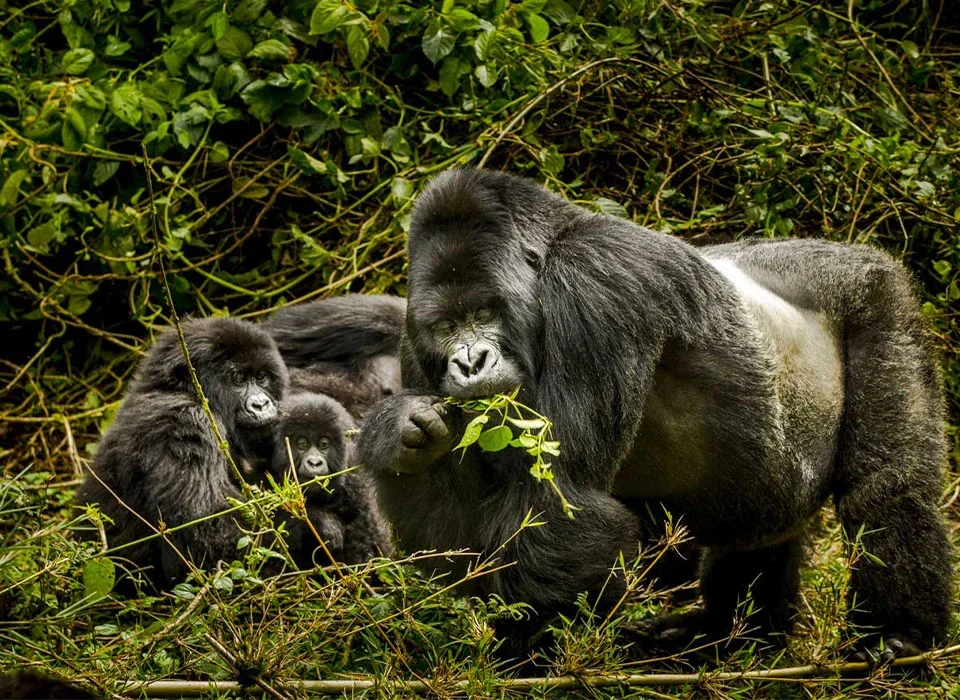
Gorillas also live in close-knit social groups led by a dominant silverback. The silverback plays an important role in protecting the group, responding to threats, and maintaining social order.
These adaptations do not make gorillas immune to disease, but they contribute to their ability to survive in the wild.
Responsible Gorilla Tourism Matters
Gorilla trekking provides travelers with an unforgettable opportunity to observe mountain gorillas in their natural habitat. However, the experience comes with a responsibility to protect the animals.
Visitors should follow the instructions of guides and rangers throughout the trek. They should maintain the recommended distance, avoid touching the gorillas, practice good hygiene, and avoid visiting the forest when experiencing symptoms of illness.
These precautions may seem simple, but they can have a major impact on gorilla conservation.
At Experiya Tour Company, we believe that responsible tourism should put wildlife conservation at the heart of every gorilla trekking experience. By respecting park regulations and supporting responsible tourism practices, travelers can enjoy an extraordinary encounter with mountain gorillas while helping safeguard their future.
Final Thoughts
Gorillas face a variety of health challenges, ranging from respiratory infections and parasites to dental problems, injuries, and serious viral diseases. Human activity can also increase these risks through disease transmission, snares, habitat disturbance, and other threats.
The good news is that dedicated conservationists, researchers, veterinarians, guides, and local communities continue to work together to protect these endangered primates.
Every responsible gorilla trek contributes to this conservation effort. When visitors respect the animals, follow health guidelines, and support sustainable tourism, they become part of a larger effort to protect mountain gorillas and their forest home.
A gorilla encounter is more than a memorable travel experience. It is an opportunity to appreciate one of our closest wild relatives and understand why protecting their health, habitat, and future matters so much.