How Long Does a Typical Game Drive Last?
July 4, 2026
Easiest Gorilla Families to Trek in Uganda
July 6, 2026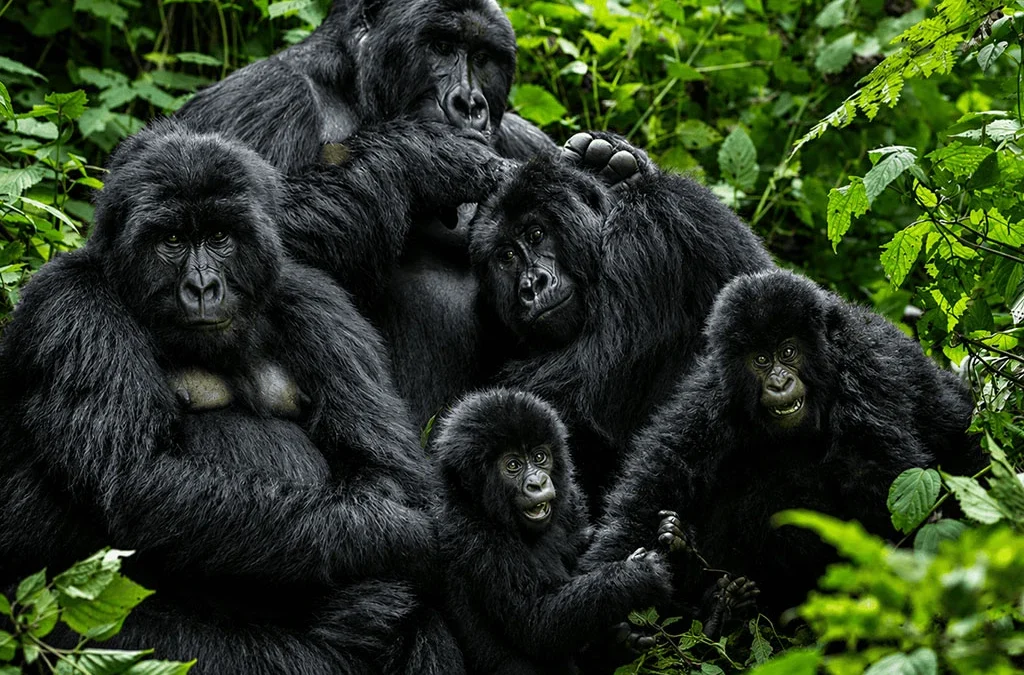
Mountain gorilla habituation is one of the most significant conservation achievements in East Africa. For travelers planning Rwanda Safaris or Uganda Safaris, understanding the conservation benefits of habituation adds a deeper meaning to every gorilla encounter. Rather than being just another wildlife activity, habituation is a carefully managed conservation process that helps protect endangered mountain gorillas while creating sustainable tourism opportunities for local communities.
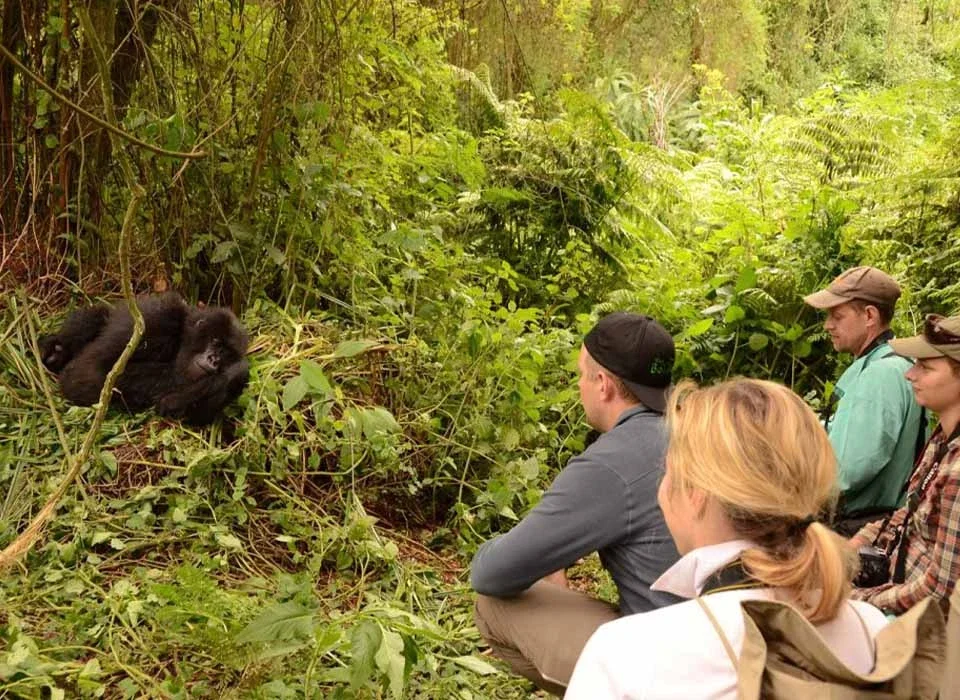
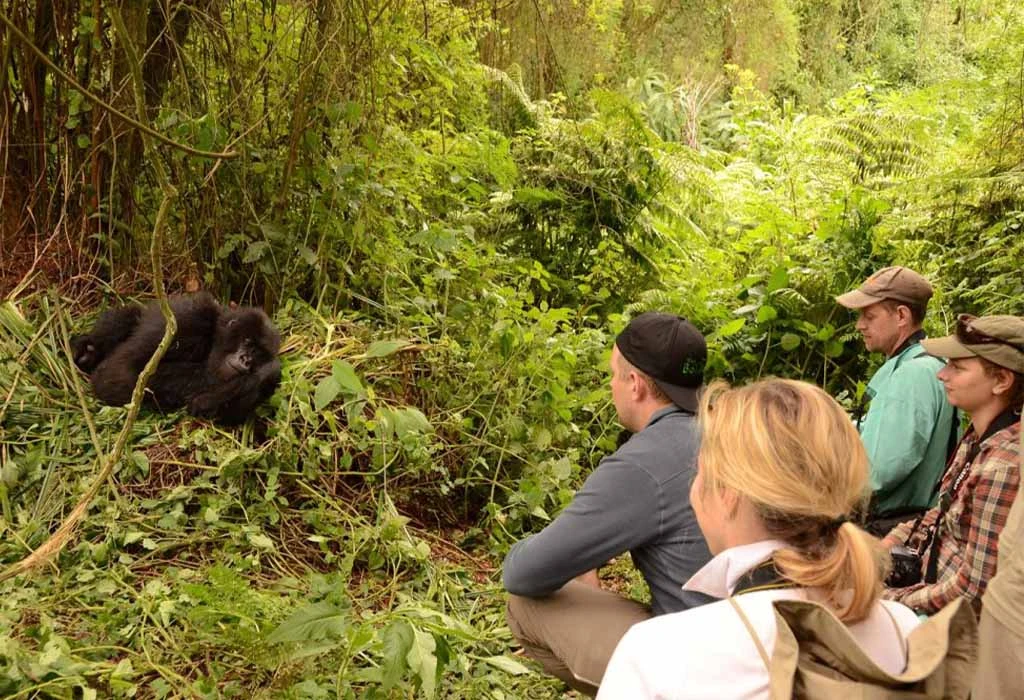
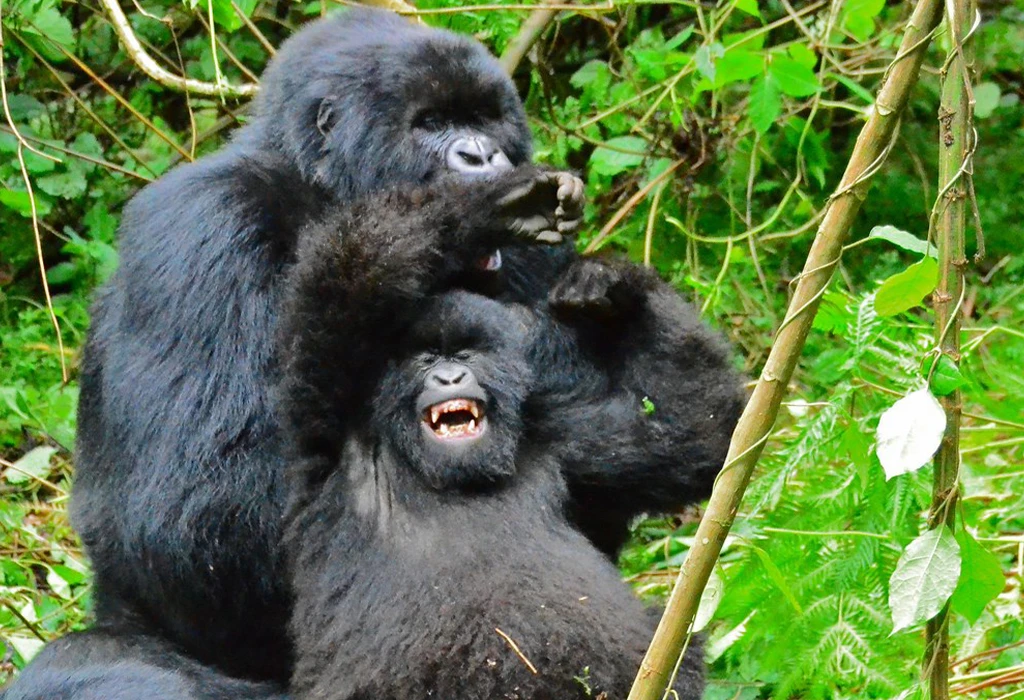
Habituation involves gradually introducing wild gorilla families to the presence of trained researchers, veterinarians, rangers, and eventually a limited number of visitors. This slow and carefully monitored process reduces stress on the animals while allowing conservationists to study their behavior, health, and social interactions. Unlike standard gorilla trekking, which allows visitors to spend one hour with a fully habituated gorilla family, a gorilla habituation experience in Uganda provides up to four hours with a family still undergoing the habituation process.
As a result, habituation has become an essential component of Uganda Gorilla Safaris, Rwanda Gorilla Trekking Safaris, and broader wildlife conservation efforts across East Africa. It protects endangered gorillas, generates conservation funding, supports scientific research, and strengthens partnerships between protected areas and neighboring communities. Whether you are planning Rwanda Best Safaris, Uganda Best Safaris, or a combined East African itinerary, experiencing habituation offers an unforgettable opportunity to contribute directly to wildlife conservation.
Understanding the Role of Habituation in Gorilla Conservation
To appreciate the conservation benefits of habituation, it is important to understand how the process works. Mountain gorillas naturally avoid human contact. Therefore, conservation teams spend several years gradually introducing a gorilla family to human presence without interfering with their natural behavior.
During this period, experienced trackers, researchers, veterinarians, and Uganda Wildlife Authority rangers follow strict guidelines to ensure the gorillas remain comfortable and stress-free. Human interactions remain limited, respectful, and highly regulated throughout the process.
This careful approach creates long-term conservation benefits. Once gorillas become accustomed to researchers and controlled tourism, conservationists can monitor their health more effectively, detect diseases early, identify injuries, study breeding patterns, and understand family dynamics without causing unnecessary disturbance.
Furthermore, habituated gorillas are easier to protect from illegal activities such as poaching, habitat destruction, and human encroachment. Rangers can locate families more efficiently, increasing surveillance across protected forests while improving emergency veterinary responses whenever intervention becomes necessary.
Supporting Gorilla Conservation in Bwindi Impenetrable National Park
The conservation impact of habituation becomes especially clear in Bwindi Impenetrable National Park, Uganda’s premier gorilla destination. This UNESCO World Heritage Site protects nearly half of the world’s remaining mountain gorillas, making it one of Africa’s most important conservation areas.
Bwindi is currently the only destination where visitors can participate in the Gorilla Habituation Experience. Unlike regular trekking, participants accompany researchers and rangers for up to four hours as they observe gorilla families still adapting to human presence.
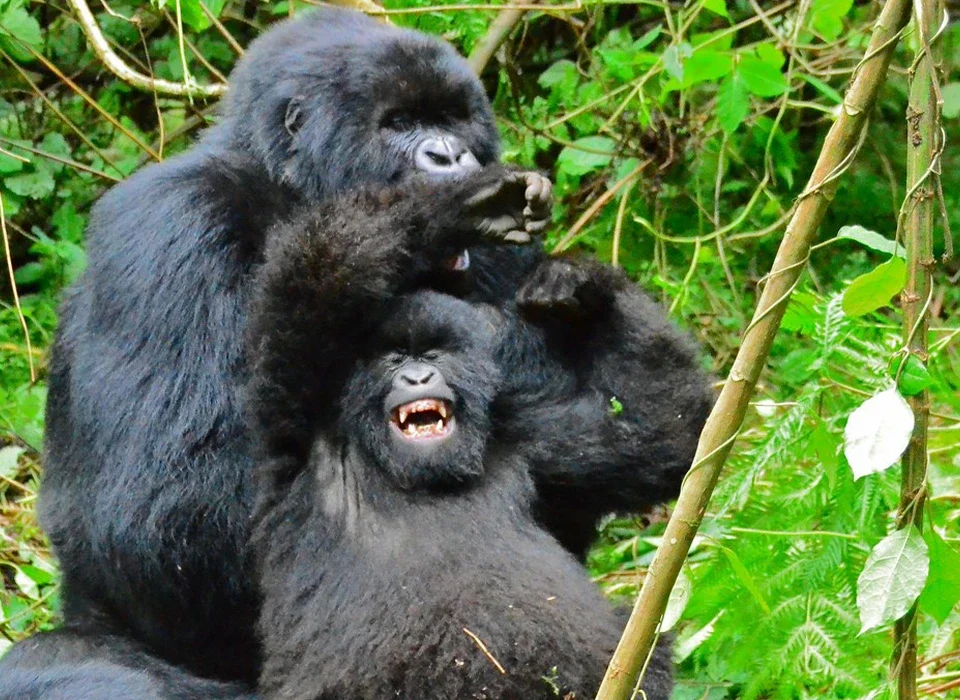
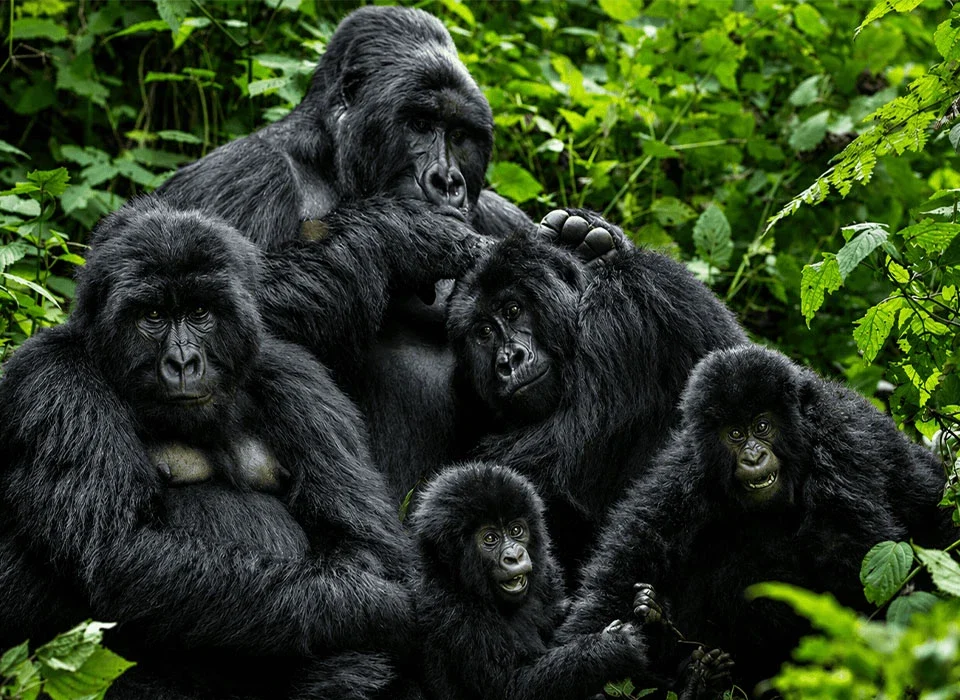
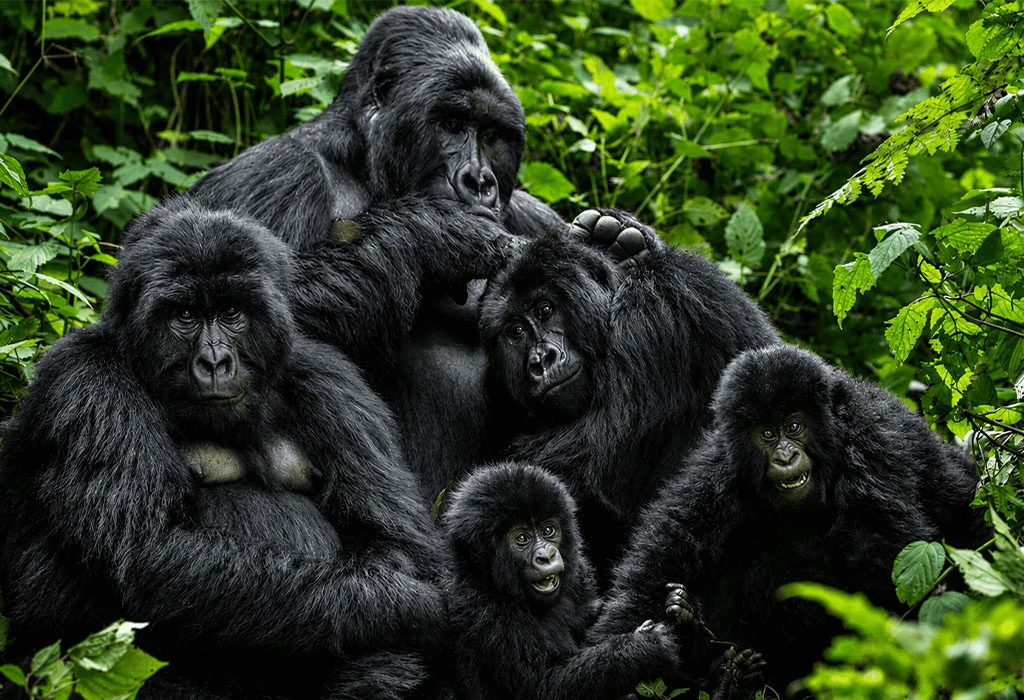
This extended interaction provides invaluable scientific information. Researchers record feeding habits, movement patterns, social relationships, nesting behavior, reproductive activity, and interactions between silverbacks, females, juveniles, and infants. Every observation contributes to long-term conservation planning and helps wildlife authorities make informed management decisions.
Permit fees collected from gorilla habituation directly support park operations. Revenue funds anti-poaching patrols, ranger training, veterinary services, habitat restoration projects, scientific research, and conservation education programs. Consequently, every visitor contributes financially to protecting endangered gorillas and preserving one of Africa’s oldest rainforests.
Travelers can reach Bwindi through domestic flights from Entebbe International Airport to Kihihi or Kisoro Airstrips, followed by scenic road transfers to the park. Alternatively, many visitors enjoy the overland journey through southwestern Uganda, combining gorilla experiences with cultural visits and breathtaking countryside landscapes.
The best time to visit is during the dry seasons from June to September and December to February, when forest trails are generally easier to navigate. However, gorilla habituation takes place throughout the year because gorillas remain active regardless of season.
How Habituation Strengthens Conservation in Volcanoes National Park
Although Rwanda does not currently offer the same gorilla habituation experience available in Uganda, Volcanoes National Park demonstrates how habituated gorilla families contribute significantly to conservation success.
Located within the spectacular Virunga Mountains, Volcanoes National Park has become one of Africa’s leading examples of successful wildlife conservation through responsible tourism. Rwanda’s carefully managed gorilla trekking program limits visitor numbers, maintains strict conservation regulations, and reinvests tourism revenue into wildlife protection.
Because gorillas have already undergone the habituation process before becoming available for trekking, researchers can closely monitor family health, reproductive success, behavioral changes, and habitat use. Regular observations allow veterinary teams to respond quickly whenever gorillas suffer injuries or disease outbreaks.
Revenue generated through Rwanda Gorilla Trekking Safaris supports anti-poaching initiatives, scientific research, habitat conservation, ranger salaries, and community development projects. This conservation model has helped Rwanda achieve remarkable success in increasing mountain gorilla populations while maintaining high-quality visitor experiences.
Volcanoes National Park is conveniently located about two and a half hours by road from Kigali, making it one of Africa’s most accessible gorilla destinations. Visitors often combine gorilla trekking with cultural experiences, traditional performances, local community visits, and birdwatching excursions, creating a well-rounded safari experience that benefits both conservation and local livelihoods.
Habituation Generates Sustainable Conservation Funding
One of the greatest conservation benefits of habituation lies in its ability to generate reliable and sustainable funding for protected areas.
Managing national parks requires substantial financial resources. Conservation agencies must employ rangers, maintain patrol vehicles, monitor wildlife, support veterinary services, repair park infrastructure, conduct ecological research, and educate surrounding communities.
Tourism revenue generated through gorilla trekking and habituation permits provides much of this essential funding.
Because habituation experiences are exclusive and limited to very small groups, permit prices are higher than standard gorilla trekking permits. Rather than discouraging conservation, this pricing structure ensures that fewer visitors create a greater conservation impact while minimizing pressure on wildlife.
The funds collected support ongoing conservation work while reducing dependence on external donor funding. As tourism continues to grow responsibly, protected areas become increasingly capable of sustaining long-term conservation programs independently.
Improving Scientific Research and Wildlife Monitoring
Habituation also plays a vital role in advancing scientific knowledge about mountain gorillas.
Researchers can observe gorillas more closely without significantly altering their natural behavior. This allows scientists to study communication methods, feeding ecology, social structures, reproduction, parenting behavior, migration patterns, and responses to environmental change.
Long-term monitoring helps conservationists identify emerging threats, including disease transmission, habitat degradation, climate change impacts, and changing food availability.
These scientific findings inform conservation policies not only in Uganda and Rwanda but also across the entire Virunga Conservation Area, where neighboring countries collaborate to protect endangered mountain gorillas.
Better research ultimately leads to better conservation outcomes, ensuring that future generations will continue to experience these remarkable primates in their natural habitat.
Supporting Local Communities Through Responsible Tourism
Successful conservation depends on strong relationships between protected areas and nearby communities. Habituation has created new economic opportunities that encourage local people to become active partners in conservation rather than competitors for natural resources.
Tourism creates employment for guides, trackers, porters, drivers, lodge staff, artisans, performers, and local entrepreneurs. Community tourism initiatives also allow visitors to experience traditional dances, storytelling, crafts, agricultural activities, and cultural heritage.
In Uganda, many visitors explore Batwa cultural experiences that preserve the traditions of one of the region’s oldest indigenous communities while generating sustainable income.
When local communities benefit directly from conservation, they become more committed to protecting forests and wildlife. This partnership significantly reduces illegal hunting, deforestation, and human-wildlife conflict while improving livelihoods across the region.
Combine Uganda and Rwanda for a Complete Conservation Experience
Many travelers choose to combine Uganda Gorilla Safaris with Rwanda Gorilla Trekking Safaris to gain a broader understanding of East Africa’s conservation efforts.
A combined itinerary allows visitors to experience Uganda’s unique Gorilla Habituation Experience alongside Rwanda’s world-renowned gorilla trekking program. In addition, travelers can enjoy wildlife safaris, birdwatching, cultural tours, scenic landscapes, and conservation education across both countries.
This cross-border journey demonstrates how neighboring nations work together to protect one of the world’s most endangered great apes while promoting sustainable tourism that benefits wildlife and local communities alike.
Why Choose Experiya Tour Company for Your Gorilla Habituation Safari?
Choosing the right safari operator makes a significant difference in your conservation journey. Experiya Tour Company specializes in professionally guided Uganda Safaris and Rwanda Safaris that combine unforgettable wildlife encounters with responsible tourism practices.
Our experienced team carefully designs itineraries that include gorilla trekking, gorilla habituation, wildlife safaris, birdwatching adventures, and authentic cultural experiences while maintaining the highest conservation standards. We handle permit arrangements, transportation, accommodation, and expert guiding, allowing you to focus entirely on enjoying your adventure.
More importantly, every safari booked through Experiya Tour Company supports sustainable tourism initiatives that contribute to wildlife protection, habitat conservation, community development, and environmental education throughout East Africa.
By choosing a gorilla habituation experience, you become more than a visitor. You become part of a global conservation effort that protects endangered mountain gorillas, preserves ancient forests, strengthens local communities, and ensures that these extraordinary animals continue to thrive in their natural home for generations to come.