How Many Gorilla Families Are in Rwanda?
June 16, 2026
Why Are Rwanda’s Gorilla Families Famous?
June 17, 2026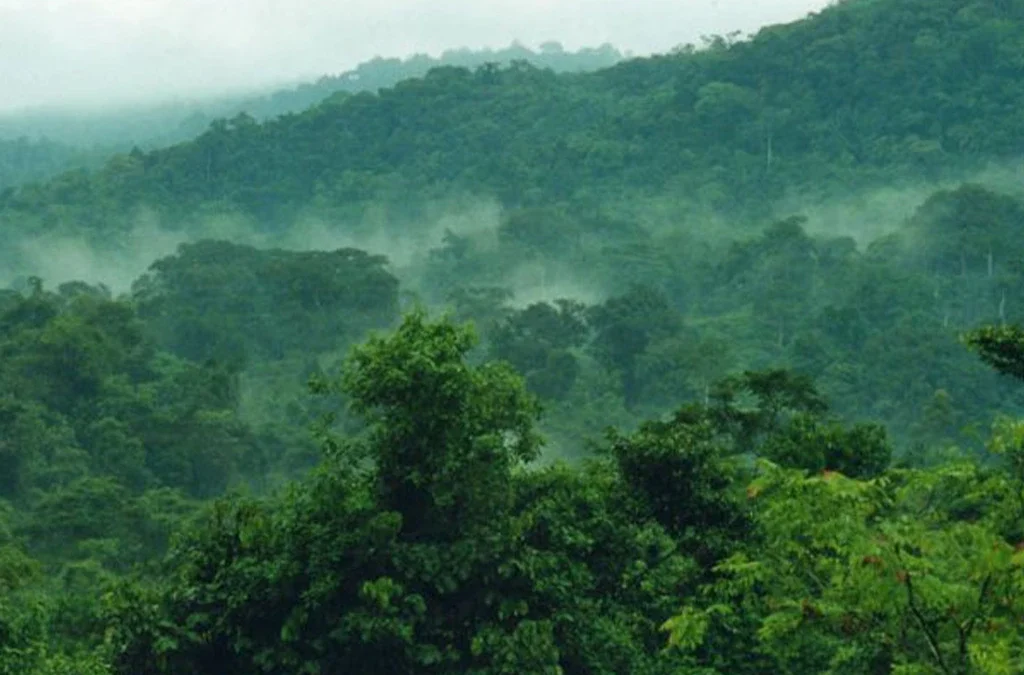
Why is Bwindi Forest referred to as an impenetrable forest? This is one of the most frequently asked questions by travelers planning Uganda safaris and gorilla trekking adventures. Nestled in the southwestern corner of Uganda, Bwindi Impenetrable National Park is one of Africa’s most remarkable natural treasures. The park covers approximately 331 square kilometers of ancient rainforest and forms part of the biologically rich Albertine Rift region.
Bwindi is much more than a famous gorilla destination. It is an ancient ecosystem that has survived for thousands of years, preserving an incredible variety of plants, animals, birds, and insects. Its rugged terrain, thick vegetation, and remote wilderness have earned it the name “Impenetrable,” a title that accurately reflects both its physical character and its untamed beauty.
Every year, thousands of visitors travel to Bwindi to encounter endangered mountain gorillas in their natural habitat. However, many travelers quickly discover that the forest itself is as fascinating as the wildlife it protects. From towering trees and tangled vines to steep hills and hidden valleys, Bwindi offers an authentic wilderness experience that feels untouched by time.
Understanding why Bwindi Forest is referred to as an impenetrable forest helps visitors appreciate the unique environment that has made this national park one of the most celebrated conservation areas in Africa.
Why Does Bwindi Have the Name “Impenetrable”?
The most direct answer lies in the forest’s extraordinary density. Unlike open savannah parks where visibility stretches for kilometers, Bwindi presents a completely different landscape. The rainforest consists of thick vegetation layers that make movement through the forest both challenging and adventurous.
Massive hardwood trees dominate the upper canopy, while intertwined vines and climbing plants connect branches overhead. Beneath this canopy, dense shrubs, ferns, bamboo, and tangled undergrowth create a natural maze. In many parts of the forest, visibility is limited to just a few meters.
Early explorers and local communities often found it extremely difficult to navigate through the forest because there were few natural pathways. The vegetation formed barriers so dense that moving forward sometimes required cutting through plants and vines. As a result, people began referring to the forest as “impenetrable,” a name that has remained with it ever since.
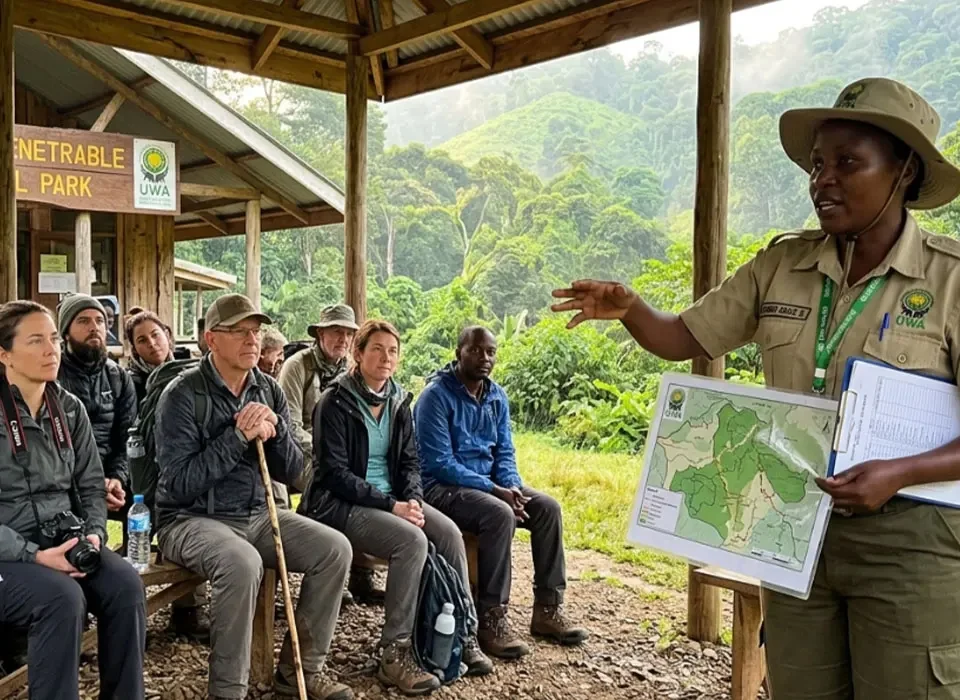
Even today, experienced guides occasionally use machetes to clear sections of trail during gorilla trekking expeditions. While modern trekking routes have improved accessibility, visitors still experience firsthand the dense vegetation that gave the forest its famous reputation.
Consequently, the name “Bwindi Impenetrable Forest” accurately describes one of the most densely vegetated rainforests in East Africa.
How Does the Terrain Contribute to Bwindi’s Reputation?
The forest’s vegetation is only part of the story. Bwindi’s rugged topography also plays a major role in explaining why the forest is considered impenetrable.
The park sits at elevations ranging from approximately 1,160 meters to over 2,600 meters above sea level. This variation creates a landscape of steep hills, narrow ridges, deep valleys, and winding streams. Trekking through such terrain often requires significant physical effort, especially when searching for mountain gorilla families.
Additionally, frequent rainfall makes many trails slippery and muddy throughout the year. Visitors often find themselves climbing steep slopes, crossing small streams, and descending into densely forested valleys during a single trek.
Because of these challenging conditions, the forest remains relatively untouched compared to many other natural areas. The difficult terrain has helped preserve the wilderness character of Bwindi while protecting countless species that depend on its habitat.
As travelers venture deeper into the rainforest, they quickly understand why early explorers considered the forest nearly impossible to penetrate.
An Ancient Rainforest Preserved Through Time
Another reason Bwindi stands out is its remarkable age. Scientists believe the forest survived the last Ice Age, making it one of the oldest forests in Africa. While many ecosystems experienced significant environmental changes over thousands of years, Bwindi remained relatively stable.
This long history allowed an extraordinary range of plant and animal species to evolve within the forest. Today, the park contains more than 1,000 flowering plant species, numerous tree varieties, and many rare plants found nowhere else in the world.
Furthermore, the forest’s layered vegetation structure creates countless microhabitats that support a diverse range of wildlife. Every section of the forest contributes to an intricate ecological network that has developed over millennia.
As a result, Bwindi is not only impenetrable in appearance but also incredibly valuable from a scientific and conservation perspective.
Why Is Bwindi Important for Mountain Gorilla Conservation?
While the forest’s density explains its name, its global importance stems largely from its mountain gorilla population. Bwindi Impenetrable National Park protects nearly half of the world’s remaining mountain gorillas, making it one of the most significant conservation areas on the planet.
The dense rainforest provides ideal conditions for gorillas. The forest supplies abundant food, shelter, and security while minimizing human disturbance. These factors have allowed gorilla populations to recover steadily over recent decades.
Today, several habituated gorilla families welcome visitors through carefully managed gorilla trekking programs. These experiences generate vital conservation revenue while raising global awareness about wildlife protection.
Moreover, gorilla tourism directly supports anti-poaching efforts, habitat conservation, scientific research, and community development initiatives. The success of these programs demonstrates how responsible tourism can contribute to long-term conservation goals.
Therefore, the very characteristics that make Bwindi impenetrable have also helped create one of Africa’s greatest wildlife conservation success stories.
A Biodiversity Hotspot Unlike Any Other
Although mountain gorillas attract most visitors, Bwindi’s biodiversity extends far beyond its famous primates.
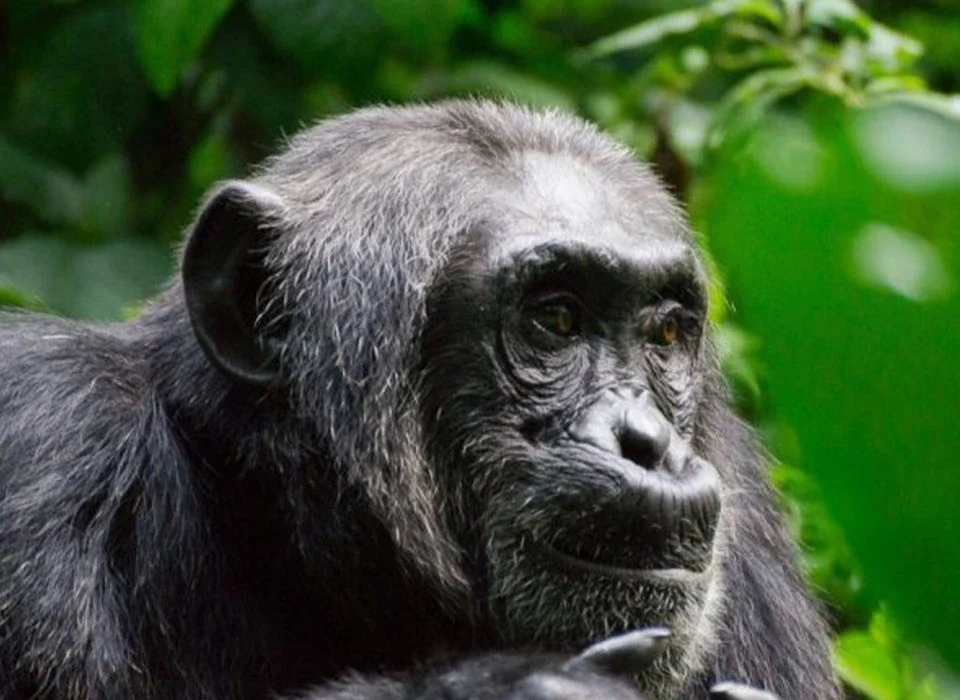
The forest supports more than 120 mammal species, including forest elephants, giant forest hogs, duikers, and several primate species. Visitors may also encounter black-and-white colobus monkeys, L’Hoest’s monkeys, blue monkeys, and baboons during their explorations.
Bird enthusiasts consider Bwindi one of Africa’s premier birding destinations. The park hosts over 350 bird species, including many Albertine Rift endemics that birdwatchers rarely find elsewhere.
Additionally, the forest shelters hundreds of butterfly species, reptiles, amphibians, and countless insects that contribute to the ecosystem’s complexity.
Because of this exceptional biodiversity, UNESCO designated Bwindi Impenetrable National Park as a World Heritage Site. This international recognition highlights the forest’s importance as one of the most biologically diverse ecosystems in Africa.
What Can Visitors Experience in Bwindi Impenetrable National Park?
A visit to Bwindi offers far more than gorilla trekking alone. The park provides a wide range of experiences that appeal to nature lovers, photographers, conservation enthusiasts, and adventure travelers.
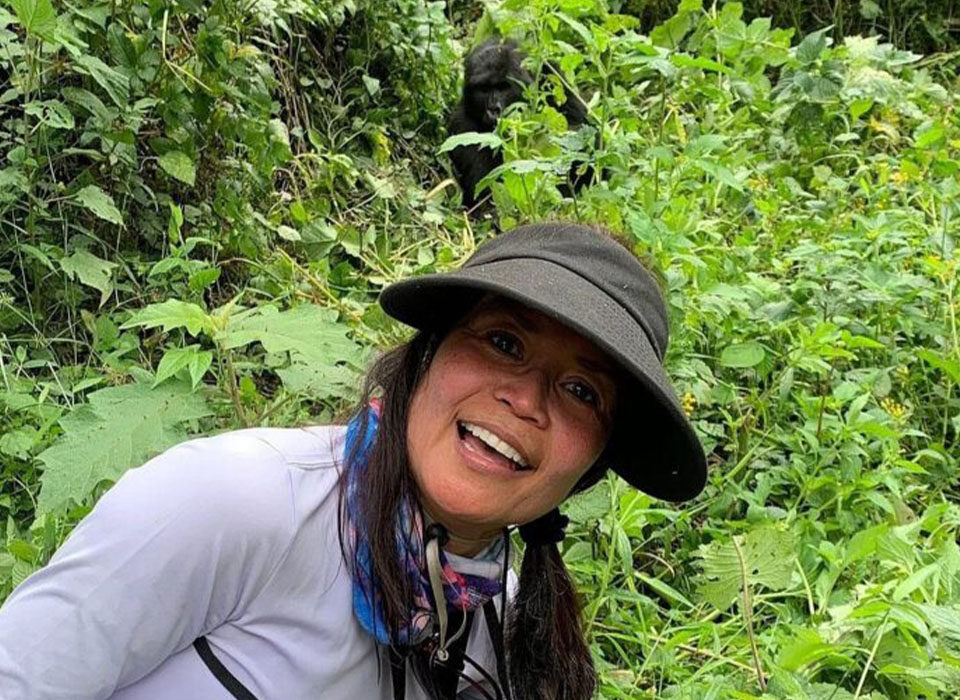
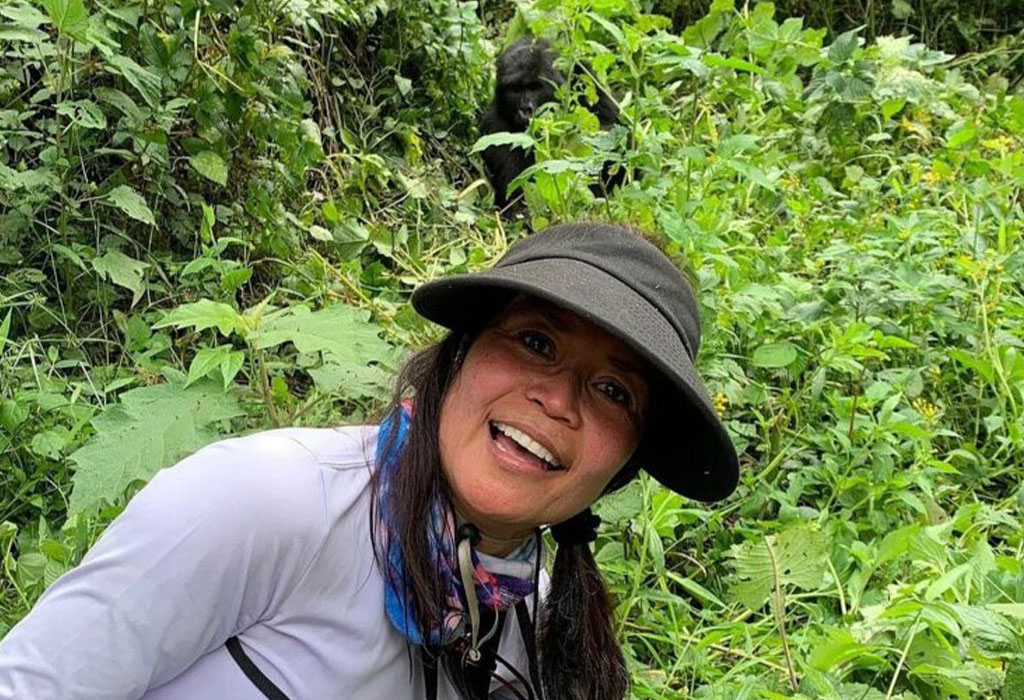
Gorilla trekking remains the highlight for most visitors. Guided by experienced rangers, travelers hike through the rainforest in search of habituated gorilla families. Once they locate the gorillas, visitors spend one unforgettable hour observing these magnificent primates in their natural environment.
In addition, guided nature walks allow guests to explore hidden corners of the forest while learning about medicinal plants, wildlife behavior, and rainforest ecology. These walks reveal fascinating details that many visitors might otherwise overlook.
Birdwatching opportunities attract enthusiasts from around the world, while cultural visits introduce travelers to communities that have lived alongside the forest for generations. Through traditional performances, storytelling, and craft demonstrations, visitors gain deeper insight into the region’s rich cultural heritage.
Together, these experiences transform a Bwindi safari into a comprehensive journey of discovery.
When Is the Best Time to Visit Bwindi?
Bwindi welcomes visitors throughout the year, but many travelers prefer the dry seasons for gorilla trekking.
The months from June to September and December to February generally offer the most favorable hiking conditions. During these periods, trails tend to be less muddy, making trekking easier and more comfortable.
However, the rainy seasons also have advantages. The forest becomes exceptionally lush and vibrant, creating spectacular photography opportunities. Additionally, fewer visitors often mean a more intimate safari experience.
Importantly, mountain gorillas remain in the forest year-round, so successful sightings are possible regardless of the season. Travelers should simply prepare for occasional rain, as Bwindi’s rainforest climate can produce showers at any time of year.
Explore Bwindi with Experiya Tour Company
Exploring Bwindi Impenetrable National Park becomes even more rewarding when you travel with experienced safari professionals. At Experiya Tour Company, we design personalized Uganda safari experiences that allow travelers to discover the magic of this extraordinary rainforest while enjoying seamless travel arrangements.
Our team handles gorilla permits, accommodation bookings, transportation, and expert guiding services, ensuring every detail of your journey runs smoothly. Throughout your adventure, knowledgeable guides share insights about gorilla conservation, rainforest ecology, wildlife behavior, and local culture.
Equally important, Experiya Tour Company supports responsible tourism practices that benefit conservation efforts and surrounding communities. Every safari contributes to protecting mountain gorillas and preserving the unique ecosystems that make Bwindi so special.
Ultimately, the answer to the question, “Why is Bwindi Forest referred to as an impenetrable forest?” lies in its dense vegetation, rugged terrain, ancient history, and extraordinary wilderness. Yet beyond its name, Bwindi represents one of Africa’s greatest natural wonders—a place where conservation, biodiversity, and adventure come together to create an unforgettable safari experience. Whether you visit for gorilla trekking, birdwatching, nature walks, or cultural encounters, Bwindi Impenetrable National Park offers memories that will last a lifetime.