Best Rwanda Cultural Experiences on Rwanda Culture Tours
May 12, 2026
Is It Safe to Travel Solo on a Rwanda Wildlife Safari?
May 12, 2026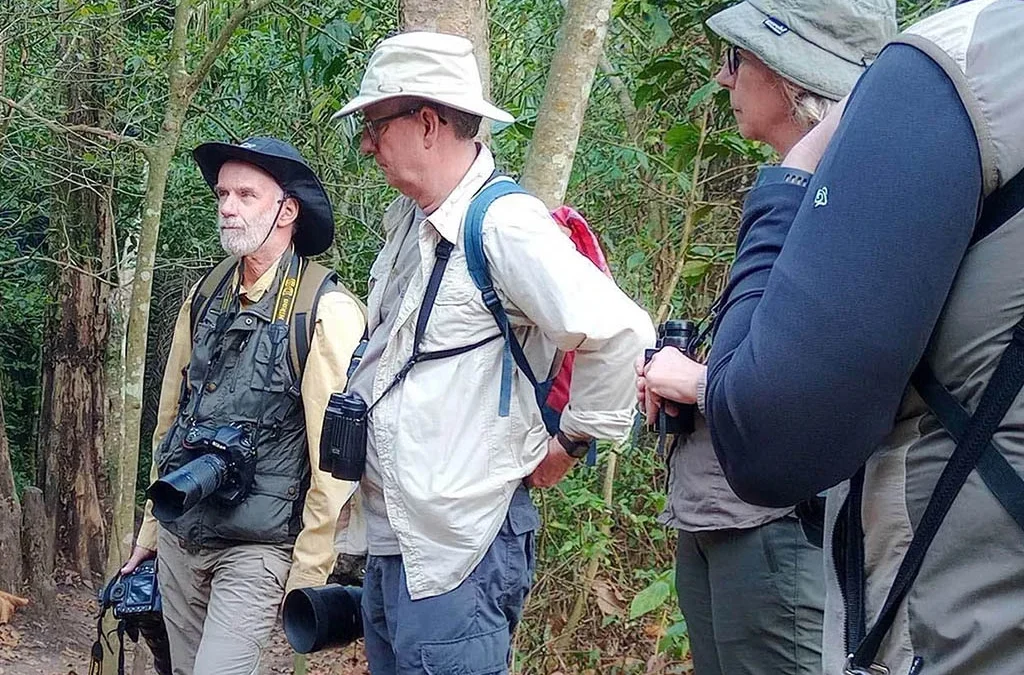
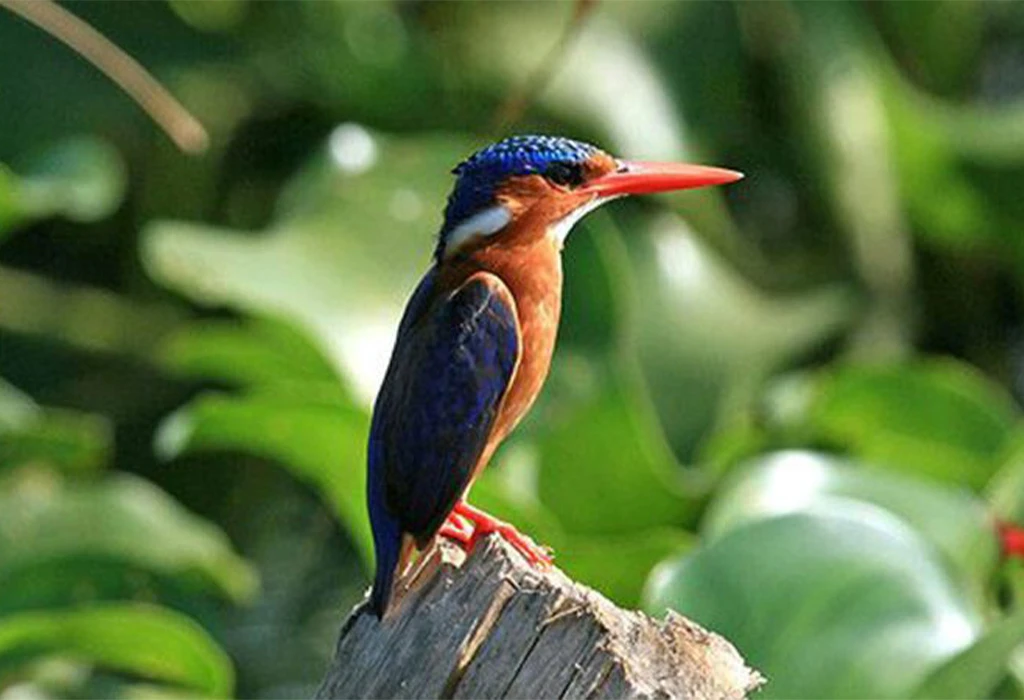
Rwanda is widely known for mountain gorilla trekking, yet the country also ranks among Africa’s most rewarding birding destinations. With more than 750 bird species recorded across forests, wetlands, lakes, and savannah landscapes, Rwanda offers exceptional bird-watching experiences for both beginner and experienced birders. From the misty trails of Nyungwe Forest National Park to the wetlands of Akagera and the scenic shores of Lake Kivu, every region reveals unique birdlife and breathtaking scenery.
At Experiya Tour Company, we believe a birding safari in Rwanda is more than simply spotting birds. It is an opportunity to connect with nature, explore diverse ecosystems, and experience the peaceful beauty of the “Land of a Thousand Hills.” Proper preparation can make your birding adventure smoother, more enjoyable, and far more rewarding.
Why Rwanda Is a Top Birding Destination
Although Rwanda is a small country, it supports an extraordinary range of habitats. Dense montane forests, papyrus swamps, lakes, rolling hills, and savannah plains create ideal conditions for hundreds of bird species. Rwanda also lies within the Albertine Rift Valley, one of Africa’s richest biodiversity hotspots.
Birders visiting Rwanda have the chance to spot rare endemic species such as the Albertine Owlet, Grauer’s Warbler, Rwenzori Turaco, and Red-collared Mountain Babbler. In addition, migratory birds arrive during certain seasons, adding even more diversity to the bird checklist.
Because of its compact size, travelers can easily combine bird watching with gorilla trekking, chimpanzee tracking, cultural tours, or wildlife safaris. This combination makes Rwanda one of the most versatile safari destinations in East Africa.
Best Birding Areas in Rwanda
Bird Watching in Nyungwe Forest National Park
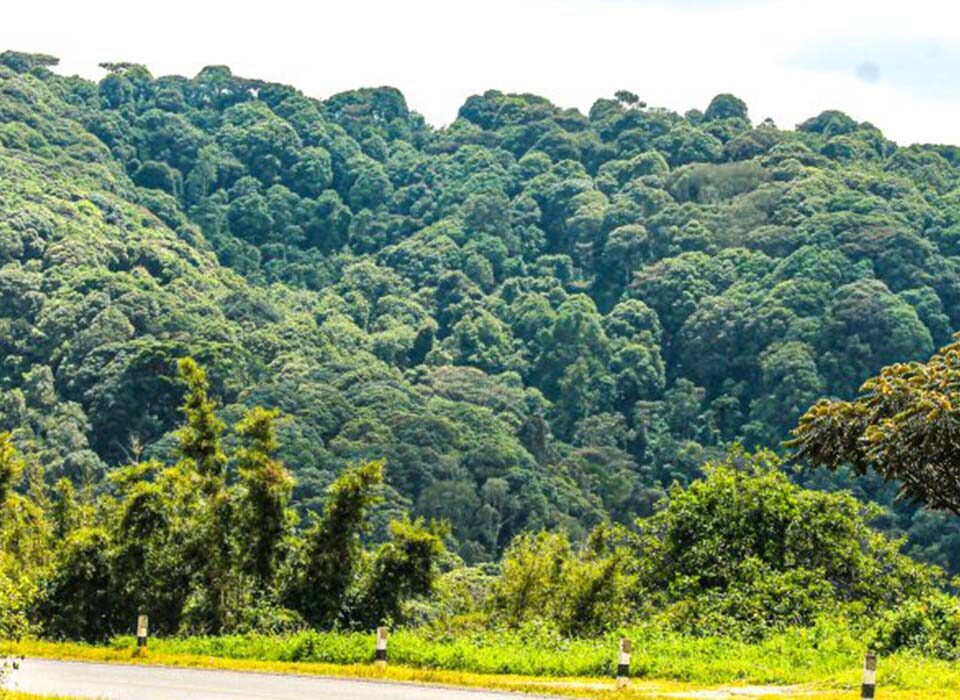
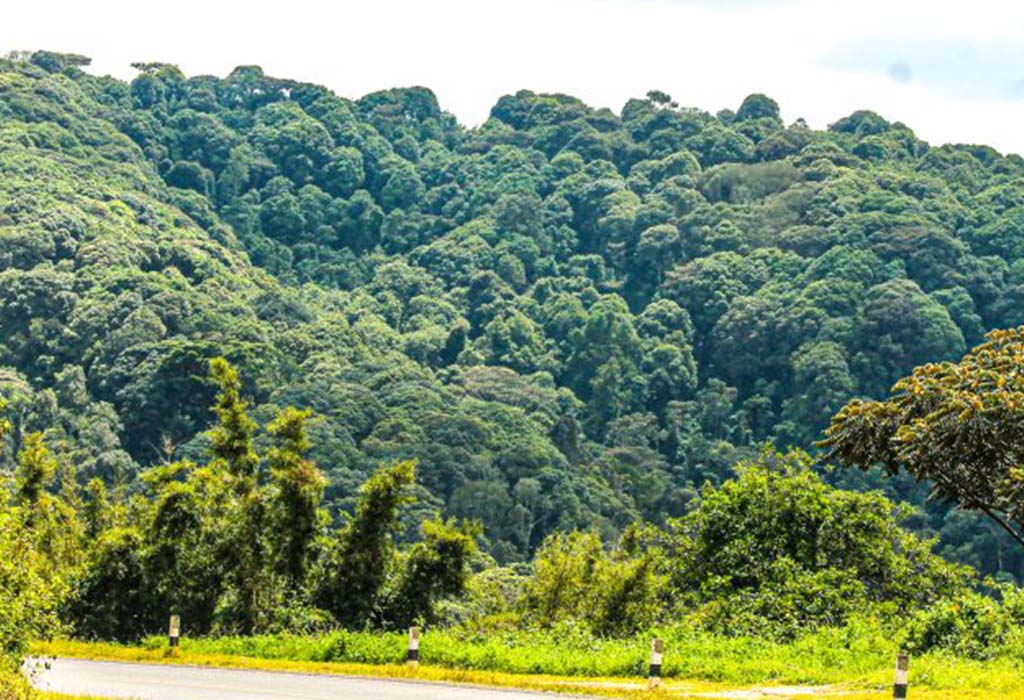
Nyungwe Forest National Park stands out as Rwanda’s premier birding destination. Located in southwestern Rwanda, this ancient rainforest stretches along the border with Burundi and forms one of Africa’s largest remaining montane forests.
Nyungwe hosts more than 300 bird species, including many Albertine Rift endemics. Birders often explore the forest during guided nature walks and chimpanzee trekking excursions. The dense canopy, waterfalls, and scenic trails create a magical birding atmosphere.
Some of the notable species found here include the Albertine Owlet, Blue-headed Sunbird, Rwenzori Turaco, Purple-breasted Sunbird, Red-throated Alethe, and Grauer’s Warbler. Early morning birding in Nyungwe provides the best opportunities for sightings and bird calls.
Bird Watching in Akagera National Park
Akagera National Park, located in eastern Rwanda, offers a completely different birding experience. Unlike Nyungwe’s rainforest environment, Akagera features savannah plains, wetlands, lakes, and rolling hills.
The park supports more than 500 bird species, making it one of the richest birding areas in East Africa. Lake Ihema and the surrounding wetlands attract water birds, while the savannah hosts raptors and colorful woodland species.
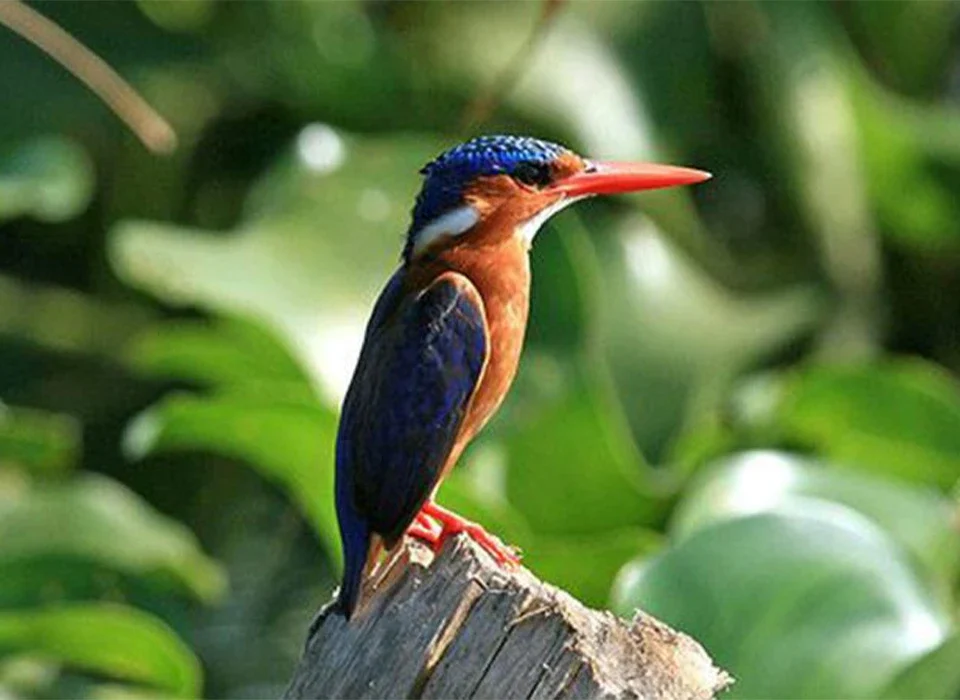
Birders commonly spot African Fish Eagles, Saddle-billed Storks, Grey Crowned Cranes, African Jacanas, Lilac-breasted Rollers, and the rare Papyrus Gonolek. Akagera also provides one of the best chances to see the iconic Shoebill Stork in Rwanda.
Morning game drives and boat safaris offer excellent birding opportunities because birds become highly active shortly after sunrise.
Bird Watching in Volcanoes National Park
Volcanoes National Park is famous for gorilla trekking, but it also provides rewarding birding experiences. The park lies in northwestern Rwanda and protects the beautiful Virunga Volcanoes.
The bamboo forests and montane vegetation support around 200 bird species, including several Albertine Rift endemics. Birders visiting Volcanoes National Park may encounter the Rwenzori Batis, Archer’s Robin-chat, Dusky Crimsonwing, Strange Weaver, and handsome francolins.
In addition, the dramatic volcanic scenery creates unforgettable moments for photographers and nature lovers.
Bird Watching in Rugezi Wetland
Rugezi Wetland, Rwanda’s only designated Ramsar site, offers excellent swamp birding opportunities. Located in northern Rwanda, this wetland attracts species that thrive in papyrus habitats.
Birders frequently spot Grauer’s Swamp Warbler, Papyrus Canary, and Grey Crowned Cranes. Boat rides on nearby Lake Nyagafunzo provide even better views of wetland birds and surrounding landscapes.
Bird Watching Around Lake Kivu
Lake Kivu stretches along Rwanda’s western border with the Democratic Republic of Congo and remains one of the country’s most scenic regions. The lake’s shoreline, forests, and islands support diverse birdlife.
Birders exploring Lake Kivu often see African Pied Wagtails, White-browed Robin-chats, Yellow-fronted Canaries, African Fish Eagles, Bronze Sunbirds, and many species of swallows and weavers.
Boat cruises and lakeside nature walks create peaceful and rewarding birding experiences.
What to Pack for a Birding Safari in Rwanda
Preparing properly for a birding safari improves comfort and increases your chances of successful sightings. Rwanda’s birding areas often include forests, wetlands, and uneven terrain, so travelers should pack carefully.
Carry a Good Pair of Binoculars
Binoculars are the most important equipment for bird watching. Many birds remain hidden high in forest canopies or deep within vegetation. A quality pair of binoculars allows you to observe birds clearly without disturbing them.
Lightweight binoculars with strong magnification work best for Rwanda’s forests and wetlands.
Bring a Camera
Rwanda’s birdlife provides incredible photography opportunities. Therefore, carrying a good camera with a zoom lens helps you capture memorable moments during your safari.
Bird photography requires patience because some species move quickly or remain hidden in dense vegetation. Extra batteries and memory cards are also essential for longer excursions.
Pack Comfortable Clothing
Birding safaris involve long walks through forests, wetlands, and national parks. Comfortable hiking clothes and sturdy walking shoes are necessary.
Neutral-colored clothing such as green, brown, or khaki works best because bright colors may scare away birds. Long-sleeved shirts and trousers also help protect against insects and thorny vegetation.
During rainy seasons, waterproof jackets and lightweight rain gear become very useful.
Carry Insect Repellent
Many birding areas contain mosquitoes and other insects, especially wetlands and tropical forests. Applying insect repellent helps protect against bites and keeps you comfortable throughout the safari.
Sunscreen and a hat are equally important, especially when birding in open savannah regions like Akagera National Park.
Bring Drinking Water and Snacks
Bird watching often takes several hours, especially during full-day excursions. Carrying enough drinking water helps you stay hydrated throughout the day.
Energy snacks or packed lunches also come in handy during long walks in remote areas where restaurants and shops may not be available.
Use a Bird Guidebook or Birding App
A bird guidebook helps identify species more easily during the safari. Many books contain photos, descriptions, and habitat information for Rwanda’s birds.
Some travelers also use birding apps that include bird calls and identification tools, making the experience even more interactive.
Important Birding Etiquette in Rwanda
Responsible bird watching protects wildlife and preserves natural habitats for future generations. At Experiya Tour Company, we encourage all travelers to follow ethical birding practices during their safari.
While observing birds, keep movements slow and quiet. Sudden noise or aggressive behavior can frighten birds away and disrupt their natural activities.
Avoid getting too close to nests or breeding areas. Birds may abandon their nests if they feel threatened by human presence.
When taking photographs, switch off camera flash because strong light can disturb birds, especially nocturnal species and nesting birds.
In addition, never litter in forests, wetlands, or national parks. Protecting the environment ensures that bird habitats remain healthy and sustainable.
Most importantly, always follow instructions from guides and park rangers. Their experience helps maximize sightings while ensuring visitor safety and wildlife protection.
Best Time for Bird Watching in Rwanda
Bird watching in Rwanda takes place throughout the year, but some seasons offer better conditions than others.
The dry seasons, from June to September and December to February, provide the best birding conditions because trails remain accessible and weather conditions stay favorable.
However, December to February becomes particularly exciting because migratory bird species arrive from Europe and other regions. During this period, bird diversity increases significantly, creating outstanding opportunities for photographers and avid birders.
The rainy seasons also attract many birders because forests become lush and breeding plumage appears more vibrant. Although trails can become muddy, experienced birders still enjoy rewarding sightings during these months.
Enjoy Rwanda’s Remarkable Birdlife with Experiya Tour Company
A birding safari in Rwanda combines adventure, relaxation, and extraordinary wildlife encounters. Whether you explore the ancient forests of Nyungwe, the wetlands of Akagera, or the peaceful shores of Lake Kivu, Rwanda delivers unforgettable bird-watching experiences.
With proper preparation, the right equipment, and guidance from experienced local experts, your safari becomes even more enjoyable and productive.
Experiya Tour Company organizes customized Rwanda birding safaris that combine expert guiding, comfortable travel, and authentic nature experiences. From rare Albertine Rift endemics to colorful migratory species, Rwanda offers endless discoveries for every bird lover.