Cultural Encounters in Bwindi: Meet the Batwa People
April 24, 2026
Can You Wear Black for Gorilla Trekking?
April 24, 2026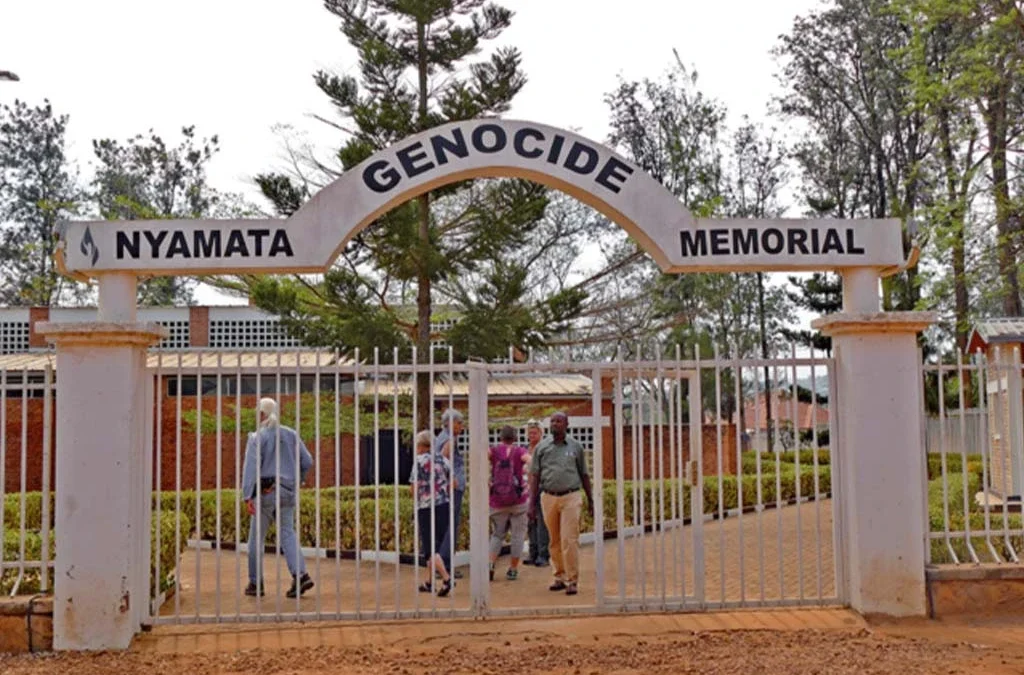
When you visit Rwanda, you quickly realize that its story is not only about breathtaking landscapes and remarkable wildlife, but it is also about remembrance, resilience, and healing. Across the country, genocide memorial centers stand as powerful reminders of the 1994 Genocide against the Tutsi, during which nearly one million people were killed in just 100 days.
The violence followed the downing of a plane carrying President Juvénal Habyarimana of Rwanda and President Cyprien Ntaryamira of Burundi. In the aftermath, extremist militias launched widespread killings, targeting Tutsi and moderate Hutu. To this day, the exact perpetrators behind the plane attack remain unconfirmed. What is certain, however, is the scale of human loss and the deep scars left behind.
Today, Rwanda preserves this history through a network of memorial centers that honor victims, educate visitors, and support survivors. Traveling with Experiya Tour Company, I found these sites not only informative but deeply moving, each one telling a story that demands reflection and respect.
Kigali Genocide Memorial Center
Located in Gisozi, just outside Kigali’s city center, the Kigali Genocide Memorial is often the first stop for visitors. Established in 2004, it serves as the final resting place for more than 250,000 victims.
Walking through the memorial, I felt a quiet heaviness. The gardens offer a serene space for reflection, yet beneath them lie mass graves. Inside, exhibitions carefully explain how the genocide unfolded, placing Rwanda’s tragedy within the broader context of global genocides. One particularly moving feature is the Wall of Names, which continues to grow as more victims are identified.
Beyond remembrance, the center actively supports survivors, especially widows and orphans. It is not just a memorial—it is a place of education, healing, and ongoing documentation.
Nyanza Genocide Memorial Center (Kicukiro)
In Kicukiro, a suburb of Kigali, the Nyanza Memorial marks a deeply painful chapter. At first glance, the site appears simple, with mass graves and wooden crosses. However, the story beneath the surface is devastating.
Thousands of Tutsi civilians had taken refuge at the Ecole Technique Officielle, protected initially by UN peacekeepers. When Belgian troops withdrew after the killing of their soldiers, those civilians were left defenseless. Soon after, militias captured and transported them to Nyanza, where they were killed.
Standing there, I could not ignore the silence; it speaks volumes about abandonment and loss.
Nyamata Genocide Memorial Centre
About 30 kilometers south of Kigali lies Nyamata, a former church that now serves as a memorial. During the genocide, thousands sought refuge here, believing it would offer safety. Instead, it became a site of mass.
Inside the church, clothing and personal belongings remain exactly where they were found. The atmosphere is overwhelming. Displays and testimonies reveal the brutality faced by victims, especially women, who endured unimaginable violence.
As I walked through the site, the preserved interior made the events feel immediate and real, far beyond what any history book could convey.
Murambi Genocide Memorial Centre
Murambi offers one of the most haunting experiences. Located in southern Rwanda, this memorial was established in 1995 at a former technical school.
Tens of thousands of people had gathered here, hoping for protection. Instead, they were systematically killed. Today, preserved remains are displayed in classrooms as an unsettling but powerful testimony to what happened.
Only a handful of people survived. Visiting Murambi is not easy, but it is essential for understanding the full reality of the genocide.
Ntarama Genocide Memorial Centre
Ntarama, another church-turned-memorial, honors around 5,000 victims. The building itself remains largely unchanged, allowing visitors to see the destruction firsthand.
What struck me most here were the personal items, clothes, shoes, and everyday belongings still preserved. They transform statistics into human stories.
The site reveals how even places of worship were not spared, highlighting the extent of the violence.
Bisesero Genocide Memorial Centre
In the hills of Bisesero, the narrative shifts slightly. Here, Tutsi communities attempted to resist using stones and simple tools. For a time, they held out against attackers.
However, they were eventually overwhelmed, and tens of thousands were killed. The memorial sits in a remote, rugged landscape, reinforcing the isolation those people must have felt.
Reaching Bisesero requires effort, but the journey adds depth to the experience. It is a story of courage as much as tragedy.
Nyarubuye Genocide Memorial Center
Located in eastern Rwanda near the Tanzanian border, Nyarubuye is one of the most significant massacre sites. Thousands of people were killed here while seeking refuge in a church and surrounding buildings.
Today, the site preserves clothing, shoes, and remains as a testament to the lives lost. Nearby, a school now operates, symbolizing continuity and hope for future generations.
Why Visit These Memorials?
Visiting Rwanda’s genocide memorial centers is not about dark tourism; it is about understanding, empathy, and respect. Each site offers a different perspective, but together they tell a unified story of loss, resilience, and rebuilding.
Traveling with Experiya Tour Company, I experienced these places in a way that felt thoughtful and well-guided. The journey allowed time for reflection while providing meaningful context that deepened my understanding.
Final Reflection
Rwanda today stands as one of Africa’s most inspiring examples of recovery and unity. Yet, it does not hide its past. Instead, it preserves it with dignity, ensuring that the world never forgets.
A visit to these memorial centers will stay with you long after you leave. It challenges you to reflect not only on history but also on humanity itself and the responsibility we all share to prevent such tragedies from ever happening again.