Big Five Safari in Queen Elizabeth National Park
April 22, 2026
Where to See Giraffes on a Game Drive in Uganda
April 22, 2026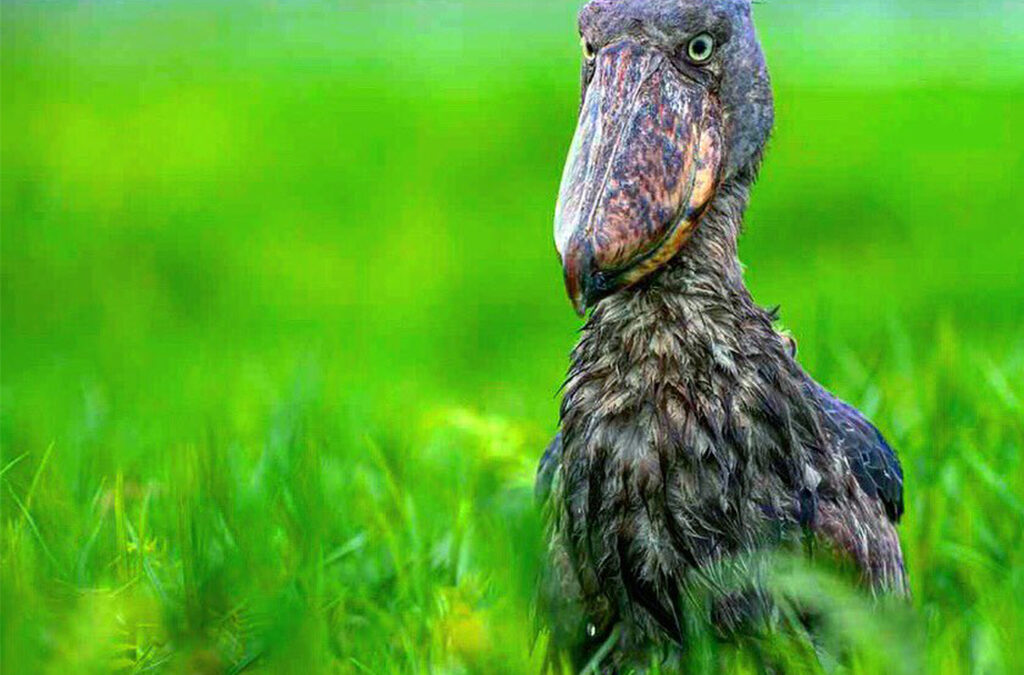
Spotting the elusive shoebill stork in Mabamba Swamp is one of the most rewarding birding experiences in Uganda. However, timing plays a crucial role in increasing your chances. Understanding the seasons, daily patterns, and local conditions can make all the difference. Best Time for Shoebill Stork in Mabamba Swamp.
Best Time to Visit Mabamba Swamp
The best time to spot the shoebill stork in Mabamba Swamp is during the dry season. These typically run from June to September and again from December to early February. During these months, water levels drop, forcing shoebills out of deeper swamp areas in search of food, especially lungfish.
As a result, they become easier to locate and observe. In addition, calmer waters and clearer skies create better conditions for photography and filming. You can capture these rare birds from multiple angles without much disturbance.
Best Time of Day to See the Shoebill
Early morning offers the highest chances of spotting a shoebill. At this time, the swamp is quieter, with minimal fishing activity and fewer disturbances. The water is usually calm, which allows easier navigation through the narrow channels.
Moreover, shoebills tend to be more active in the morning as they hunt for food. Therefore, starting your trip at dawn significantly improves your chances of success.
Location and Accessibility of Mabamba Swamp
Mabamba Swamp lies about 12 kilometers west of Entebbe, making it one of the most accessible birding destinations in Uganda. Its proximity to the international airport makes it an ideal first or last stop on a safari.
The swamp is best accessed by boat, and local guides are readily available to assist visitors for a small fee. These guides play a key role in locating the shoebill, as they understand its movement patterns and preferred feeding areas.
How to Get to Mabamba Swamp
By Boat
The fastest and most popular route is by motorboat from Nakiwogo landing site in Entebbe. From there, you head toward Bussi Island, where you connect with a local guide who leads you into Mabamba Swamp.
By Road
Alternatively, you can travel by road through Kasanje and Nakawuka to Mabamba. Although this journey takes about two hours, it offers scenic views along the way.
What Else to See in Mabamba Swamp
While the shoebill is the star attraction, Mabamba Swamp hosts a wide variety of bird species. These include African fish eagles, great white egrets, grey parrots, blue swallows, and African marsh harriers.
Because of this diversity, the swamp is recognized as one of Uganda’s top birding hotspots. Even if you miss the shoebill, the overall birding experience remains exceptional.
Other Birding Destinations in Uganda
Uganda boasts over 1,000 bird species thanks to its diverse habitats. Beyond Mabamba, several destinations offer outstanding birding experiences.
Murchison Falls National Park
This park combines birding with classic wildlife safaris. Along the Victoria Nile, you may spot African skimmers, fish eagles, and occasionally shoebills near quieter sections of the river.
Queen Elizabeth National Park
With over 600 bird species, this park is a haven for bird lovers. The Kazinga Channel attracts numerous water birds, while the Ishasha and Edward Flats areas provide excellent viewing opportunities.
Kibale National Park
Known for chimpanzees, Kibale also hosts over 325 bird species. The Bigodi Wetland Sanctuary, in particular, offers a chance to see rare birds, sometimes including the shoebill.
Bwindi Impenetrable Forest
Famous for mountain gorillas, Bwindi is also rich in birdlife. The Ruhija sector is especially rewarding for birders seeking Albertine Rift endemics.
Mgahinga National Park
Although smaller, this park offers unique high-altitude bird species. The gorge trail is particularly productive for bird sightings.
Is Birding in Mabamba Swamp Safe?
Birding in Mabamba Swamp is generally safe. However, you should follow basic precautions. Always wear a life jacket during boat rides and listen carefully to your guide’s instructions.
Because the swamp channels are narrow and sometimes challenging, it is important to stay alert. Avoid carrying unnecessary valuables, and prepare for a bit of adventure.
How Long Does It Take to Find the Shoebill?
The time it takes to locate a shoebill varies. In some cases, visitors spot one within an hour. In others, it may take several hours depending on weather conditions, food availability, and movement patterns.
Although sightings are not guaranteed, experienced guides significantly improve your chances for the Best Time for Shoebill Stork in Mabamba Swamp.
What Increases Your Chances of Seeing the Shoebill?
Several factors can improve your chances. Visiting during the dry season, starting early in the morning, and hiring a knowledgeable guide are key.
Additionally, maintaining silence and patience helps avoid scaring the bird away. Shoebills are sensitive to disturbances, so a calm approach is essential.
Is Birding in Mabamba Swamp Difficult?
Birding in Mabamba can be physically demanding. Since the swamp is navigated by canoe, you may encounter narrow channels and thick vegetation.
Furthermore, the area is home to insects and other swamp creatures, so wearing protective clothing is advisable. Despite these challenges, the experience remains highly rewarding.
Final Thoughts
Mabamba Swamp offers one of the best opportunities in Africa to see the rare shoebill stork. With the right timing, preparation, and guidance, your chances of a successful sighting are high.
For a smooth and well-organized experience, the Experiya tour company can help arrange guided birding trips tailored to your schedule.