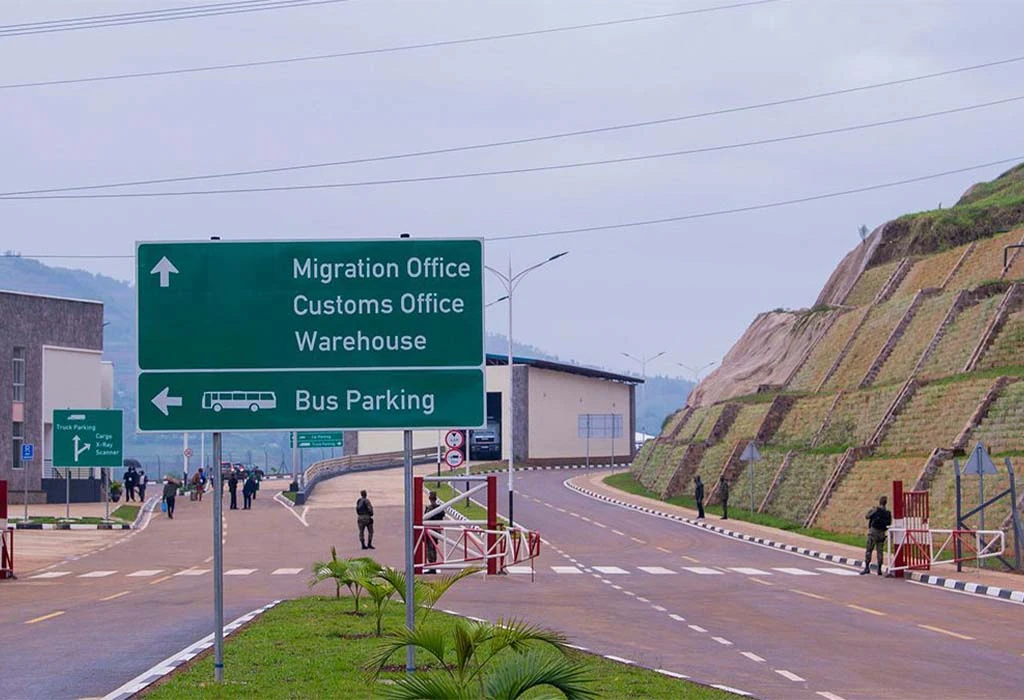
What to Expect at Rwanda Immigration
April 22, 2026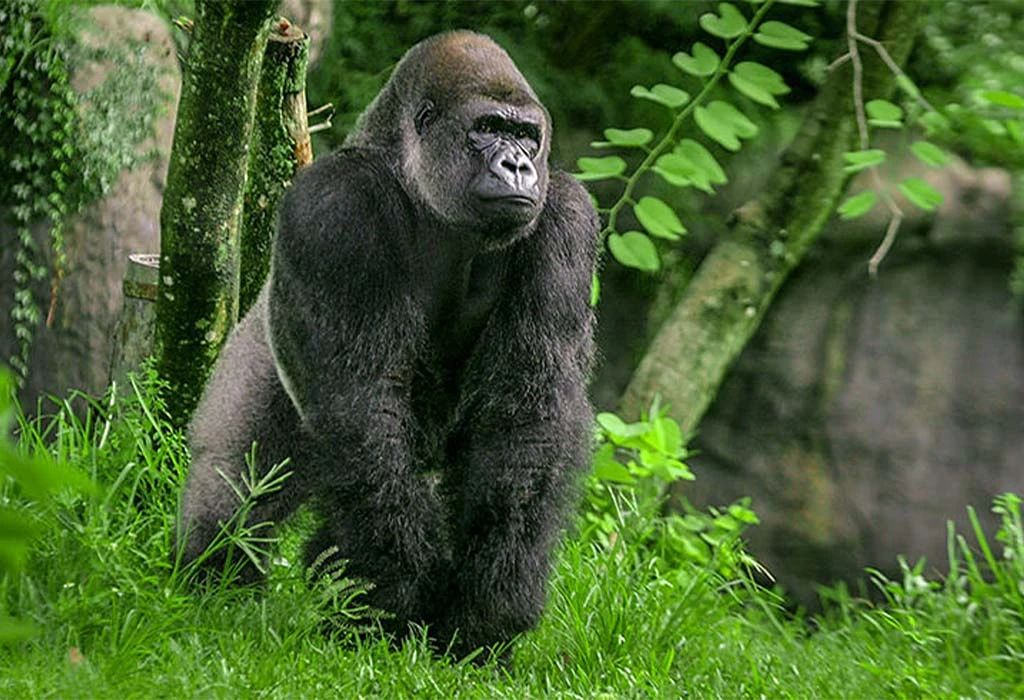
Mountain Gorillas vs Lowland Gorillas: What’s the Difference?
April 22, 2026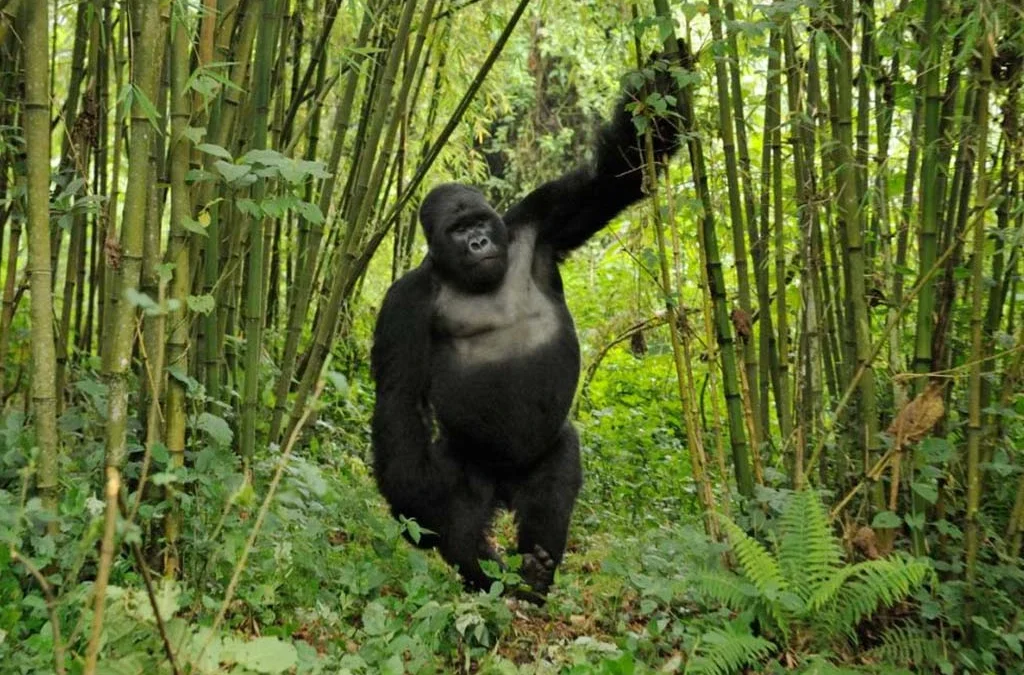
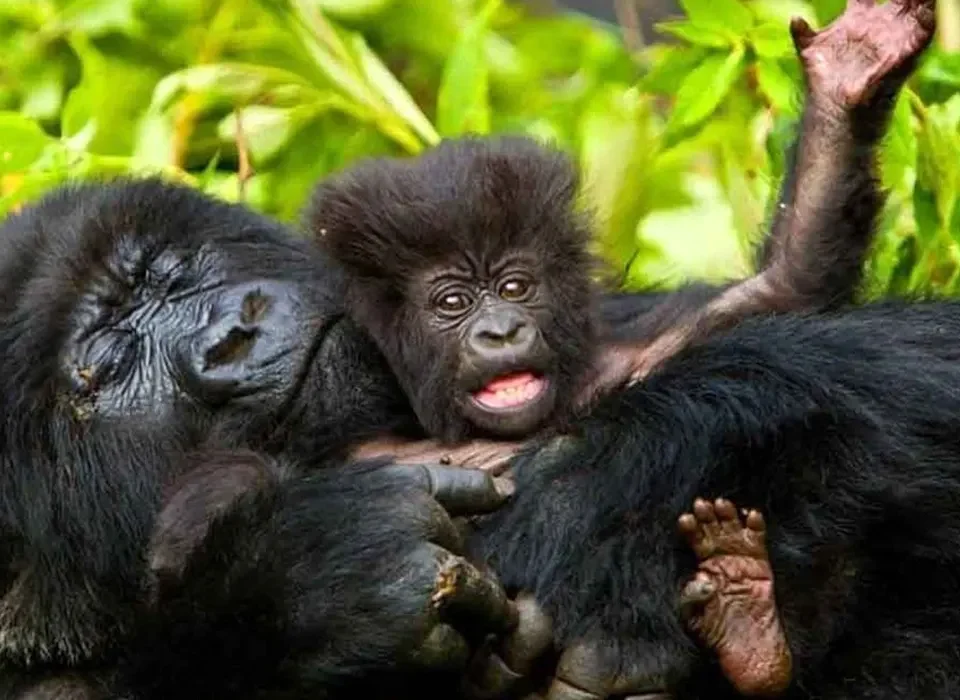
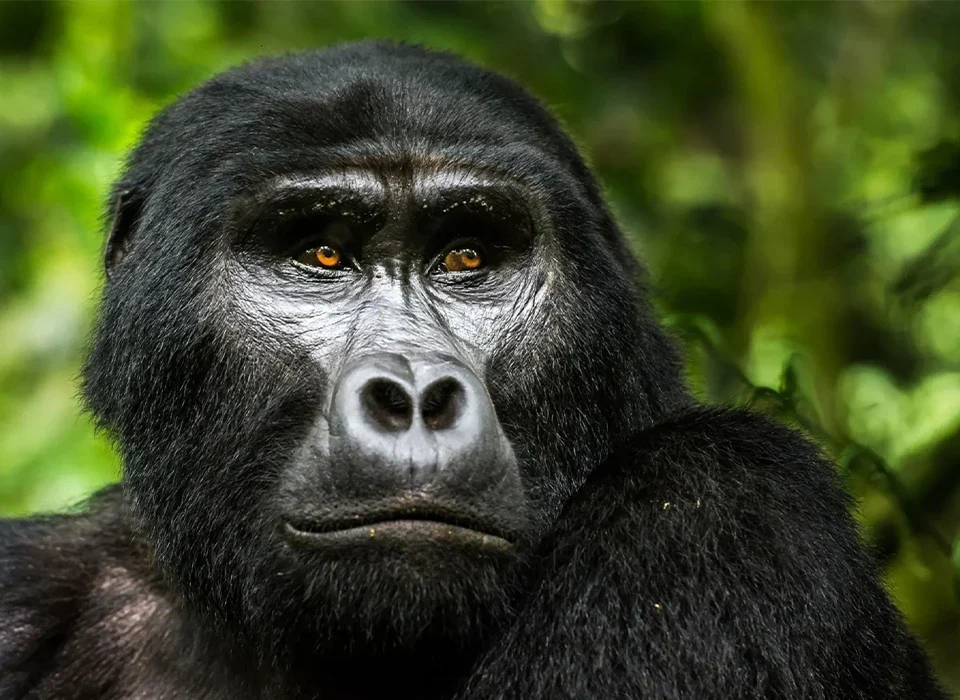
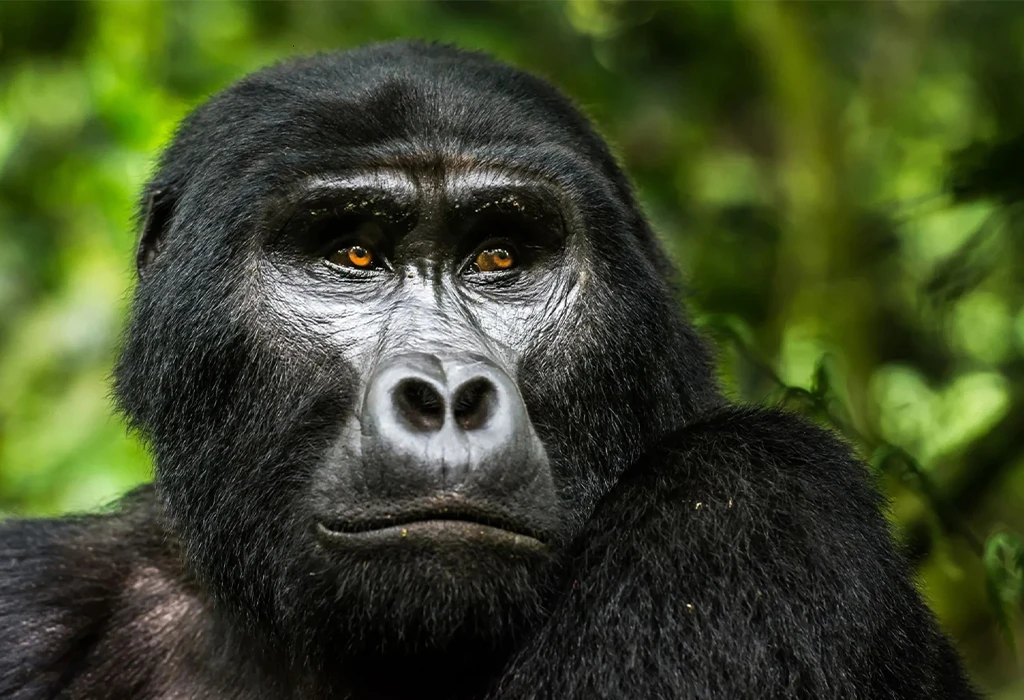
I have spent time in the misty highlands where mountain gorillas live, and one thing becomes immediately clear: their world is delicate, quiet, and deeply dependent on balance. Climate change is now disrupting that balance in ways that are increasingly visible on the ground. These gentle giants—fewer than 1,100 remaining in the wild are facing environmental changes faster than their habitat can naturally adjust.
Mountain gorillas live in the Virunga Mountains spanning Uganda, Rwanda, and the Democratic Republic of Congo, as well as in Bwindi Impenetrable National Park. These forests sit high above sea level, where cool temperatures, steady rainfall, and dense vegetation have supported gorilla life for generations. Today, however, that stability is shifting.
A Changing Climate in the Highlands
Over the years, I have noticed that temperatures in these mountainous regions are no longer as predictable as they once were. Scientists call this “elevation-dependent warming,” where high-altitude areas heat up faster than lower ones. For gorillas, this is a serious problem. They are adapted to cool, moist environments, and even slight temperature increases can affect their comfort, feeding patterns, and movement.
As temperatures rise, the suitable habitat for gorillas begins to shrink upward. However, mountains have limits. There is only so far these animals can go before they run out of livable space. This creates pressure on already small and isolated populations.
Forest Changes You Can See and Feel
Walking through these forests today feels different compared to years ago. Some areas are drier, and certain plant species that gorillas depend on are becoming less common. Climate change is altering rainfall patterns, making wet seasons less reliable and dry periods longer.
Because of this, the forest is slowly transforming. Plants that thrive in cooler conditions struggle, while others that tolerate heat begin to take their place. This shift affects the entire ecosystem. Gorillas rely on a wide variety of vegetation, and when those plants decline, so does their food supply.
Additionally, weakened trees are more vulnerable to disease and storms. As trees fall and forest cover opens up, the environment becomes warmer and less humid. These small changes create pockets of unsuitable habitat, forcing gorillas to move more often in search of food and shelter.
Food Is No Longer Guaranteed
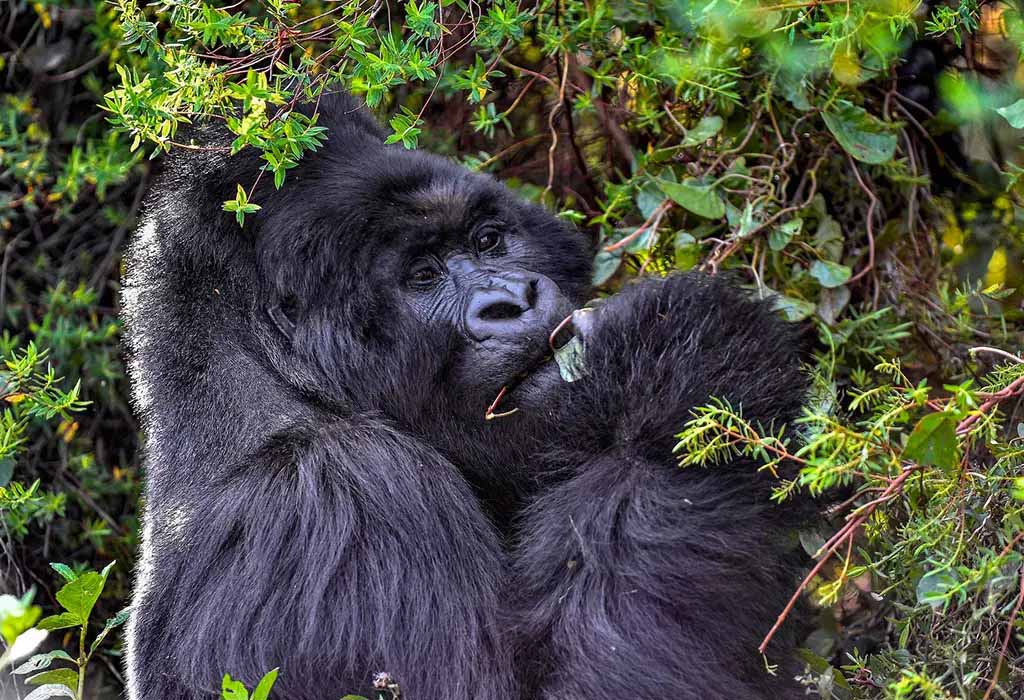
One of the most noticeable changes is how unpredictable food availability has become. Mountain gorillas feed on a rich variety of plants over 100 species and their diet changes with the seasons. However, those seasons are no longer as reliable as they once were.
For example, bamboo shoots, which are a favorite food source, depend heavily on consistent rainfall. When rains delay or fail, bamboo growth suffers. On the other hand, excessive moisture can introduce diseases that damage entire bamboo stands.
Moreover, even when plants grow, their nutritional value is changing. Higher carbon dioxide levels in the atmosphere can reduce the protein content in leaves. As a result, gorillas must spend more time feeding to get the same nutrients. This increases their energy use and affects their overall health.
Water Stress and Shifting Behavior
Although gorillas rarely drink water directly, they usually get enough moisture from the plants they eat. However, with drier conditions becoming more common, this is changing. I have observed that gorillas are starting to travel farther in search of water sources.
This shift is risky. When gorillas move beyond their usual territories, they may come closer to human settlements. This increases the chance of conflict, as well as exposure to human diseases.
Longer travel distances also mean more energy spent and less time resting. Over time, these small stresses can affect group stability and reproduction.
Extreme Weather Is Taking a Toll
Climate change is also making weather more extreme. Heavy rains now come in intense bursts rather than steady patterns. While this might seem beneficial, it often causes landslides in these steep landscapes.
I have seen areas where entire sections of forest have been washed away. These landslides destroy feeding grounds and disrupt established gorilla paths. In some cases, they pose direct danger to the animals themselves.
At the same time, longer dry spells increase the risk of forest fires. Fires were once rare in these humid environments, but conditions are changing. When fires occur, they can quickly destroy large areas of habitat, leaving gorillas with fewer places to go.
Growing Pressure from Human Activity
Climate change does not act alone. It intensifies existing human pressures on gorilla habitats. As farming becomes more difficult due to unpredictable weather, communities often move closer to forest edges in search of fertile land.
This creates a difficult situation. On one hand, local communities need to survive. On the other, expanding agriculture reduces the already limited space available for gorillas.
I have seen how this overlap leads to tension. Gorillas sometimes wander into farmland, especially when food is scarce in the forest. This can result in crop damage, which frustrates farmers and increases the risk of retaliation.
Health Risks Are Increasing
Another growing concern is disease. Because gorillas share much of their DNA with humans, they are highly vulnerable to human illnesses. Even a common cold can be dangerous for them.
As climate change pushes gorillas closer to human areas, the risk of disease transmission rises. Warmer temperatures also affect how diseases spread in the environment, potentially introducing new health threats.
This is one of the reasons why responsible tourism, as practiced by Experiya Tour Company, emphasizes strict health guidelines. Maintaining distance, wearing masks when necessary, and limiting contact are essential to protecting these animals.
Conservation in a Changing World
Protecting mountain gorillas today requires more than traditional conservation methods. Climate change has introduced new challenges that demand flexible and forward-thinking solutions.
From what I have observed, conservation teams are beginning to adapt. They are creating wildlife corridors to connect fragmented habitats, allowing gorillas to move safely between forest areas. In some cases, they are also restoring degraded land to expand available habitat.
At the same time, supporting local communities is critical. When people benefit from conservation through tourism and employment, they are more likely to protect gorilla habitats. Experiya Tour Company, for example, works closely with communities to ensure tourism contributes positively to both people and wildlife.
A Shared Responsibility
Spending time in gorilla habitats leaves a lasting impression. You begin to understand that their survival is tied to something much bigger than the forest itself. Climate change is a global issue, but its effects are deeply local.
Mountain gorillas are not just symbols of conservation success; they are indicators of ecosystem health. When their habitat suffers, it reflects broader environmental changes that ultimately affect us all.
Addressing climate change and protecting these habitats requires collective action—from global policies to local conservation efforts. While progress has been made in increasing gorilla numbers over the years, the challenges ahead are complex and urgent.
The future of mountain gorillas will depend on how well we respond to these environmental changes. Their world is changing, but with the right balance of conservation, community involvement, and climate action, there is still hope that these remarkable animals will continue to thrive in the forests they have called home for generations.