Cultural Encounters in Volcanoes National Park
September 19, 2025
Distance Between Volcanoes and Bwindi Impenetrable National Park
September 19, 2025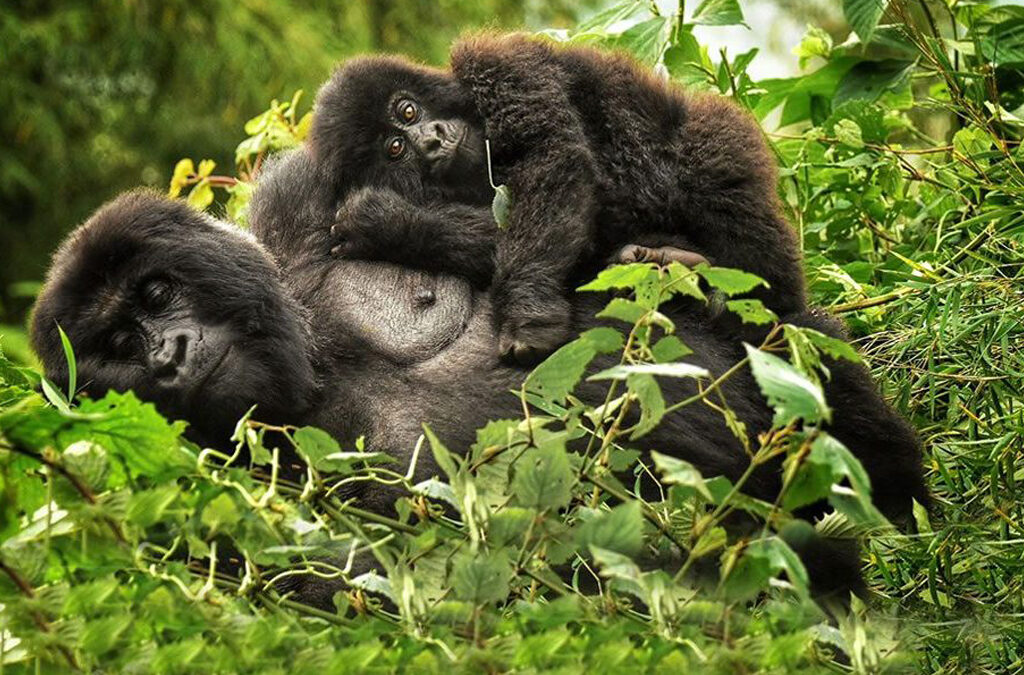
Gorilla trekking is one of the most rewarding wildlife adventures in Africa, but many travelers often ask if it is safe. Concerns usually revolve around the presence of Ebola in parts of Congo and the immense size of a fully grown silverback gorilla.
Uganda, Rwanda, and the Democratic Republic of Congo (DRC) rely heavily on gorilla tourism, with each permit costing between $450 in Congo, $800 in Uganda, and $1,500 in Rwanda. On average, about 200 people trek to see gorillas every day, generating significant revenue for these countries.
To protect this valuable source of income, governments go to great lengths to safeguard both the gorillas and visitors. They have invested in gorilla conservation programs and employ armed rangers to deter poachers. In some areas, the military conducts patrols to prevent rebels from using the forests as hideouts.
The Nature of Mountain Gorillas
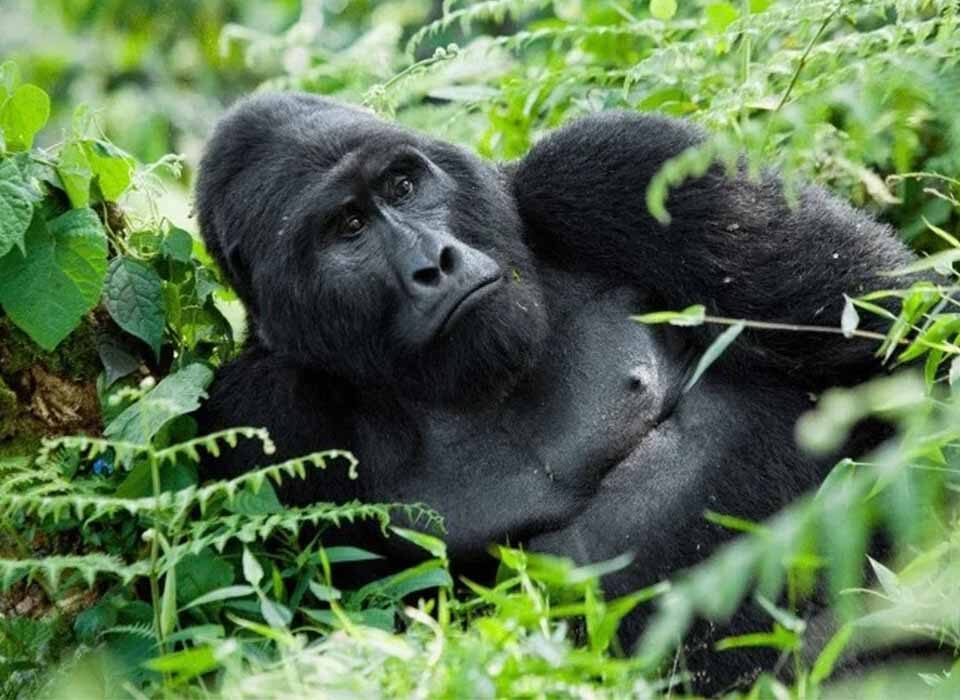
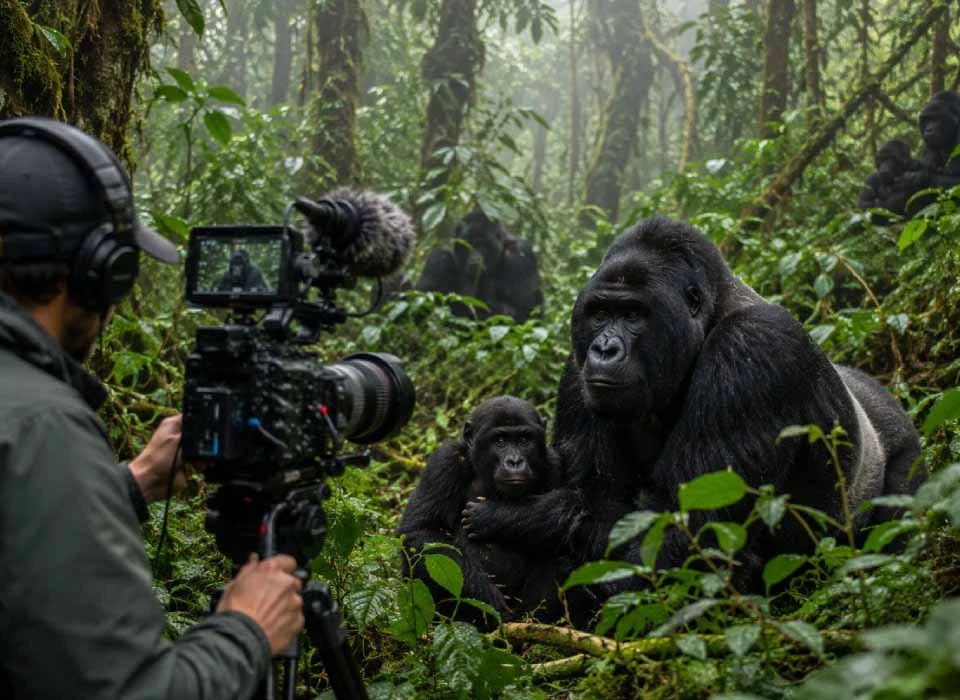
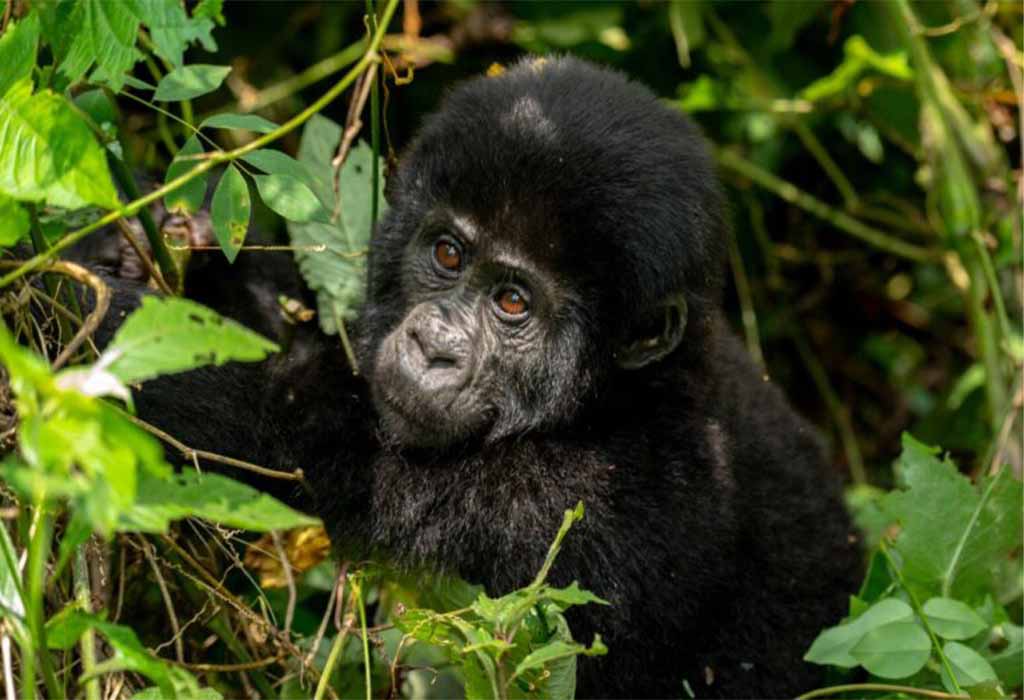
Despite their size and strength, mountain gorillas are calm and peaceful, often referred to as the “gentle giants of the forest.” Trekkers visit habituated gorilla families that have undergone a two-year process to get accustomed to human presence. Still, as with any wild animal, visitors must follow guidelines to ensure safety.
General Safety in Gorilla Trekking Countries
The people of Uganda, Rwanda, and Congo are generally welcoming, friendly, and kind to visitors. Uganda and Rwanda remain stable and peaceful countries, though travelers should exercise caution in major cities, where petty theft like pickpocketing can occur.
While Uganda once faced unrest during the Kony rebellion over a decade ago, peace has since been restored. Today, the country enjoys a thriving tourism industry and safe travel conditions.
Safety in Virunga National Park, Congo
The Democratic Republic of Congo remains unstable in some regions, but it is a vast country, and unrest does not affect all areas. Virunga National Park, a UNESCO World Heritage Site, is well managed and secure for visitors.
The park employs armed wardens who escort tourists and protect them from poachers and illegal armed groups. Visitors may notice a stronger military presence here than in other gorilla destinations, but this is part of the park’s commitment to safety. Additionally, UN peacekeepers stationed in nearby Goma contribute to the region’s security.
Safety in Uganda
Uganda hosts the largest population of mountain gorillas, found in Bwindi Impenetrable Forest and Mgahinga Gorilla National Park. For over 20 years, there have been no security incidents in either park.
The government works closely with the tourism police, armed rangers, and local communities to maintain safety. Communities benefit directly from tourism revenue, which motivates them to report any suspicious activities that could threaten visitors. Secret border patrols by the Uganda People’s Defense Forces also enhance security.
Safety in Rwanda
Rwanda is widely recognized as one of the safest countries in Africa, with extremely low crime rates. In the cities, the risk of theft or mugging is minimal, and police maintain a strong presence.
Volcanoes National Park, home to Rwanda’s gorillas, has heavy security measures in place. Armed rangers escort all tourists during treks, and the chances of encountering poachers or rebels are virtually nonexistent.
Safety Tips for Gorilla Trekking
1. Book with a Trusted Tour Operator
Choose a licensed and experienced tour operator with a good reputation. Check independent reviews before making payments and avoid transferring money to individual accounts.
2. Stay in Secure Accommodation
Book hotels that are not only comfortable but also maintain strong security measures. Avoid extremely cheap options that may attract crowds and compromise safety. Mid-range and luxury lodges generally offer the best security.
3. Follow Gorilla Trekking Rules
- Maintain a distance of at least 7 meters from gorillas, even if they approach you.
- Stay with your group under the guidance of rangers.
- Avoid direct eye contact with gorillas, as it may appear threatening.
- Speak softly and remain calm, even if a gorilla charges.
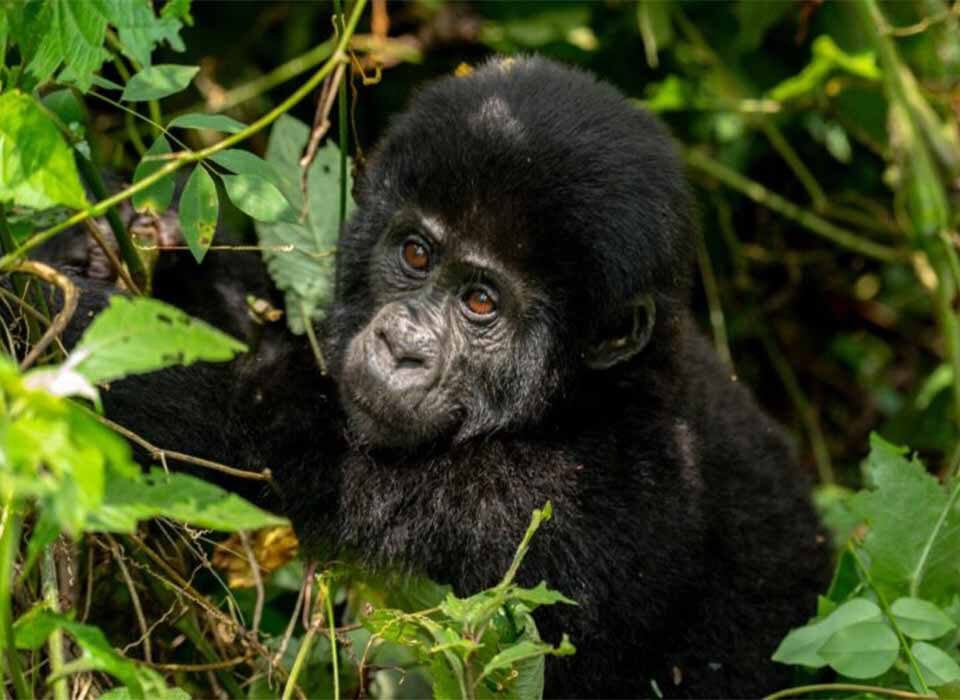
- Never surround a gorilla group or attempt to touch infants.
4. Dress Appropriately
Wear sturdy hiking boots to navigate slippery terrain. Long-sleeved shirts and trousers protect against insects and branches. A hat, sunscreen, and sunglasses shield you from the sun, while a rain jacket and sweater are essential for unpredictable weather.
5. Request an Easier Trek if Needed
If you are not physically fit, elderly, or prefer a lighter trek, inform the rangers in advance. They can assign you to a gorilla family closer to the trailhead. More challenging hikes are available for those seeking adventure, while elderly or physically disabled travelers can request special arrangements.