
What to Know Before Chimpanzee Trekking in Uganda
April 17, 2026
Nature Walks in Akagera National Park
April 18, 2026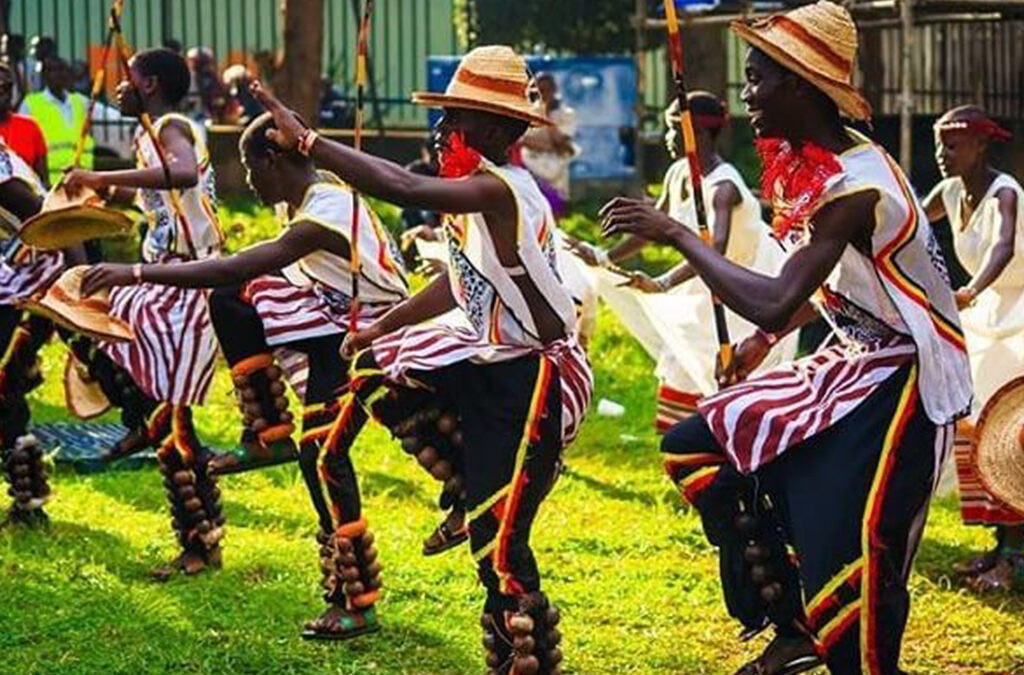
Uganda carries a well-earned nickname, the Pearl of Africa, and from my experience, it truly lives up to it. While many travelers come for gorilla trekking, vast savannas, and dramatic landscapes, I’ve found that the country’s greatest treasure lies in its people. Beneath the natural beauty is a deeply rooted, living cultural heritage shaped by more than 60 ethnic groups. Cultural tours in Uganda.
When I guide cultural tours through Experiya tour company, I always notice how quickly visitors shift from simply observing to genuinely connecting. A cultural tour in Uganda doesn’t just show you traditions, it invites you into them. From vibrant ceremonies in Buganda to the resilient traditions of the Karamojong, every encounter feels personal, meaningful, and unforgettable.
Why Uganda’s Cultural Diversity Runs So Amazing
Uganda’s cultural richness comes directly from its people, and I see this diversity come alive on every journey. The Baganda, Basoga, Banyankole, Batoro, Acholi, and many other communities each carry distinct languages, customs, cuisines, and belief systems.
What makes Uganda unique, however, is that culture isn’t preserved behind glass; it’s lived daily. As you travel across the country, you’ll notice how traditions blend seamlessly with modern life. For instance, you might watch a traditional dance in the evening and share a contemporary meal with the same community afterward.
Because of this, Uganda becomes more than a destination; it becomes an open, living classroom. If you’re curious about how societies evolve while preserving identity, then traveling here offers insight you won’t find in guidebooks.
What You Gain from a Cultural Safari
From my perspective, cultural tours go far beyond sightseeing. They create genuine human connections. When you travel with Experiya Tour Company, you don’t just pass through communities, you engage with them.
You gain a deeper understanding of Uganda’s history, social structures, and traditional beliefs. At the same time, you contribute directly to local livelihoods. I’ve seen how something as simple as buying handmade crafts or participating in a local activity can support families and preserve traditions.
Even more importantly, these experiences stay with you. Long after the trip ends, travelers often tell me they remember conversations, laughter, and shared moments more vividly than anything else.
The Buganda Kingdom Experience
Whenever I begin a cultural journey in central Uganda, I start with the Buganda Kingdom. It offers one of the most comprehensive introductions to Uganda’s political and cultural history.
Walking through the Kasubi Tombs always feels powerful. As a UNESCO World Heritage Site, it holds the burial grounds of Buganda’s kings, and I often find visitors deeply moved by its spiritual significance and unique architecture.
From there, I guide guests to the Kabaka’s Palace at Mengo and along the Royal Mile leading to Bulange, the Buganda Parliament. Step by step, the story of the kingdom unfolds, revealing its lasting influence on modern Uganda.
Discovering the Tooro Kingdom
In western Uganda, near Fort Portal, the Tooro Kingdom offers a completely different yet equally fascinating experience. The region itself is stunning, with rolling hills and crater lakes creating a peaceful backdrop.
At Karuzika Palace, I share stories about King Oyo, one of the youngest monarchs in the world. Visitors often find this particularly intriguing. If you’re lucky enough to visit during the Empango Coronation Ceremony, the atmosphere becomes electric with traditional music, dance, and royal rituals.
Because of its welcoming nature, Tooro gives travelers an intimate glimpse into the traditions of the Batooro people.
The Karamojong Cultural Experience
Traveling northeast into Karamoja feels like stepping into another world. The Karamojong people have preserved their pastoral lifestyle for generations, and cattle remain central to their identity.
During these visits, I often arrange for guests to join daily activities like herding or sit with elders to hear stories about their way of life. Watching the Edonga dance, with its rhythmic jumps and powerful chants, always leaves a lasting impression.
Despite modern influences, the Karamojong have held onto their traditions with remarkable strength. Experiencing this firsthand gives you a deeper appreciation for resilience and cultural pride.
The Batwa Cultural Experience in Bwindi
One of the most humbling experiences I offer is visiting the Batwa communities near Bwindi Impenetrable Forest. As Uganda’s oldest indigenous people, the Batwa have a profound connection to the forest.
During guided walks, I’ve watched visitors learn how to make fire using traditional methods, identify medicinal plants, and listen to stories passed down through generations. These moments are powerful because they reveal a way of life that once thrived entirely within the forest.
Spending time with the Batwa isn’t just educational, it’s deeply moving. It reminds you of the importance of preserving both culture and history.
Sipi Falls and Mount Elgon Communities
In eastern Uganda, Sipi Falls offers a perfect blend of nature and culture. Whenever I take travelers there, they’re immediately struck by the beauty of cascading waterfalls and lush mountain slopes.
However, what truly enriches the experience is engaging with local communities. I often organize coffee tours where you follow the entire process from planting and harvesting to roasting and tasting.
Additionally, joining traditional dances and sharing meals creates a strong sense of connection. This combination of scenery and culture makes Sipi Falls one of my favorite places to visit.
Busoga Kingdom and the Source of the Nile
A journey to eastern Uganda wouldn’t be complete without exploring Busoga and the source of the Nile in Jinja. The Basoga people are known for their craftsmanship, especially in wood carving and pottery.
As you stand at the Nile’s source, there’s a sense of awe that’s hard to describe. For the Basoga, the river holds deep spiritual meaning, and learning about this connection adds depth to the visit.
Combining cultural exploration with such a significant natural landmark creates a truly memorable experience.
Ndere Cultural Centre in Kampala
If you’re short on time but still want a broad cultural overview, I always recommend visiting the Ndere Cultural Centre in Kampala.
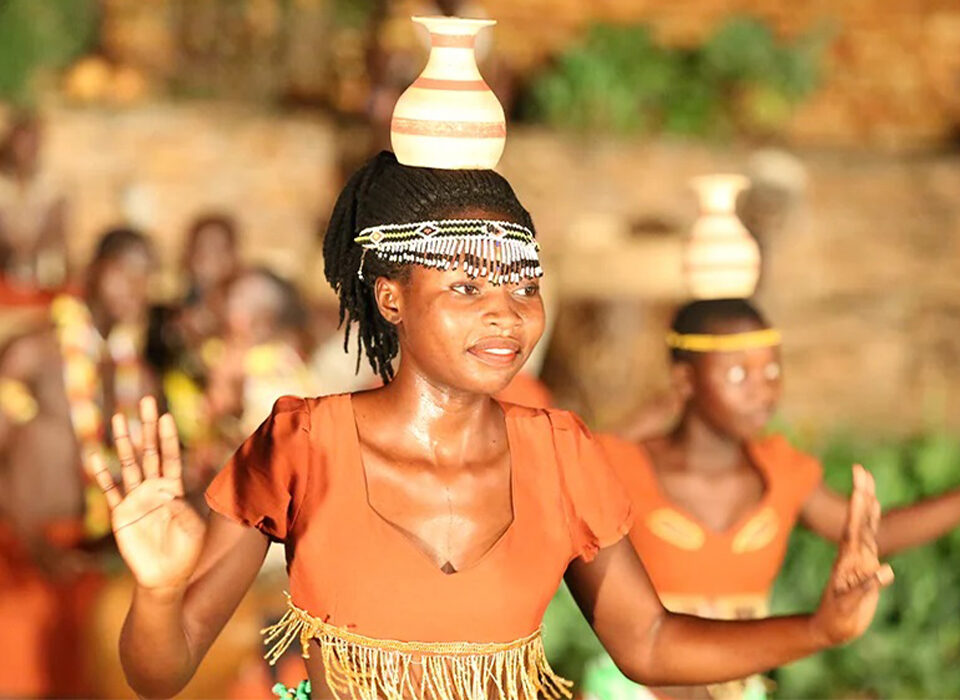
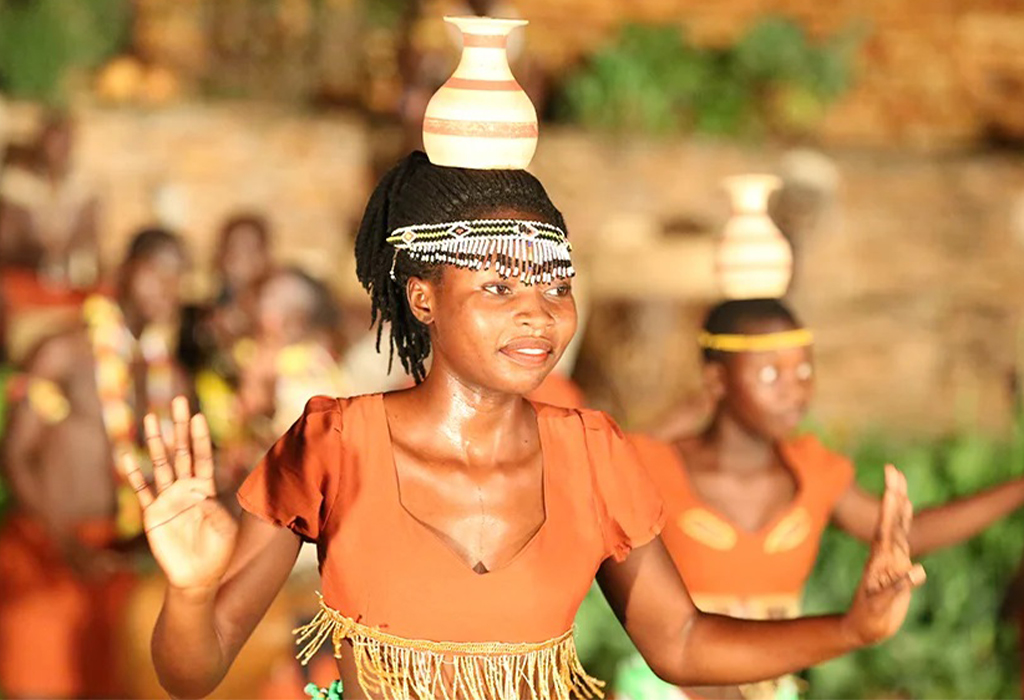
Through Experiya Tour Company, I regularly bring guests here to enjoy performances that showcase music, dance, and storytelling from across Uganda. Each performance is lively, educational, and incredibly engaging.
It’s one of the easiest ways to experience the country’s diversity in a single setting without traveling long distances.
The Ankole Kingdom Experience
In southwestern Uganda, the Ankole Kingdom offers a unique cultural focus centered around long-horned cattle. For the Banyankole people, these animals symbolize wealth, identity, and pride.
I often arrange hands-on experiences where visitors can milk cows, learn how to prepare eshabwe (a traditional yogurt dish), and even participate in herding.
These activities create a deeper connection to daily life in Ankole, making the experience both authentic and meaningful.
Tips for Making the Most of Your Cultural Safari
From my experience organizing tours with Experiya Tour Company, a few simple tips can greatly enhance your journey.
First, plan your visit around cultural festivals whenever possible. Events like the Imbalu Circumcision Ceremony or royal coronations offer unforgettable experiences.
Next, always travel with a knowledgeable local guide. This ensures respectful interaction and deeper understanding.
Additionally, dress modestly when visiting cultural or sacred sites, and always ask permission before taking photographs. Supporting local artisans by purchasing handmade crafts also makes a positive impact.
Most importantly, approach every experience with curiosity and respect. Whether you’re learning to cook traditional food or joining a dance, your willingness to engage fully will shape your entire journey.
Final Thoughts
Cultural tours in Uganda offer something far deeper than sightseeing; they create meaningful human connections. From my firsthand experience, these journeys transform the way people see the world.
Uganda’s cultures are vibrant, resilient, and welcoming. When you travel through them with Experiya Tour Company, you don’t just observe, you become part of the story.