How to Choose a Uganda Safari Tour
April 17, 2026
Cultural Tours in Uganda
April 17, 2026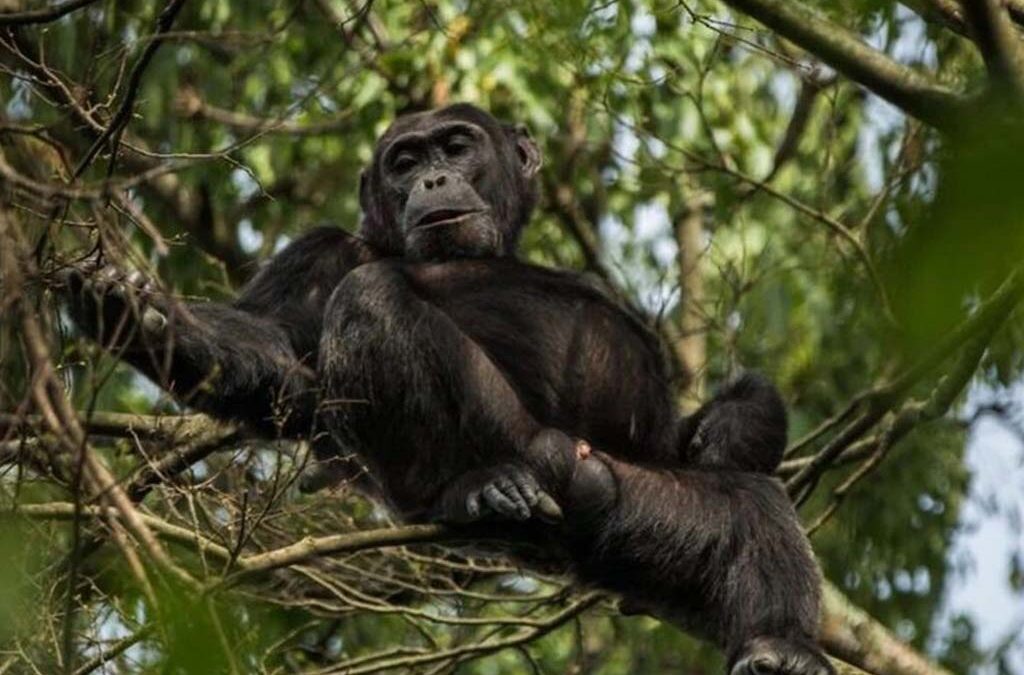
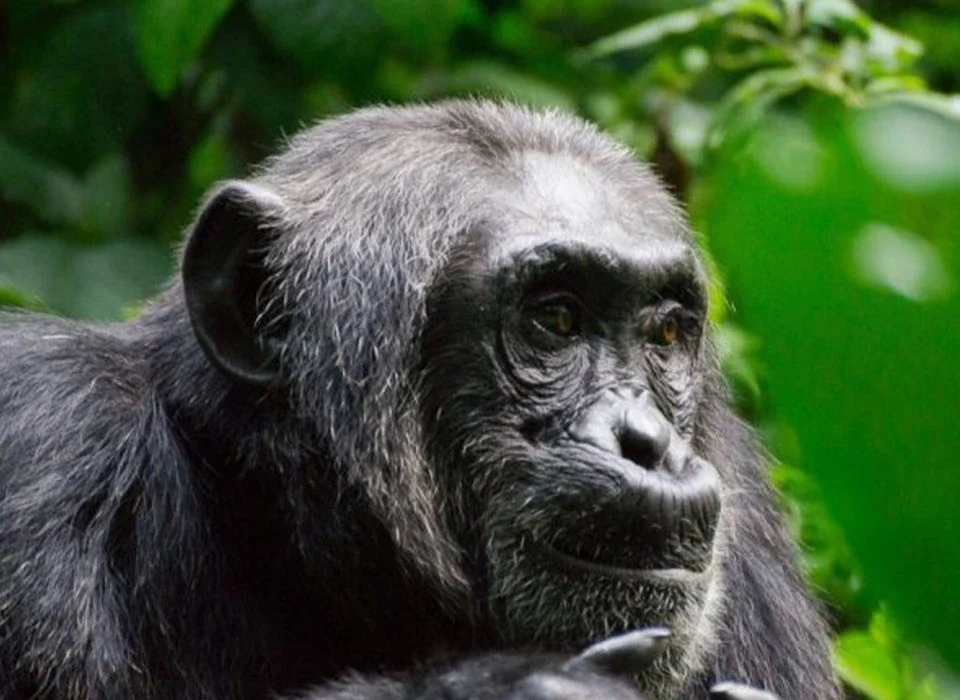
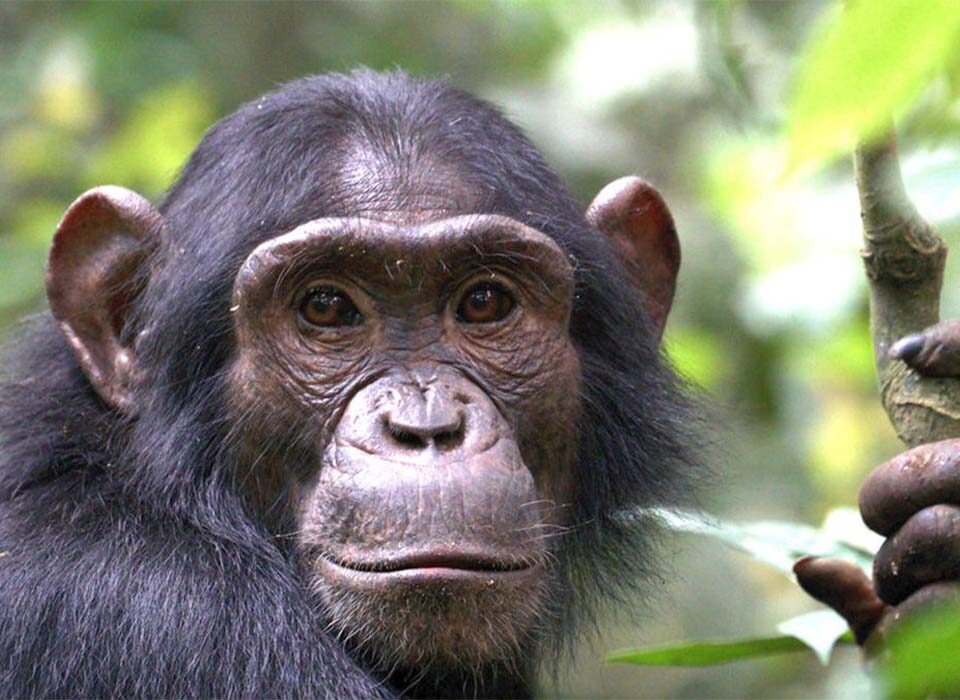
Chimpanzee trekking in Uganda offers one of the most powerful wildlife encounters in Africa. Standing quietly in a rainforest while observing wild chimpanzees in their natural habitat is both thrilling and humbling. However, the experience requires careful preparation. From permits and physical readiness to health precautions and ethical behavior, every detail matters for a safe, respectful, and rewarding adventure.
Permits and Advanced Planning Requirements
Securing Your Chimpanzee Trekking Permit
A chimpanzee trekking permit is the most important requirement before setting off into Uganda’s forests. It serves as official permission to enter protected areas and observe habituated chimpanzee groups. Because authorities limit the number of visitors each day, permits help reduce human pressure on wildlife while preserving natural behavior.
During peak travel seasons June to September and December to February permits often sell out months in advance. If you want a specific date or plan to visit popular destinations like Kibale National Park, it is best to book at least three to six months ahead.
To avoid disappointment or fraud, always secure your permit through Uganda Wildlife Authority or a trusted operator such as Experiya Tour Company. This ensures your booking is legitimate and properly confirmed.
Age and Participation Rules
Chimpanzee trekking is open to visitors aged 15 years and above. This rule exists not only for safety reasons but also to protect chimpanzee communities from disturbance. Younger children may struggle to follow instructions or maintain the required discipline in the forest environment.
There is no upper age limit. However, all participants should be reasonably fit, as the trek can be physically demanding regardless of age.
Physical Fitness and Preparation
Chimpanzee trekking involves hiking through dense, sometimes slippery forest terrain for two to five hours. Although it is not a technical climb, it requires stamina, balance, and endurance.
To prepare effectively, start walking regularly several weeks before your trip. Gradually increase your distance and try walking on uneven ground to simulate forest conditions. Hiking trails, nature parks, or even long city walks can significantly improve your fitness.
Strengthening your legs and improving balance also makes a big difference. Simple exercises like squats, yoga, and single-leg stands help you move more confidently through the forest and reduce the risk of fatigue or injury.
Arrival Timing and On-Ground Logistics
Arriving at your trekking destination the day before your scheduled activity greatly improves your overall experience. It allows you to rest after travel and participate in early morning briefings without stress.
These briefings are essential. Rangers explain safety rules, assign groups, and provide updates on chimpanzee locations. When you arrive early, you also get time to adjust, organize your gear, and mentally prepare for the trek.
In addition, an early arrival gives you the chance to enjoy optional experiences such as cultural visits or nature walks, enriching your safari beyond the chimpanzee trek itself.
Essential Equipment and Gear Selection
Clothing for Forest Conditions
Proper clothing makes your trek more comfortable and safe. Long-sleeved shirts and long trousers are essential because they protect you from insect bites, thorny vegetation, and nettles.
Choose lightweight, breathable fabrics that dry quickly. Forest conditions are often humid, so materials that manage moisture will keep you comfortable throughout the hike. Neutral colors such as green, brown, or khaki work best because they blend with the environment and reduce visual disturbance to wildlife.
Avoid bright colors, as they can stand out in the forest and may distract chimpanzees.
Footwear and Accessories
Good hiking boots are one of the most important investments for chimpanzee trekking. They should offer ankle support, strong grip, and waterproof protection. Most importantly, break them in before your trip to avoid blisters.
Gaiters are also useful because they keep mud, insects, and debris out of your boots. In wet forest conditions, they can make a noticeable difference in comfort.
Weather Protection and Essentials
Rain can fall at any time in Uganda’s forests, so a lightweight rain jacket or poncho is essential. A poncho has the added advantage of covering your backpack and gear.
Carry at least two liters of water per person to stay hydrated throughout the trek. Energy-rich snacks, insect repellent, a small first aid kit, and a fully charged camera are also important. Protect your electronics with waterproof bags, especially during the rainy season.
Health Requirements and Disease Prevention
Chimpanzees share about 98% of their DNA with humans, which makes them highly vulnerable to human diseases. Even a mild cold or flu can have serious or fatal consequences for wild chimpanzee populations.
Because of this, strict health rules are enforced. If you show any symptoms of illness especially coughing, fever, or respiratory infections you will not be allowed to join the trek. While this may feel strict, it is a critical conservation measure.
Before entering the forest, rangers conduct health screenings, including temperature checks. If you are unwell, your trek will be postponed to protect the chimpanzees.
Behavioral Guidelines and Conservation Ethics
Maintaining Safe Distances
Visitors must always maintain a minimum distance of 7–8 meters from chimpanzees. This protects both humans and animals by reducing stress and preventing disease transmission.
Rangers closely monitor the group throughout the encounter. Because chimpanzees move freely through the forest, you must be ready to adjust your position whenever instructed.
Photography Rules
Flash photography is strictly prohibited because it can startle chimpanzees and disrupt their natural behavior. Instead, prepare your camera settings in advance for low-light forest conditions.
Silent shooting modes are strongly encouraged, as they help reduce unnecessary noise during observation. The goal is to document the experience while remaining as unobtrusive as possible.
Respectful Behavior in the Forest
Chimpanzees are highly intelligent and sensitive to human behavior. Sudden movements, loud sounds, or direct eye contact can be interpreted as threats. Instead, move calmly, speak softly, and follow your guide’s instructions at all times.
When chimpanzees are nearby, avoid eating or handling food. Strong smells may attract unwanted attention and create unsafe interactions.
If chimpanzees display signs of agitation or stress, your guide may reposition the group. It is important to respond quickly and respectfully to ensure safety for everyone.
Final Thoughts
Chimpanzee trekking is not just a wildlife activity it is a deeply immersive conservation experience. When you prepare properly, respect the guidelines, and approach the forest with awareness, you increase your chances of a truly unforgettable encounter.
With the right planning, physical readiness, and support from a trusted operator like Experiya Tour Company, your journey into Uganda’s forests becomes more than a safari. It becomes a meaningful connection with one of humanity’s closest relatives in the wild.