Everything You Need to Know About Gorilla Families in Nkuringo
March 25, 2026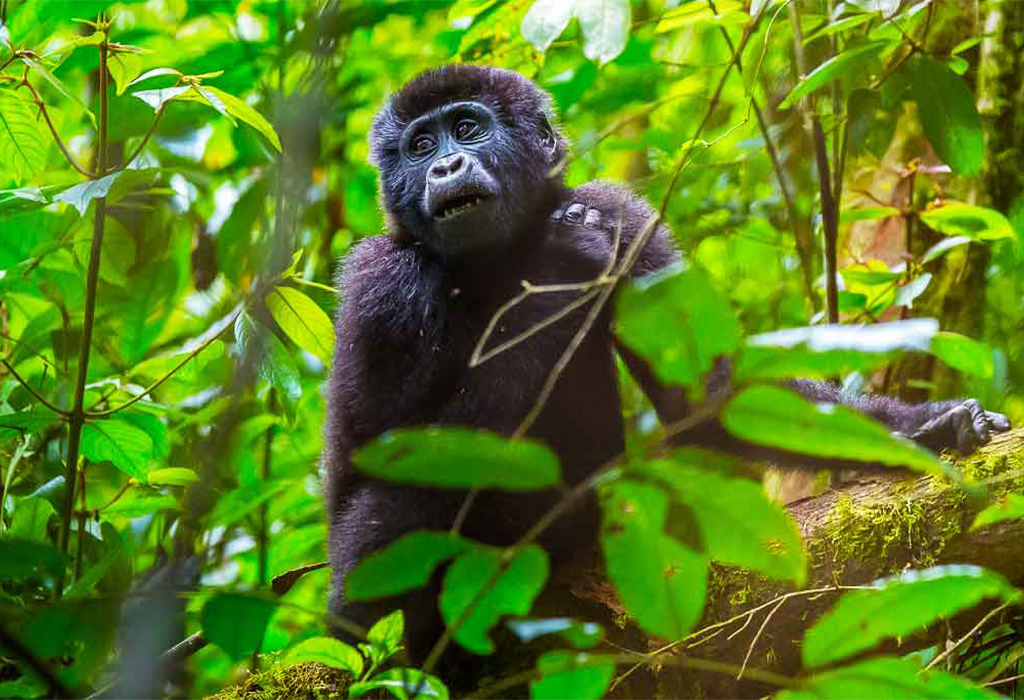
5 Days Rwanda Gorilla & Chimpanze
March 25, 2026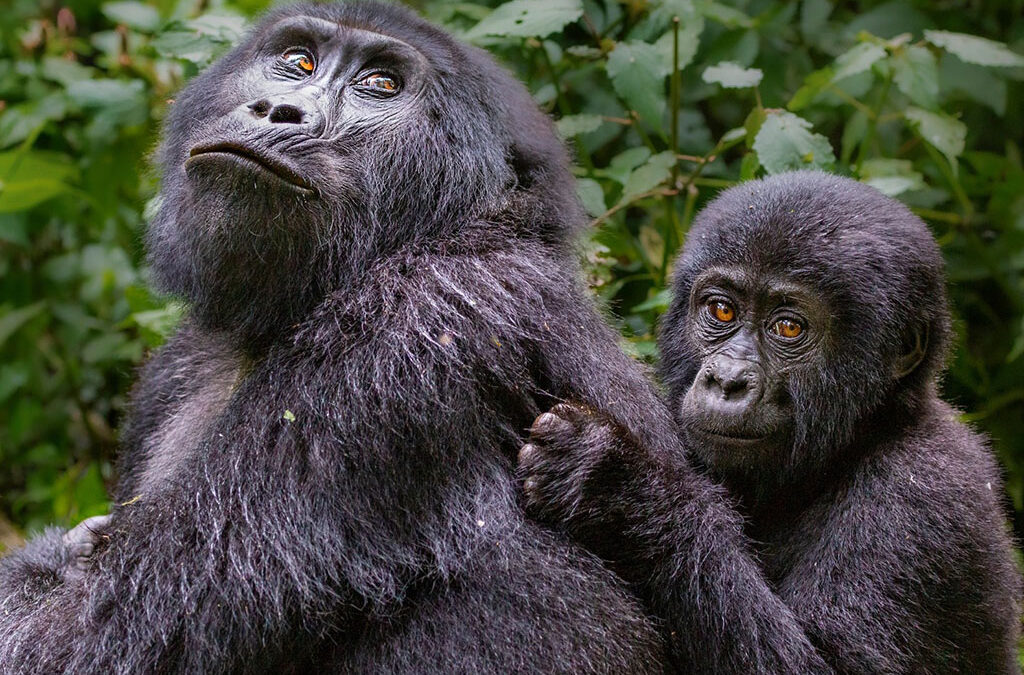
If you are planning a gorilla trekking adventure in the Rushaga sector of Bwindi Impenetrable National Park, one question naturally comes first: Is gorilla trekking in Rushaga Sector difficult? The short answer is yes, it can be challenging but it is also highly achievable for most travelers with a reasonable level of fitness.
In reality, the difficulty depends on several factors, including the terrain, weather conditions, the location of the gorilla family you are assigned, and your personal stamina. However, thousands of visitors complete this trek successfully every year and describe it as demanding yet deeply rewarding rather than overwhelming.
Where Is Rushaga Sector Located?
Rushaga Sector lies in the southern part of Bwindi Impenetrable National Park in southwestern Uganda. It sits near Kisoro town and close to the borders of Rwanda and the Democratic Republic of Congo.
This sector forms part of the larger Bwindi ecosystem, a UNESCO World Heritage Site famous for its rich biodiversity and dense montane rainforest. Because of its strategic location, many travelers also access Rushaga from Kigali, which offers a shorter and more convenient road transfer compared to Entebbe.
Why Rushaga Is Famous for Gorilla Trekking
Rushaga stands out because it hosts the highest number of habituated mountain gorilla families in Bwindi. As a result, it offers more trekking permit availability and increases your chances of securing a slot, even during peak travel seasons.
At the same time, different gorilla families move through different parts of the forest. Therefore, your trekking distance may vary significantly depending on where your assigned group is located on that particular day.
Understanding the Terrain in Rushaga
Rushaga’s terrain is one of the main reasons people describe the trek as challenging. The landscape features steep hills, narrow forest trails, thick vegetation, and muddy slopes, especially during the rainy season.
Bwindi Impenetrable National Park sits at an altitude ranging from about 1,160 to 2,600 meters above sea level. In Rushaga, trekkers often descend into valleys and climb back up again, which can feel physically demanding.
Depending on the movement of the gorilla family, the trek may last anywhere from one hour to six hours. The forest floor is uneven, with exposed roots, slippery sections, and dense undergrowth that requires careful footing.
Even so, experienced rangers guide every group and adjust the pace to match the slowest trekker, ensuring no one is left behind.
How Physically Demanding Is the Trek?
Gorilla trekking in Rushaga requires a moderate level of physical fitness. It does not require technical climbing skills, but it does demand stamina and endurance.
The combination of altitude, humidity, and steep forest paths makes the trek more strenuous than a typical hike. However, travelers who walk regularly or engage in light exercise usually adapt well.
Importantly, the trekking pace remains flexible. Rangers frequently pause for rest breaks, and everyone moves together as a group, which makes the experience more manageable.
Porters are also available at the trailhead, and they play a vital role in easing the journey. They carry bags, assist on steep sections, and offer encouragement throughout the hike. Hiring a porter not only reduces physical strain but also directly supports local communities.
Mental and Environmental Challenges in the Forest
Beyond physical effort, the forest environment itself can feel intense. The vegetation is thick, the air is humid, and mist or rain can appear without warning. Trails may become slippery, and the dense greenery can sometimes feel overwhelming.
However, these very conditions create the raw and untouched beauty of Bwindi. As you move deeper into the forest, the anticipation builds, making the eventual encounter with mountain gorillas even more powerful.
When you finally meet the gorilla family, everything changes. The fatigue disappears as you watch them feed, groom, play, and interact just a few meters away. The experience becomes emotional, intimate, and unforgettable.
A 3-Day Gorilla Trekking Experience in Rushaga
Day 1: Arrival and Transfer to Rushaga
Your journey begins upon arrival at either Entebbe International Airport or Kigali International Airport. Many travelers prefer Kigali because the drive to Rushaga takes about four to five hours, while the journey from Entebbe takes roughly eight to ten hours.
Along the way, you enjoy scenic views of rolling hills, terraced farmlands, and rural Ugandan landscapes. Upon arrival in Rushaga, you check into your lodge, unwind, and receive a briefing about your upcoming trek.
Day 2: Gorilla Trekking Experience
After an early breakfast, you head to the park headquarters for registration and a detailed briefing. Rangers explain safety guidelines, trekking rules, and what to expect in the forest.
You are then grouped into teams of up to eight people and assigned a habituated gorilla family. From there, your trek begins.
As you move through the forest, your guide leads you carefully through dense vegetation and uneven terrain. The time taken to find the gorillas depends entirely on their movement that day.
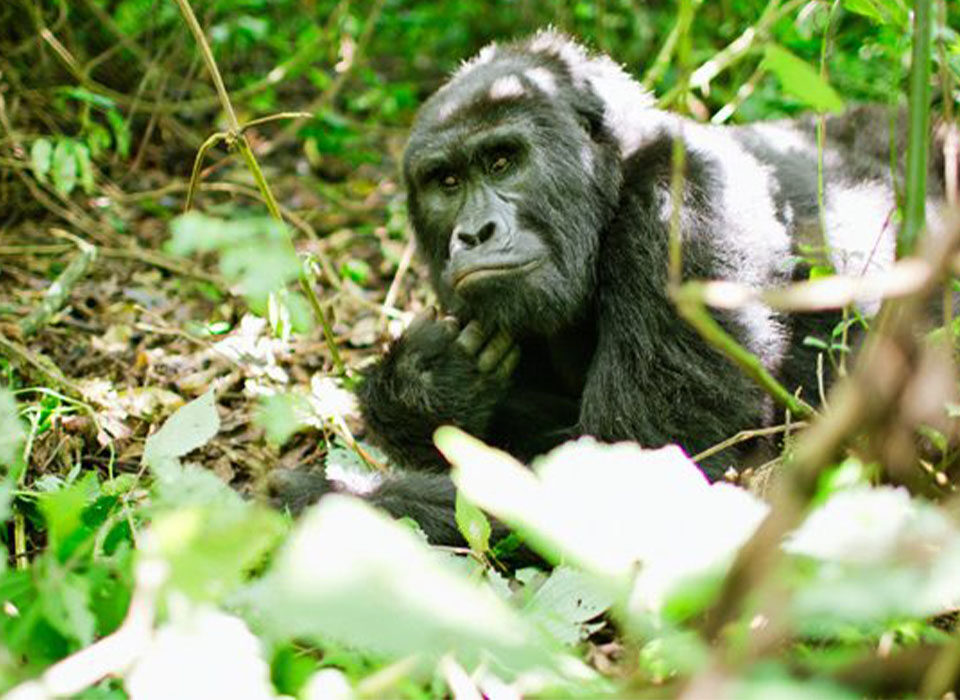
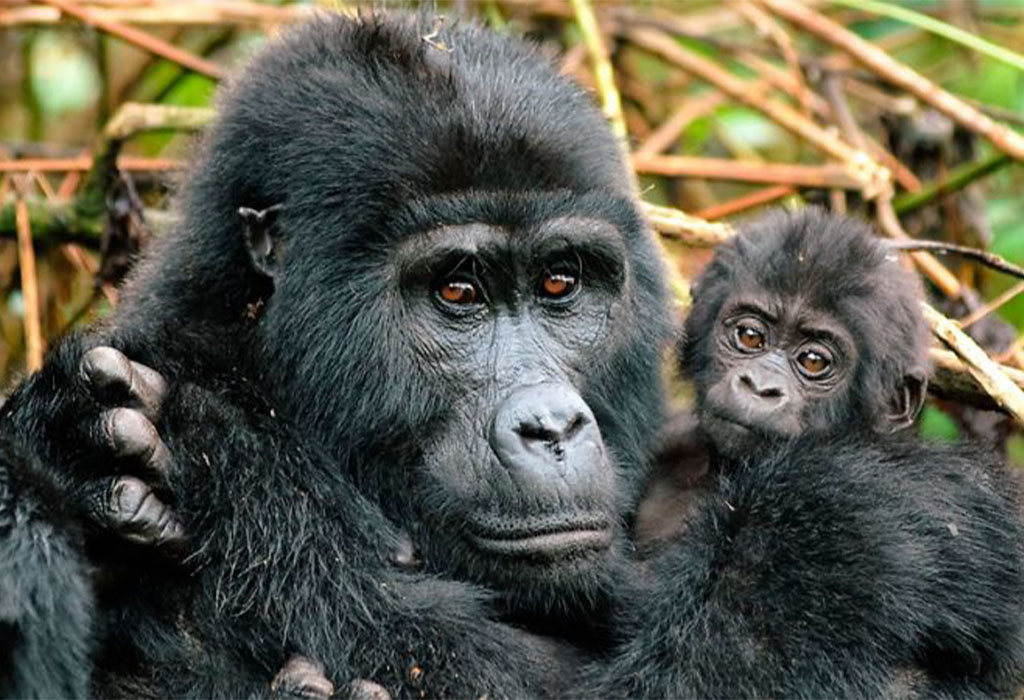
Once you locate them, you spend one magical hour observing their behavior. You watch silverbacks guarding their families, mothers caring for infants, and juveniles playing in the forest canopy. Photography is allowed, but flash is strictly prohibited.
After the experience, you trek back to the starting point where you receive a trekking certificate. In the afternoon, you return to your lodge to relax, with optional cultural visits or community experiences available later in the day.
Day 3: Departure
After breakfast, you check out of your lodge and begin your return journey to Kigali or Entebbe. Along the way, you may stop for photos or short breaks to enjoy the scenic countryside.
Best Time to Go Gorilla Trekking in Rushaga
Gorilla trekking in Rushaga takes place throughout the year. However, the dry seasons from June to September and December to February are generally considered the best times.
During these months, trails are less muddy and easier to navigate, which slightly reduces the physical challenge.
The rainy seasons from March to May and October to November make the forest wetter and more slippery. Although trekking becomes more demanding, the forest also appears greener and more vibrant, and visitor numbers are often lower, creating a more private experience.
Because Bwindi is a rainforest, weather conditions can change quickly at any time of year.
Comparing Rushaga with Other Bwindi Sectors
Bwindi Impenetrable National Park has four main trekking sectors: Buhoma, Ruhija, Rushaga, and Nkuringo.
Rushaga and Nkuringo are generally considered more physically demanding due to their steep terrain. Buhoma is often viewed as slightly easier, although difficulty ultimately depends on the gorilla family you are assigned.
One major advantage of Rushaga is its high number of habituated gorilla families, which improves permit availability and flexibility.
Is Rushaga Suitable for Older Travelers?
Yes, many travelers in their 60s and 70s successfully complete gorilla trekking in Rushaga. Age is not the most important factor; overall health and mobility matter more.
If you have knee, joint, or mobility concerns, you should inform your guides in advance. In such cases, sedan chairs are available for hire. These are carried by trained porters and allow travelers with limited mobility to access the gorillas safely and comfortably.
How to Prepare for an Easier Trek
Proper preparation significantly improves your trekking experience. Light physical activity such as walking, stair climbing, or short hikes before your trip helps build stamina.
Wearing sturdy hiking boots with good grip is essential, as trails can be slippery and uneven. Long trousers and long-sleeved shirts protect you from insects and thorny vegetation, while gardening gloves improve your grip on steep sections.
Carrying enough water and light snacks helps maintain energy throughout the hike. Most importantly, hiring a porter makes the trek much easier and supports the local economy.
Why the Challenge Is Absolutely Worth It
Although gorilla trekking in Rushaga can be physically demanding, the reward far outweighs the effort. Mountain gorillas live in protected, remote forests, and reaching them requires commitment.
That effort transforms the experience into something deeply meaningful. Standing face-to-face with a silverback gorilla in the wild is a rare privilege shared by only a few people on Earth.
Beyond the personal experience, your permit directly supports conservation efforts and local communities, helping protect these endangered primates for future generations.
Final Thoughts: Is Gorilla Trekking in Rushaga Difficult?
So, is gorilla trekking in Rushaga Sector difficult? Yes, it can be challenging due to steep terrain, altitude, and forest conditions. However, it is very manageable for most travelers with moderate fitness levels.
With proper preparation, the support of experienced rangers, and assistance from porters, the trek becomes not just possible but incredibly rewarding.
In the end, the moment you lock eyes with a mountain gorilla in Bwindi Impenetrable National Park makes every step worthwhile. It is an experience filled with awe, connection, and lasting memories.
For expertly planned gorilla trekking safaris in Uganda’s Rushaga sector, you can book your experience with Experiya Tour Company, where every journey is crafted to combine comfort, adventure, and unforgettable wildlife encounters.